EN
EN SP
SP FR
FR
- Home
- About Us
- Products
- Service
- Project
- News
- Contact Us
Pulished on Aug. 20, 2026
Welded wire fence is a versatile fencing solution made by welding horizontal and vertical steel wires together at their intersections. This manufacturing method creates a stable grid with uniform openings and good structural rigidity.
Unlike chain link fencing, which uses a woven diamond pattern, welded wire fence has a fixed grid structure. It is available in different wire diameters, mesh openings, heights, materials, coatings, and formats, allowing it to serve applications ranging from garden fencing to agricultural, commercial, and industrial projects.
Choosing the right welded wire fence therefore depends on more than fence height alone. The mesh opening, wire diameter, material, surface treatment, installation method, and application all affect the final performance and cost.
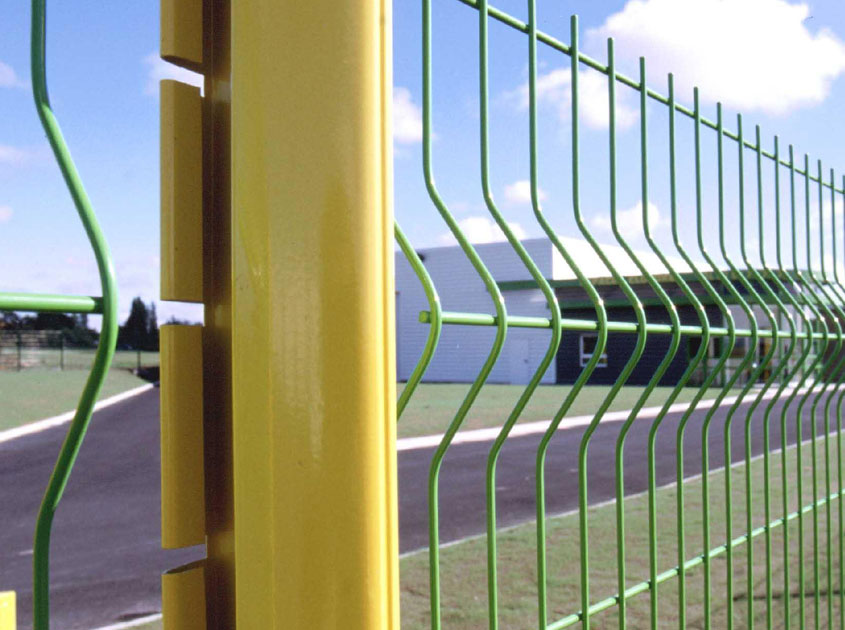
This guide explains the main types, common sizes, and applications of welded wire fence.
What Are the Main Types of Welded Wire Fence?
Welded wire fencing can be classified according to its structure, material, coating, and application.
The most common types include:
Welded wire fence roll
Welded wire fence panel
Galvanized welded wire fence
PVC coated welded wire fence
Stainless steel welded wire fence
Heavy-duty welded wire fence
Agricultural welded wire fence
Each type is designed for somewhat different requirements.
1. Welded Wire Fence Roll
Welded wire fence roll is supplied as a continuous coil of welded wire mesh.
The flexible format makes it particularly suitable for long fence lines and areas where the ground is not perfectly level.
Common applications
Farm fencing
Garden fencing
Animal enclosures
Crop protection
Temporary construction fencing
Advantages
Easy to transport
Compact storage
Flexible installation
Suitable for large areas
Easy to cut to length
For agricultural projects, welded wire rolls can often provide an economical alternative to rigid fence panels.
2. Welded Wire Fence Panel
Welded wire fence panels are manufactured as flat, rigid sections.
Compared with rolls, panels provide greater dimensional stability and a more structured appearance.
Common applications
Residential fencing
Commercial properties
Industrial facilities
Schools
Parks
Security barriers
Advantages
High rigidity
Consistent dimensions
Clean appearance
Easy alignment
Suitable for framed fence systems
Panel fencing is often preferred when appearance and structural stability are important.
3. Galvanized Welded Wire Fence
Galvanized welded wire fencing is made from steel wire protected with a zinc coating.
The zinc layer helps protect the steel from corrosion.
There are two common approaches:
Electro Galvanized
Provides a relatively thin and uniform zinc coating.
Suitable for:
General-purpose fencing
Indoor applications
Light outdoor applications
Hot Dipped Galvanized
Provides a thicker zinc coating and is generally better suited to demanding outdoor environments.
Applications include:
Farm fencing
Livestock fencing
Construction sites
Industrial fencing
4. PVC Coated Welded Wire Fence
PVC coated welded wire fence uses steel wire with a protective polymer coating.
The coating can provide both corrosion protection and a decorative appearance.
Common colors include:
Green
Black
White
Brown
Applications
PVC coated welded wire fence is commonly used for:
Gardens
Residential properties
Parks
Landscaping
Decorative boundaries
Green PVC coated mesh is particularly common for garden and landscape applications because it blends visually with vegetation.
5. Stainless Steel Welded Wire Fence
Stainless steel welded wire fence is designed for applications where corrosion resistance is especially important.
Common materials include:
304 stainless steel
316 stainless steel
Advantages
High corrosion resistance
Long service life
Easy maintenance
Clean appearance
Applications
Coastal environments
Food processing facilities
Chemical facilities
Industrial projects
Specialized architectural applications
316 stainless steel may be preferred where exposure to salt or aggressive environments is a major concern.
6. Heavy-Duty Welded Wire Fence
Heavy-duty welded wire fencing uses larger wire diameters and stronger supporting components.
It is designed for applications requiring greater resistance to:
Impact
Bending
Pressure
Animal force
Applications
Livestock fencing
Industrial facilities
Warehouses
Equipment protection
High-security areas
For heavy-duty applications, the posts and fixing system are just as important as the mesh itself.
7. Agricultural Welded Wire Fence
Agricultural welded wire fencing is designed for farms, livestock, poultry, and crop protection.
Different animals require different mesh openings and wire diameters.
For example:
Poultry → smaller openings
Rabbits → small openings
Dogs → medium openings
Livestock → larger openings with stronger wire
The fence should be selected according to the animal's size, behavior, and ability to push against the fence.
Welded Wire Fence Sizes
Welded wire fence does not have one universal standard size. Manufacturers can produce different combinations of wire diameter, opening, width, height, and length.
The most important dimensions are:
Wire diameter
Mesh opening
Fence height
Roll length
Panel width
Panel height
1. Welded Wire Fence Wire Diameter
Common wire diameters include:
Wire Diameter
Typical Applications
0.8–1.2 mm Light screening, small cages
1.2–2.0 mm Garden and small animal fencing
2.0–3.0 mm General fencing
3.0–4.0 mm Farm and commercial fencing
4.0–6.0 mm Heavy-duty fencing
6.0 mm+ Specialized heavy-duty applications
A larger wire diameter generally increases:
Rigidity
Strength
Impact resistance
Weight
It also increases material consumption and cost.
2. Welded Wire Fence Mesh Openings
Mesh opening determines how much space exists between the wires.
Common openings include:
12.7 × 12.7 mm
25 × 25 mm
25 × 50 mm
50 × 50 mm
50 × 100 mm
75 × 100 mm
100 × 100 mm
100 × 200 mm
Smaller openings provide better containment and protection against small animals.
Larger openings provide:
Better visibility
Lower material consumption
Lower weight
Potentially lower cost
3. Welded Wire Fence Height
Common fence heights include:
0.6 m
0.9 m
1.0 m
1.2 m
1.5 m
1.8 m
2.0 m
2.4 m
The appropriate height depends on the application.
Garden
Approximately 0.6–1.2 m may be sufficient for many garden applications.
Residential
Approximately 1.2–2.0 m may be selected depending on the desired boundary and local requirements.
Farm
Height depends heavily on the animals being contained.
Industrial
Higher fencing may be required where security is important.
These are general ranges rather than universal standards; project and local requirements should take priority.
4. Welded Wire Fence Roll Length
Common roll lengths include:
10 m
20 m
25 m
30 m
50 m
Longer rolls are useful for large projects because fewer joints may be needed.
Shorter rolls can be easier to handle on small sites.
5. Welded Wire Fence Panel Sizes
Rigid welded wire panels can be manufactured in different widths and heights.
Common panel dimensions may include:
1.0 × 2.0 m
1.2 × 2.0 m
1.5 × 2.0 m
1.8 × 2.4 m
2.0 × 2.5 m
Custom panel sizes can be produced according to the fence system and installation requirements.
Welded Wire Fence Size Selection Guide
Application
Typical Mesh Opening
Wire Diameter
Common Format
Garden fence 25–50 mm 1.2–2.5 mm Roll/Panel
Poultry enclosure 12–25 mm 0.8–2.0 mm Roll
Rabbit enclosure 12–25 mm 0.8–1.5 mm Roll/Panel
Dog enclosure 25–50 mm 2.0–4.0 mm Panel
Farm fencing 50–100 mm 2.5–4.0 mm Roll
Livestock fencing 75–150 mm 3.0–5.0 mm Roll/Panel
Industrial fencing 25–75 mm 3.0–6.0 mm Panel
Temporary fencing 50–100 mm 2.0–4.0 mm Roll/Panel
The final specification should always be selected according to the actual project requirements rather than relying only on typical sizes.
Welded Wire Fence Applications
1. Garden Fencing
Welded wire fence is widely used around:
Vegetable gardens
Flower gardens
Orchards
Nurseries
It can prevent animals from entering planted areas while maintaining visibility.
PVC coated welded wire is particularly popular for landscaping projects.
2. Residential Fencing
Welded wire fencing can be used around:
Houses
Backyards
Driveways
Community properties
Rigid panels provide a clean appearance, while PVC coated finishes can make the fence visually integrate with the landscape.
3. Farm and Agricultural Fencing
Agricultural fencing is one of the most important applications.
It can be used for:
Farm boundaries
Livestock areas
Poultry farms
Crop protection
Equipment areas
For long rural fence lines, welded wire rolls are often more convenient than individual panels.
4. Animal Enclosures
Welded wire fencing is used for:
Chickens
Rabbits
Dogs
Small livestock
Other animals
The most important consideration is the relationship between the mesh opening and animal size.
5. Industrial Fencing
Industrial applications include:
Warehouses
Factories
Equipment areas
Storage yards
Restricted zones
Heavy-duty welded wire panels can provide a rigid barrier while maintaining visibility.
6. Commercial Fencing
Commercial properties can use welded wire fence for:
Parking areas
Storage facilities
Retail properties
Business premises
Panel systems can provide a more professional appearance than basic flexible fencing.
7. Construction Site Fencing
Welded wire mesh can be used to create temporary boundaries around construction sites.
It can separate:
Workers
Equipment
Materials
Public areas
Rolls are particularly useful when the fencing needs to be installed quickly and removed later.
8. Parks and Sports Facilities
Welded wire panels can be used around:
Parks
Playgrounds
Sports fields
Recreation areas
The open mesh provides visibility while creating a physical boundary.
Welded Wire Fence Roll vs Panel
Choosing the correct format is an important part of fence design.
Factor
Welded Wire Roll
Welded Wire Panel
Flexibility High Low
Rigidity Medium High
Large-area installation Excellent Good
Uneven terrain Better More difficult
Transportation Compact Requires more space
Appearance Functional More structured
Best applications Farms, gardens Commercial, industrial
A simple rule is:
Choose rolls when flexibility and long-distance coverage are priorities.
Choose panels when rigidity and appearance are priorities.
How to Choose the Right Welded Wire Fence?
Before ordering, evaluate these factors.
1. Application
First determine whether the fence is intended for:
Garden
Farm
Animal enclosure
Residential property
Industrial site
Commercial property
2. Mesh Opening
Ask:
What needs to be contained or protected?
Smaller animals generally require smaller openings.
3. Wire Diameter
Ask:
How much strength does the fence need?
A thicker wire should be considered where greater rigidity or impact resistance is required.
4. Material and Coating
For general outdoor use:
→ Galvanized steel
For appearance and additional protection:
→ PVC coated steel
For demanding corrosive environments:
→ Stainless steel
5. Fence Height
Select the height according to:
Security requirements
Animal containment
Local regulations
Site conditions
6. Roll or Panel
Choose:
Roll → flexible, long-distance, economical
Panel → rigid, structured, professional appearance
Welded Wire Fence vs Chain Link Fence
Feature
Welded Wire Fence
Chain Link Fence
Grid Square/rectangular Diamond
Rigidity Higher Lower
Flexibility Moderate High
Visibility Good Good
Uneven terrain Moderate Better
Appearance Clean/modern Traditional
Common use Gardens, farms, industrial Perimeter fencing
Neither product is universally better. The choice depends on the project requirements.
Why Choose Qunkun Metal Welded Wire Fence?
Qunkun Metal manufactures welded wire fencing for distributors, contractors, agricultural suppliers, and project buyers worldwide.
Available products include:
Welded wire mesh rolls
Welded wire fence panels
Galvanized welded wire fence
PVC coated welded wire fence
Stainless steel welded wire fence
Heavy-duty welded wire fencing
Specifications can be customized according to:
Wire diameter
Mesh opening
Fence height
Roll length
Panel dimensions
Coating
Color
Packaging
For large projects, we can also provide compatible fence posts, gates, clips, and other accessories according to the required fencing system.
Frequently Asked Questions
What is the standard size of welded wire fence?
There is no single standard size. Common specifications vary in wire diameter, mesh opening, height, roll length, and panel dimensions.
What is the best mesh size for a welded wire fence?
It depends on the application. Smaller openings are generally better for small animals and higher containment, while larger openings are suitable for farms and general boundary fencing.
Is welded wire fence good for livestock?
Yes, provided the wire diameter, opening size, height, and supporting posts are suitable for the livestock being contained.
Is PVC coated welded wire better than galvanized wire?
PVC coating provides an additional protective layer and more color options. Galvanized steel is often preferred when cost and straightforward outdoor corrosion protection are the main considerations.
Should I buy welded wire fence rolls or panels?
Choose rolls for long, flexible fence lines and uneven terrain. Choose panels when rigidity, precise dimensions, and a finished appearance are more important.
Can welded wire fence be customized?
Yes. Manufacturers can customize wire diameter, mesh opening, height, roll length, panel size, coating, color, and other specifications.
Conclusion
Welded wire fence is available in a wide range of types, sizes, materials, and configurations, making it suitable for applications ranging from small gardens and animal enclosures to agricultural, commercial, and industrial fencing.
The most important specifications to consider are:
Wire Diameter + Mesh Opening + Fence Height + Material + Coating + Format
For large and flexible fence lines, welded wire rolls offer convenient installation and efficient transportation. For rigid and professional fencing systems, welded wire panels are often a better choice.
The right welded wire fence should be selected according to the actual application, environmental conditions, required strength, security level, and installation method rather than simply choosing the most common size.
Qunkun Metal supplies customized welded wire fence rolls and panels for global distributors, contractors, agricultural suppliers, and engineering projects.
How to Choose Farm Fence for Cattle and Horses: Wire, Height and Design Guide
Pulished on Sep. 23, 2026
How Is Chain Link Fence Made? Manufacturing Process and Components
Pulished on Sep. 18, 2026
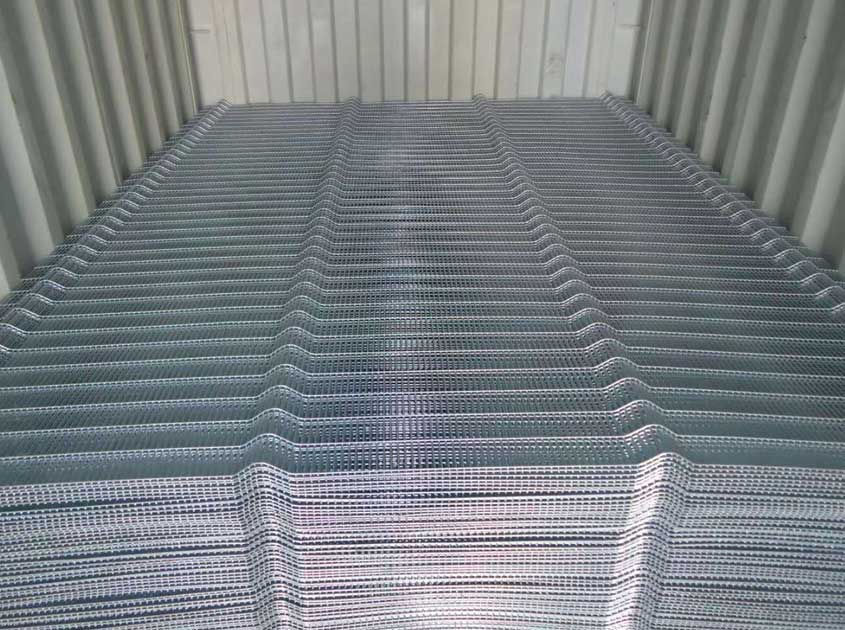
358 Security Fence vs Chain Link Fence: Security, Cost and Application Comparison
Pulished on Sep. 15, 2026
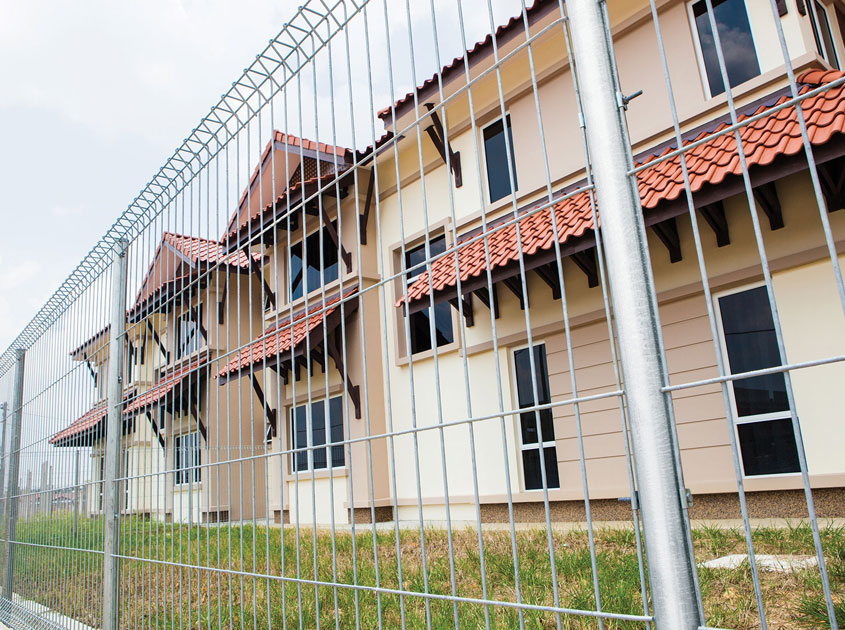
Why Choose Welded Wire Fence for Security and Protection?
Pulished on Sep. 07, 2026
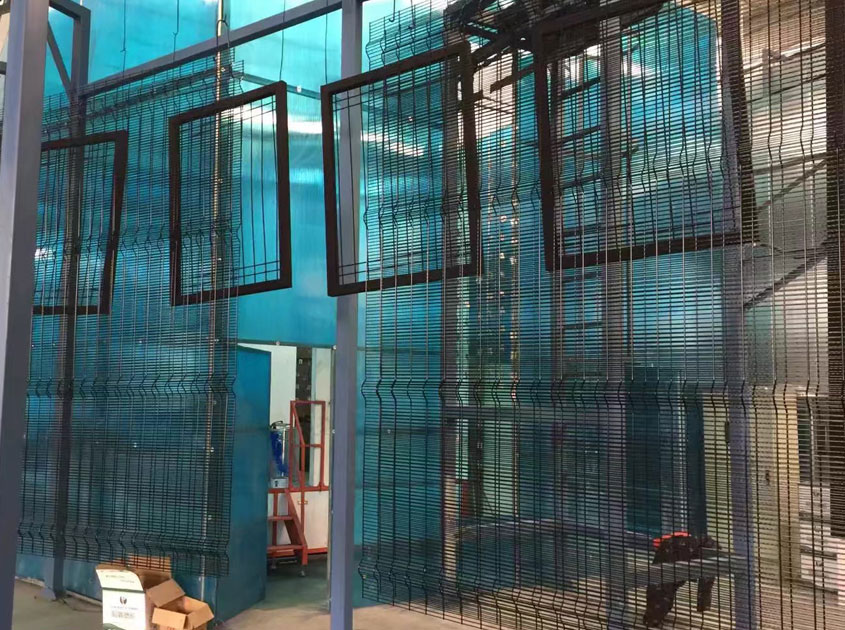
358 Security Fence Specifications and Applications Guide
Pulished on Aug. 27, 2026
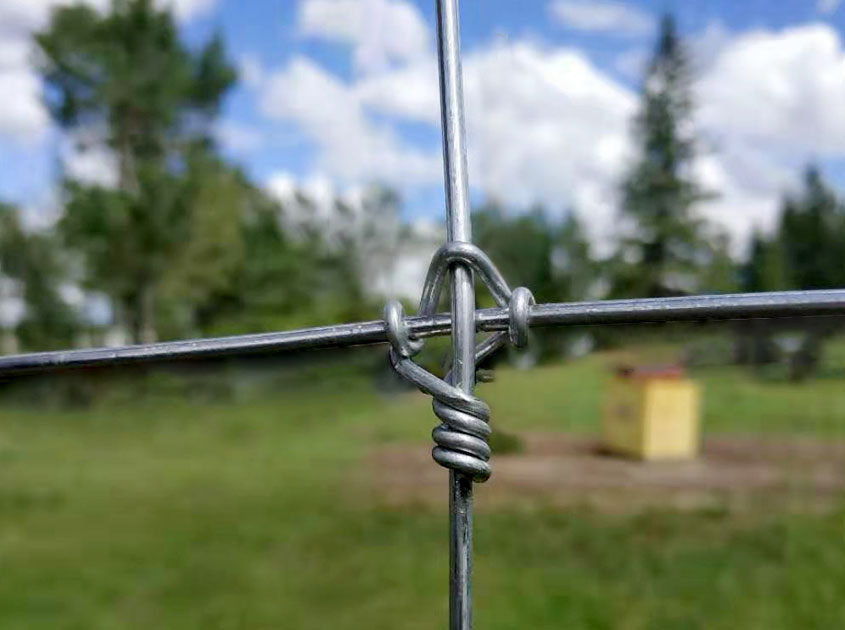
What Is Farm Fence and What Are the Main Types?
Pulished on Aug. 26, 2026
Welded Wire Fence Types, Sizes and Applications Guide
Pulished on Aug. 20, 2026
Chain Link Fence Types, Specifications and Applications Guide
Pulished on Aug. 12, 2026
How to Choose Farm Fence for Cattle and Horses: Wire, Height and Design Guide
Pulished on Sep. 23, 2026
How Is Chain Link Fence Made? Manufacturing Process and Components
Pulished on Sep. 18, 2026
358 Security Fence vs Chain Link Fence: Security, Cost and Application Comparison
Pulished on Sep. 15, 2026
Why Choose Welded Wire Fence for Security and Protection?
Pulished on Sep. 07, 2026
358 Security Fence Specifications and Applications Guide
Pulished on Aug. 27, 2026
What Is Farm Fence and What Are the Main Types?
Pulished on Aug. 26, 2026
Welded Wire Fence Types, Sizes and Applications Guide
Pulished on Aug. 20, 2026
Chain Link Fence Types, Specifications and Applications Guide
Pulished on Aug. 12, 2026