EN
EN SP
SP FR
FR
- Home
- About Us
- Products
- Service
- Project
- News
- Contact Us
Pulished on Oct. 16, 2026
Chain link fence is widely used for residential boundaries, commercial properties, industrial facilities, sports grounds, farms, warehouses, and construction sites. Its popularity comes from a practical combination of affordability, visibility, flexible installation, and adaptable specifications.
However, a chain link fence is not the best solution for every project. Buyers need to consider the required security level, site conditions, expected maintenance, and total installation cost before choosing a fencing system.
In this guide, we explore eight major advantages of chain link fence, explain where it performs best, and share practical tips for selecting a suitable fencing solution.
1. Cost-Effective for Large Areas
One of the main advantages of chain link fence is its cost-effectiveness, especially when a project requires a long perimeter or multiple sections of fencing.
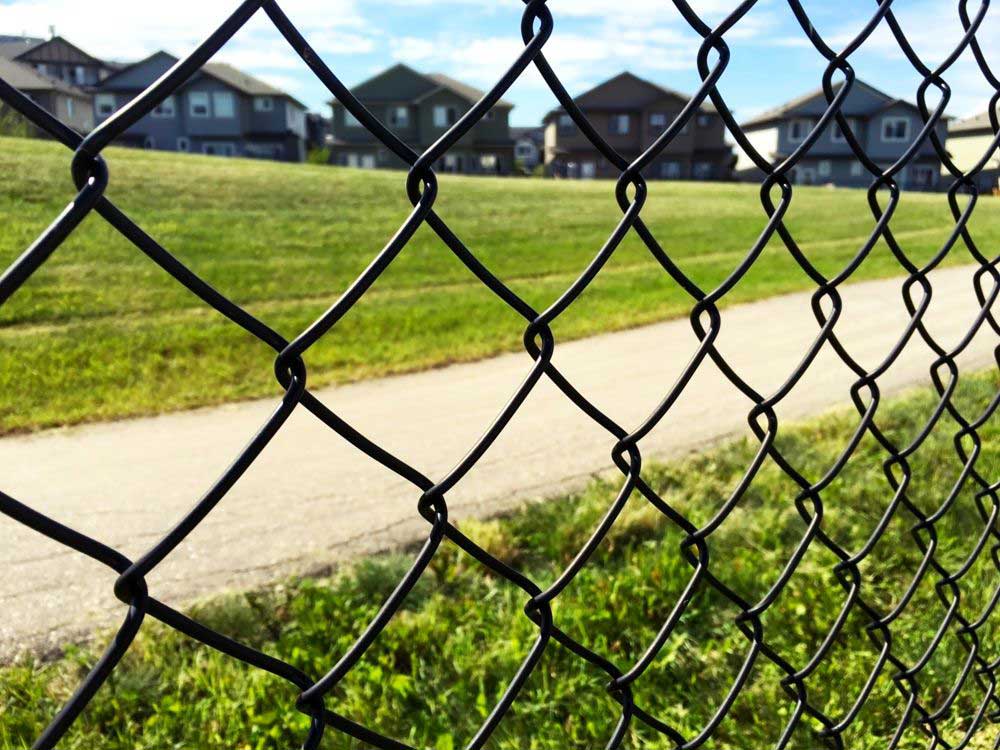
The mesh is manufactured by weaving steel wires into a diamond pattern. Compared with some fencing systems that use solid panels or more complex structures, chain link fencing can provide a practical boundary solution without requiring a large amount of sheet material.
Its cost advantages may include:
Practical material costs: Standard chain link mesh is available in various wire diameters, mesh openings, and finishes.
Efficient coverage: Rolls can cover long sections, reducing the number of individual mesh panels needed in suitable applications.
Flexible specifications: Buyers can select a configuration that matches the project's actual security and durability requirements.
Scalable installation: The same basic fencing system can be used for small enclosures or extensive property boundaries.
The lowest purchase price does not always mean the lowest total cost. Post spacing, corner bracing, foundations, gates, fittings, labor, transport, and future repairs all affect the final budget.
For importers and contractors, comparing complete fence specifications is more useful than comparing mesh prices alone.
2. Good Visibility and Airflow
Unlike solid metal fencing, chain link fence has open spaces between its wires. This allows people to see through the boundary and lets air pass through the fence.
This combination is useful when a site needs a clear perimeter without completely blocking the surrounding environment.
Common applications include:
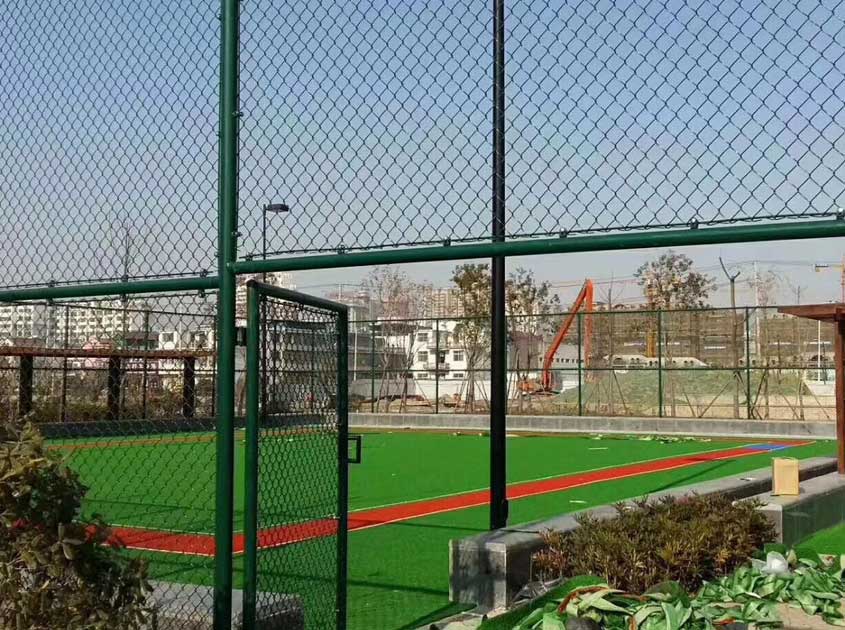
Sports courts and recreational facilities
School and campus boundaries
Industrial yards and storage areas
Parking lots and commercial properties
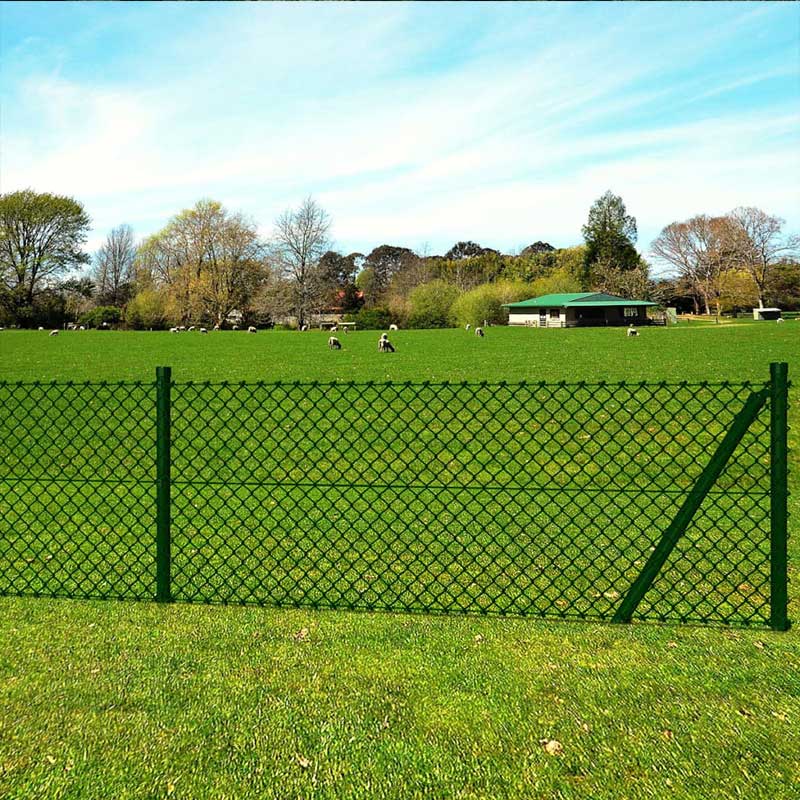
Agricultural land and animal enclosures
The open mesh can also make it easier for staff or security personnel to observe activity on the other side of the fence.
However, visibility is not the same as privacy. Standard chain link mesh generally offers limited visual screening. Privacy slats, screening fabric, or additional landscaping may be considered when reduced visibility is required, although these additions can increase wind loading and may require stronger posts or a different installation design.
3. Adaptable to Different Sites and Layouts
Chain link fence is suitable for many site layouts because the mesh is flexible and can be supplied in different heights, lengths, wire diameters, and opening sizes.
It can be used around rectangular properties, long road boundaries, irregular land areas, and many types of commercial or agricultural enclosures.
Its adaptability is particularly useful for projects involving:
Long property perimeters
Uneven or gently sloping ground
Separate storage or work areas
Temporary construction boundaries
Existing facilities that need additional fencing
The mesh can follow many changes in ground level, but the installation method must match the terrain. Significant slopes, abrupt changes in elevation, unstable soil, and drainage channels may require stepped sections, adjusted post heights, special foundations, or other site-specific solutions.
Buyers should provide a site drawing or describe the terrain when requesting a quotation. This helps the manufacturer or fencing contractor recommend suitable roll dimensions, fence height, posts, and accessories.
4. Multiple Coating Options for Different Environments
Chain link fence can be manufactured with different surface treatments to suit different budgets, appearance requirements, and exposure conditions.
Two common options are galvanized chain link fence and PVC-coated chain link fence.
Feature
Galvanized chain link fence
PVC-coated chain link fence
Surface Zinc coating Polymer coating over the specified wire substrate
Appearance Typically metallic silver or gray Available in colors such as green and black, depending on the supplier
Common uses Industrial yards, farms, storage areas, general outdoor boundaries Parks, gardens, residential boundaries, commercial properties
Key purchasing detail Zinc coating weight and galvanizing process Steel core diameter, finished diameter, coating quality, and adhesion
Main consideration Suitability of the zinc coating for the environment Coating integrity and the condition of the underlying wire
Galvanized wire helps protect steel against corrosion. PVC coating adds a polymer layer that can provide additional surface protection and a colored finish when properly manufactured and maintained.
Neither option is universally suitable for every environment. Coastal exposure, industrial pollutants, standing water, damaged coatings, and poor drainage can affect performance. Buyers should specify the expected environment and required coating standard instead of relying on the product name alone.
5. Relatively Straightforward Installation and Repair
A standard chain link fence system consists of mesh, line posts, terminal posts, rails where required, tensioning components, and suitable fasteners.
Because these components follow a familiar construction method, experienced installers can often assemble standard systems efficiently. Mesh rolls can also be practical for long runs where continuous fencing is preferred.
Installation time still depends on the site and the fence design. Ground preparation, post-hole excavation, concrete curing, terrain, gates, and corner structures can have a greater effect on the schedule than the mesh itself.
Another practical benefit is that localized damage can sometimes be repaired without replacing an entire fence line. A damaged mesh section may be replaced, or a limited area may be reconnected, depending on the construction and extent of the damage.
For reliable installation, buyers should confirm:
Whether terminal and corner posts require bracing
How the mesh will be tensioned and secured
Whether top rails or tension wires are included
Which fittings and fasteners are required
Whether the installation team has suitable tools and instructions
A complete bill of materials can reduce missing components and delays during installation.
6. Available in Different Heights, Mesh Openings, and Wire Diameters
Chain link fence is not a single standardized product. Its specifications can be adjusted for different applications, budgets, and levels of physical resistance.
Important parameters include:
Mesh opening: The diamond opening affects visibility, the size of gaps in the barrier, and the overall appearance. Smaller openings may be appropriate where limiting passage through the mesh is important, but opening size alone does not determine the security level.
Wire diameter: Thicker wire generally uses more steel and can improve resistance to deformation, all else being equal. The actual result also depends on the steel properties, mesh geometry, coating, and installation.
Fence height: The required height depends on the intended boundary, local regulations, animal type, site layout, and security objectives.
Roll dimensions: Roll width and length affect handling, transportation, cutting waste, and the number of joints required.
Edge treatment: The top and bottom edges may use knuckled or twisted/barbed configurations, depending on the product specification and intended use.
This range of options makes chain link fence useful for projects with different requirements. However, buyers should avoid selecting wire diameter, opening size, or height based on price alone.
7. Suitable for a Wide Range of Applications
The versatility of chain link fence is one reason it is commonly specified for both small and large projects.
Application
Why chain link fence may be suitable
Key consideration
Industrial facilities Defines property boundaries while maintaining visibility Height, post strength, and access control
Warehouses and logistics yards Separates storage and vehicle areas Vehicle impact risks and gate locations
Sports courts Open mesh supports visibility and airflow Ball containment, height, and rebound requirements
Farms and agricultural land Provides a perimeter for selected livestock or land areas Animal size, behavior, and mesh opening
Construction sites Can establish temporary or permanent boundaries Site rules, stability, and relocation needs
Parking areas Separates vehicles, pedestrians, and restricted zones Vehicle access and visibility at entrances
Residential properties Offers a practical boundary with an open appearance Privacy, appearance, and local requirements
Utility and infrastructure sites Helps define restricted areas Whether a higher-security system is necessary
Chain link fence is particularly useful when a project needs a clearly defined boundary but does not require a solid wall.
For livestock, the mesh must be selected for the specific animals. For high-security sites, standard chain link fence may need additional measures or may be unsuitable if the project requires a higher level of anti-climb or anti-cut protection.
8. Flexible for Future Changes and Expansion
Many commercial and industrial sites change over time. A warehouse may add a storage area, a farm may divide a field, or a construction project may need to relocate a temporary boundary.
Chain link fence can be practical in these situations because its modular components and roll-based mesh can support adjustments to suitable sections of the fence.
Depending on the installation, a project may be able to:
Extend a fence line around a new area
Add a gate or modify an access point
Replace a damaged mesh section
Change selected posts or fittings
Add compatible screening where conditions allow
The ease of modification depends on the original design. Concrete foundations, welded connections, permanent gate structures, and terrain changes can make alterations more complicated.
For projects expected to expand, buyers should plan the fence layout, gate positions, post spacing, and future connection points before installation. Retaining the original specifications can also make future replacement orders easier.
Chain Link Fence vs. Other Fencing Options
Chain link fence is a useful general-purpose option, but it should be compared with alternatives based on the project's main requirement.
Fence type
Potential advantages
Consider when
Chain link fence Open visibility, flexible specifications, practical for long boundaries General perimeter fencing and large-area enclosures
Welded wire fence Regular grid, rigid mesh structure, clean appearance Defined panel layouts, gardens, and selected industrial uses
Farm or woven wire fence Flexible configurations for agricultural land and livestock Pastures and livestock-specific boundary requirements
358 security fence Small openings and an anti-climb-oriented design Sites requiring a higher level of perimeter security
Solid metal panels Greater visual screening and reduced direct visibility Privacy-focused boundaries or specific architectural needs
No fencing system is automatically the most economical or secure in every situation. The best choice depends on the threat level, installation conditions, maintenance expectations, and total project budget.
If the main goal is high-security perimeter protection, buyers should assess the complete system—including posts, foundations, fixings, gates, and access control—rather than evaluating the mesh alone.
How to Choose the Right Chain Link Fence for Your Project
Before requesting a quotation, prepare a clear specification. This helps manufacturers provide comparable offers and reduces misunderstandings.
1. Define the Application
Explain whether the fence is intended for a warehouse, sports court, farm, residential boundary, construction site, or industrial facility. Different uses may require different mesh openings, heights, and accessories.
2. Confirm the Mesh Specifications
Provide the required fence height, mesh opening, wire diameter, roll length, and total quantity. If the project uses PVC-coated mesh, specify whether the wire diameter refers to the steel core or the finished coated wire.
3. Select the Surface Treatment
Choose galvanized or PVC-coated mesh according to the environment, appearance requirements, and project budget. Where corrosion exposure is severe, request information about the coating standard and suitability for the site.
4. Specify the Complete Fence System
Confirm whether the quotation includes only chain link mesh or a complete system with posts, rails, tension wires, gates, fittings, and fasteners.
This distinction matters when comparing offers from different suppliers.
5. Review Quality and Packaging
For export orders, confirm the mesh dimensions, coating requirements, roll weight or dimensions, protective packaging, loading arrangement, and inspection procedure.
For repeat orders, keeping an approved sample or written specification can help maintain consistency between shipments.
Common Mistakes When Buying Chain Link Fence
Even a suitable fencing product can cause problems if the specifications are incomplete.
Choosing only by price: A low quotation may exclude posts, fittings, gates, or required coating specifications.
Ignoring the wire diameter definition: PVC-coated wire may be described by its core diameter or its finished outside diameter. These are not the same measurement.
Overlooking the environment: A coating suitable for a mild environment may not provide the expected performance in a highly corrosive location.
Using standard mesh for a specialized security requirement: Standard chain link fence does not automatically provide the anti-climb or anti-cut performance of a dedicated security fence.
Failing to check accessories: Incompatible posts, tensioning components, and fittings can complicate installation and affect the completed fence.
A written specification and a complete bill of materials help buyers compare suppliers on a consistent basis.
Frequently Asked Questions
Is chain link fence a good choice for commercial properties?
It can be a practical choice for commercial properties that need a defined perimeter, good visibility, and adaptable specifications. The final selection should reflect the site's security requirements, exposure conditions, and budget.
Is chain link fence suitable for outdoor use?
Yes, many chain link fence products are designed for outdoor applications. Their suitability depends on the wire material, coating type, coating quality, installation, and local environment.
Which is better: galvanized or PVC-coated chain link fence?
Neither is always better. Galvanized mesh is commonly selected for practical outdoor and industrial applications, while PVC-coated mesh can offer a colored appearance and an additional polymer coating. The correct choice depends on the project requirements and product construction.
Does chain link fence provide privacy?
Standard chain link fence provides limited visual privacy because of its open mesh structure. Screening fabric, privacy slats, or landscaping may improve screening, but they can affect wind loading and structural requirements.
Can chain link fence be used for high-security applications?
Standard chain link fence may be suitable for basic perimeter control, but higher-security sites may require reinforced designs, additional security features, or a dedicated system such as 358 anti-climb fencing. The complete installation should be assessed against the project's security objectives.
What information is needed for a chain link fence quotation?
Provide the application, total length, required height, mesh opening, wire diameter, coating type, roll dimensions, destination country, and quantity. Also state whether you need mesh only or a complete system with posts, gates, rails, and accessories.
Conclusion
The main advantages of chain link fence are its cost-effective coverage, open visibility, adaptable specifications, multiple coating options, relatively straightforward installation, repair flexibility, and suitability for many commercial, industrial, agricultural, and recreational applications.
Its real value depends on choosing the right configuration for the project. Before placing an order, confirm the mesh dimensions, wire diameter, coating requirements, supporting components, and installation conditions.
Linkland fence supplies wire mesh and fencing products for international buyers. For a project quotation, share your required specifications, estimated quantity, application, and destination port so the appropriate product configuration can be evaluated.
Previous: None
Next: How to Choose Farm Fence for Cattle and Horses: Wire, Height and Design Guide
What Are the Advantages of Chain Link Fence? 8 Benefits for Commercial and Industrial Projects
Pulished on Oct. 16, 2026
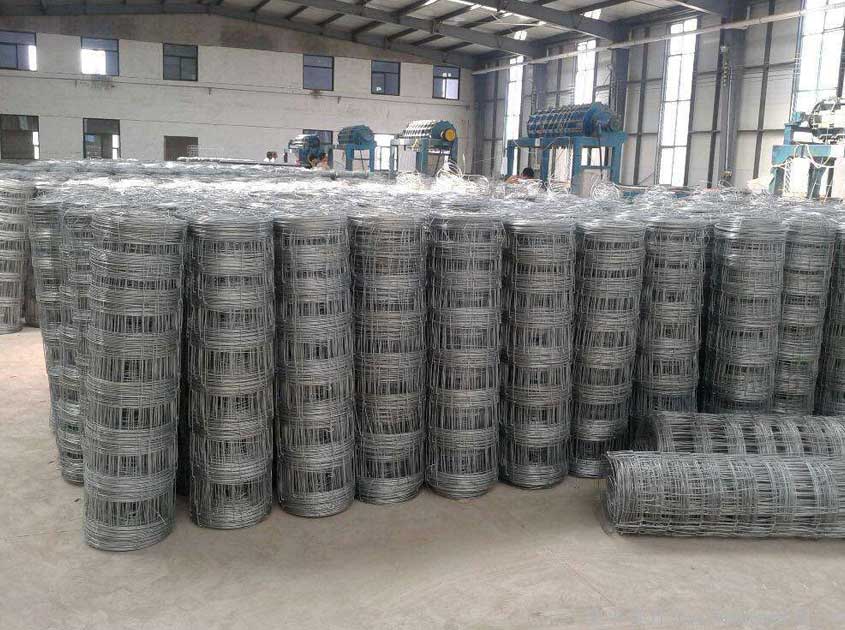
How to Choose Farm Fence for Cattle and Horses: Wire, Height and Design Guide
Pulished on Sep. 23, 2026
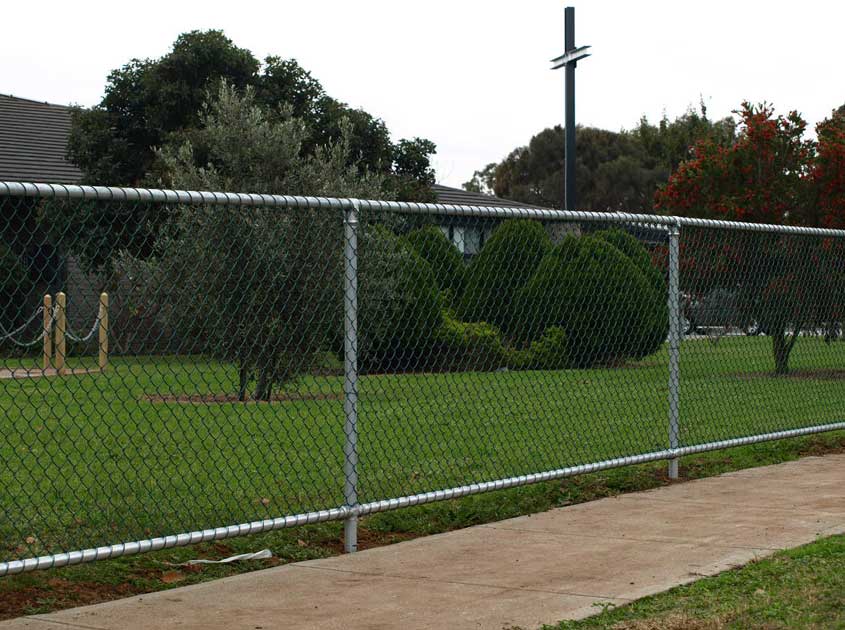
How Is Chain Link Fence Made? Manufacturing Process and Components
Pulished on Sep. 18, 2026
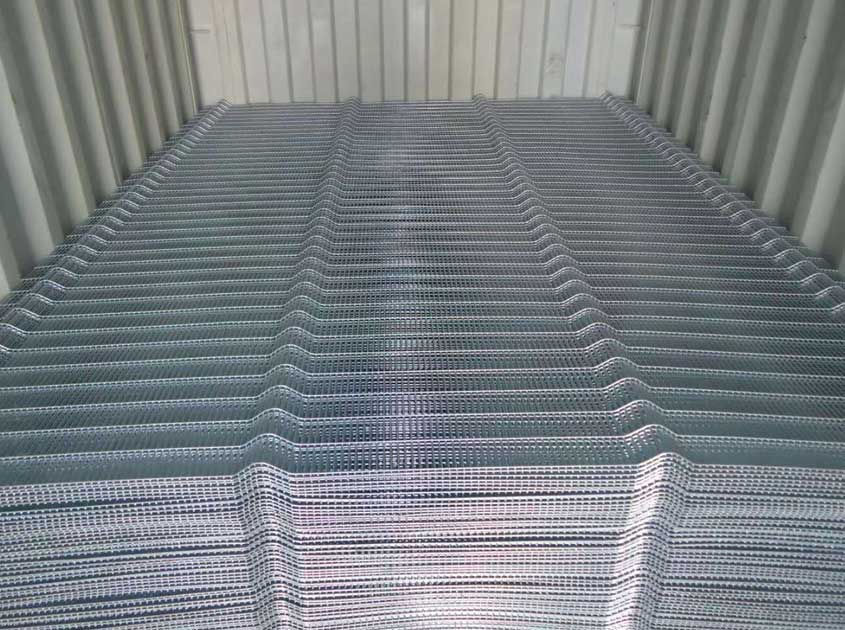
358 Security Fence vs Chain Link Fence: Security, Cost and Application Comparison
Pulished on Sep. 15, 2026
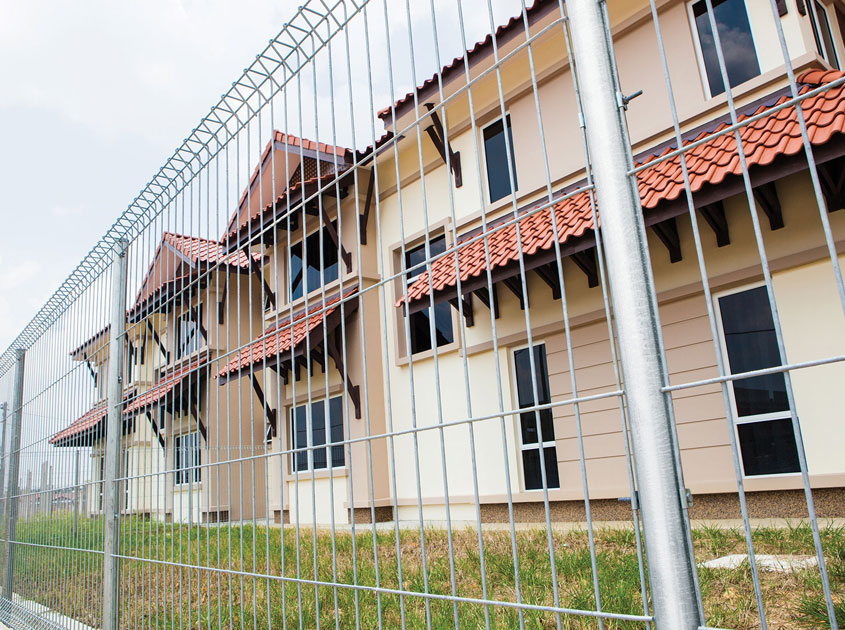
Why Choose Welded Wire Fence for Security and Protection?
Pulished on Sep. 07, 2026
358 Security Fence Specifications and Applications Guide
Pulished on Aug. 27, 2026
What Is Farm Fence and What Are the Main Types?
Pulished on Aug. 26, 2026
Welded Wire Fence Types, Sizes and Applications Guide
Pulished on Aug. 20, 2026
What Are the Advantages of Chain Link Fence? 8 Benefits for Commercial and Industrial Projects
Pulished on Oct. 16, 2026
How to Choose Farm Fence for Cattle and Horses: Wire, Height and Design Guide
Pulished on Sep. 23, 2026
How Is Chain Link Fence Made? Manufacturing Process and Components
Pulished on Sep. 18, 2026
358 Security Fence vs Chain Link Fence: Security, Cost and Application Comparison
Pulished on Sep. 15, 2026
Why Choose Welded Wire Fence for Security and Protection?
Pulished on Sep. 07, 2026
358 Security Fence Specifications and Applications Guide
Pulished on Aug. 27, 2026
What Is Farm Fence and What Are the Main Types?
Pulished on Aug. 26, 2026
Welded Wire Fence Types, Sizes and Applications Guide
Pulished on Aug. 20, 2026