EN
EN SP
SP FR
FR
- Home
- About Us
- Products
- Service
- Project
- News
- Contact Us
Pulished on Sep. 07, 2026
Welded wire mesh is a rigid metal mesh manufactured by welding individual horizontal and vertical wires together at every intersection.
With its uniform openings, strong welded joints, clean appearance, and wide range of wire diameters and mesh sizes, welded wire mesh is used across construction, fencing, agriculture, animal containment, industrial manufacturing, concrete reinforcement, security, and general fabrication.
Unlike woven wire mesh, welded wire mesh has fixed welded intersections that create a more rigid and stable structure.
For buyers in the United States, Canada, the Middle East, and other international markets, welded wire mesh can be supplied in rolls, flat panels, sheets, or customized sections, depending on the application.
What Is Welded Wire Mesh?
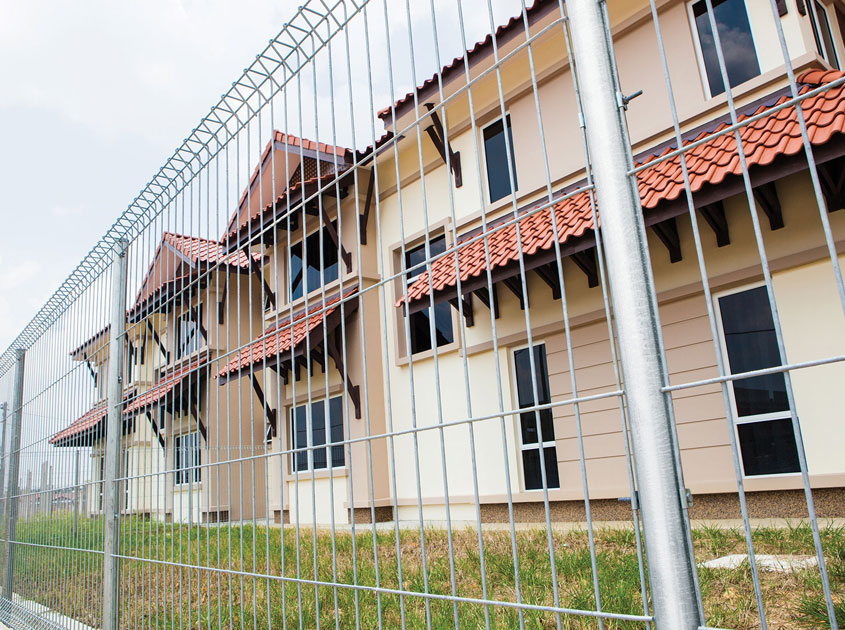
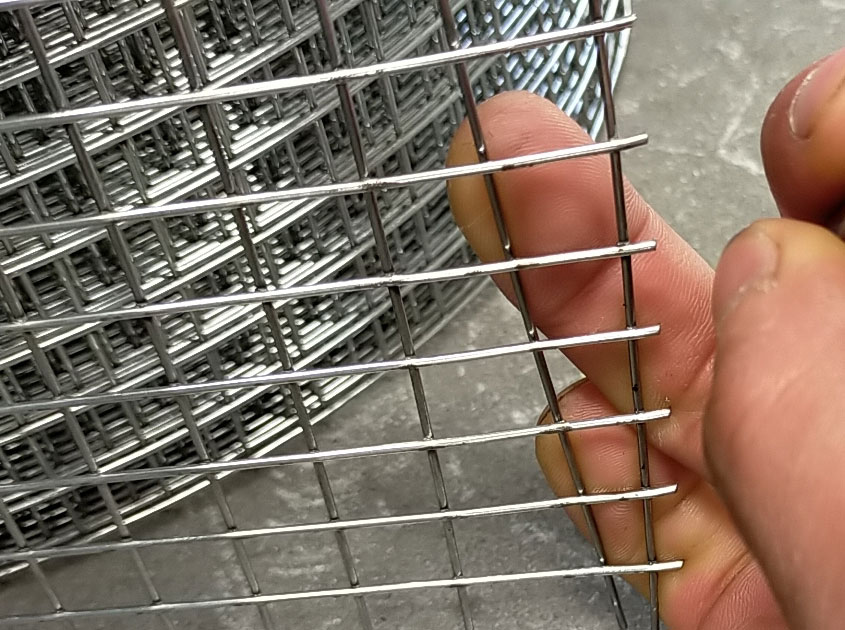
Welded wire mesh is a prefabricated metal grid made by arranging wires in perpendicular directions and welding them together at their intersections.
The finished mesh normally has square or rectangular openings.
Compared with woven wire mesh, the welded construction gives the product a more rigid and uniform structure.
Common applications include:
Construction
Concrete reinforcement
Fencing
Animal enclosures
Agriculture
Garden protection
Warehouse partitions
Industrial equipment guards
Machine guards
Security fencing
Storage cages
Commercial facilities
The product can be manufactured from different materials and surface finishes, allowing buyers to select a specification based on strength, corrosion resistance, appearance, and budget.
How Is Welded Wire Mesh Made?
The manufacturing process is relatively straightforward but requires accurate wire positioning and consistent welding.
Step 1: Wire Preparation
Steel wire is prepared to the required diameter.
Depending on the product, the wire may be:
Black annealed wire
Galvanized wire
Stainless steel wire
PVC coated wire
Other specified metal wire
Step 2: Wire Straightening
The wire is straightened and cut or continuously fed into the welding machine.
Step 3: Mesh Formation
Horizontal and vertical wires are positioned according to the required mesh opening.
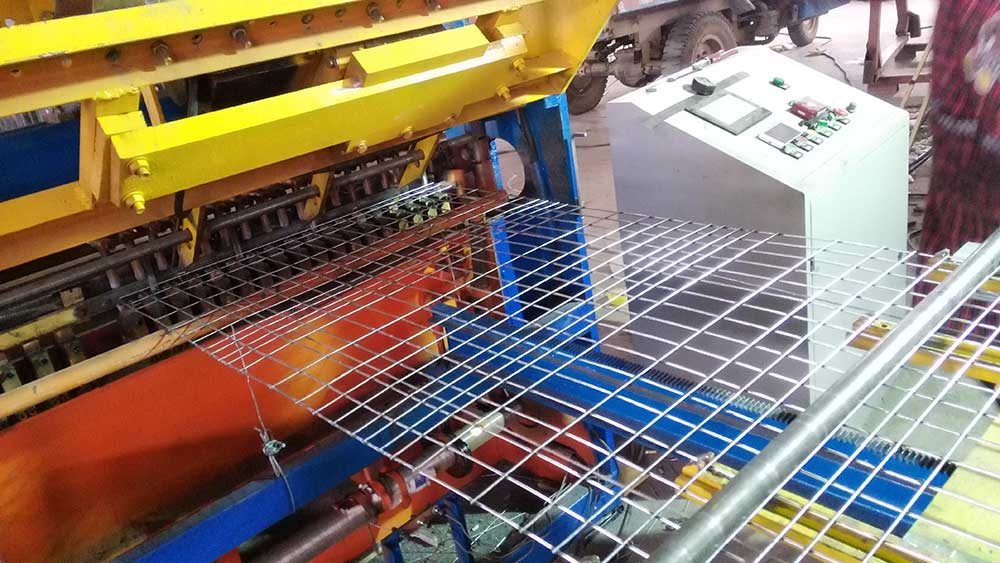
Step 4: Resistance Welding
The wires are welded together at every intersection.
This creates the characteristic rigid welded grid.
Step 5: Cutting or Rolling
Depending on the product design, the welded mesh can be produced as:
Rolls
Panels
Sheets
Custom sections
Step 6: Surface Treatment
Depending on the specification, the finished mesh may be galvanized, PVC coated, painted, or supplied in stainless steel.
Welded Wire Mesh vs Woven Wire Mesh
One of the most important distinctions for buyers is the difference between welded and woven wire mesh.
Feature
Welded Wire Mesh
Woven Wire Mesh
Manufacturing Wires welded together Wires woven together
Structure Rigid Flexible
Opening shape Usually square or rectangular Square, rectangular or other patterns
Intersection Welded Interlocked
Dimensional stability High Higher flexibility
Typical format Rolls and panels Rolls
Common applications Fencing, construction, cages, reinforcement Filtration, screening, fencing, decoration
Cutting Easy to cut into sections More flexible after cutting
Appearance Clean and uniform Woven texture
Welded wire mesh is generally preferred when the buyer needs a rigid and stable grid.
Woven mesh is more suitable when flexibility or specialized screening characteristics are required.
Main Types of Welded Wire Mesh
Welded wire mesh can be classified according to its material, coating, manufacturing method, format, and application.
The major categories include:
Galvanized welded wire mesh
PVC coated welded wire mesh
Stainless steel welded wire mesh
Black welded wire mesh
Welded wire mesh rolls
Welded wire mesh panels
Heavy-duty welded wire mesh
Concrete reinforcement mesh
Welded wire fence
Animal welded wire mesh
Galvanized Welded Wire Mesh
Galvanized welded wire mesh is manufactured using zinc-coated steel wire or by applying galvanization after the mesh has been welded.
The zinc coating provides protection against corrosion and makes galvanized welded mesh suitable for many outdoor and general-purpose applications.
Common uses include:
Fencing
Construction
Agriculture
Animal enclosures
Garden fencing
Warehouse partitions
Storage cages
General fabrication
Galvanized Before Welding vs Galvanized After Welding
Two common production methods are:
Galvanized Before Welding
The individual steel wires are galvanized before entering the welding process.
This is commonly used for standard welded mesh products.
Galvanized After Welding
The welded mesh is manufactured first and then galvanized.
This can provide a zinc coating over the welded intersections as part of the post-welding galvanizing process.
The appropriate process depends on the required corrosion resistance, appearance, specification, and manufacturing method.
For export orders, buyers should specify the required galvanizing method and coating requirement rather than simply requesting "galvanized welded wire mesh."
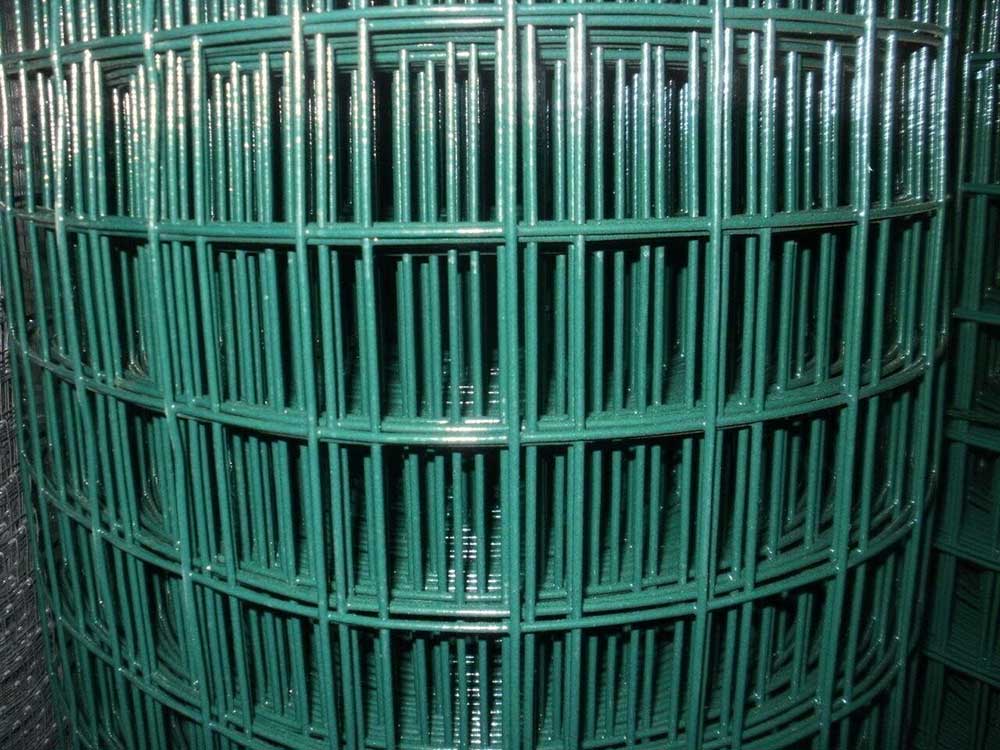
PVC Coated Welded Wire Mesh
PVC coated welded wire mesh combines a steel wire core with a polymer coating.
The coating provides an additional protective layer and allows the product to be manufactured in different colors.
Common colors include:
Black
Green
White
Dark green
Brown
Custom colors
PVC coated welded wire mesh is often used where appearance is important in addition to basic fencing or containment performance.
Typical applications include:
Residential fencing
Garden fencing
Pet enclosures
Landscaping
Animal cages
Decorative fencing
Commercial properties
Stainless Steel Welded Wire Mesh
Stainless steel welded wire mesh is designed for applications requiring higher corrosion resistance and a clean metallic appearance.
Common stainless steel grades include:
304
316
Stainless steel welded mesh can be considered for:
Food processing
Chemical environments
Architectural applications
Industrial equipment
Coastal environments
Animal facilities
Specialized fabrication
Grade selection should be based on the actual environment and corrosion requirements.

Black Welded Wire Mesh
Black welded wire mesh is manufactured from untreated or black annealed steel wire.
It is often selected for applications where the mesh will later be:
Painted
Powder coated
Fabricated
Embedded
Further processed
Because it does not have the same corrosion protection as galvanized or stainless steel mesh, it is generally more appropriate for indoor, temporary, fabrication, or subsequently treated applications.
Welded Wire Mesh Roll
Welded wire mesh rolls are one of the most flexible formats for international distribution.
The mesh is manufactured continuously and wound into rolls.
Rolls are convenient for:
Fencing
Agriculture
Garden protection
Animal enclosures
Construction
Temporary barriers
General fabrication
The roll format is especially convenient when a project requires long continuous runs.
It also makes container loading and warehouse storage relatively efficient.
Welded Wire Mesh Panel
Welded wire mesh panels are supplied as rigid flat sheets.
Compared with rolls, panels provide greater rigidity and are often easier to use for fabricated structures.
Typical applications include:
Security fencing
Machine guards
Storage cages
Warehouse partitions
Animal cages
Equipment protection
Industrial barriers
Construction applications
Welded Wire Mesh Specifications
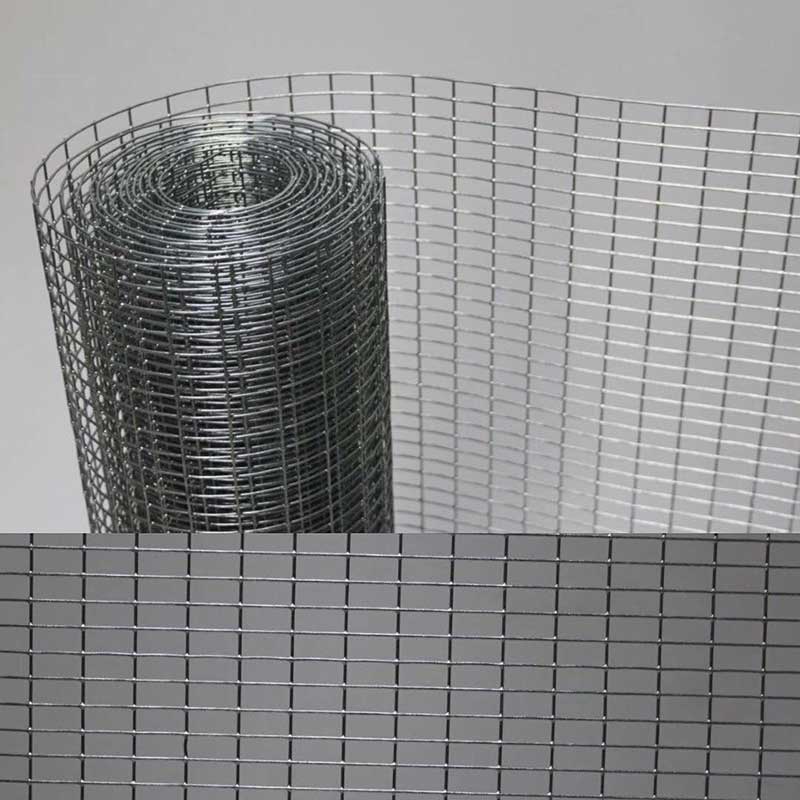
Welded wire mesh can be customized across several important dimensions.
The main specifications include:
Wire diameter
Mesh opening
Mesh width
Mesh height
Roll length
Panel dimensions
Material
Surface coating
Welding strength
A typical specification may look like:
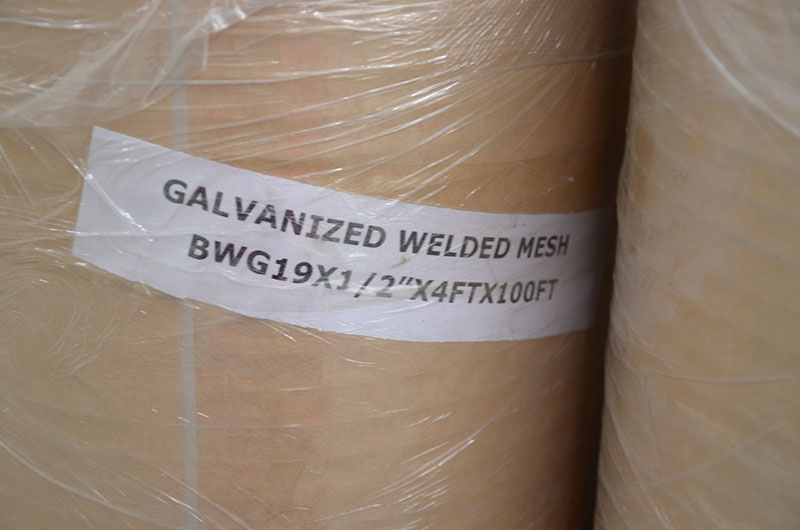
2" × 2" mesh, 10 gauge wire, galvanized steel, 5 ft × 100 ft roll
For metric markets, the same product may be specified using millimeters:
50 × 50 mm mesh, 3.4 mm wire, galvanized steel
Welded Wire Mesh Sizes
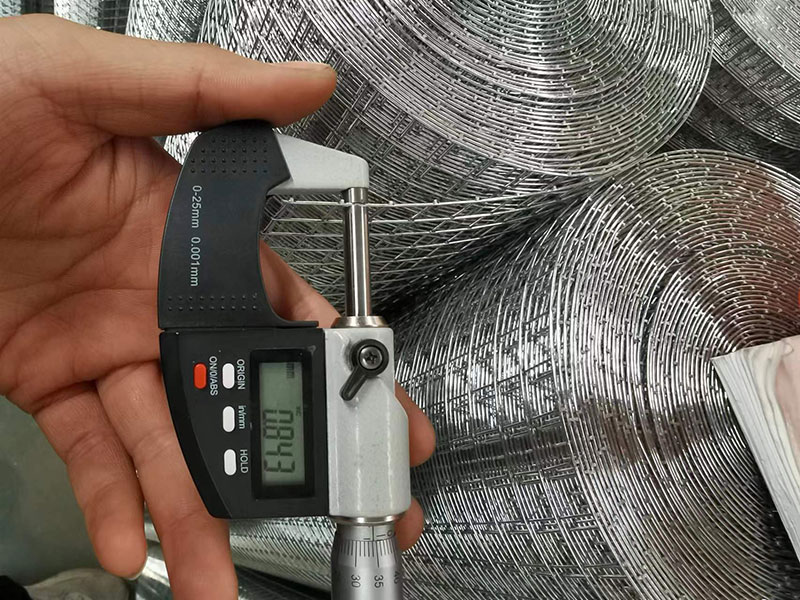
Mesh opening is the distance between adjacent wires.
Common openings include:
1/2"
1"
1-1/2"
2"
3"
4"
Metric openings may include:
6 × 6 mm
10 × 10 mm
12.5 × 12.5 mm
25 × 25 mm
50 × 50 mm
75 × 75 mm
100 × 100 mm
Custom openings can be manufactured depending on production equipment and order quantity.
Smaller openings generally create a denser barrier, while larger openings provide a more open structure and may reduce material consumption.
Welded Wire Mesh Wire Diameter
Wire diameter directly affects the weight and mechanical strength of the mesh.
Common wire diameters range from relatively light wires for small cages and garden applications to much heavier wires for industrial fencing and structural applications.
Examples include:
0.8 mm
1.0 mm
1.2 mm
1.6 mm
2.0 mm
2.5 mm
3.0 mm
3.5 mm
4.0 mm
5.0 mm
6.0 mm
The actual available range depends on the mesh opening, manufacturing machine, material, and product type.
For B2B buyers, it is important to specify the actual wire diameter in millimeters or inches, especially when comparing suppliers from different countries.
Welded Wire Mesh Roll Dimensions
Roll dimensions vary according to the market and application.
Common considerations include:
Roll width
Roll length
Wire diameter
Mesh opening
Roll weight
Outer diameter
Packaging
Typical roll widths may include:
2 ft
3 ft
4 ft
5 ft
6 ft
Larger widths can be manufactured for specific projects.
Roll lengths can also be customized depending on the wire diameter and customer requirements.
For North American buyers, dimensions should ideally be confirmed in both feet/inches and metric units when preparing an international order.
Welded Wire Mesh Applications
The versatility of welded wire mesh is one of its biggest advantages.
It can be found in residential, commercial, industrial, agricultural, construction, and infrastructure projects.
Welded Wire Mesh for Construction
Construction is one of the most important application areas.
Welded mesh can be used for:
Reinforcement
Concrete applications
Partitioning
Temporary barriers
Material storage
Site protection
Building components
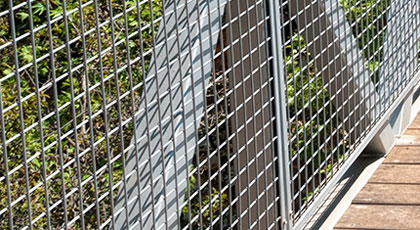
For concrete reinforcement, buyers should distinguish ordinary welded wire mesh from products specifically manufactured and specified as reinforcing mesh.
Structural reinforcement requirements should always follow the applicable engineering standards and project specifications.
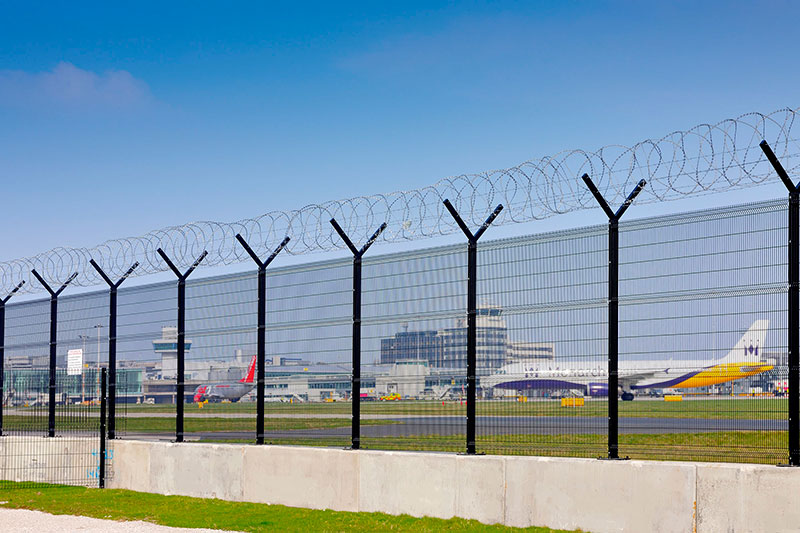
Welded Wire Mesh for Fencing
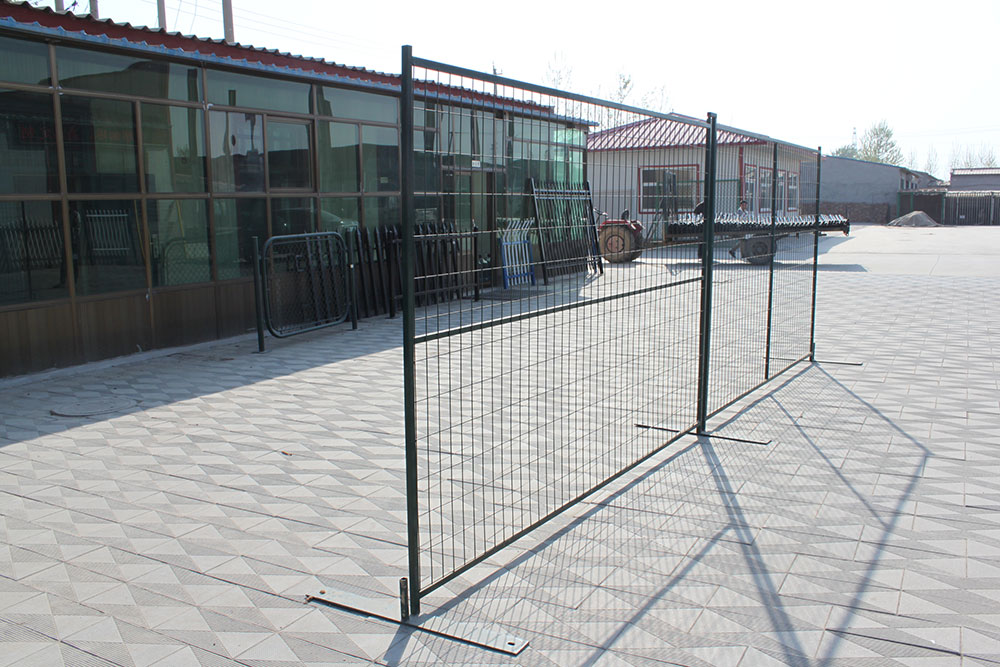
Welded wire mesh can be manufactured into fencing panels or rolls.
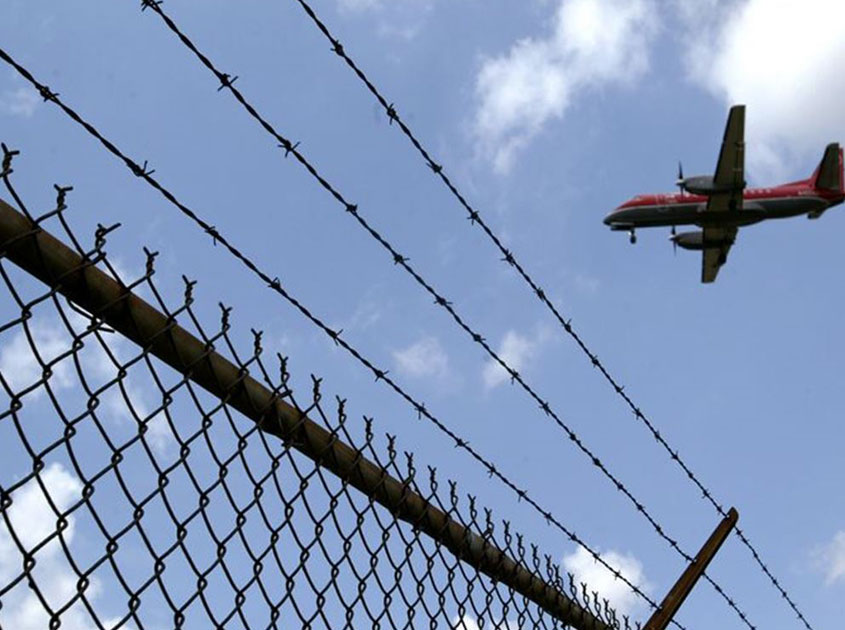
Compared with chain link fence, welded wire fence provides a rigid rectangular or square pattern.
Applications include:
Residential fencing
Garden fencing
Commercial properties
Industrial facilities
Schools
Parks
Construction sites
Animal enclosures
Welded Wire Mesh for Animal Enclosures
Welded wire mesh is widely used for animal containment because its rigid structure can create strong cages and enclosures.
Possible applications include:
Dog kennels
Rabbit cages
Chicken enclosures
Bird cages
Small livestock areas
Pet runs
Animal shelters
The correct mesh opening should be selected according to the animal's size and the required containment level.
Welded Wire Mesh for Agriculture
Agricultural applications include:
Garden protection
Crop protection
Poultry enclosures
Animal pens
Tree guards
Compost areas
Farm partitions
Equipment storage
Welded mesh is particularly useful where a rigid grid is preferred over flexible woven fencing.
Welded Wire Mesh for Gardens and Landscaping
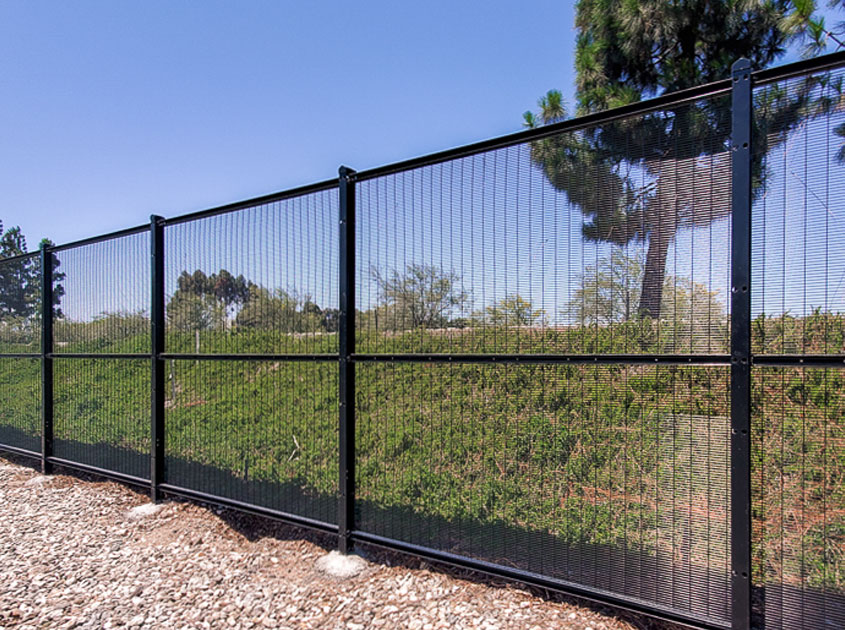
For residential landscaping, welded wire mesh can provide a clean geometric appearance.
Applications include:
Garden fencing
Plant supports
Trellises
Compost bins
Tree guards
Decorative partitions
Landscape structures
PVC-coated mesh is often attractive for landscaping because the coating can visually blend with plants and garden environments.
Welded Wire Mesh for Industrial Applications
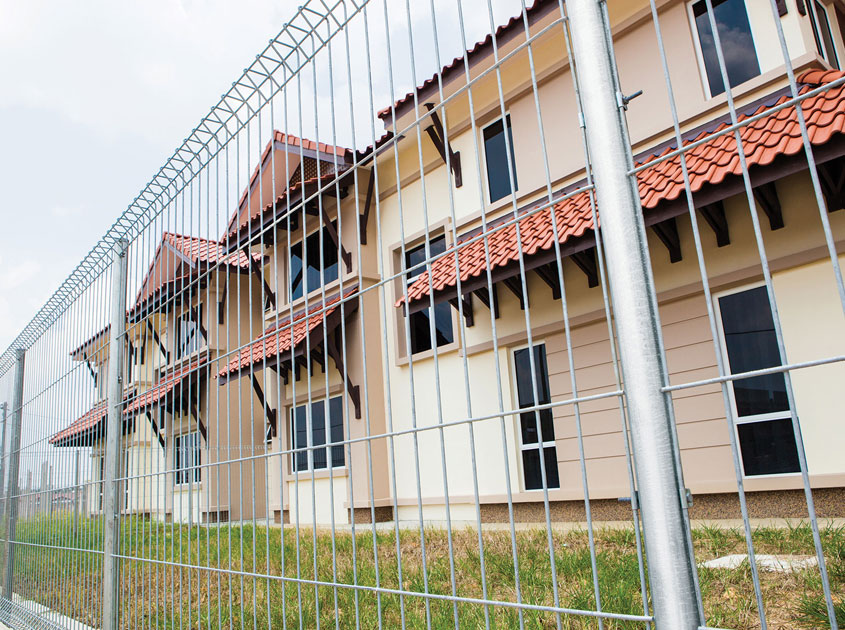
Industrial facilities often require mesh for protection rather than simple boundary fencing.
Typical applications include:
Machine guards
Equipment barriers
Safety partitions
Storage cages
Warehouse partitions
Material cages
Conveyor protection
Restricted-area barriers
Heavy-duty welded wire mesh can provide a rigid barrier while maintaining visibility.
Welded Wire Mesh Machine Guards
Machine guarding is an important application where visibility and physical separation are both required.
A welded wire mesh guard can separate workers from:
Moving machinery
Robotic equipment
Automated production lines
Conveyors
Industrial work zones
The mesh opening and wire diameter should be selected according to the machinery, required clearance, and applicable safety requirements.
Welded Wire Mesh for Warehouse Partitions
Large warehouses often need to divide space into functional areas without constructing permanent walls.
Welded wire mesh panels can be used to create:
Storage cages
Tool rooms
Security areas
Equipment rooms
Inventory partitions
Restricted-access zones
The open mesh maintains visibility while creating a physical barrier.
Welded Wire Mesh for North American Markets
The United States and Canada are important markets for welded wire mesh products.
Common applications include:
Residential
Garden fencing
Pet fencing
Backyard structures
Compost bins
Animal enclosures
Commercial
Security fencing
Warehouse partitions
Storage cages
Property boundaries
Industrial
Machine guards
Equipment barriers
Safety partitions
Industrial fencing
Construction
Reinforcement
Temporary barriers
Material storage
For American and Canadian buyers, specifications may be expressed using both inches and gauge, while metric specifications are also widely used in international procurement.
Welded Wire Mesh for Middle East Markets
Welded wire mesh is also suitable for many Middle Eastern construction, industrial, agricultural, and fencing projects.
Potential applications include:
Construction sites
Industrial facilities
Warehouses
Residential compounds
Villas
Agricultural projects
Animal enclosures
Security fencing
Temporary barriers
Infrastructure projects
For Middle Eastern projects, environmental conditions should be considered carefully.
Important factors include:
High temperatures
Strong sunlight
Dust
Humidity
Coastal salt exposure
Outdoor installation
Corrosion protection
Galvanized and appropriately coated products are common choices for outdoor applications.
Welded Wire Mesh for Coastal Environments
Coastal areas require greater attention to corrosion protection.
Potential locations include:
Florida
California
British Columbia
UAE coastal cities
Qatar
Oman
Saudi coastal areas
For these environments, buyers should consider:
Zinc coating
PVC coating
Stainless steel grade
Welding quality
Post and frame protection
Fastener material
Choosing a corrosion-resistant mesh without considering the supporting frame and fittings may leave weak points in the overall system.
Welded Wire Mesh for Residential Projects
Residential applications are generally focused on:
Gardens
Pets
Backyard fencing
Vegetable gardens
Small animal enclosures
Storage areas
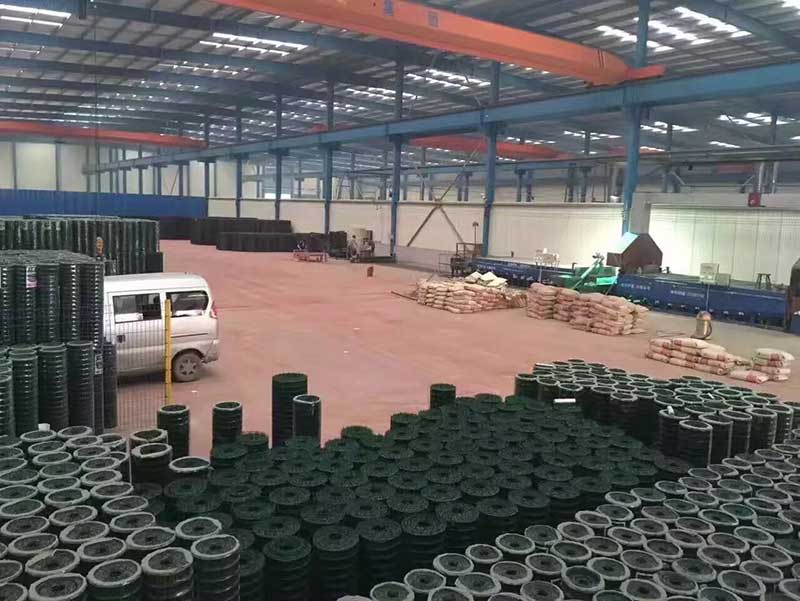
Black and green PVC-coated welded wire mesh can provide a more attractive appearance than unfinished steel.
Welded Wire Mesh for Commercial and Industrial Projects
Commercial and industrial buyers normally place greater emphasis on:
Wire diameter
Welding strength
Mesh opening
Fence height
Corrosion protection
Panel rigidity
Supporting structure
Security
For these applications, heavy-duty welded wire mesh panels may be preferable to lightweight garden mesh.
Welded Wire Mesh vs Chain Link Fence
These are two of the most important fencing products for international buyers.
Feature
Welded Wire Mesh
Chain Link Fence
Pattern Square/rectangular Diamond
Structure Rigid Flexible
Manufacturing Welded Woven
Roll Yes Yes
Panel Common Less common
Appearance Geometric Diamond
Terrain adaptation Moderate Excellent
Typical use Fencing, cages, partitions Perimeter fencing
Security Good Good
Installation Panel or roll Mainly roll + posts
Choose welded wire mesh when a rigid, clean grid is preferred.
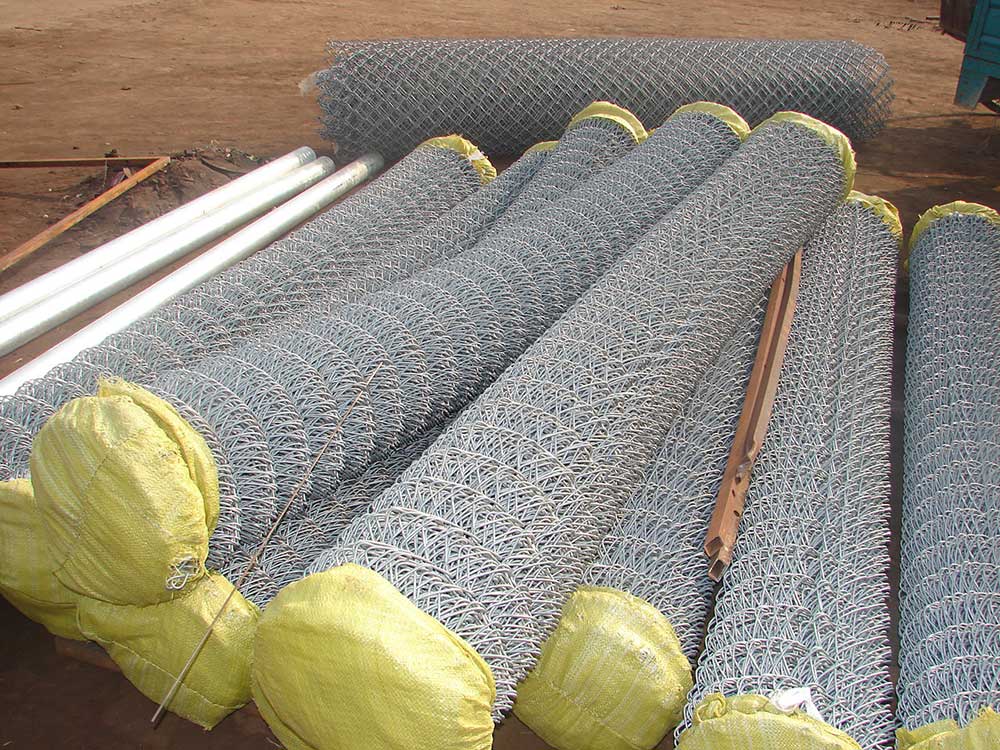
Choose chain link fencing when flexibility, long continuous runs, and easier adaptation to uneven terrain are more important.
How to Choose the Right Welded Wire Mesh
A professional buyer should evaluate at least seven factors.
1. Material
Choose:
Galvanized steel
PVC coated steel
Stainless steel
Black steel
according to the environment and application.
2. Wire Diameter
Heavier wire generally provides a stronger and more rigid mesh.
3. Mesh Opening
Smaller openings create a denser barrier.
Larger openings reduce material usage and increase openness.
4. Roll or Panel
Choose rolls for long continuous runs and flexible installation.
Choose panels when rigidity and easy fabrication are important.
5. Surface Treatment
Consider:
Galvanized
PVC coated
Powder coated
Stainless steel
6. Application
Always specify whether the product is intended for:
Fence
Animal cage
Garden
Construction
Concrete reinforcement
Machine guard
Warehouse partition
7. Project Environment
Consider:
Indoor or outdoor
Dry or humid
Coastal or inland
High temperature
Chemical exposure
Snow
Wind
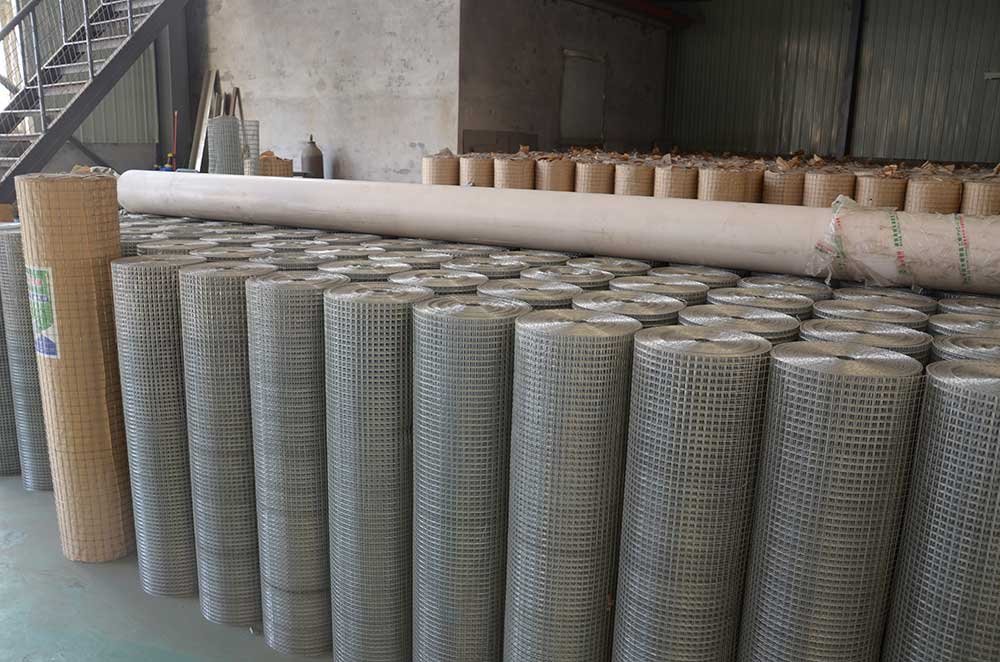
Welded Wire Mesh Specification Table
Specification
Common Options
Product Welded Wire Mesh
Material Galvanized steel, PVC coated steel, stainless steel, black steel
Wire diameter Approx. 0.8–6.0 mm
Mesh opening Approx. 6–100 mm and customized
Shape Square or rectangular
Format Roll, panel, sheet
Roll width Customized
Roll length Customized
Panel width Customized
Panel height Customized
Surface Galvanized, PVC coated, stainless steel or other finish
Color Silver, black, green, white, brown and custom
Application Fencing, construction, agriculture, cages, industrial protection
The actual specification range depends on the manufacturing equipment, material, mesh size, and customer requirements.
How to Order Welded Wire Mesh from a Manufacturer
For an accurate quotation, buyers should provide the following information:
1. Mesh opening
Example: 1" × 1" or 50 × 50 mm
2. Wire diameter
Example: 2.5 mm or 10 gauge
3. Material
Example: galvanized steel
4. Surface treatment
Example: galvanized after welding
5. Product format
Roll or panel
6. Dimensions
Example:
5 ft × 100 ft roll
or
6 ft × 10 ft panel
7. Quantity
Number of rolls, panels, or total square meters/feet
8. Color
For PVC-coated products.
9. Application
Fence, cage, construction, industrial, agricultural, etc.
10. Destination
Port, country, or delivery location.
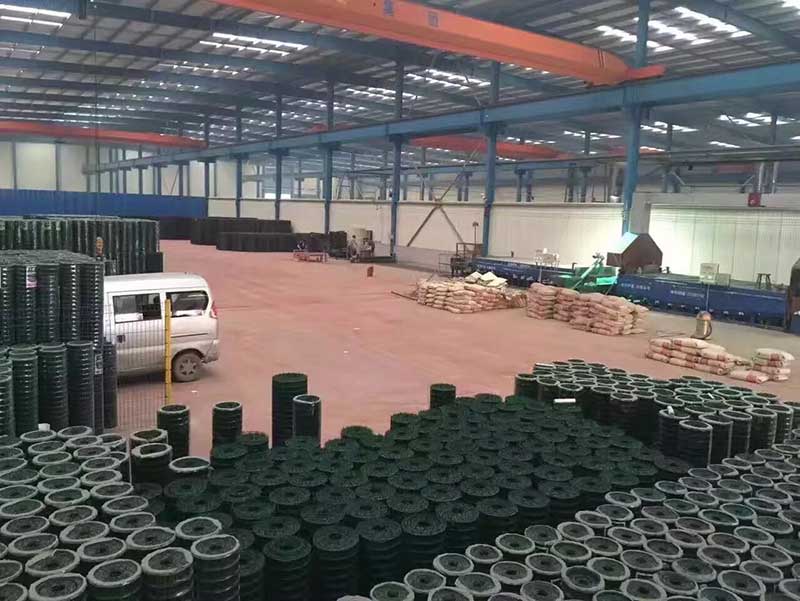
Welded Wire Mesh Packaging for Export
Welded wire mesh rolls are commonly packed using protective wrapping suitable for transportation and storage.
Panels can be:
Bundled
Palletized
Protected with steel straps
Wrapped with waterproof material
For export projects, packaging should be designed according to the shipping method and container loading requirements.
Important considerations include:
Roll weight
Bundle weight
Pallet size
Container utilization
Moisture protection
Loading and unloading
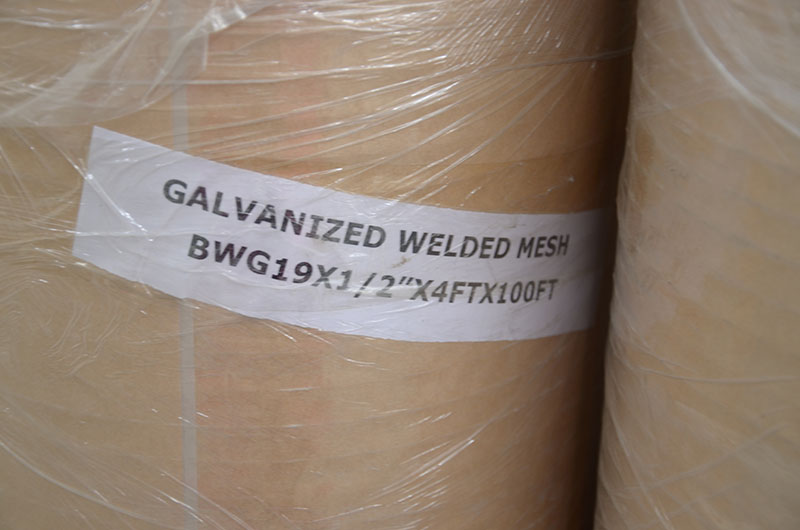
Custom Welded Wire Mesh Manufacturing
Standard welded wire mesh specifications can satisfy many applications, but larger projects may require custom production.
Manufacturers can potentially customize:
Wire diameter
Mesh opening
Roll width
Roll length
Panel dimensions
Material
Coating
Color
Edge configuration
Packaging
For large orders, buyers can provide drawings or a detailed specification sheet.
Welded Wire Mesh for Contractors and Distributors
Welded wire mesh is particularly suitable for distributors because different specifications can serve completely different customer groups.
A distributor may stock:
Light-Duty Mesh
For:
Gardens
Small animal cages
DIY projects
Plant support
Medium-Duty Mesh
For:
Residential fencing
Animal enclosures
Commercial applications
General fabrication
Heavy-Duty Mesh
For:
Industrial fencing
Machine guards
Warehouse cages
Security applications
Heavy-duty partitions
This allows distributors to build a product range around application rather than simply selling one mesh specification.
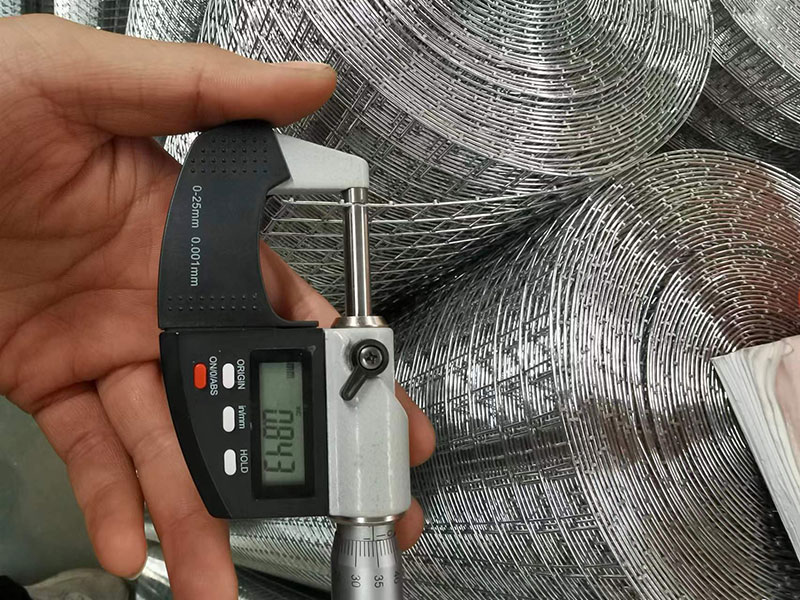
Why Buy Welded Wire Mesh Directly from a Factory?
For importers, distributors, contractors, and project buyers, direct factory sourcing can provide several advantages.
Custom Specifications
Non-standard mesh openings, wire diameters, dimensions, and coatings can be discussed directly with the manufacturer.
Bulk Pricing
Factory pricing can be more competitive for container or project quantities.
Consistent Production
Long-term buyers can establish consistent specifications for repeated orders.
Export Packaging
The manufacturer can optimize roll, bundle, and pallet packaging for international shipping.
Complete Product Range
A wire mesh manufacturer may also supply:
Welded wire fence
Chain link fence
Galvanized wire
Barbed wire
Razor wire
Fence posts
Fence accessories
This can simplify procurement for distributors and large projects.
Frequently Asked Questions
What is welded wire mesh?
Welded wire mesh is a rigid metal grid made by welding horizontal and vertical wires together at their intersections.
What is welded wire mesh used for?
It is used for fencing, animal enclosures, construction, concrete reinforcement, gardens, warehouse partitions, machine guards, security barriers, and industrial applications.
What is the difference between welded and woven wire mesh?
Welded wire mesh has welded intersections and a rigid structure, while woven wire mesh is made by interlocking wires and is generally more flexible.
Is galvanized welded wire mesh suitable for outdoor use?
Galvanized welded wire mesh is commonly used outdoors because the zinc coating provides corrosion protection. The appropriate coating level should be selected according to the environment.
What is the difference between galvanized and PVC coated welded wire mesh?
Galvanized mesh uses a zinc coating for corrosion protection. PVC-coated mesh adds a polymer coating and can provide additional environmental protection and color options.
Is welded wire mesh available in rolls?
Yes. Welded wire mesh is commonly supplied in rolls, especially for fencing, agricultural, garden, and general-purpose applications.
Is welded wire mesh available in panels?
Yes. Rigid welded wire mesh panels are widely used for industrial fencing, machine guards, warehouse partitions, cages, and other applications.
Can welded wire mesh be customized?
Yes. Mesh opening, wire diameter, dimensions, material, coating, color, roll length, panel size, and packaging can be customized according to project requirements.
Is welded wire mesh suitable for the USA and Canada?
Yes. It is widely applicable to residential, commercial, industrial, agricultural, fencing, construction, and fabrication projects. Buyers should specify dimensions and wire sizes according to the applicable project requirements.
Is welded wire mesh suitable for Middle Eastern countries?
Yes. It can be used for construction, industrial, agricultural, residential, security, and commercial projects. For outdoor and coastal applications, corrosion protection should be selected according to the local environment.
Welded Wire Mesh Manufacturer for USA, Canada and Middle East Markets
Welded wire mesh is a versatile product that can serve very different markets with relatively simple changes in material, wire diameter, mesh opening, coating, and dimensions.
For residential customers, lightweight galvanized or PVC-coated mesh may be sufficient.
For commercial and industrial projects, heavier wire, smaller openings, rigid panels, and stronger supporting structures may be required.
For agricultural applications, mesh opening and animal size are especially important.
For coastal or demanding environments, galvanized, PVC-coated, or stainless steel options should be evaluated according to the actual conditions.
For international buyers, the most important step is to define the complete specification before comparing prices.
Mesh Opening + Wire Diameter + Material + Coating + Roll/Panel + Dimensions + Quantity + Application + Destination
With these details, a manufacturer can provide a more accurate quotation and recommend the appropriate welded wire mesh for the project.
Request a Welded Wire Mesh Quote
Looking for welded wire mesh for fencing, construction, agriculture, animal enclosures, industrial protection, or a custom project?
Send us your required mesh size, wire diameter, material, coating, dimensions, quantity, and destination.
We can provide customized welded wire mesh rolls or panels for distributors, contractors, wholesalers, and project buyers.
Get a Factory-Direct Welded Wire Mesh Quote →
358 Fence vs Welded Wire Fence: Which Is Better for Your Project?
Pulished on Oct. 20, 2026
What Are the Advantages of Chain Link Fence? 8 Benefits for Commercial and Industrial Projects
Pulished on Oct. 16, 2026
How to Choose Farm Fence for Cattle and Horses: Wire, Height and Design Guide
Pulished on Sep. 23, 2026
How Is Chain Link Fence Made? Manufacturing Process and Components
Pulished on Sep. 18, 2026
358 Security Fence vs Chain Link Fence: Security, Cost and Application Comparison
Pulished on Sep. 15, 2026
Why Choose Welded Wire Fence for Security and Protection?
Pulished on Sep. 07, 2026
358 Security Fence Specifications and Applications Guide
Pulished on Aug. 27, 2026
What Is Farm Fence and What Are the Main Types?
Pulished on Aug. 26, 2026
358 Fence vs Welded Wire Fence: Which Is Better for Your Project?
Pulished on Oct. 20, 2026
What Are the Advantages of Chain Link Fence? 8 Benefits for Commercial and Industrial Projects
Pulished on Oct. 16, 2026
How to Choose Farm Fence for Cattle and Horses: Wire, Height and Design Guide
Pulished on Sep. 23, 2026
How Is Chain Link Fence Made? Manufacturing Process and Components
Pulished on Sep. 18, 2026
358 Security Fence vs Chain Link Fence: Security, Cost and Application Comparison
Pulished on Sep. 15, 2026
Why Choose Welded Wire Fence for Security and Protection?
Pulished on Sep. 07, 2026
358 Security Fence Specifications and Applications Guide
Pulished on Aug. 27, 2026
What Is Farm Fence and What Are the Main Types?
Pulished on Aug. 26, 2026