EN
EN SP
SP FR
FR
- Home
- About Us
- Products
- Service
- Project
- News
- Contact Us
Pulished on Aug. 27, 2026
358 security fence is a high-security welded wire fencing system designed to provide strong perimeter protection, difficult climbing access, and high visibility.
It is widely used around prisons, airports, military facilities, critical infrastructure, industrial sites, warehouses, utilities, commercial properties, and other high-security locations.
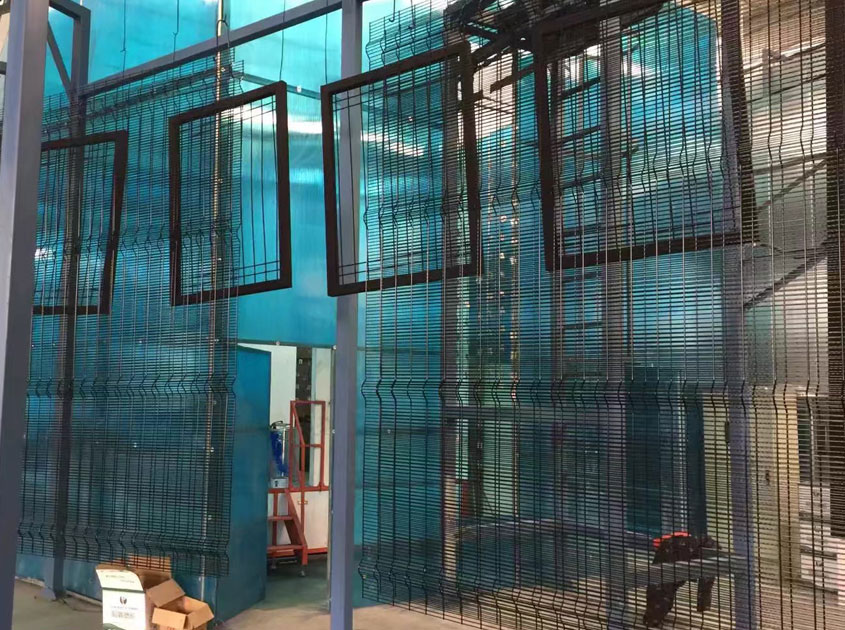
The name "358" comes from its traditional mesh opening specification:
3 inches × 0.5 inches × 8 gauge
This corresponds approximately to:
76.2 mm × 12.7 mm mesh opening with 4.0 mm wire diameter, depending on the actual manufacturing specification and wire gauge system used.
The distinctive narrow rectangular openings make 358 fencing very different from conventional chain link and standard welded wire fence.
This guide explains the structure, specifications, security features, applications, surface treatments, installation, and selection factors of 358 security fence.
What Is 358 Security Fence?
358 security fence is a rigid welded wire fence manufactured from horizontal and vertical steel wires welded together at every intersection.
The typical configuration is:
76.2 mm × 12.7 mm opening + approximately 4.0 mm wire
The openings are narrow enough to make it difficult for a person to:
Climb the fence
Put a foot through the mesh
Insert hands through the opening
Cut individual wires easily
At the same time, the relatively open mesh provides excellent visibility.
This combination of security + visibility + rigidity is one of the main reasons 358 fence is widely used for high-security applications.
Why Is It Called 358 Fence?
The term "358" refers to the traditional imperial dimensions:
3" = approximately 76.2 mm
0.5" = approximately 12.7 mm
8 gauge = traditionally associated with the wire specification
Therefore:
3" × 0.5" × 8 gauge = 358
In modern international specifications, manufacturers often describe the product as:
76.2 × 12.7 mm welded mesh
with approximately 4.0 mm wire diameter.
When purchasing, it is better to confirm the actual wire diameter and mesh opening rather than relying on the "358" name alone.
358 Security Fence Structure
A typical 358 security fence panel consists of:
Vertical wires
Horizontal wires
Welded intersections
Steel frame or posts
Fixing clips
Security fasteners
The narrow mesh opening creates a dense-looking but highly visible barrier.
Unlike chain link fence, the wires are welded together, producing a rigid panel rather than a flexible woven mesh.
Main 358 Security Fence Specifications
Mesh Opening
The traditional 358 mesh opening is:
76.2 mm × 12.7 mm
This rectangular opening is one of the defining characteristics of the system.
Some manufacturers may offer similar high-security mesh configurations with slightly different dimensions, so buyers should confirm the exact opening size.
Wire Diameter
A traditional 358 fence commonly uses approximately:
4.0 mm wire
Some manufacturers may offer variations according to project requirements.
Wire diameter has a direct effect on:
Panel weight
Rigidity
Cutting resistance
Cost
Overall fence performance
Fence Height
358 security fence can be manufactured in various heights.
Common project requirements may include approximately:
1.8 m
2.0 m
2.4 m
3.0 m
3.6 m
4.0 m
Higher customized systems
The appropriate height depends on the required security level and site conditions.
Panel Width
A common 358 fence panel width is around:
2.5 m
Other widths can be produced according to:
Site layout
Post spacing
Transportation requirements
Installation system
For large projects, panel dimensions should be coordinated with the post and fixing system.
Post Specifications
358 fence panels are generally installed using steel posts.
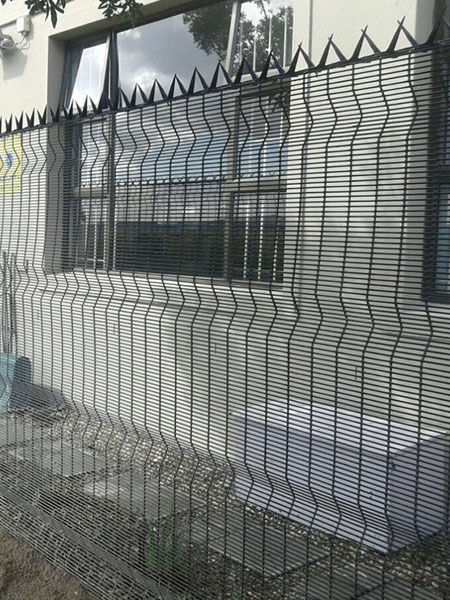
Common post types include:
Square posts
Rectangular posts
C-section posts
Specialized security fence posts
Post dimensions and wall thickness depend on:
Fence height
Wind load
Panel weight
Installation method
Project requirements
Surface Treatment
358 security fence can be supplied with different surface treatments.
Hot-Dip Galvanized
Hot-dip galvanizing provides a zinc coating that protects steel against corrosion.
It can be suitable for:
Outdoor industrial sites
Infrastructure
Agricultural facilities
General security applications
PVC or Powder Coating
The galvanized steel can also receive an additional polymer coating.
Common colors include:
Green
Black
Dark green
Grey
Green 358 fencing is especially common for outdoor sites because it blends relatively well with surrounding landscaping.
Powder coating can also provide a more attractive finished appearance.
Galvanized + Powder Coated 358 Fence
For demanding outdoor applications, a common specification is:
Steel → Galvanizing → Powder Coating
This combination provides both corrosion protection and a finished color surface.
However, buyers should confirm the coating process and relevant standards with the manufacturer.
Key Features of 358 Security Fence
1. Anti-Climb Design
The narrow 12.7 mm opening makes it extremely difficult to use the mesh as a conventional climbing ladder.
There is very little space for a person's foot or hand to obtain a secure grip.
2. Difficult to Cut
The dense mesh structure means that cutting through the fence requires cutting multiple closely spaced wires.
This makes unauthorized penetration more difficult than with many conventional wire fences.
However, no fence should be described as completely impossible to cut or breach.
3. Excellent Visibility
One of the biggest advantages of 358 fencing is that it provides security without completely blocking visibility.
Security personnel can maintain visual observation through the fence.
This makes it useful for:
Airports
Prisons
Industrial sites
Utilities
Warehouses
Critical infrastructure
4. High Rigidity
The welded structure creates a rigid panel.
Compared with flexible chain link fencing, 358 panels generally:
Hold their shape
Resist deformation
Provide a clean appearance
Require fewer intermediate structural adjustments
5. Difficult to Penetrate
The narrow openings limit the ability to insert tools or hands through the fence.
This contributes to its suitability for high-security environments.
6. Long-Term Outdoor Use
With an appropriate corrosion-protection system, 358 fence can be used outdoors for extended periods.
The actual service life depends on:
Coating quality
Environmental exposure
Coastal conditions
Industrial pollution
Installation
Maintenance
358 Security Fence Applications
1. Prisons and Correctional Facilities
358 fence is widely associated with correctional facilities.
It can be used for:
Perimeter fencing
Internal security zones
Prison boundaries
Restricted areas
The combination of anti-climb characteristics and visibility makes it suitable for high-security sites.
2. Airports
Airport perimeter security requires fencing that provides both physical protection and good visibility.
358 fencing can be used around:
Airport boundaries
Restricted operational areas
Equipment zones
Access-controlled areas
For airports, the complete perimeter security system may also include gates, intrusion detection, cameras, and other security equipment.
3. Military Facilities
Military sites may require high-security perimeter fencing around:
Bases
Storage areas
Restricted buildings
Equipment zones
358 fence can form part of a layered security system.
4. Critical Infrastructure
Applications can include:
Power stations
Water treatment plants
Telecommunications facilities
Utility sites
Energy infrastructure
These facilities often require controlled access and reliable perimeter protection.
5. Industrial Facilities
Factories and industrial sites may use 358 fencing around:
Production facilities
Warehouses
Chemical plants
Equipment areas
Restricted zones
Its visibility allows security staff to monitor the surrounding area.
6. Commercial Properties
High-value commercial sites may use 358 fencing to protect:
Distribution centers
Logistics facilities
Data centers
Storage compounds
Commercial warehouses
The rigid panel design also provides a professional appearance.
7. Railway and Transportation Infrastructure
358 fencing can be used around:
Railway facilities
Transportation depots
Maintenance yards
Restricted infrastructure
The exact design should account for local safety and infrastructure requirements.
8. Schools and Public Facilities
Higher-security versions of welded mesh fencing can also be considered for:
Schools
Government buildings
Public facilities
Restricted compounds
The appropriate fence height and design should match the site's security requirements.
358 Fence vs Chain Link Fence
This is one of the most important comparisons for buyers.
Feature
358 Security Fence
Chain Link Fence
Mesh structure Welded Woven
Opening Narrow rectangular Diamond
Rigidity Very high Moderate
Anti-climb Excellent Moderate
Visibility Excellent Excellent
Cutting resistance High Lower
Panel system Common Usually roll-based
Installation cost Higher Lower
High-security applications Excellent Limited
General perimeter fencing Excellent Excellent
For ordinary property boundaries, chain link may provide a more economical solution.
For high-security sites, 358 generally provides a substantially more rigid and difficult-to-climb barrier.
358 Fence vs Standard Welded Wire Fence
Feature
358 Security Fence
Standard Welded Fence
Mesh opening Very narrow Usually larger
Wire diameter Heavy Light to heavy
Anti-climb Excellent Depends on opening
Rigidity Very high Varies
Security High General to high
Cost Higher Lower
Typical use High-security General fencing
Visibility Excellent Excellent
The defining advantage of 358 is not simply that it is welded. It is the combination of narrow openings + strong wire + rigid panel construction.
How Is 358 Fence Installed?
A typical installation process includes:
Step 1: Site Preparation
Measure the perimeter and determine:
Fence line
Corners
Gates
Ground conditions
Changes in elevation
Step 2: Install Posts
Posts are fixed into:
Concrete foundations
Existing concrete
Specialized base plates
The foundation design depends on fence height, soil conditions, wind loading, and local engineering requirements.
Step 3: Position Panels
The 358 panels are placed between the posts.
Because the panels are rigid, accurate post spacing is important.
Step 4: Fix Panels to Posts
Panels can be attached using specialized:
Security clips
Bolts
Nuts
Anti-tamper fasteners
Security fasteners are particularly important for high-security projects.
Step 5: Install Gates
The system can incorporate:
Single gates
Double gates
Sliding gates
Vehicle gates
Pedestrian gates
Gate design should match the security level of the fence.
How to Choose the Right 358 Security Fence?
1. Determine the Required Security Level
First ask:
What are you protecting?
A warehouse storing ordinary goods may require a different system from:
A prison
Airport
Military facility
Data center
Power station
2. Select Fence Height
Higher fences can provide greater physical separation.
Common factors include:
Security requirements
Site layout
Local regulations
Budget
Ground conditions
For high-security projects, additional anti-climb or detection systems may also be considered.
3. Confirm Mesh Opening
For a genuine 358 specification, confirm:
76.2 × 12.7 mm
Do not assume that every product described as "high-security welded mesh" is actually 358 mesh.
4. Confirm Wire Diameter
A traditional specification is approximately:
4.0 mm
The actual diameter should be confirmed in the quotation and technical drawings.
5. Select the Surface Treatment
For outdoor applications, options may include:
Hot-dip galvanized
or
Galvanized + powder coated
The environment should determine the appropriate coating system.
6. Consider Posts and Accessories
A fence panel alone does not create a complete security system.
Also consider:
Posts
Clips
Security bolts
Gates
Base plates
Concrete foundations
Top protection
Intrusion detection
7. Consider Wind and Site Conditions
Tall security fences can be exposed to significant wind loads.
For taller installations, the design should consider:
Local wind speed
Fence height
Post spacing
Foundation depth
Soil conditions
Panel weight
Engineering requirements should be confirmed for the specific site.
Common Mistakes When Buying 358 Fence
Mistake 1: Buying Based Only on the Name
Some products may be marketed as "358 security fence" without providing the complete specifications.
Always confirm:
Opening + Wire Diameter + Panel Size + Coating
Mistake 2: Ignoring Post Strength
A strong panel cannot compensate for an inadequate post and foundation system.
The entire fence should be designed as one system.
Mistake 3: Comparing Price per Panel Only
A complete quotation should consider:
Panels
Posts
Fixings
Gates
Coating
Packaging
Freight
Installation
A lower panel price does not necessarily mean a lower project cost.
Mistake 4: Choosing the Wrong Coating
A coating suitable for an inland environment may not provide the same performance in a coastal or highly corrosive environment.
Mistake 5: Treating 358 Fence as a Complete Security System
358 mesh provides strong physical perimeter protection, but high-security sites may require additional systems such as:
Security gates
Cameras
Lighting
Access control
Intrusion detection
The fence is often one layer of a larger security strategy.
358 Security Fence Specification Checklist
Before requesting a quotation, provide:
Mesh
Opening: 76.2 × 12.7 mm
Wire diameter: approximately 4.0 mm
Panel
Height
Width
Number of panels
Post
Type
Size
Length
Thickness
Surface Treatment
Galvanized
Powder coated
Galvanized + powder coated
Accessories
Security clips
Anti-tamper bolts
Gates
Base plates
Project Information
Total perimeter length
Site location
Ground conditions
Required height
Application
This information allows suppliers to prepare a much more accurate quotation.
Frequently Asked Questions
Why is 358 fence called 358?
The name comes from the traditional specification of 3 inches × 0.5 inches × 8 gauge, corresponding approximately to 76.2 × 12.7 mm mesh with about 4.0 mm wire.
Is 358 fence difficult to climb?
Yes. Its narrow rectangular openings provide very little space for a person to place a foot or obtain a secure grip, making it substantially more difficult to climb than many conventional fences.
Is 358 fence stronger than chain link?
Generally, 358 fence provides a much more rigid welded structure. However, overall fence strength depends on the wire, panel construction, posts, fixing system, and foundations.
Can 358 fence be used outdoors?
Yes. It is widely used outdoors. Appropriate galvanizing and coating should be selected according to the environmental conditions.
Can 358 fence be customized?
Yes. Fence height, panel width, post dimensions, coating, gates, fixing systems, and other components can be customized for project requirements.
Is 358 fence suitable for airports?
It can be suitable for airport perimeter applications where its narrow openings, rigidity, and visibility are advantageous. Airport projects should follow the applicable local aviation security and engineering requirements.
Why Choose linkland fence 358 Security Fence?
linkland fence supplies 358 high-security welded fence systems for international contractors, fencing distributors, infrastructure projects, industrial facilities, airports, logistics sites, and other B2B applications.
Available configurations can include:
358 welded mesh panels
Security fence posts
Security fixing clips
Anti-tamper fasteners
Pedestrian gates
Vehicle gates
Galvanized finish
Powder-coated finish
Customized fence heights
A typical specification is:
76.2 × 12.7 mm opening + approximately 4.0 mm wire diameter
For project quotations, buyers can provide:
Fence Height + Panel Width + Mesh Opening + Wire Diameter + Coating + Total Length + Gate Requirements + Quantity + Destination
Conclusion
358 security fence is designed for applications where ordinary perimeter fencing is not enough.
Its key characteristics are:
Narrow Mesh Opening + Heavy Welded Wire + High Rigidity + Anti-Climb Design + Excellent Visibility
The traditional 358 specification is approximately:
76.2 × 12.7 mm mesh opening + 4.0 mm wire diameter
It is commonly used for:
Prisons + Airports + Military Facilities + Critical Infrastructure + Industrial Sites + Warehouses + High-Security Commercial Properties
When purchasing 358 fencing, look beyond the product name. Confirm the mesh opening, wire diameter, panel dimensions, coating, posts, fixing system, gates, and foundation requirements.
For a complete high-security perimeter, the fence should also be considered together with access control, surveillance, lighting, intrusion detection, and other security measures.
The right 358 fence system is therefore not simply the strongest panel available—it is the system that provides the appropriate level of security, durability, visibility, installation performance, and total project value.
How to Choose Farm Fence for Cattle and Horses: Wire, Height and Design Guide
Pulished on Sep. 23, 2026
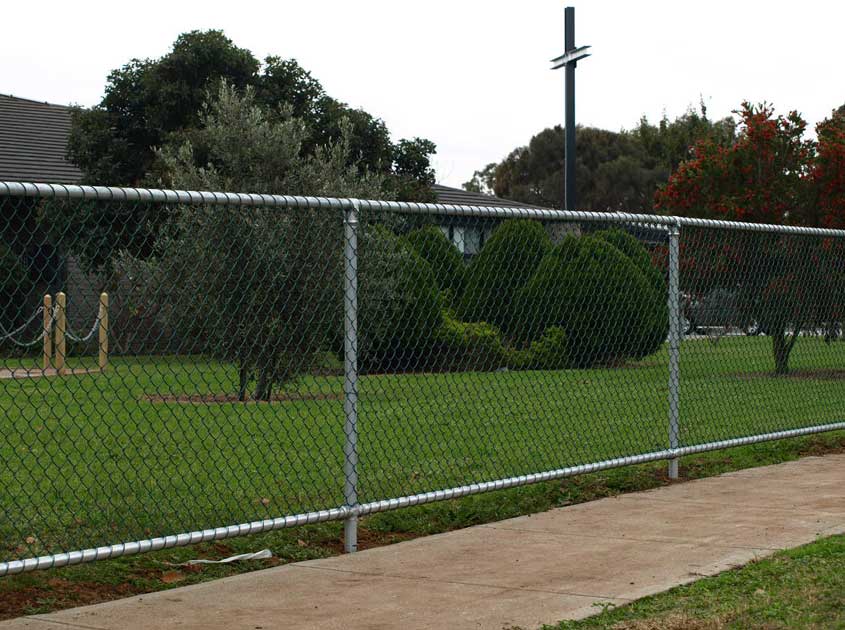
How Is Chain Link Fence Made? Manufacturing Process and Components
Pulished on Sep. 18, 2026
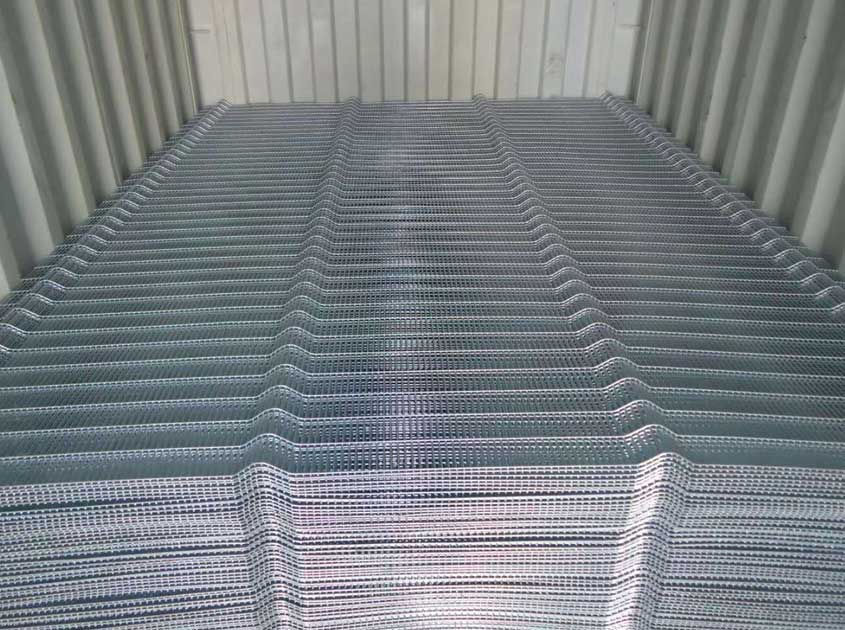
358 Security Fence vs Chain Link Fence: Security, Cost and Application Comparison
Pulished on Sep. 15, 2026
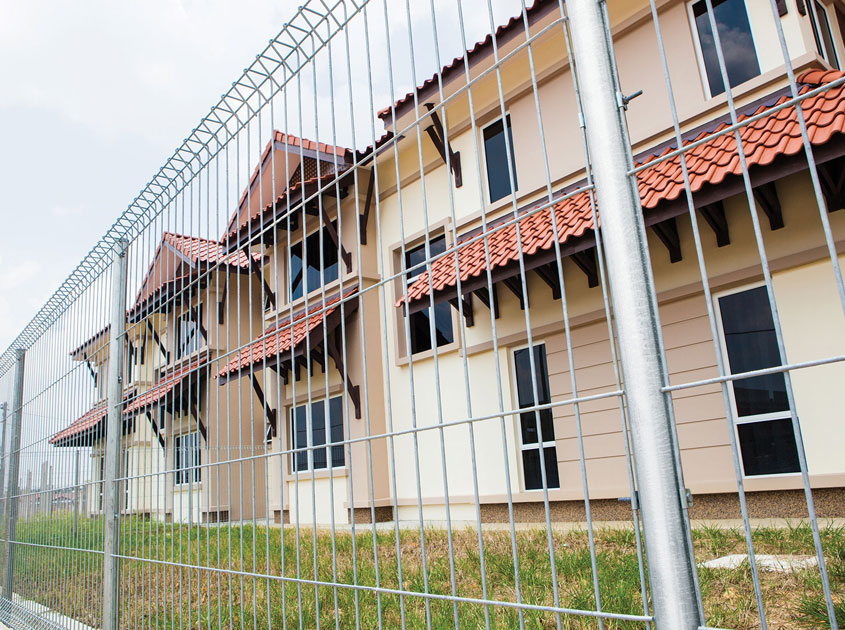
Why Choose Welded Wire Fence for Security and Protection?
Pulished on Sep. 07, 2026
358 Security Fence Specifications and Applications Guide
Pulished on Aug. 27, 2026
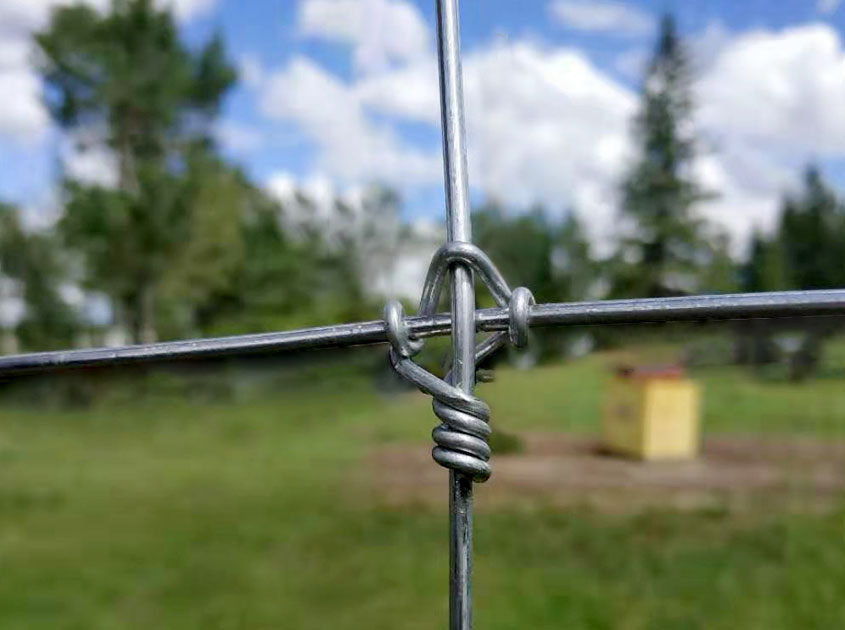
What Is Farm Fence and What Are the Main Types?
Pulished on Aug. 26, 2026
Welded Wire Fence Types, Sizes and Applications Guide
Pulished on Aug. 20, 2026
Chain Link Fence Types, Specifications and Applications Guide
Pulished on Aug. 12, 2026
How to Choose Farm Fence for Cattle and Horses: Wire, Height and Design Guide
Pulished on Sep. 23, 2026
How Is Chain Link Fence Made? Manufacturing Process and Components
Pulished on Sep. 18, 2026
358 Security Fence vs Chain Link Fence: Security, Cost and Application Comparison
Pulished on Sep. 15, 2026
Why Choose Welded Wire Fence for Security and Protection?
Pulished on Sep. 07, 2026
358 Security Fence Specifications and Applications Guide
Pulished on Aug. 27, 2026
What Is Farm Fence and What Are the Main Types?
Pulished on Aug. 26, 2026
Welded Wire Fence Types, Sizes and Applications Guide
Pulished on Aug. 20, 2026
Chain Link Fence Types, Specifications and Applications Guide
Pulished on Aug. 12, 2026