EN
EN SP
SP FR
FR
- Home
- About Us
- Products
- Service
- Project
- News
- Contact Us
Pulished on Aug. 12, 2026
Chain link fence is a versatile fencing system used for perimeter protection, property boundaries, agriculture, industrial facilities, sports grounds, construction sites, and infrastructure projects.
Although chain link fencing has a relatively simple structure, different combinations of mesh material, wire diameter, mesh opening, fence height, coating, posts, and accessories can produce very different levels of performance.
For example, a residential garden fence may use a standard PVC coated mesh with a medium wire diameter, while an industrial security fence may require thicker galvanized wire, a smaller mesh opening, taller posts, and additional security wire.
This guide covers the main types, specifications, and applications of chain link fence to help contractors, distributors, importers, and project buyers select the appropriate fencing system.
Chain link fences can be classified according to their wire material, surface treatment, construction, and application.
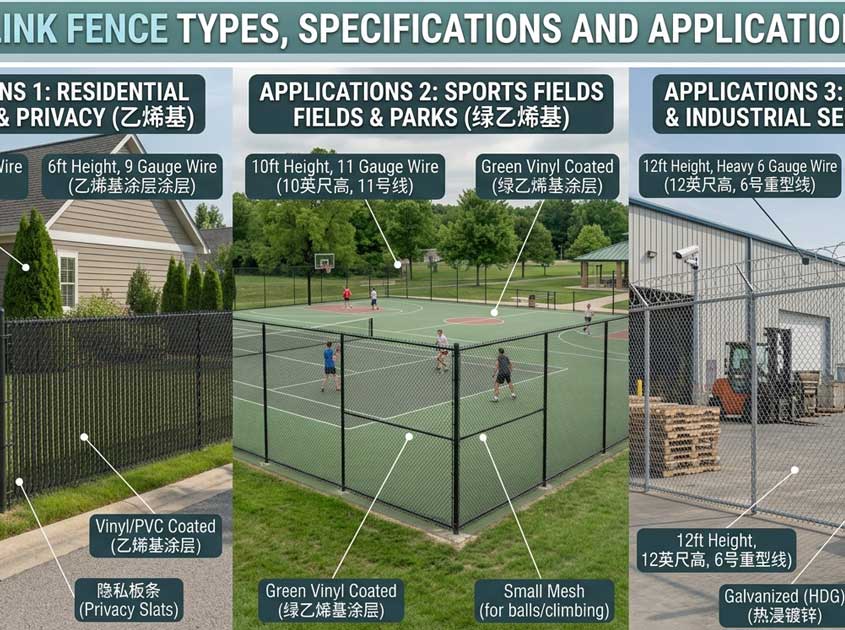
The most common types include:
Galvanized chain link fence
PVC coated chain link fence
Stainless steel chain link fence
Residential chain link fence
Commercial and industrial chain link fence
High-security chain link fence
Temporary chain link fence
The same type of chain link mesh can also be combined with different posts, gates, and security accessories to create different fencing systems.
Galvanized chain link fence is one of the most widely used fencing options.
The steel wire is coated with zinc to improve resistance against rust and corrosion.
There are two common approaches to galvanized wire:
Electro galvanized wire has a relatively thin and uniform zinc coating.
It is generally suitable for:
Indoor applications
Low-corrosion environments
Economical fencing projects
Hot dipped galvanized wire has a thicker zinc coating and is commonly selected for demanding outdoor applications.
It is suitable for:
Industrial fencing
Agricultural fencing
Construction sites
Long-term outdoor use
PVC coated chain link fence consists of steel wire with a protective PVC layer.
The steel core provides structural strength, while the PVC coating provides additional protection and improves appearance.
Common colors include:
Green
Black
Brown
PVC coated chain link fencing is commonly used for:
Residential properties
Gardens
Parks
Schools
Sports facilities
It is particularly useful when both appearance and corrosion resistance are important.
Stainless steel chain link fence is designed for environments where corrosion resistance is a major consideration.
Common grades include:
Stainless steel 304
Stainless steel 316
Typical applications include:
Coastal areas
Marine environments
Chemical facilities
Food processing facilities
Specialized industrial projects
Although stainless steel fencing generally has a higher initial cost, it can provide excellent long-term durability in aggressive environments.
Residential chain link fence is generally designed for property boundaries, gardens, backyards, and pet areas.
Typical priorities include:
Appearance
Reasonable cost
Easy installation
Basic security
PVC coated chain link mesh is often selected for residential applications because it provides a more finished appearance than standard galvanized mesh.
Typical fence heights range from approximately 1.2 m to 2.0 m, depending on local requirements and the intended use.
Commercial and industrial chain link fencing is designed for more demanding applications.
Typical locations include:
Factories
Warehouses
Logistics centers
Storage yards
Industrial parks
Commercial properties
These systems often use:
Thicker wire
Smaller mesh openings
Stronger posts
Heavier fittings
Hot dipped galvanized finishes are commonly selected for long-term outdoor applications.
High-security chain link fence uses heavier specifications and additional security components to increase resistance against intrusion.
Typical features include:
Thicker wire
Smaller mesh openings
Taller fence heights
Stronger posts
Heavy-duty fittings
Barbed wire or razor wire
It can be used around:
Critical infrastructure
Power facilities
Industrial sites
Transportation facilities
Restricted areas
The exact security configuration should be determined according to the project's security requirements and applicable regulations.
Temporary chain link fencing is designed for projects where the barrier is only required for a limited period.
Common applications include:
Construction sites
Events
Temporary storage areas
Roadwork
Temporary restricted zones
Portable systems may use temporary posts, feet, clamps, and removable panels or mesh.
The main advantages are:
Fast installation
Easy relocation
Reusability
Simple transportation
The performance of a chain link fence depends on several specifications.
The most important include:
Mesh opening
Wire diameter
Fence height
Roll length
Surface treatment
Post dimensions
Edge configuration
Accessories
Mesh opening is the distance between adjacent wires in the diamond pattern.
Common sizes include:
| Mesh Opening | Typical Application |
|---|---|
| 25 mm | High-security applications |
| 40 mm | Security and industrial fencing |
| 50 mm | General-purpose fencing |
| 60 mm | Sports and commercial fencing |
| 75 mm | Agricultural fencing |
| 100 mm | Large-area boundary fencing |
Smaller mesh openings generally provide better resistance against intrusion, while larger openings can reduce material consumption and cost.
Wire diameter is one of the most important factors affecting the strength of chain link fencing.
Common diameters include:
| Wire Diameter | Typical Application |
|---|---|
| 1.5-2.0 mm | Light-duty fencing |
| 2.5-3.0 mm | Residential and general fencing |
| 3.5-4.0 mm | Commercial and industrial fencing |
| 4.5-5.0 mm | Heavy-duty security fencing |
The actual specification should be selected according to fence height, mesh opening, application, and expected loads.
Chain link fence can be manufactured in different heights according to the project requirements.
Common heights include:
1.0 m
1.2 m
1.5 m
1.8 m
2.0 m
2.4 m
3.0 m
Higher fencing is commonly used where additional perimeter security is required.
For sports facilities, industrial sites, and high-security projects, fence heights can be increased further according to the project design.
Chain link mesh is generally supplied in rolls.
Common roll lengths include:
10 m
15 m
20 m
25 m
30 m
Custom roll lengths can also be produced depending on the manufacturer's equipment and customer requirements.
Longer rolls can reduce the number of joints during installation, while shorter rolls may be easier to handle on smaller projects.
Surface treatment has a major influence on outdoor durability.
A cost-effective option for relatively mild environments.
Provides a thicker zinc coating and better long-term corrosion resistance.
Provides an additional protective layer and improved appearance.
Provides excellent corrosion resistance for demanding environments.
The edges of chain link mesh can be manufactured in different configurations.
The most common options are:
The wire ends are folded back to create a smoother edge.
Advantages include:
Safer handling
Cleaner appearance
Suitable for residential applications
The wire ends are twisted together to create a stronger edge.
It can provide additional resistance against pulling and is often used for security-oriented fencing.
This combination uses different edge treatments on opposite sides of the mesh.
The appropriate configuration depends on:
Security requirements
Safety considerations
Local standards
Customer preference
A complete chain link fence requires more than just wire mesh.
Typical components include:
Line posts
Corner posts
End posts
Gate posts
Top rails
Tension wires
Tension bars
Brace bands
Tension bands
Post caps
Fence ties
Single swing gates
Double swing gates
Sliding gates
The dimensions and wall thickness of posts should be selected according to fence height, mesh weight, wind conditions, and project requirements.
Chain link fencing can be adapted to many environments.
Typical uses include:
Garden boundaries
Backyard fencing
Pet enclosures
Property boundaries
PVC coated fencing is often preferred when appearance is important.
Chain link fencing is suitable for:
Farms
Ranches
Poultry areas
Animal enclosures
Garden protection
Galvanized wire is commonly selected because it provides good outdoor durability at a reasonable cost.
Industrial chain link fences are used around:
Factories
Warehouses
Storage yards
Equipment areas
Logistics centers
Thicker wire and stronger supporting structures can be used for demanding applications.
Chain link fencing is commonly installed around:
Tennis courts
Football fields
Basketball courts
Playgrounds
Training facilities
Its open structure provides good visibility and airflow while maintaining a clear boundary.
Construction sites often use chain link fencing to:
Define project boundaries
Restrict unauthorized access
Protect equipment
Separate work areas
Temporary systems can be removed and reused when the project is completed.
Chain link fencing can also be used for:
Railway boundaries
Highway facilities
Airport areas
Utility facilities
Public infrastructure
For these applications, specifications should be selected according to the project's security and engineering requirements.
A simple way to select a fencing system is to match the specifications to the project requirements.
| Application | Mesh | Wire | Surface Treatment |
|---|---|---|---|
| Residential | Standard | Medium | PVC/galvanized |
| Agriculture | Medium/large | Medium | Galvanized |
| Commercial | Standard/small | Medium/heavy | Galvanized/PVC |
| Industrial | Small/standard | Heavy | Hot dipped galvanized |
| Sports | Standard | Medium | PVC/galvanized |
| High security | Small | Heavy | Hot dipped galvanized |
| Temporary | Standard | Light/medium | Galvanized |
These are general selection guidelines. The final specification should be determined by the project design and local requirements.
Before ordering, buyers should confirm five key factors:
Determine what the fence needs to protect.
Higher security normally requires smaller mesh, thicker wire, taller fencing, and stronger posts.
Consider humidity, rainfall, salt exposure, chemicals, and other corrosion factors.
Balance material cost with expected service life and maintenance requirements.
Make sure the mesh, posts, gates, fittings, and accessories are compatible.
linkland fence manufactures chain link wire mesh and fencing products for international B2B customers.
We can provide different combinations of:
Mesh openings
Wire diameters
Fence heights
Roll lengths
Galvanized finishes
PVC coatings
Fence posts
Gates
Accessories
This allows contractors, distributors, and project buyers to specify a chain link fence system according to their particular requirements.
Our manufacturing and export experience also helps customers coordinate product specifications, packaging, and international shipment requirements.
Galvanized chain link fence is one of the most widely used types because it provides a good balance of corrosion resistance, durability, and cost.
50 mm is a common general-purpose mesh opening, but the appropriate size depends on the application. Smaller openings are often selected for higher-security applications.
For general fencing, medium wire diameters such as 2.5-3.0 mm are common. Industrial and high-security applications may require thicker wire.
Neither is universally better. Galvanized mesh is a practical choice for many outdoor projects, while PVC coated mesh provides additional protection and a more decorative appearance.
Common heights range from approximately 1.0 m to 3.0 m. The appropriate height depends on the application, security requirements, and local regulations.
Yes. Manufacturers can customize mesh opening, wire diameter, height, roll length, coating, color, posts, gates, and other components according to project requirements.
Chain link fence is available in a wide range of types and specifications, allowing it to serve applications ranging from residential boundaries and farms to industrial facilities, sports grounds, construction sites, and high-security projects.
The most important specifications to consider are mesh opening, wire diameter, fence height, surface treatment, edge configuration, posts, and accessories.
Instead of choosing a fence based only on price, buyers should match the specifications to the project's security requirements, environmental conditions, expected service life, and installation method.
With the right combination of mesh and supporting components, chain link fence can provide a practical, durable, and cost-effective perimeter fencing solution.
How to Choose Farm Fence for Cattle and Horses: Wire, Height and Design Guide
Pulished on Sep. 23, 2026
How Is Chain Link Fence Made? Manufacturing Process and Components
Pulished on Sep. 18, 2026
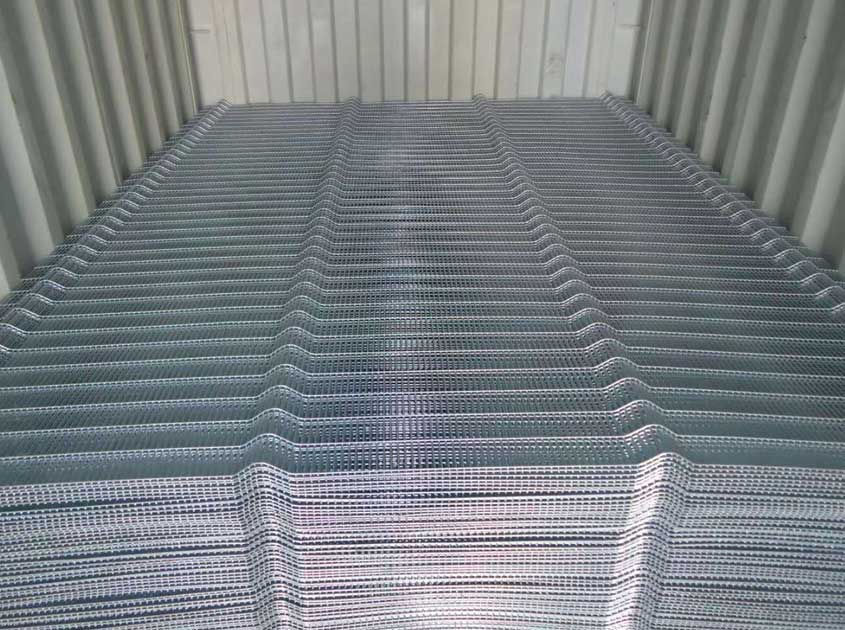
358 Security Fence vs Chain Link Fence: Security, Cost and Application Comparison
Pulished on Sep. 15, 2026
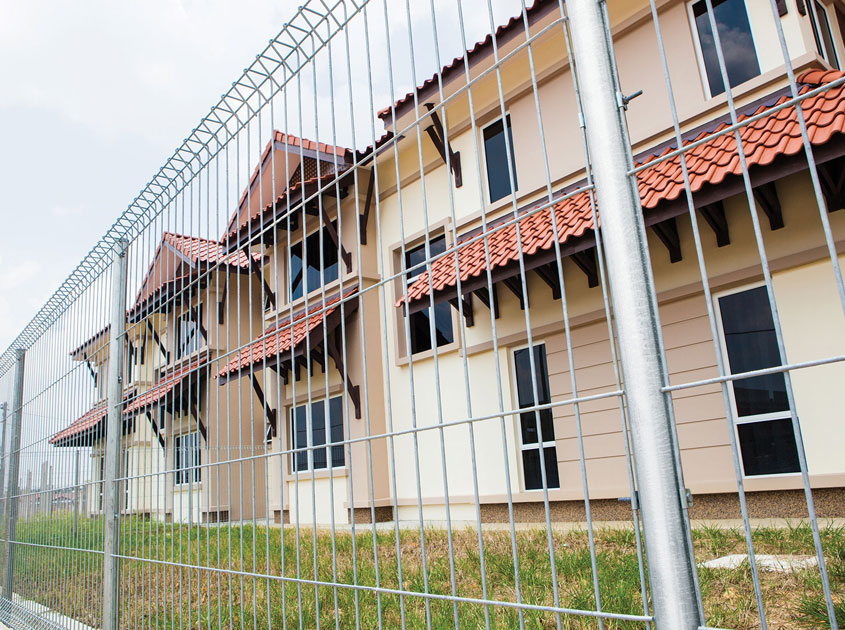
Why Choose Welded Wire Fence for Security and Protection?
Pulished on Sep. 07, 2026
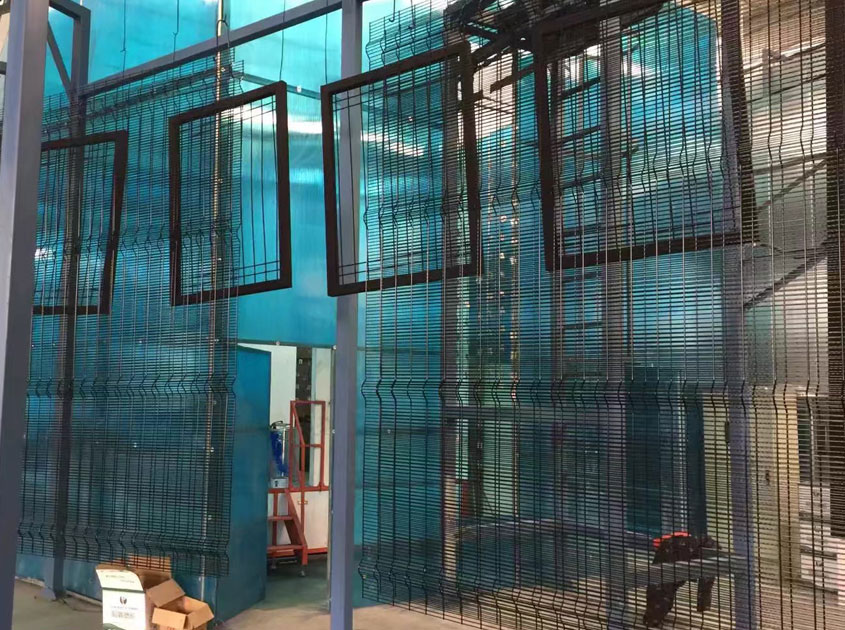
358 Security Fence Specifications and Applications Guide
Pulished on Aug. 27, 2026
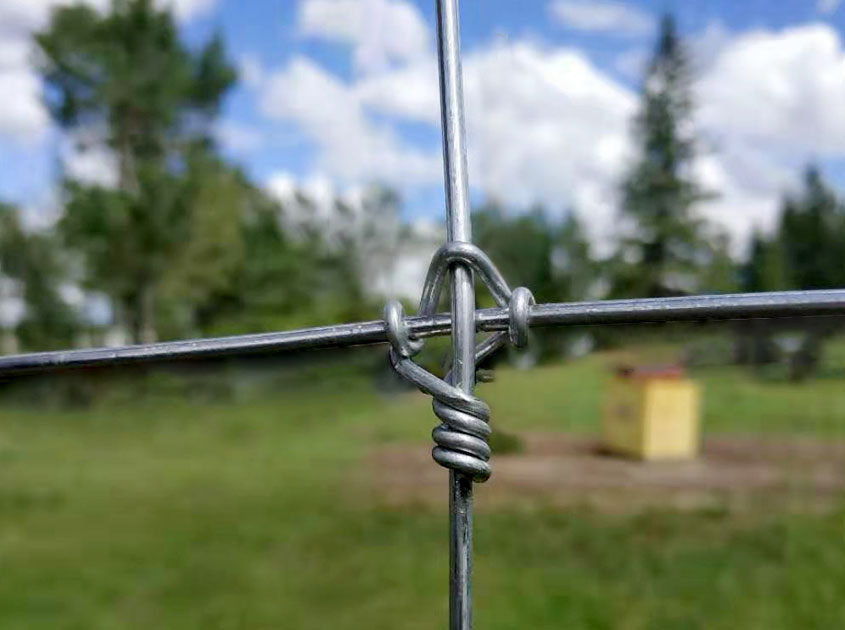
What Is Farm Fence and What Are the Main Types?
Pulished on Aug. 26, 2026
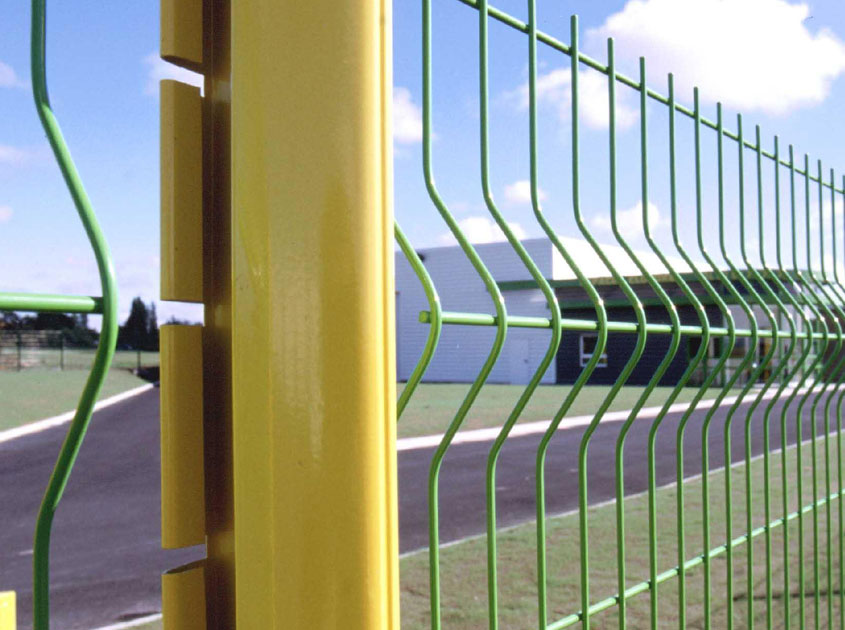
Welded Wire Fence Types, Sizes and Applications Guide
Pulished on Aug. 20, 2026
Chain Link Fence Types, Specifications and Applications Guide
Pulished on Aug. 12, 2026
How to Choose Farm Fence for Cattle and Horses: Wire, Height and Design Guide
Pulished on Sep. 23, 2026
How Is Chain Link Fence Made? Manufacturing Process and Components
Pulished on Sep. 18, 2026
358 Security Fence vs Chain Link Fence: Security, Cost and Application Comparison
Pulished on Sep. 15, 2026
Why Choose Welded Wire Fence for Security and Protection?
Pulished on Sep. 07, 2026
358 Security Fence Specifications and Applications Guide
Pulished on Aug. 27, 2026
What Is Farm Fence and What Are the Main Types?
Pulished on Aug. 26, 2026
Welded Wire Fence Types, Sizes and Applications Guide
Pulished on Aug. 20, 2026
Chain Link Fence Types, Specifications and Applications Guide
Pulished on Aug. 12, 2026