EN
EN SP
SP FR
FR
- Home
- About Us
- Products
- Service
- Project
- News
- Contact Us
Pulished on Dec. 30, 2025
As a Chinese wire mesh manufacturer, ensuring on-time delivery to the Middle East is essential for maintaining customer satisfaction, building strong business relationships, and ensuring smooth project execution. With the rapid growth of construction, industrial, and agricultural sectors in the region, timely delivery of wire mesh products is crucial to meet the demands of distributors, contractors, and project developers.

In this article, we will explore the strategies and best practices that can help manufacturers guarantee the on-time delivery of wire mesh products to the Middle East, addressing factors such as production planning, logistics management, customs clearance, and more.
1. Understand the Middle Eastern Market and Its Logistics Challenges
The Middle East is known for its dynamic construction and infrastructure projects, which often require specialized materials such as galvanized wire mesh, stainless steel mesh, and decorative wire mesh. However, delivering wire mesh to this region comes with its unique challenges:
1.1 Distance and Shipping Time
The Middle East is geographically distant from China, and depending on the destination, shipping times can range from 15 to 30 days. Sea freight is the most common and cost-effective shipping method, but it requires effective planning to avoid delays. Air freight is quicker but more expensive, so businesses must decide which option suits their specific needs.
1.2 Customs Regulations
Each Middle Eastern country has its own set of customs regulations that must be adhered to. This includes import duties, taxes, and import documentation requirements. Any delays during the customs clearance process can impact the delivery timeline.
1.3 Weather and Environmental Conditions
The Middle East experiences extreme weather conditions, including sandstorms and high humidity in coastal areas. These can impact the condition of shipments, so ensuring weather-resistant packaging and protection for wire mesh is critical.
2. Best Practices for Ensuring On-Time Delivery to the Middle East
2.1 Work with Reliable Logistics Partners
To ensure that wire mesh products are delivered on time, it is crucial to work with reliable and experienced logistics partners. These partners can help manage the shipping process and avoid unnecessary delays.
Freight Forwarders: Partnering with freight forwarders can help streamline the logistics process. They have in-depth knowledge of shipping routes, regulations, and customs clearance procedures specific to the Middle East.
Customs Brokers: To ensure smooth customs clearance, work with professional customs brokers who can manage the paperwork and ensure compliance with local import regulations.
Choose freight forwarders and customs brokers with extensive experience in handling shipments to the Middle East. This can prevent delays caused by paperwork issues, incorrect documentation, or misunderstanding of local laws.
2.2 Plan Production Timelines and Lead Times Accurately
A well-organized production schedule plays a significant role in ensuring on-time delivery. Here are key tips to help ensure that wire mesh products are produced and ready for shipment on time:
Accurate Lead Times: Estimate production and shipment lead times as accurately as possible. This includes not just manufacturing but also inspection, packaging, and potential quality control checks.
Buffer Time: Add buffer time to account for any unexpected delays in the production process, such as equipment malfunctions or raw material shortages. This buffer ensures you can meet tight deadlines.
Pre-production Planning: Plan for peak seasons when demand may spike, such as before the summer construction season in the Middle East. By forecasting demand, you can ensure you have enough production capacity to meet delivery dates.
Effective communication with your production team, ensuring they are aware of the project timeline, and having a clear understanding of customer expectations are critical for on-time delivery.
2.3 Optimize Packaging and Handling for Middle Eastern Conditions
The Middle Eastern climate can be harsh, with extreme temperatures and high humidity in coastal areas. To prevent damage during transit, it's essential to optimize packaging and handling procedures for the region’s unique conditions.
Weather-resistant Packaging: Use waterproof and UV-resistant materials for packaging wire mesh. This ensures that the products are protected from moisture, heat, and dust during transportation.
Secure Packaging: Make sure that the wire mesh is securely packaged to prevent damage during transit. Heavy-duty wooden crates or steel banding can be used to prevent bending or damage.
Labeling: Clear and accurate labeling is essential to avoid any confusion during customs inspection or when handling the goods. Make sure that each package is correctly labeled with essential information like the product name, quantity, and destination address.
Proper packaging will ensure that your wire mesh arrives in perfect condition and without delays caused by damage during transport.
2.4 Track Shipments in Real-Time
With modern shipping technology, it’s easier than ever to track the status of your shipments in real-time. By working with a logistics partner that offers shipment tracking services, you can:
Monitor progress: Stay updated on the shipment's status, including departure and arrival times, and adjust plans if delays occur.
Plan for contingencies: If delays are detected, you can take proactive measures, such as rerouting shipments or expediting customs clearance.
Using advanced tracking technology ensures that you are always in the loop and can manage any disruptions that arise.
2.5 Ensure Compliance with Local Customs and Import Regulations
Understanding and adhering to local customs regulations is essential for avoiding delays at the border. Each Middle Eastern country has its own customs procedures and tax rates, and failure to comply can lead to lengthy delays.
Documentation: Ensure that you have the correct documents for customs clearance, including commercial invoices, packing lists, certificate of origin, and export licenses. Missing or incorrect paperwork can result in delays.
Tariffs and Duties: Be aware of any import duties, taxes, and customs charges that may apply in the destination country. Ensure that your pricing includes all costs, or notify customers of additional charges they may face upon arrival.
Collaborating with a customs broker can help you navigate the complex regulations and avoid unnecessary hold-ups.
2.6 Build Strong Relationships with Local Distributors
Finally, establishing strong relationships with your Middle Eastern distributors or clients can help ensure that they are prepared for the arrival of your wire mesh products. Effective communication with your distributors ensures they:
Are prepared for arrival: Ensure they have the necessary facilities, equipment, and staff ready for unloading and distribution once the shipment arrives.
Are aware of expected delivery timelines: Keep your distributors informed of any potential delays so they can adjust their plans accordingly.
Building strong, transparent relationships will also help you receive valuable feedback to improve future shipments.
3. Conclusion
Ensuring the on-time delivery of wire mesh products to the Middle East is essential for maintaining a strong reputation and fulfilling customer expectations. By partnering with reliable logistics providers, optimizing packaging, planning production timelines, and understanding local customs regulations, you can successfully navigate the challenges of international shipping and ensure your products arrive on time.
As a trusted Chinese wire mesh manufacturer, adhering to these best practices will not only help you provide timely deliveries but also establish your brand as a reliable supplier in the competitive Middle Eastern market.
If you need more information about our shipping processes or would like to discuss how we can help with your Middle Eastern orders, feel free to contact us today.
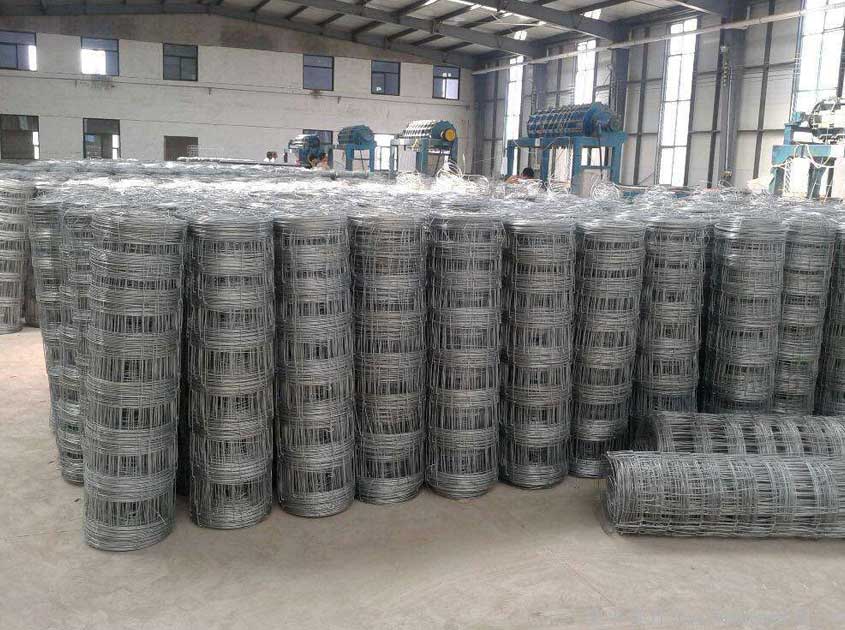
How to Choose Farm Fence for Cattle and Horses: Wire, Height and Design Guide
Pulished on Sep. 23, 2026
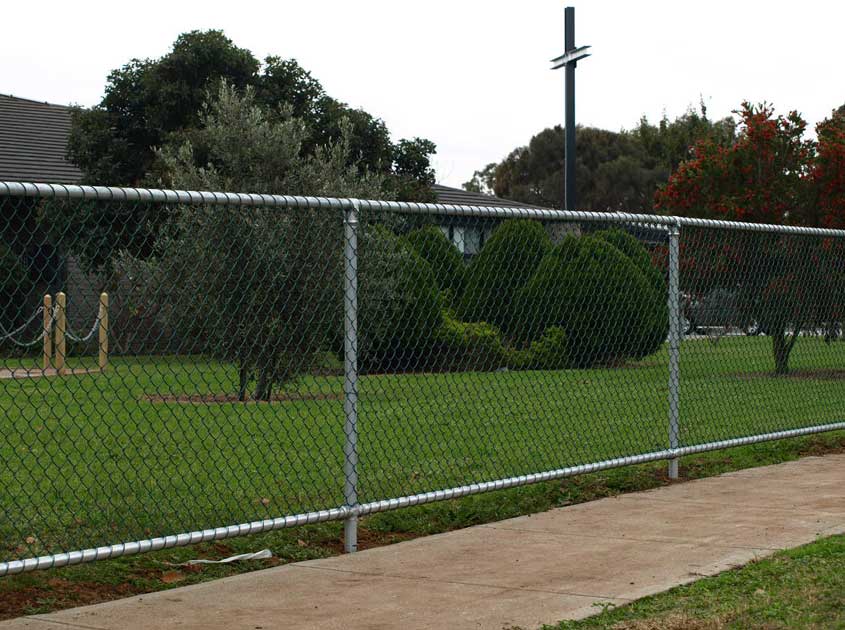
How Is Chain Link Fence Made? Manufacturing Process and Components
Pulished on Sep. 18, 2026
358 Security Fence vs Chain Link Fence: Security, Cost and Application Comparison
Pulished on Sep. 15, 2026

Why Choose Welded Wire Fence for Security and Protection?
Pulished on Sep. 07, 2026
358 Security Fence Specifications and Applications Guide
Pulished on Aug. 27, 2026
What Is Farm Fence and What Are the Main Types?
Pulished on Aug. 26, 2026
Welded Wire Fence Types, Sizes and Applications Guide
Pulished on Aug. 20, 2026
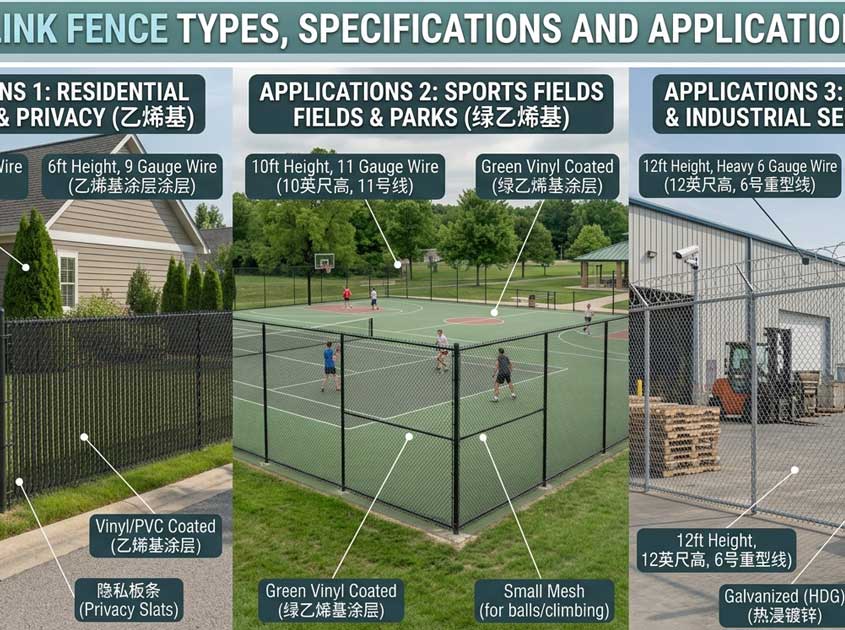
Chain Link Fence Types, Specifications and Applications Guide
Pulished on Aug. 12, 2026
How to Choose Farm Fence for Cattle and Horses: Wire, Height and Design Guide
Pulished on Sep. 23, 2026
How Is Chain Link Fence Made? Manufacturing Process and Components
Pulished on Sep. 18, 2026
358 Security Fence vs Chain Link Fence: Security, Cost and Application Comparison
Pulished on Sep. 15, 2026
Why Choose Welded Wire Fence for Security and Protection?
Pulished on Sep. 07, 2026
358 Security Fence Specifications and Applications Guide
Pulished on Aug. 27, 2026
What Is Farm Fence and What Are the Main Types?
Pulished on Aug. 26, 2026
Welded Wire Fence Types, Sizes and Applications Guide
Pulished on Aug. 20, 2026
Chain Link Fence Types, Specifications and Applications Guide
Pulished on Aug. 12, 2026