EN
EN SP
SP FR
FR
- Home
- About Us
- Products
- Service
- Project
- News
- Contact Us
Pulished on Jan. 13, 2026
When contractors, distributors, and importers search “what wire diameter is best for welded mesh?”, they are looking for a balance between strength, durability, and cost-effectiveness. Choosing the wrong wire diameter can compromise the fence’s performance, reduce its lifespan, or increase installation costs.
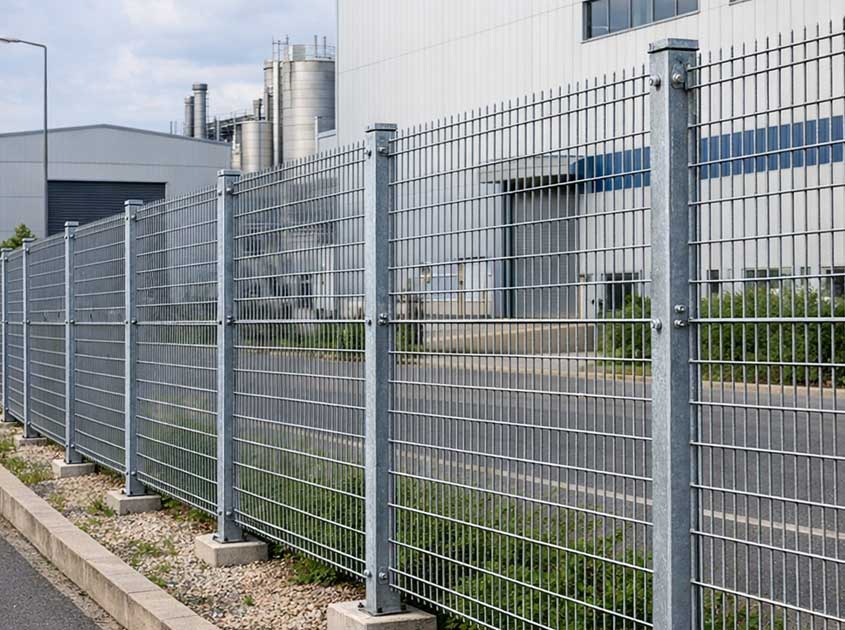
As a professional Chinese welded mesh manufacturer exporting worldwide, we often receive this question from buyers sourcing for construction, security, agricultural, and architectural projects. This guide explains how to choose the right wire diameter for your application.
1. Why Wire Diameter Matters
Wire diameter is the core factor determining strength and rigidity of welded mesh.
It directly affects:
Tensile strength and load-bearing capacity
Weld joint stability
Resistance to deformation or bending
Corrosion resistance (thicker wires last longer)
Installation and handling
Choosing a diameter that is too small compromises safety, while choosing a diameter that is too large increases material cost unnecessarily.
2. Standard Wire Diameters and Their Uses
Welded mesh comes in different wire diameters, typically ranging from 2 mm to 10 mm. Selection depends on project type:
Wire Diameter
Common Applications
Notes
2.0–3.0 mm Lightweight fencing, garden mesh, decorative use Economical but low load-bearing
3.5–4.5 mm Residential fences, small enclosures, pedestrian barriers Good balance of strength and cost
5.0–6.0 mm Industrial fences, warehouse, construction sites Higher tensile strength, suitable for heavy-duty applications
7.0–10.0 mm High-security fences, heavy concrete reinforcement, large-scale infrastructure Very strong but more expensive, requires heavy-duty installation
3. Consider Mesh Opening Size
Wire diameter and mesh opening are interdependent:
Small mesh openings with thin wires can still provide adequate strength for light-duty use.
Large mesh panels require thicker wires to maintain rigidity.
For example, a 100 × 100 mm mesh may perform well with 4 mm wire, but a 200 × 200 mm mesh requires at least 5–6 mm wire to prevent sagging or bending.
4. Material and Coating Impact
Wire diameter alone is not enough — the material and coating also influence performance:
Low carbon steel: economical, suitable for standard fencing
Stainless steel: stronger, corrosion-resistant, ideal for harsh climates
Galvanized or PVC-coated: protects against rust, especially in coastal or humid regions
Thicker wires generally offer better corrosion resistance because more material is available to withstand wear or coating damage.
5. Load-Bearing Requirements
For construction or concrete reinforcement, wire diameter is chosen based on load calculations:
Light slabs: 4 mm
Medium residential floors: 5 mm
Heavy industrial or highway applications: 6 mm or more
Consulting an engineer ensures safety without overpaying for material.
6. Installation and Handling
Thicker wires provide strength but are heavier:
Easier to maintain shape after transport
Harder to cut and bend on-site
Higher labor requirement
Choosing the correct diameter balances durability and installation efficiency.
7. Cost vs Performance
Price increases with wire diameter because:
More steel is used per square meter
Heavier coatings increase material cost
Professional buyers calculate the total cost, including:
Purchase price
Transportation
Installation labor
Expected service life
A slightly higher initial investment in wire diameter often reduces long-term maintenance costs.
8. Why Buyers Choose Certified Chinese Manufacturers
Leading Chinese welded mesh manufacturers offer:
Full range of wire diameters (2–10 mm)
Custom panel sizes and mesh openings
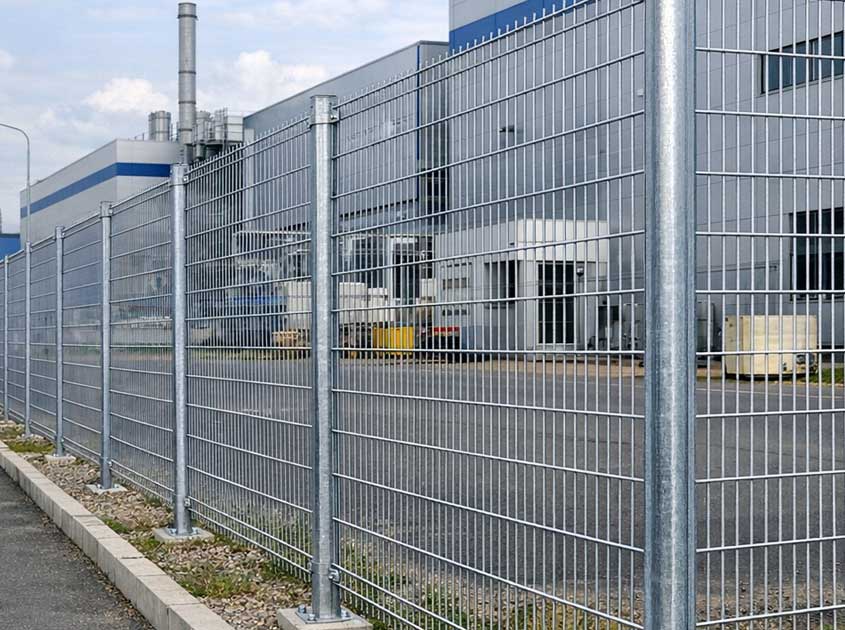
Galvanized, stainless steel, or PVC-coated options
ISO, ASTM, and EN standard compliance
Export-ready packaging for global shipping
Working with certified factories ensures that wire diameter, mesh quality, and coating meet both technical requirements and international standards.
Final Conclusion
The best wire diameter for welded mesh depends on:
Project type (residential, industrial, security)
Mesh opening and panel size
Load-bearing requirements
Material and coating
Cost considerations
For light fencing: 2–3 mm
For standard residential/industrial fencing: 3.5–5 mm
For heavy-duty/high-security projects: 6 mm and above
Choosing the right wire diameter ensures long-term strength, safety, and value. Professional Chinese manufacturers can provide expert guidance, custom specifications, and high-quality welded mesh for your global projects.
Why Choose Welded Wire Fence for Security and Protection?
Pulished on Sep. 07, 2026
358 Security Fence Specifications and Applications Guide
Pulished on Aug. 27, 2026
What Is Farm Fence and What Are the Main Types?
Pulished on Aug. 26, 2026
Welded Wire Fence Types, Sizes and Applications Guide
Pulished on Aug. 20, 2026
Chain Link Fence Types, Specifications and Applications Guide
Pulished on Aug. 12, 2026
How Much Does 358 Security Fence Cost? Complete Price Guide for International Buyers
Pulished on Jul. 22, 2026
358 Security Fence vs Chain Link Fence: Which One Is Better for High Security Projects?
Pulished on Jul. 22, 2026

Anti-Climb 358 Mesh Fence Supplier for Prisons and Airports
Pulished on Jul. 22, 2026
Why Choose Welded Wire Fence for Security and Protection?
Pulished on Sep. 07, 2026
358 Security Fence Specifications and Applications Guide
Pulished on Aug. 27, 2026
What Is Farm Fence and What Are the Main Types?
Pulished on Aug. 26, 2026
Welded Wire Fence Types, Sizes and Applications Guide
Pulished on Aug. 20, 2026
Chain Link Fence Types, Specifications and Applications Guide
Pulished on Aug. 12, 2026
How Much Does 358 Security Fence Cost? Complete Price Guide for International Buyers
Pulished on Jul. 22, 2026
358 Security Fence vs Chain Link Fence: Which One Is Better for High Security Projects?
Pulished on Jul. 22, 2026
Anti-Climb 358 Mesh Fence Supplier for Prisons and Airports
Pulished on Jul. 22, 2026