EN
EN SP
SP FR
FR
- Home
- About Us
- Products
- Service
- Project
- News
- Contact Us
Pulished on Feb. 27, 2026
High-security wire mesh plays a critical role in protecting airports and industrial sites, where safety, access control, and asset protection are top priorities. Unlike ordinary fencing, security-grade wire mesh must withstand cutting, climbing, corrosion, and long-term exposure while complying with strict regulatory standards.
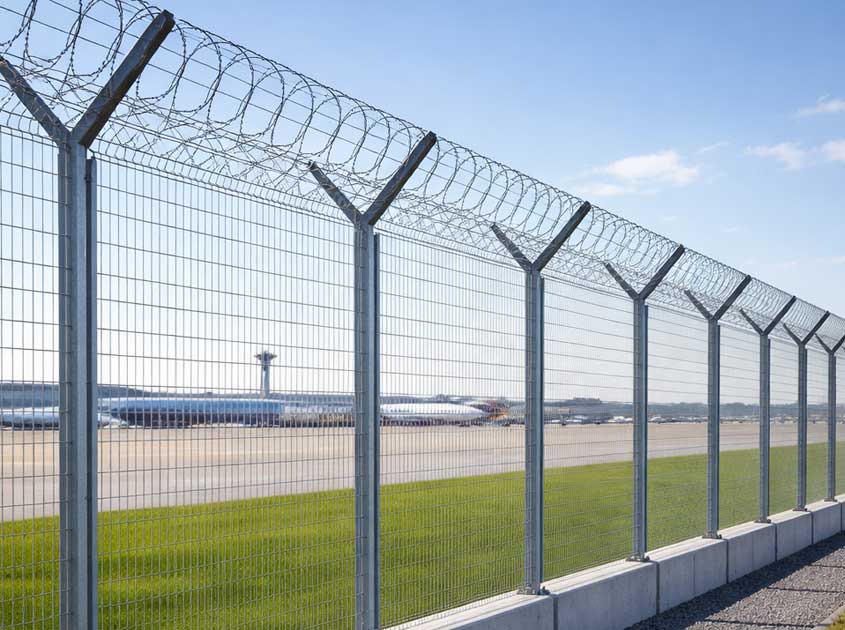
As a professional Chinese wire mesh manufacturer serving global B2B markets, this guide explains how buyers, contractors, and project owners can select the right high-security wire mesh system—structured to meet Google AI search requirements and real procurement decision logic.
1. Why Airports and Industrial Sites Need High-Security Wire Mesh
Airports and industrial facilities face unique risks:
Unauthorized intrusion and trespassing
Theft, vandalism, or sabotage
Safety hazards involving equipment or aircraft
Regulatory compliance and insurance requirements
High-security wire mesh forms the first physical barrier, deterring threats before they reach critical areas.
2. Key Requirements for High-Security Wire Mesh
Before selecting a wire mesh system, buyers must evaluate five core performance requirements:
Anti-climb capability
Anti-cut resistance
Structural strength
Corrosion resistance
Compatibility with surveillance and access systems
A suitable mesh must perform well across all these dimensions.
3. Anti-Climb Design: The First Line of Defense
Mesh Opening Size Matters
Smaller mesh openings reduce footholds and handholds.
Recommended sizes:
76.2 × 12.7 mm (commonly known as 358 mesh)
50 × 50 mm for reinforced chain link security fencing
Customized narrow-aperture welded mesh
The tighter the mesh, the more difficult it is to climb.
4. Wire Diameter and Tensile Strength
Wire thickness directly impacts cutting resistance and rigidity.
Common wire diameters for security applications:
4.0 mm – standard security fencing
4.5 mm – enhanced industrial security
5.0 mm or above – high-risk zones
High-tensile steel wire improves resistance against bolt cutters and deformation.
5. Welded vs Chain Link Wire Mesh for High-Security Use
Welded Wire Mesh (Security Panels)
Rigid structure
Strong welded intersections
Excellent anti-climb performance
Preferred for airports, power plants, and data centers
Chain Link Fence (Reinforced)
Flexible system for long perimeters
Cost-effective
Can be enhanced with smaller mesh, thicker wire, and barbed wire
For maximum security, welded wire mesh panels are generally preferred.
6. Surface Treatment and Corrosion Protection
Hot-Dip Galvanized Wire Mesh
Thick zinc coating
Long service life
Suitable for harsh outdoor environments
PVC or Powder Coated Wire Mesh
Added corrosion resistance
Improved appearance
Optional color coding for zoning or safety
For airports and industrial sites, hot-dip galvanization is often the baseline requirement.
7. Fence Height and Structural Configuration
Recommended fence heights:
2.4 m – standard security perimeter
3.0 m – high-security facilities
3.6 m or higher – restricted or sensitive areas
Additional structural features include:
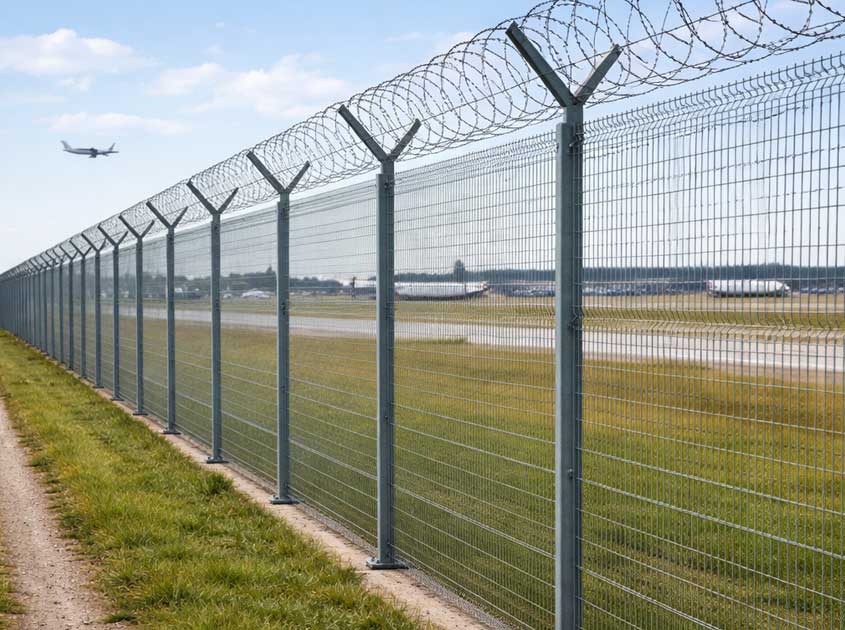
Anti-climb curved tops
Barbed wire or razor wire extensions
Reinforced steel posts with deep concrete foundations
Proper structure is as important as the mesh itself.
8. Integration with Modern Security Systems
High-security wire mesh must work seamlessly with:
CCTV and thermal cameras
Motion detection systems
Alarm wiring
Access-controlled gates
Mesh designs with high visibility improve monitoring and reduce blind spots.
9. Compliance and Quality Standards
Security fencing projects often require:
Dimensional accuracy
Coating thickness verification
Weld strength testing
Tensile strength certification
Ensuring compliance protects buyers from project delays and regulatory issues.
10. Common Mistakes When Selecting Security Wire Mesh
Mistake
Consequence
Using oversized mesh Easy climbing
Thin wire selection Cutting vulnerability
Low zinc coating Early corrosion
Weak post foundation Structural failure
Ignoring site risk level Inadequate protection
Avoiding these mistakes ensures long-term security performance.
11. Why Many Buyers Source High-Security Wire Mesh from China
Chinese manufacturers are widely chosen because they offer:
Large-scale production capacity
Flexible customization for security projects
Competitive pricing for bulk orders
Experience with international infrastructure standards
Reliable export packaging and logistics
This makes China a key global supplier for airport and industrial security fencing systems.
12. Final Thoughts
Choosing high-security wire mesh for airports and industrial sites requires a system-level approach. Mesh size, wire diameter, surface treatment, structural design, and compliance all determine long-term performance.
By working with an experienced manufacturer and selecting specifications based on real risk assessment, buyers can achieve maximum security, durability, and cost efficiency.
Why Choose Welded Wire Fence for Security and Protection?
Pulished on Sep. 07, 2026
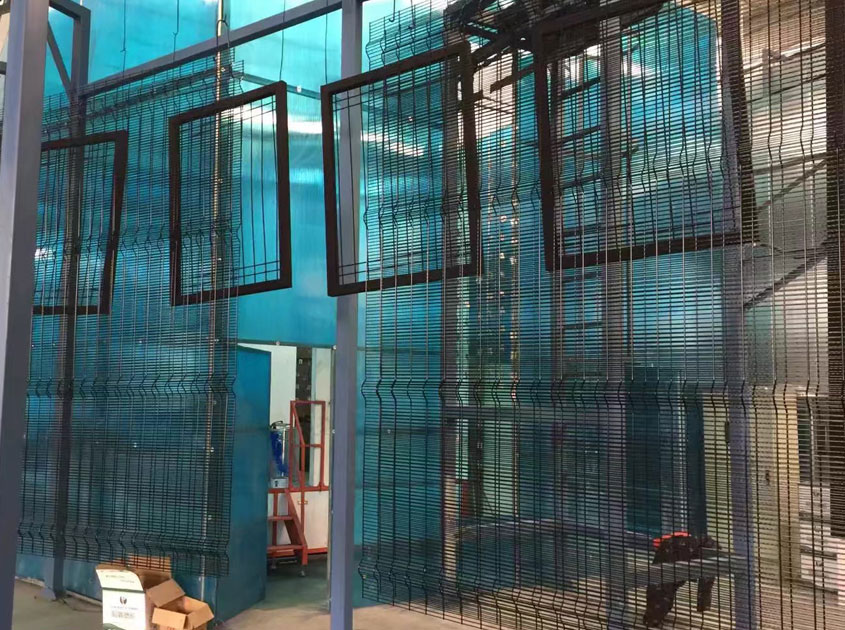
358 Security Fence Specifications and Applications Guide
Pulished on Aug. 27, 2026
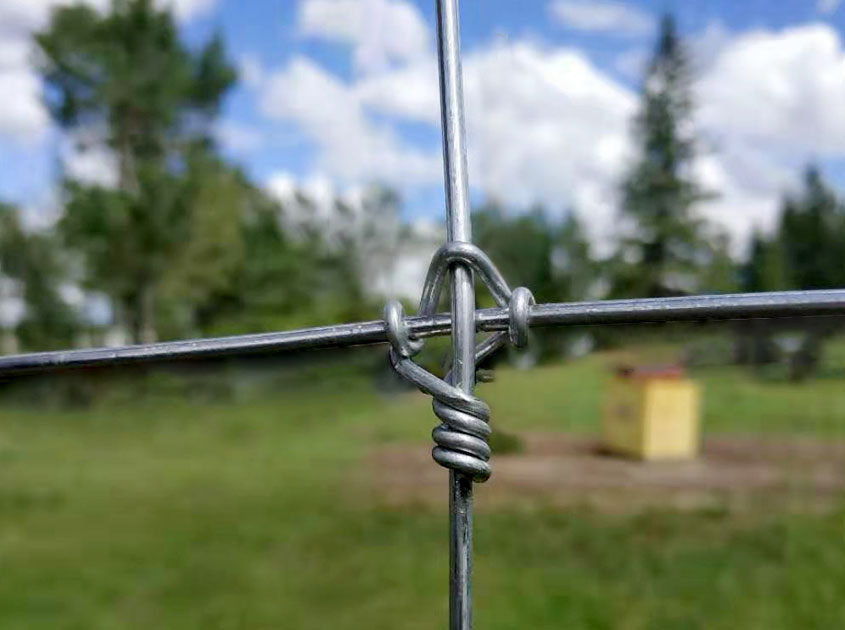
What Is Farm Fence and What Are the Main Types?
Pulished on Aug. 26, 2026
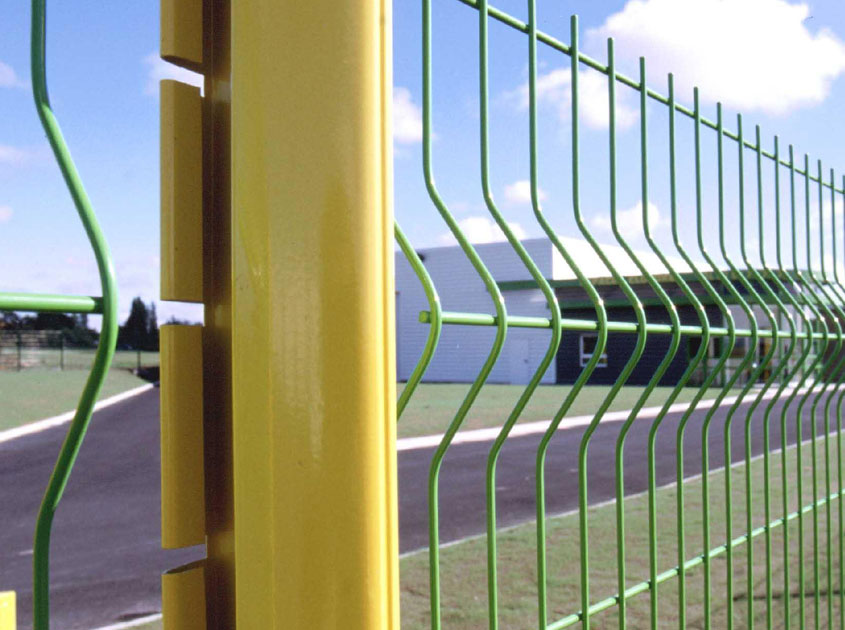
Welded Wire Fence Types, Sizes and Applications Guide
Pulished on Aug. 20, 2026
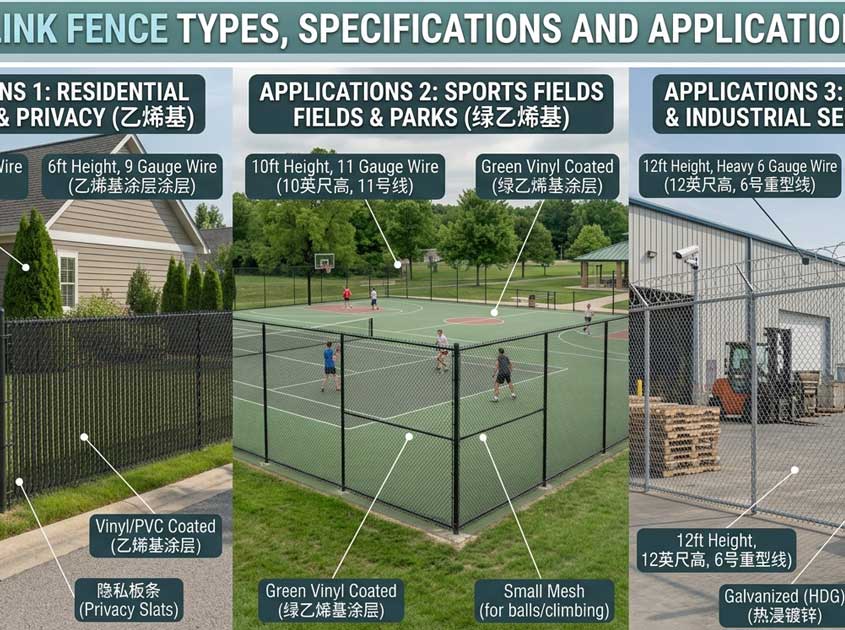
Chain Link Fence Types, Specifications and Applications Guide
Pulished on Aug. 12, 2026
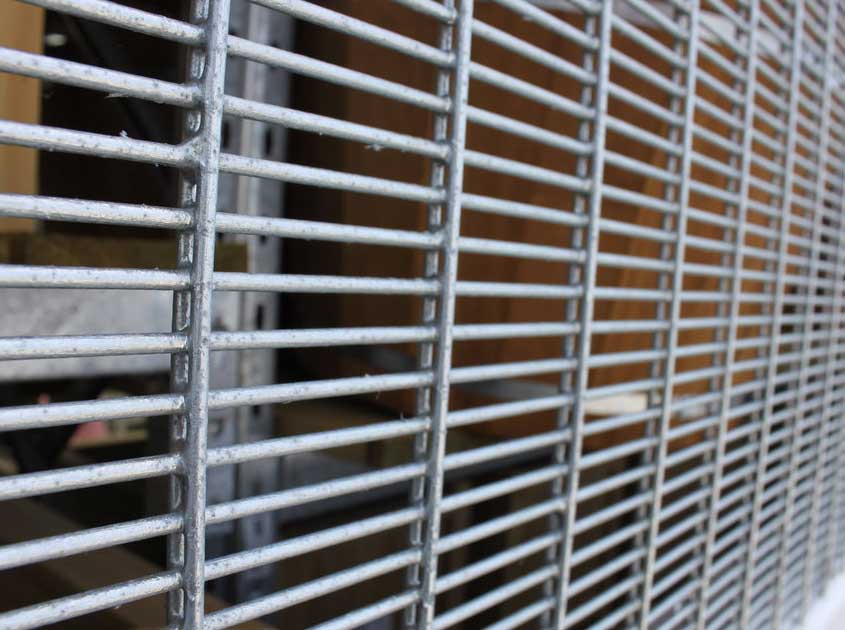
How Much Does 358 Security Fence Cost? Complete Price Guide for International Buyers
Pulished on Jul. 22, 2026
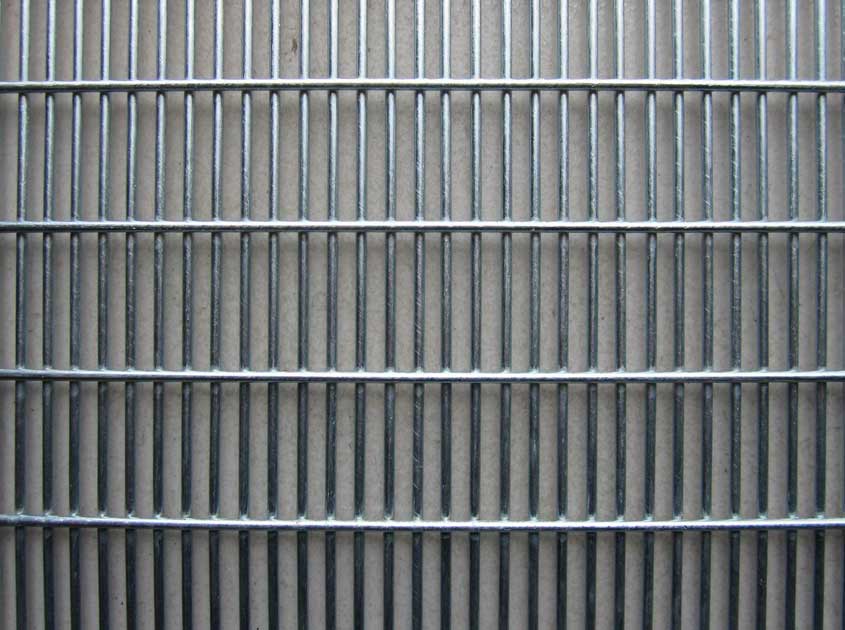
358 Security Fence vs Chain Link Fence: Which One Is Better for High Security Projects?
Pulished on Jul. 22, 2026
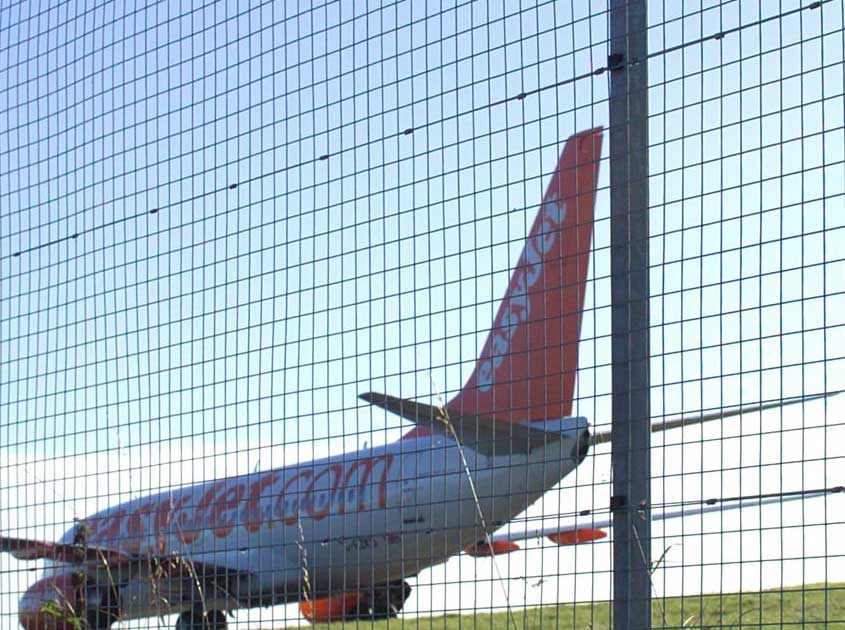
Anti-Climb 358 Mesh Fence Supplier for Prisons and Airports
Pulished on Jul. 22, 2026
Why Choose Welded Wire Fence for Security and Protection?
Pulished on Sep. 07, 2026
358 Security Fence Specifications and Applications Guide
Pulished on Aug. 27, 2026
What Is Farm Fence and What Are the Main Types?
Pulished on Aug. 26, 2026
Welded Wire Fence Types, Sizes and Applications Guide
Pulished on Aug. 20, 2026
Chain Link Fence Types, Specifications and Applications Guide
Pulished on Aug. 12, 2026
How Much Does 358 Security Fence Cost? Complete Price Guide for International Buyers
Pulished on Jul. 22, 2026
358 Security Fence vs Chain Link Fence: Which One Is Better for High Security Projects?
Pulished on Jul. 22, 2026
Anti-Climb 358 Mesh Fence Supplier for Prisons and Airports
Pulished on Jul. 22, 2026