EN
EN SP
SP FR
FR
- Home
- About Us
- Products
- Service
- Project
- News
- Contact Us
Pulished on Feb. 25, 2026
Welded wire mesh fences are widely used across industries due to their durability, versatility, and ease of installation. Whether for industrial facilities, factories, warehouses, or agricultural farms, choosing the right type of welded wire mesh is crucial for ensuring long-term performance, safety, and cost-effectiveness. For buyers importing from China, understanding the differences between industrial and agricultural applications will help select the most suitable fencing solution.
1. Understanding Welded Wire Mesh Fences
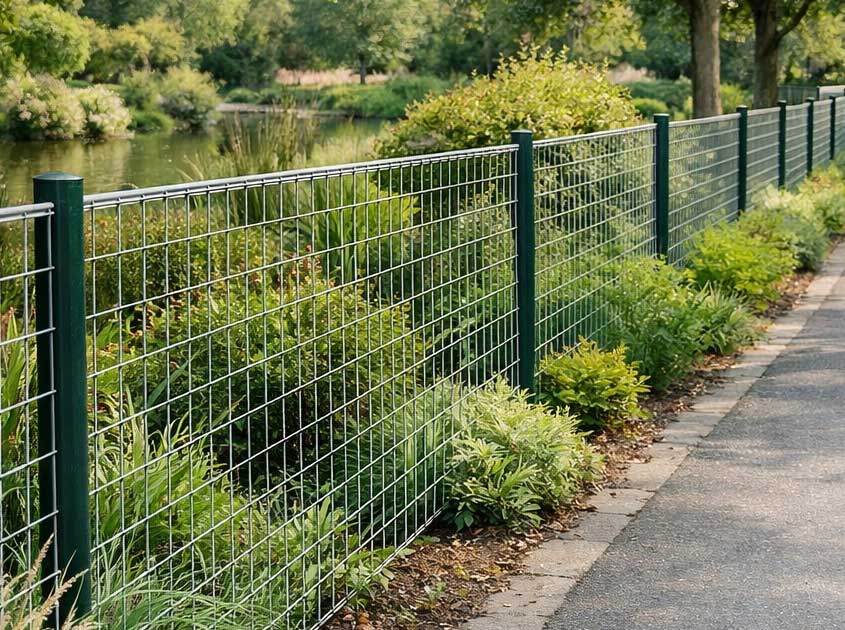
Welded wire mesh fences are made from intersecting metal wires welded at junctions to create rigid panels. These fences are commonly made from:
Galvanized Steel Wire: Offers rust resistance, widely used in outdoor environments.
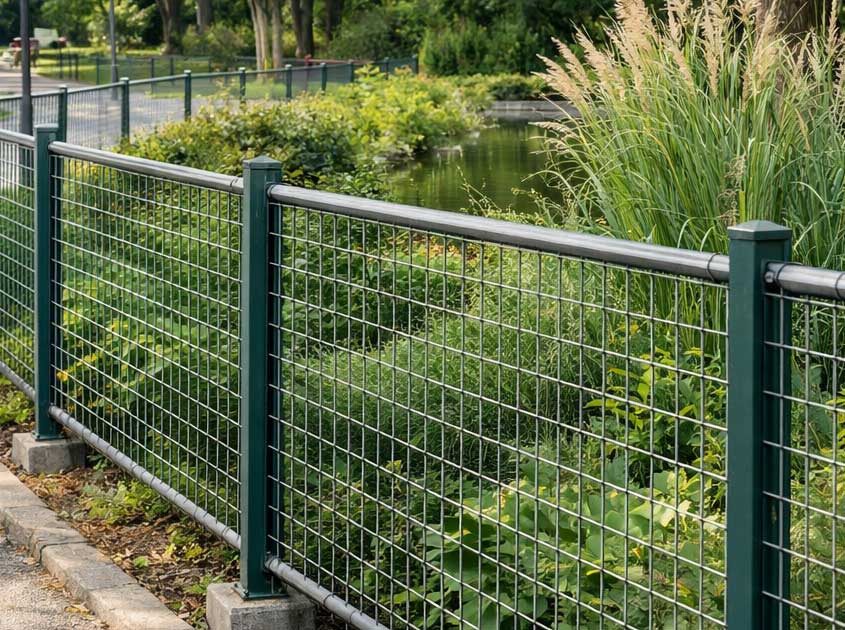
Stainless Steel Wire: High corrosion resistance, ideal for extreme climates.
PVC-Coated Wire: Provides an extra layer of protection and enhances aesthetics.
These fences are modular, strong, and suitable for both security and containment purposes.
2. Key Differences: Industrial vs Agricultural Use
Industrial Use
Industrial applications often require high-security fences and durability under heavy wear. Common uses include:
Factory perimeters
Warehouses and storage areas
Electrical substation protection
Industrial machinery enclosures
Considerations for Industrial Use:
Wire Thickness: Heavier gauges (4–8mm) resist bending and impact.
Mesh Size: Smaller mesh (50–100mm) prevents intrusion and ensures security.
Surface Treatment: Hot-dip galvanization or PVC coating prevents rust in outdoor installations.
Height Requirements: Typically 2–3 meters for perimeter security.
Industrial fences prioritize strength, tamper resistance, and minimal maintenance.
Agricultural Use
Agricultural fences focus on animal containment and crop protection. They need to be functional, durable, and sometimes flexible to cover large areas economically. Typical applications include:
Cattle, sheep, or goat enclosures
Poultry pens
Farm perimeters
Orchard or vineyard protection
Considerations for Agricultural Use:
Wire Thickness: Medium gauges (2–5mm) balance strength and cost-effectiveness.
Mesh Size: Larger mesh (50–150mm) allows visibility while containing animals.
Flexibility: Some farms use PVC-coated or galvanized fencing that can slightly bend without breaking.
Ease of Installation: Agricultural fences often cover long distances, so panels need to be lightweight for fast setup.
Agricultural fences emphasize coverage, practicality, and affordability, while still providing durability.
3. Material Selection
Material choice directly affects service life and maintenance needs:
Galvanized Steel: Suitable for both industrial and agricultural applications in moderate climates.
PVC-Coated Wire: Recommended for high humidity or coastal regions, protecting against corrosion.
Stainless Steel: Ideal for extreme industrial environments or areas with high chemical exposure.
Tip: For industrial sites, prioritize strength and corrosion resistance. For farms, balance durability and cost efficiency.
4. Installation Factors
Proper installation ensures the fence performs as intended:
Post Anchoring: Industrial fences require concrete-set posts; agricultural fences can use metal stakes or posts.
Panel Alignment: Even tension prevents sagging and damage.
Ground Contact: Avoid direct soil contact to reduce corrosion risk.
Professional installation improves longevity and reliability, whether in industrial or agricultural settings.
5. Maintenance Considerations
Industrial Fences: Inspect for corrosion, scratches, and loose welds periodically. Heavy-duty panels need less frequent maintenance but must be monitored for structural integrity.
Agricultural Fences: Check for bent wires, animal damage, or rust. Simple repairs and recoating may extend fence life.
Routine inspections are critical for both types of applications to avoid unexpected failures.
6. Choosing a Supplier from China
When importing welded wire mesh from China:
Verify Quality Certifications: ISO, ASTM, or CE compliance ensures durability and safety.
Request Samples: Confirm wire gauge, coating, and mesh size meet requirements.
Check Export Packaging: Protective packaging prevents damage during shipping.
Ask About Customization: Industrial and agricultural needs vary; reliable manufacturers can tailor wire thickness, mesh size, panel height, and coatings.
Working with an experienced Chinese supplier ensures high-quality products, timely delivery, and cost-effective solutions.
7. Summary Recommendations
Aspect
Industrial Fences
Agricultural Fences
Wire Thickness 4–8mm 2–5mm
Mesh Size 50–100mm 50–150mm
Height 2–3m 1–2m
Surface Treatment Galvanized / PVC / Stainless Galvanized / PVC
Focus Security, strength Containment, coverage
Maintenance Low, structural checks Medium, animal and corrosion checks
By understanding the specific needs of each application, buyers can select the most suitable welded wire mesh for industrial or agricultural projects, ensuring durability, safety, and cost efficiency.
Why Choose Welded Wire Fence for Security and Protection?
Pulished on Sep. 07, 2026
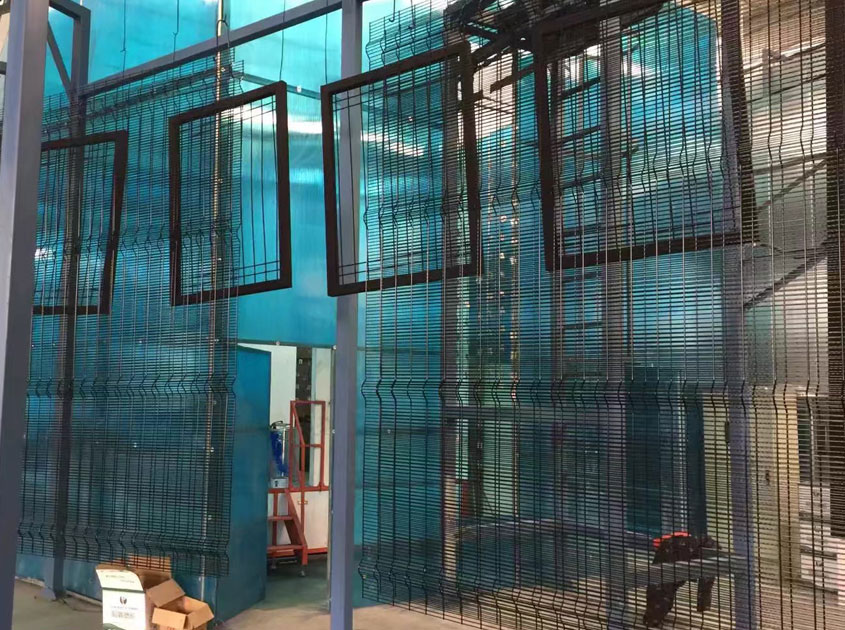
358 Security Fence Specifications and Applications Guide
Pulished on Aug. 27, 2026
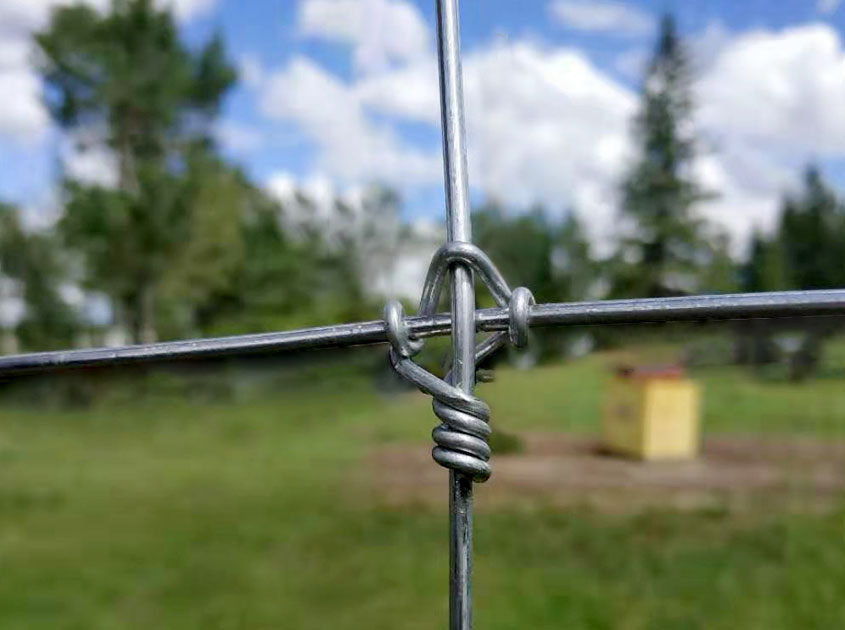
What Is Farm Fence and What Are the Main Types?
Pulished on Aug. 26, 2026
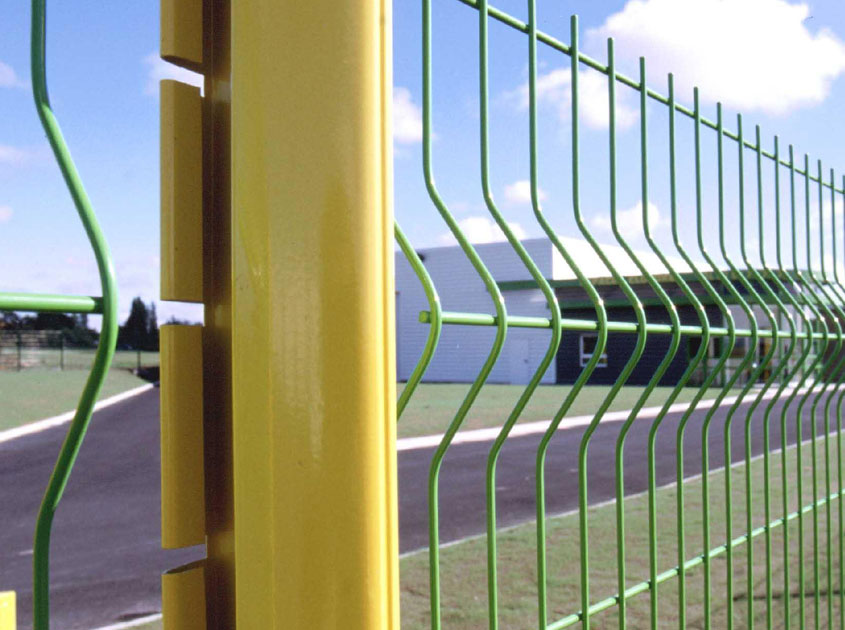
Welded Wire Fence Types, Sizes and Applications Guide
Pulished on Aug. 20, 2026
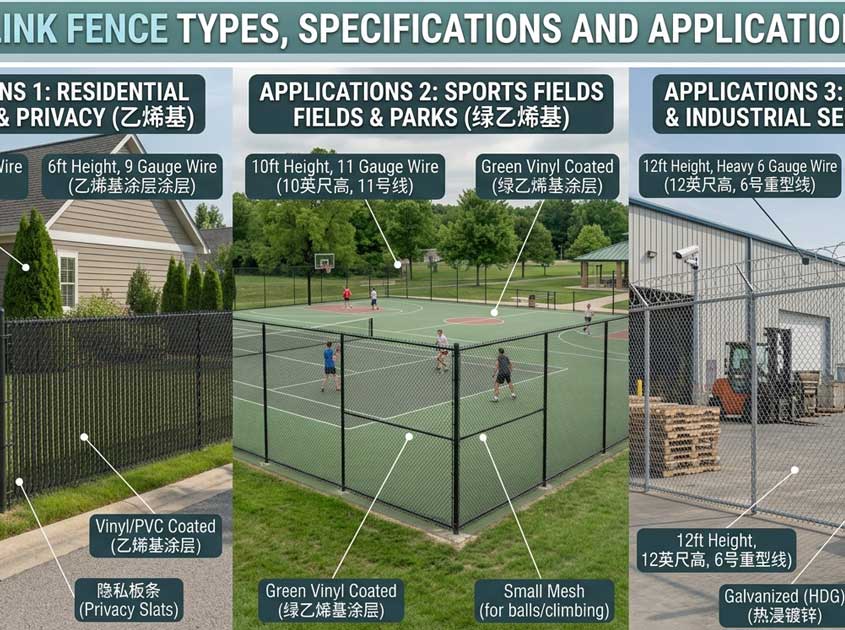
Chain Link Fence Types, Specifications and Applications Guide
Pulished on Aug. 12, 2026
How Much Does 358 Security Fence Cost? Complete Price Guide for International Buyers
Pulished on Jul. 22, 2026
358 Security Fence vs Chain Link Fence: Which One Is Better for High Security Projects?
Pulished on Jul. 22, 2026
Anti-Climb 358 Mesh Fence Supplier for Prisons and Airports
Pulished on Jul. 22, 2026
Why Choose Welded Wire Fence for Security and Protection?
Pulished on Sep. 07, 2026
358 Security Fence Specifications and Applications Guide
Pulished on Aug. 27, 2026
What Is Farm Fence and What Are the Main Types?
Pulished on Aug. 26, 2026
Welded Wire Fence Types, Sizes and Applications Guide
Pulished on Aug. 20, 2026
Chain Link Fence Types, Specifications and Applications Guide
Pulished on Aug. 12, 2026
How Much Does 358 Security Fence Cost? Complete Price Guide for International Buyers
Pulished on Jul. 22, 2026
358 Security Fence vs Chain Link Fence: Which One Is Better for High Security Projects?
Pulished on Jul. 22, 2026
Anti-Climb 358 Mesh Fence Supplier for Prisons and Airports
Pulished on Jul. 22, 2026