EN
EN SP
SP FR
FR
- Home
- About Us
- Products
- Service
- Project
- News
- Contact Us
Pulished on Mar. 10, 2026
Chain link fences are widely used for residential properties, industrial sites, sports fields, farms, and security perimeters because they are durable, cost-effective, and easy to install. However, since these fences are typically exposed to rain, humidity, sunlight, and pollution, corrosion can become a long-term concern if proper maintenance is not performed.
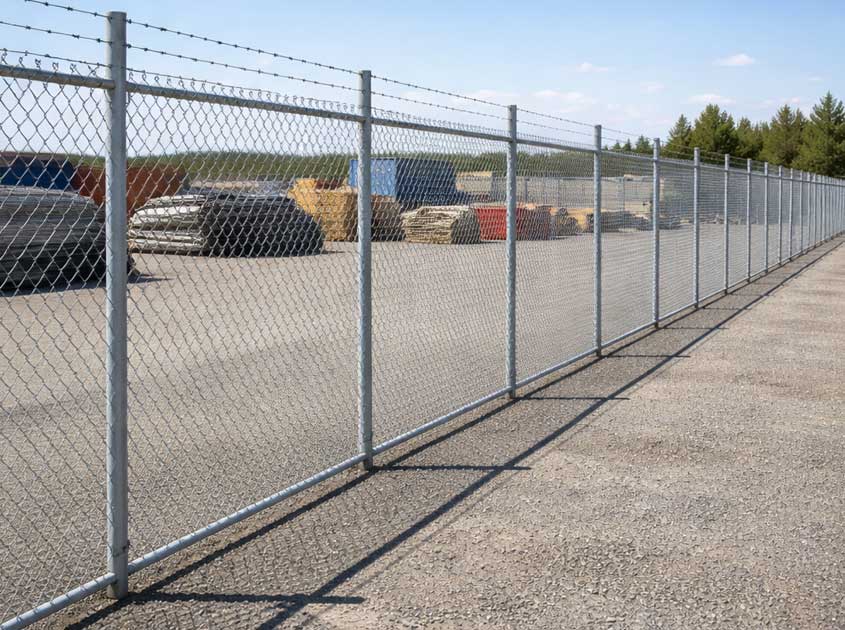
For distributors, contractors, and property managers, understanding how to maintain a chain link fence is essential to ensure maximum lifespan and reliable performance. As a professional Chinese wire mesh manufacturer specializing in chain link fencing for international markets, we share practical maintenance strategies to improve corrosion resistance and extend fence durability.
1. Choose Corrosion-Resistant Materials from the Beginning
The first step in preventing corrosion is selecting the right material before installation. Most chain link fences are produced from:
Galvanized Steel Wire
Galvanized chain link fences are coated with zinc, which protects the steel core from rust and oxidation. Hot-dip galvanized fences provide thicker zinc layers and better long-term protection.
PVC-Coated Chain Link Fence
PVC-coated fences combine galvanized steel with an additional plastic layer. This coating protects the metal wire from moisture, UV radiation, and physical damage.
Stainless Steel Wire
For extremely corrosive environments such as coastal regions or chemical plants, stainless steel fencing offers the best corrosion resistance.
Selecting the correct material significantly reduces the amount of maintenance required over time.
2. Perform Regular Fence Cleaning
One of the simplest yet most effective maintenance methods is regular cleaning. Dirt, salt, plant debris, and pollutants can accumulate on the fence surface and accelerate corrosion.
Recommended cleaning steps include:
Rinse the fence with clean water to remove dust and debris
Use a soft brush or cloth to gently remove stubborn dirt
Apply a mild detergent solution for areas exposed to grease or pollution
Rinse thoroughly to avoid chemical residue
Cleaning the fence two to three times per year helps maintain the protective coating and prevents rust formation.
3. Inspect the Fence Periodically
Routine inspection helps detect early signs of corrosion or damage before they become serious problems.
Key inspection points include:
Wire surface condition – Look for rust spots or coating damage
Fence posts and rails – Check for corrosion at joints or connections
Tension wires and fittings – Ensure they remain secure and intact
Gate hinges and moving parts – Inspect for wear or rust
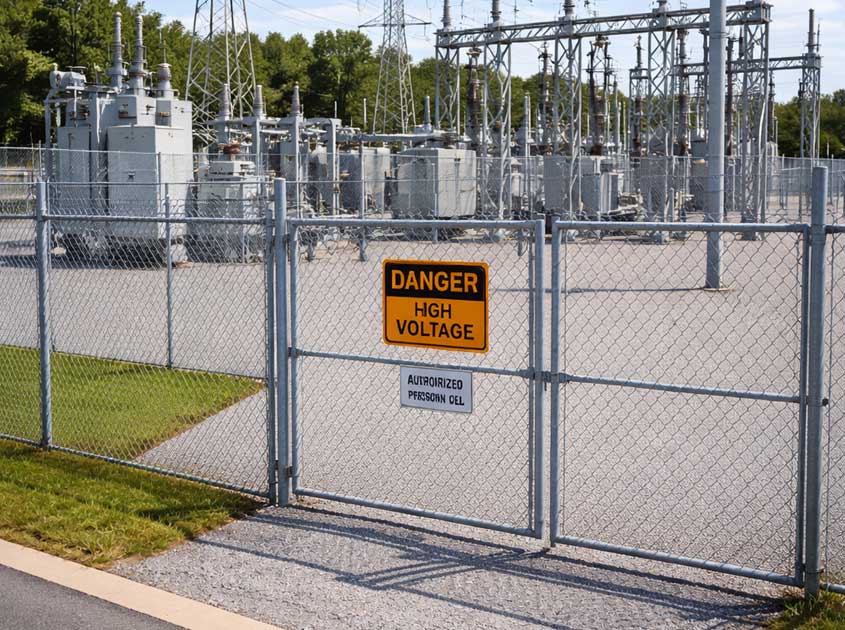
Early detection allows for quick repairs, preventing corrosion from spreading to larger areas of the fence.
4. Repair Small Rust Areas Immediately
Even high-quality chain link fences may develop minor rust spots over time. Addressing these spots quickly is essential.
Basic repair methods include:
Remove loose rust using a wire brush or sandpaper
Clean the area thoroughly to remove debris
Apply anti-rust primer or zinc-rich coating
Finish with protective paint or PVC repair coating if necessary
Prompt repairs prevent rust from weakening the metal wire and extending to surrounding areas.
5. Maintain Protective Coatings
Protective coatings play a critical role in corrosion resistance. Over time, these coatings may wear due to environmental exposure.
Maintenance tips include:
Reapply protective paint or anti-corrosion coatings when needed
Inspect PVC-coated fences for cracks or peeling
Ensure galvanized surfaces remain intact without scratches or abrasion
Maintaining the coating ensures the steel wire remains protected from moisture and oxygen, which are the main causes of rust.
6. Control Vegetation Around the Fence
Plants and vegetation growing around chain link fences can trap moisture and accelerate corrosion.
To prevent this issue:
Trim bushes and vines that grow against the fence
Remove climbing plants that hold water on the wire surface
Keep grass and weeds away from the fence base
Proper landscaping reduces moisture exposure and improves airflow around the fence, helping it stay dry and rust-free.
7. Protect Fences in Harsh Environments
Certain environments increase corrosion risk and require additional protection:
Coastal areas: Salt in the air accelerates rust formation. PVC-coated or stainless steel fences are recommended.
Industrial zones: Chemical pollutants may damage coatings; frequent inspection and cleaning are necessary.
High humidity regions: Regular cleaning and anti-rust coatings help maintain fence durability.
Selecting the right materials and increasing maintenance frequency ensures the fence performs well even in challenging conditions.
8. Work with a Reliable Fence Manufacturer
The quality of the fence itself is one of the most important factors affecting corrosion resistance. Reputable manufacturers provide:
High-quality galvanized or PVC-coated wire
Consistent wire diameter and strong weaving structure
Quality testing for corrosion resistance
Professional packaging for export
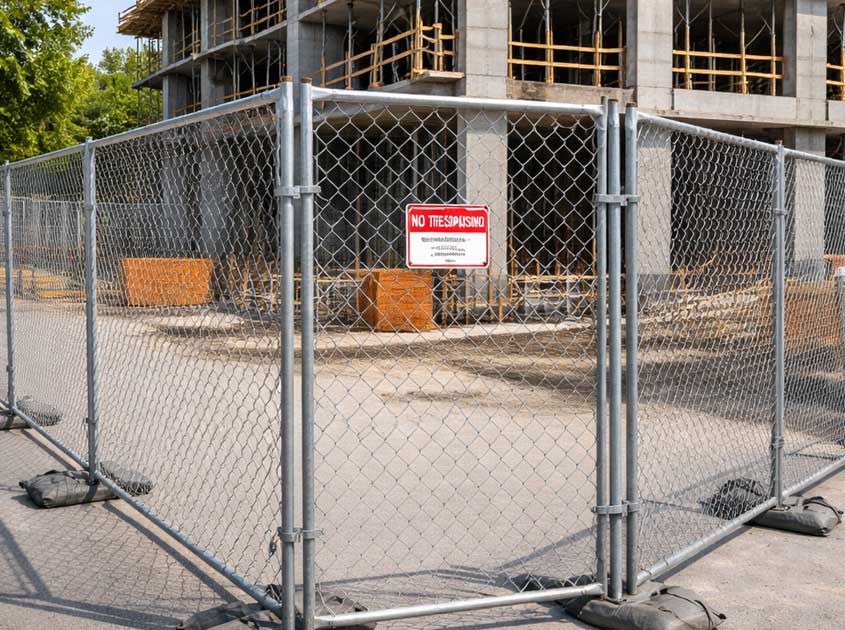
Working with a professional Chinese chain link fence manufacturer ensures that buyers receive durable products designed for long-term outdoor performance.
Conclusion
Proper maintenance is essential for ensuring the corrosion resistance and long-term durability of chain link fences. By selecting high-quality materials, performing regular cleaning, inspecting for early rust signs, maintaining protective coatings, and controlling vegetation around the fence, property owners can significantly extend the fence’s lifespan.
For international distributors and project contractors, partnering with an experienced wire mesh manufacturer in China provides access to high-quality fencing products, professional technical support, and reliable export services for projects worldwide.
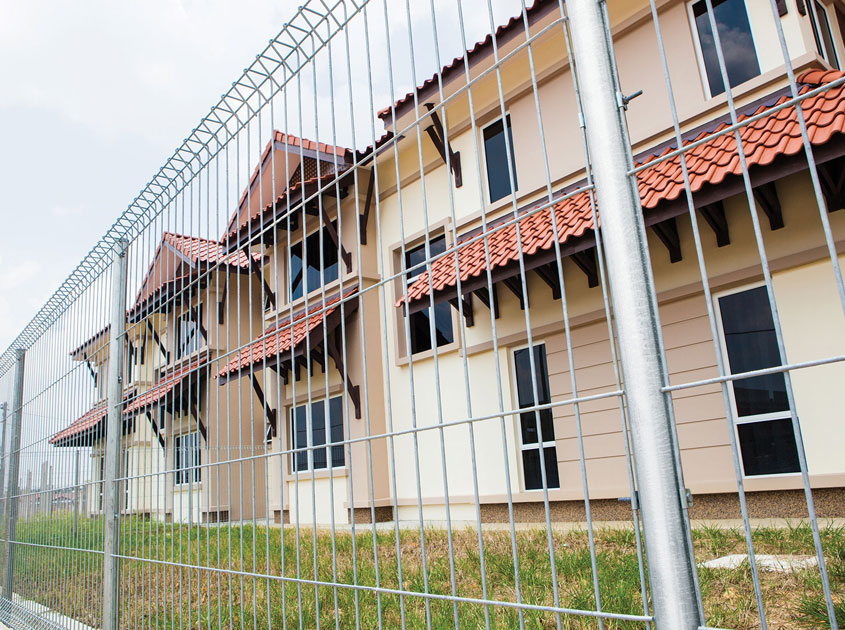
Why Choose Welded Wire Fence for Security and Protection?
Pulished on Sep. 07, 2026
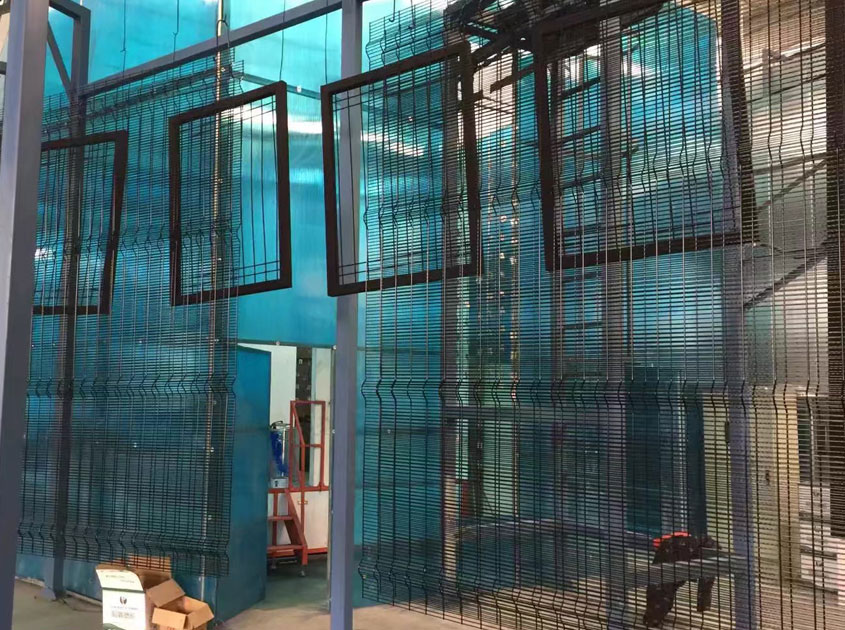
358 Security Fence Specifications and Applications Guide
Pulished on Aug. 27, 2026
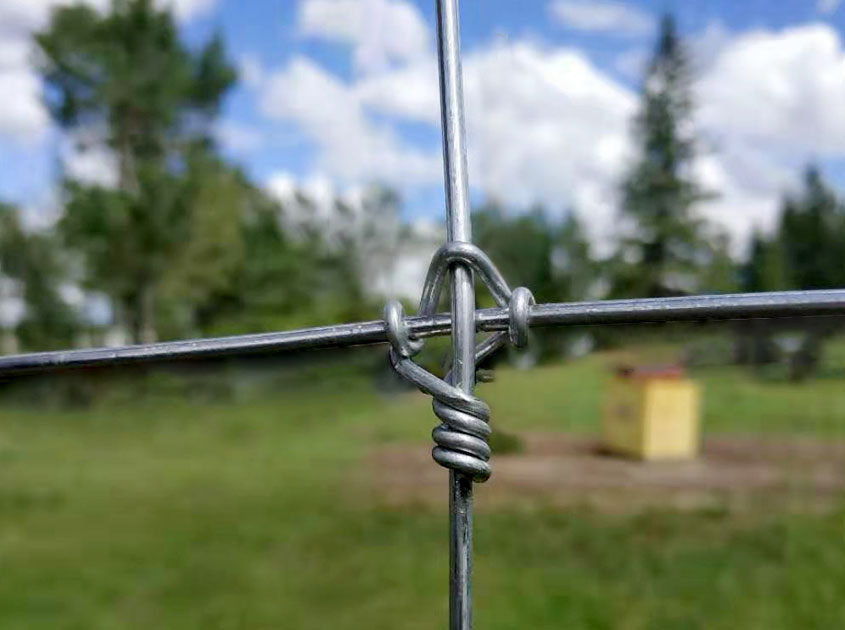
What Is Farm Fence and What Are the Main Types?
Pulished on Aug. 26, 2026
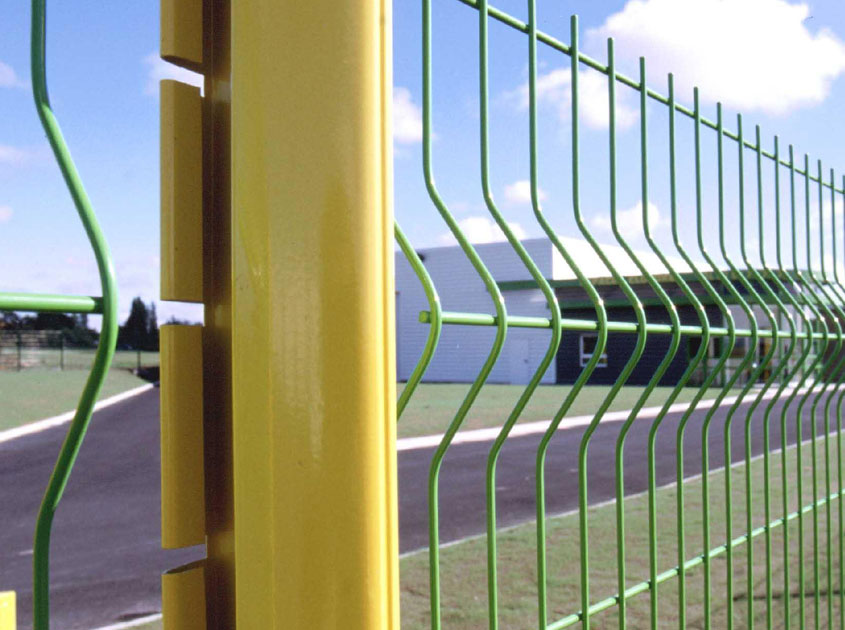
Welded Wire Fence Types, Sizes and Applications Guide
Pulished on Aug. 20, 2026
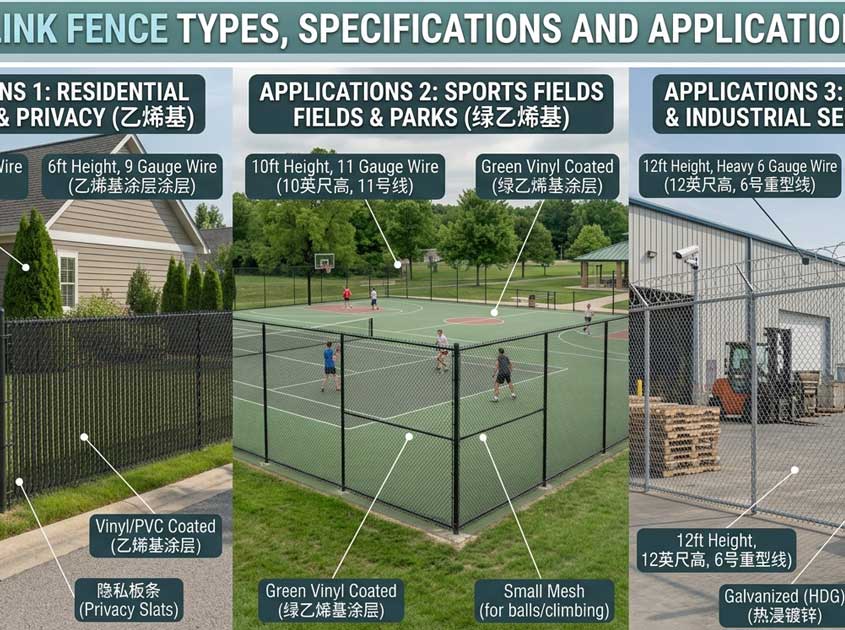
Chain Link Fence Types, Specifications and Applications Guide
Pulished on Aug. 12, 2026
How Much Does 358 Security Fence Cost? Complete Price Guide for International Buyers
Pulished on Jul. 22, 2026
358 Security Fence vs Chain Link Fence: Which One Is Better for High Security Projects?
Pulished on Jul. 22, 2026

Anti-Climb 358 Mesh Fence Supplier for Prisons and Airports
Pulished on Jul. 22, 2026
Why Choose Welded Wire Fence for Security and Protection?
Pulished on Sep. 07, 2026
358 Security Fence Specifications and Applications Guide
Pulished on Aug. 27, 2026
What Is Farm Fence and What Are the Main Types?
Pulished on Aug. 26, 2026
Welded Wire Fence Types, Sizes and Applications Guide
Pulished on Aug. 20, 2026
Chain Link Fence Types, Specifications and Applications Guide
Pulished on Aug. 12, 2026
How Much Does 358 Security Fence Cost? Complete Price Guide for International Buyers
Pulished on Jul. 22, 2026
358 Security Fence vs Chain Link Fence: Which One Is Better for High Security Projects?
Pulished on Jul. 22, 2026
Anti-Climb 358 Mesh Fence Supplier for Prisons and Airports
Pulished on Jul. 22, 2026