EN
EN SP
SP FR
FR
- Home
- About Us
- Products
- Service
- Project
- News
- Contact Us
Pulished on Mar. 17, 2026
Chain link fence is one of the most popular fencing solutions for security, industrial, commercial, and residential applications. Its durability, flexibility, and cost-effectiveness make it a preferred choice for projects worldwide.
However, the price of chain link fence can vary significantly depending on several key factors. Among them, material, surface coating, and mesh size play the most important roles in determining the final cost.
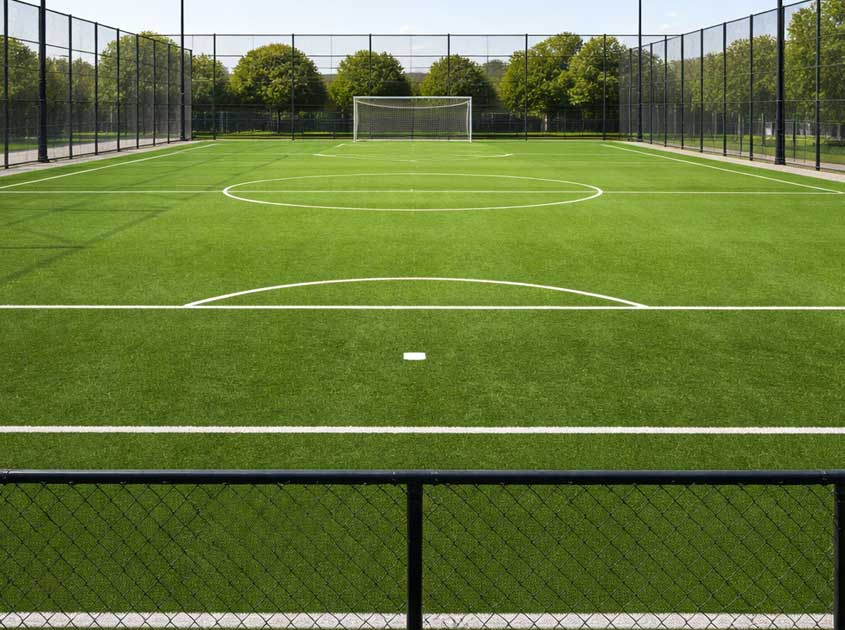
For international buyers, contractors, and distributors, understanding these cost factors is essential to make informed purchasing decisions and optimize project budgets. As a professional Chinese chain link fence manufacturer exporting globally, we break down the main pricing elements in detail.
1. Material: The Foundation of Cost and Performance
The primary material used in chain link fencing is steel wire, and its quality directly impacts both price and durability.
Low Carbon Steel Wire
Most chain link fences are made from low carbon steel wire, which offers:
Good flexibility and strength
Cost-effective production
Wide availability
This is the most economical option for general fencing applications such as residential yards, gardens, and temporary enclosures.
High-Quality Steel Wire
For high-security or industrial projects, higher-grade steel wire is often used. This material provides:
Greater tensile strength
Better resistance to deformation
Longer service life
Although it increases the initial cost, it ensures better long-term performance, especially in demanding environments like construction sites, factories, and infrastructure projects.
2. Surface Coating: Key to Corrosion Resistance and Price
Surface treatment is one of the most critical cost factors because it directly affects the fence’s lifespan and maintenance requirements.
Galvanized Chain Link Fence
Galvanized chain link fence is coated with a layer of zinc, which protects the steel from corrosion.
There are two common types:
Electro-galvanized: Lower cost, thinner coating, suitable for indoor or dry environments
Hot-dip galvanized: Higher cost, thicker coating, excellent for outdoor and humid conditions
Cost Advantage:
Galvanized fences are generally more affordable and are widely used in large-scale projects where budget is a key concern.
PVC Coated Chain Link Fence
PVC coated chain link fence includes an additional plastic coating layer over galvanized steel wire.
Benefits include:
Enhanced corrosion resistance
Longer service life
Improved appearance (green, black, or custom colors)
Reduced maintenance costs
Cost Impact:
PVC coated fences typically cost 10%–30% more than galvanized fences due to additional materials and processing steps.
However, for outdoor or coastal environments, the longer lifespan often makes it a more cost-effective long-term investment.
3. Mesh Size: A Direct Impact on Material Usage
The mesh size (opening size) of a chain link fence significantly influences the amount of material used and therefore the price.
Smaller Mesh Size
Example: 40 mm × 40 mm or 50 mm × 50 mm
Uses more steel wire per square meter
Provides higher security and better containment
Cost: Higher due to increased material consumption
Larger Mesh Size
Example: 60 mm × 60 mm or 75 mm × 75 mm
Uses less wire
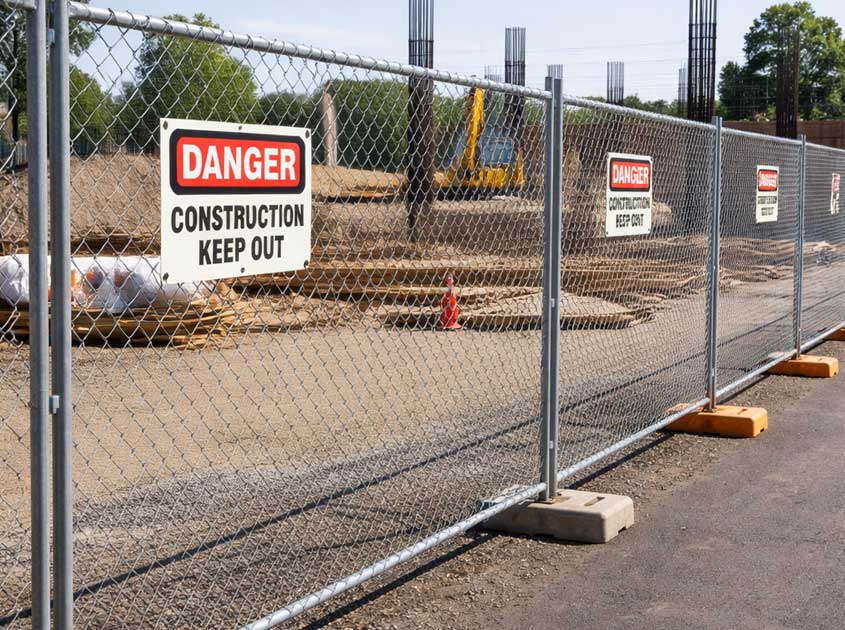
Suitable for general fencing applications
Cost: Lower, making it ideal for budget-sensitive projects
Choosing the right mesh size depends on security requirements, application type, and budget.
4. Wire Diameter: Strength vs Cost Balance
Although not mentioned in the title, wire diameter is closely related to material cost and should not be overlooked.
Common wire diameters include:
2.0 mm – light-duty applications
2.5 mm – standard fencing
3.0 mm and above – heavy-duty or high-security fencing
Thicker wire increases:
Strength and durability
Resistance to cutting or deformation
But also increases:
Raw material cost
Overall product price
5. Additional Cost Factors
Beyond material, coating, and mesh size, several other elements may affect the total cost:
Fence Height
Higher fences require more material
Common heights: 1.2 m, 1.5 m, 1.8 m, 2.4 m
Roll Length
Standard rolls: 10 m, 15 m, 30 m
Longer rolls may reduce unit cost
Accessories
Fence posts
Tension wires
clamps and fittings
These components add to the overall project cost.
6. Application-Based Cost Optimization
Different applications require different specifications, which directly impact cost efficiency.
Low-Cost Applications
Temporary fencing
Residential use
Garden enclosures
Recommended options:
Electro-galvanized coating
Larger mesh size
Medium wire diameter
High-Security Applications
Airports
Industrial zones
Military or infrastructure projects
Recommended options:
Hot-dip galvanized or PVC coated
Smaller mesh size
Thicker wire diameter
Although the initial investment is higher, these options provide maximum security and durability.
7. Long-Term Cost vs Initial Price
When evaluating chain link fence pricing, it is important to consider total lifecycle cost, not just the purchase price.
Key Considerations:
Maintenance frequency
Resistance to corrosion
Expected service life
Replacement costs
For example:
A cheaper galvanized fence may require replacement sooner in harsh environments
A PVC coated fence may last longer with minimal maintenance
Choosing the right specification can significantly reduce long-term expenses.
Conclusion
The cost of chain link fence is influenced by several critical factors, including material quality, surface coating, and mesh size. Understanding how these elements affect pricing allows buyers to select the most suitable product for their specific needs.
Material determines strength and base cost
Coating affects durability and long-term value
Mesh size controls material usage and security level
For global buyers, working with a reliable Chinese chain link fence manufacturer ensures access to customized specifications, competitive pricing, and consistent quality.
By carefully balancing cost and performance, you can achieve the ideal fencing solution for your project—whether it’s for security, industrial use, or agricultural applications.
Why Choose Welded Wire Fence for Security and Protection?
Pulished on Sep. 07, 2026
358 Security Fence Specifications and Applications Guide
Pulished on Aug. 27, 2026
What Is Farm Fence and What Are the Main Types?
Pulished on Aug. 26, 2026
Welded Wire Fence Types, Sizes and Applications Guide
Pulished on Aug. 20, 2026
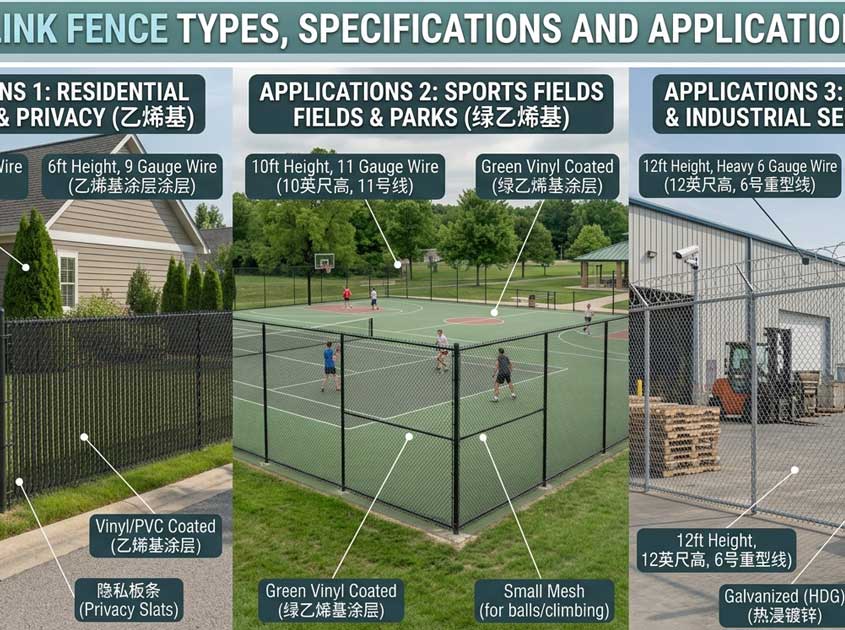
Chain Link Fence Types, Specifications and Applications Guide
Pulished on Aug. 12, 2026
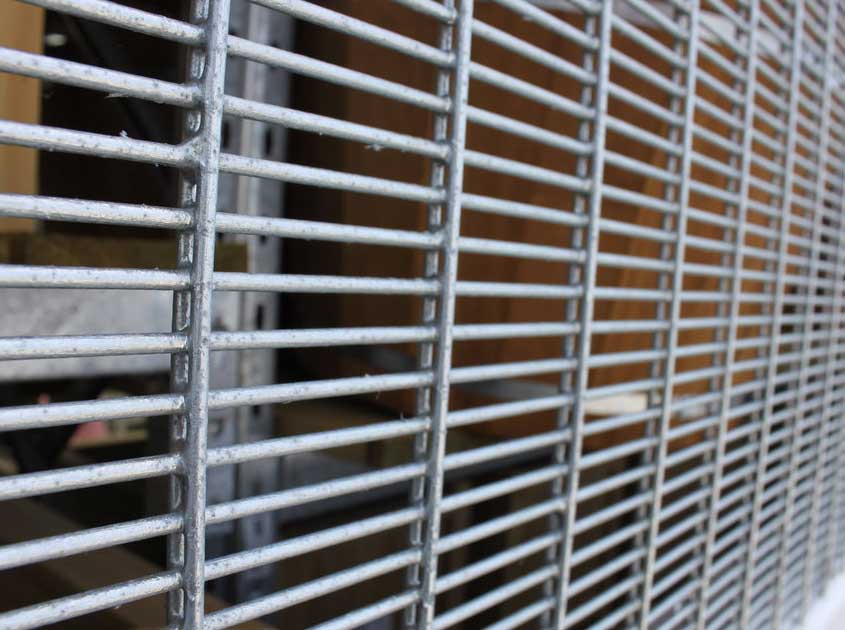
How Much Does 358 Security Fence Cost? Complete Price Guide for International Buyers
Pulished on Jul. 22, 2026

358 Security Fence vs Chain Link Fence: Which One Is Better for High Security Projects?
Pulished on Jul. 22, 2026
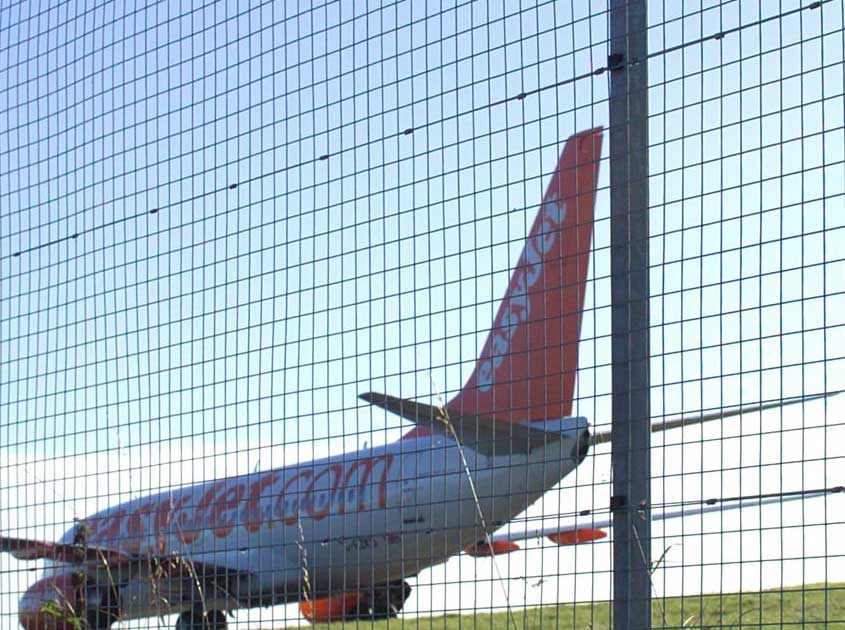
Anti-Climb 358 Mesh Fence Supplier for Prisons and Airports
Pulished on Jul. 22, 2026
Why Choose Welded Wire Fence for Security and Protection?
Pulished on Sep. 07, 2026
358 Security Fence Specifications and Applications Guide
Pulished on Aug. 27, 2026
What Is Farm Fence and What Are the Main Types?
Pulished on Aug. 26, 2026
Welded Wire Fence Types, Sizes and Applications Guide
Pulished on Aug. 20, 2026
Chain Link Fence Types, Specifications and Applications Guide
Pulished on Aug. 12, 2026
How Much Does 358 Security Fence Cost? Complete Price Guide for International Buyers
Pulished on Jul. 22, 2026
358 Security Fence vs Chain Link Fence: Which One Is Better for High Security Projects?
Pulished on Jul. 22, 2026
Anti-Climb 358 Mesh Fence Supplier for Prisons and Airports
Pulished on Jul. 22, 2026