EN
EN SP
SP FR
FR
- Home
- About Us
- Products
- Service
- Project
- News
- Contact Us
Pulished on Jan. 16, 2026
Shipping wire mesh from China to South America involves long transit times, humid environments, multiple handling stages, and strict customs inspections. Even high-quality wire mesh can suffer from rust, deformation, or coating damage if packaging is not properly designed for long-distance transportation.
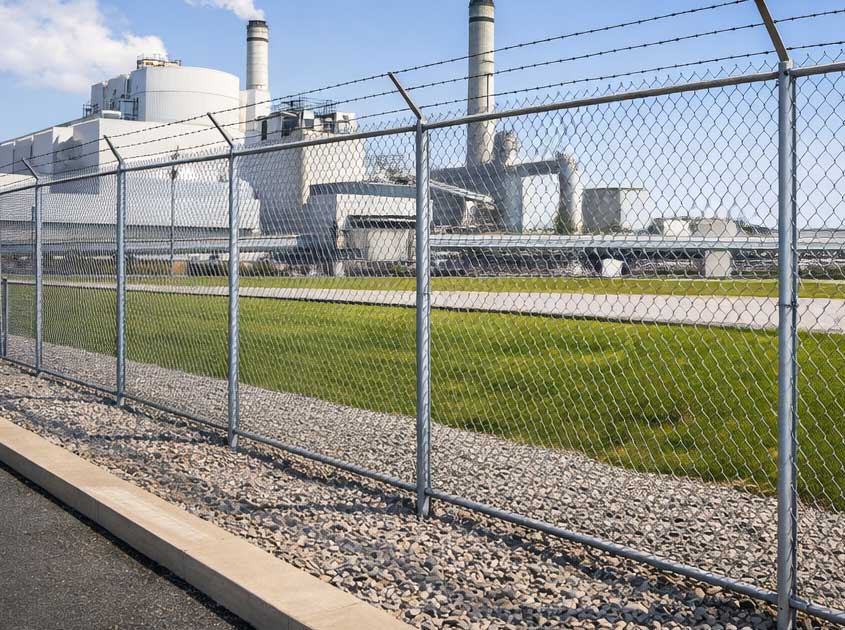
This guide explains how to package wire mesh correctly for long-distance shipping to South America, helping importers reduce damage, avoid disputes, and ensure products arrive ready for use.
1. Why Packaging Is Critical for South America Shipments
South America is one of the longest shipping routes from China, typically requiring:
30–50 days of sea transport
Port transshipment in some cases
Exposure to high humidity and temperature changes
Common risks during shipping include:
Rust and corrosion
Bent mesh rolls or panels
Broken weld points
Surface coating damage
Professional export packaging is essential to protect both product quality and buyer investment.
2. Understand Wire Mesh Forms Before Packaging
Wire mesh products are shipped in different forms, each requiring specific packaging:
Wire mesh rolls (welded mesh, chain link, field fence)
Wire mesh panels (welded fence panels, industrial mesh)
Heavy-duty or oversized mesh sheets
Packaging must be adapted to the product structure and weight.
3. Standard Packaging for Wire Mesh Rolls
3.1 Waterproof Paper + Plastic Film Wrapping
This is the most widely used export packaging method.
Structure:
Inner waterproof paper
Outer plastic film
Tight steel strapping
Advantages:
Effective moisture protection
Cost-efficient
Suitable for full container loads
This method is ideal for shipments to humid regions such as Brazil and Colombia.
3.2 Palletized Roll Packaging
For large orders or distributor shipments, rolls are placed on pallets.
Benefits:
Easier forklift handling
Reduced deformation
Improved warehouse efficiency
Both steel pallets and fumigated wooden pallets are commonly used.
4. Packaging Solutions for Wire Mesh Panels
4.1 Steel Pallet Packaging
Welded mesh panels are stacked flat and secured on steel pallets.
Advantages:
Strong load-bearing capacity
Prevents bending during transport
Suitable for heavy industrial panels
This is the preferred option for construction and security fencing.
4.2 Wooden Crate Packaging for Long Routes
For high-value or custom panels, wooden crates provide maximum protection.
Features:
Full enclosure
Shock resistance
Corner reinforcement
Wooden crates are recommended for:
Long-distance sea shipping
Multiple transshipment routes
Premium surface finishes
5. Anti-Rust Protection for Long Sea Transport
Rust prevention is a major concern for South America shipments.
Professional manufacturers apply:
Anti-rust paper
Desiccant bags inside packaging
Moisture barrier layers
For galvanized wire mesh, proper zinc coating combined with anti-rust packaging significantly extends protection time.
6. Proper Strapping and Load Securing
Incorrect strapping can cause deformation.
Best practices include:
Steel strapping instead of plastic for heavy mesh
Even tension distribution
Corner protectors for panels
Inside containers, mesh must be secured to prevent shifting during ocean movement.
7. Export Labeling and Documentation Support
Clear labeling improves customs clearance and warehouse management.
Recommended labels include:
Product name and specification
Roll or panel quantity
Gross and net weight
Country of origin
Correct labeling reduces inspection delays at South American ports.
8. Container Loading for South America Routes
Professional loading is as important as packaging.
Key points:
Even weight distribution
Heavy goods placed at container bottom
Anti-slip mats where needed
Poor container loading can damage products even with good packaging.
9. Custom Packaging for South American Distributors
Experienced Chinese manufacturers offer:
OEM branding
Spanish or Portuguese labels
Custom pallet sizes
Distributor-ready packaging
This helps local distributors reduce repacking costs and speed up market distribution.
10. Why Work with an Experienced Export Manufacturer
Manufacturers with South America export experience understand:
Long shipping risks
Regional climate conditions
Local port handling practices
They provide:
Proven packaging solutions
Stable quality control
Reduced damage rates
This significantly lowers overall import risk.
Conclusion
Proper wire mesh packaging for long-distance shipping to South America is essential to:
Prevent rust and deformation
Protect coatings and weld points
Reduce claims and disputes
Ensure smooth customs clearance
By choosing export-grade packaging and an experienced Chinese manufacturer, buyers can ensure wire mesh products arrive safe, clean, and ready for installation, even after long ocean journeys.
Why Choose Welded Wire Fence for Security and Protection?
Pulished on Sep. 07, 2026
358 Security Fence Specifications and Applications Guide
Pulished on Aug. 27, 2026
What Is Farm Fence and What Are the Main Types?
Pulished on Aug. 26, 2026
Welded Wire Fence Types, Sizes and Applications Guide
Pulished on Aug. 20, 2026
Chain Link Fence Types, Specifications and Applications Guide
Pulished on Aug. 12, 2026
How Much Does 358 Security Fence Cost? Complete Price Guide for International Buyers
Pulished on Jul. 22, 2026

358 Security Fence vs Chain Link Fence: Which One Is Better for High Security Projects?
Pulished on Jul. 22, 2026

Anti-Climb 358 Mesh Fence Supplier for Prisons and Airports
Pulished on Jul. 22, 2026
Why Choose Welded Wire Fence for Security and Protection?
Pulished on Sep. 07, 2026
358 Security Fence Specifications and Applications Guide
Pulished on Aug. 27, 2026
What Is Farm Fence and What Are the Main Types?
Pulished on Aug. 26, 2026
Welded Wire Fence Types, Sizes and Applications Guide
Pulished on Aug. 20, 2026
Chain Link Fence Types, Specifications and Applications Guide
Pulished on Aug. 12, 2026
How Much Does 358 Security Fence Cost? Complete Price Guide for International Buyers
Pulished on Jul. 22, 2026
358 Security Fence vs Chain Link Fence: Which One Is Better for High Security Projects?
Pulished on Jul. 22, 2026
Anti-Climb 358 Mesh Fence Supplier for Prisons and Airports
Pulished on Jul. 22, 2026