EN
EN SP
SP FR
FR
- Home
- About Us
- Products
- Service
- Project
- News
- Contact Us
Pulished on Dec. 25, 2025
South America has become one of the fastest-growing markets for wire mesh fence systems due to expanding infrastructure, agriculture, mining, and residential construction. From Brazil and Argentina to Chile and Colombia, project owners and distributors increasingly demand certified, durable, and regulation-compliant fencing products.
Understanding quality standards is critical for importers, contractors, and manufacturers that supply wire mesh fencing to the South American market.
This guide explains the most important quality standards, testing requirements, and compliance expectations for wire mesh fences in South America.
Why Quality Standards Matter in South America
Wire mesh fences are used for:
Construction site security
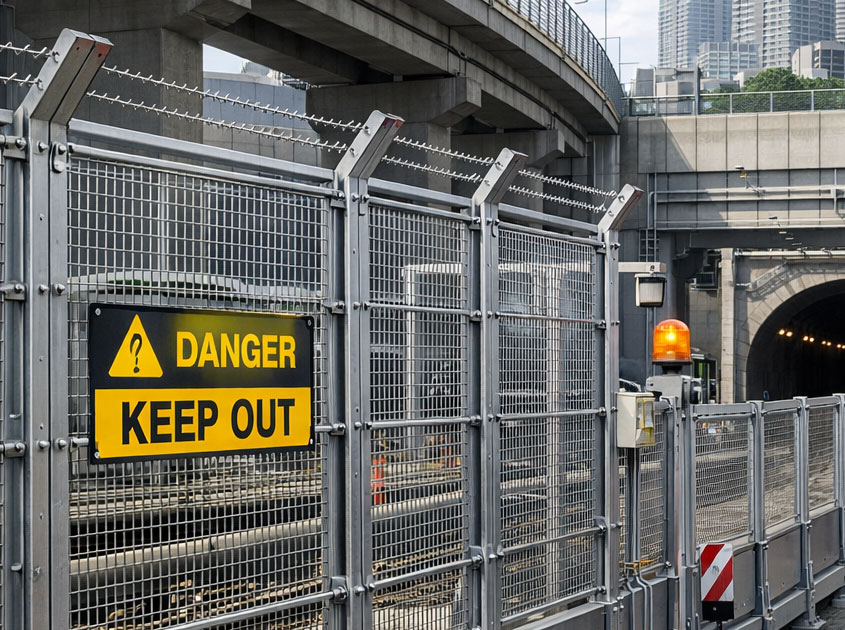
Highway and railway protection
Agricultural fencing
Industrial and mining facilities
Residential and commercial developments
Poor-quality fencing leads to safety risks, corrosion failure, and legal liability. As a result, South American buyers increasingly require products that meet internationally recognized quality standards.
1. ISO 9001 – Manufacturing Quality Management
Most South American importers require suppliers to have ISO 9001 certification.
This standard ensures:
Controlled production processes
Material traceability
Welding and coating consistency
Quality inspection systems
Chinese wire mesh manufacturers with ISO 9001 are considered low-risk suppliers by distributors and contractors.
2. ASTM and EN Wire Mesh Fence Standards
Although South America does not have a single unified fence standard, most projects reference ASTM (American) or EN (European) standards.
Commonly accepted standards include:
Standard
Application
ASTM A641 Zinc-coated (galvanized) steel wire
ASTM A1064 Welded wire reinforcement
ASTM F668 Chain link fence wire
EN 10244 Coated steel wire
EN 10223 Steel wire products for fencing
These standards define:
Wire diameter tolerance
Tensile strength
Zinc coating weight
Weld shear strength
Corrosion resistance
South American engineering companies often require these values in technical documentation.
3. Galvanization and Coating Standards
Corrosion resistance is extremely important due to South America’s humid, tropical, and coastal climates.
Most buyers require:
Hot-Dip Galvanized
Zinc coating: 60–275 g/m²
Long-term rust protection
Suitable for outdoor and coastal environments
PVC or Powder Coated
Additional corrosion protection
Improved appearance
Often required for urban and residential fencing
Coating thickness and adhesion must comply with ASTM or EN coating standards.
4. Mechanical Performance Requirements
High-quality wire mesh fences must meet minimum mechanical strength values:
Tensile strength of wire
Weld shear strength
Mesh rigidity
Impact resistance
These tests ensure that the fence can resist:
Wind loads
Physical impact
Climbing and cutting
Long-term outdoor stress
Mining, highway, and industrial projects in Chile, Peru, and Brazil often specify these parameters in tenders.
5. Surface Finish and Visual Quality
South American construction projects—especially residential and commercial developments—require good appearance.
Quality inspection usually includes:
Smooth weld points
Uniform coating thickness
No sharp edges or burrs
No rust, bubbles, or peeling
This is especially important for PVC-coated and architectural fencing.
6. Environmental and Safety Compliance
Some projects require:
RoHS compliance
Lead-free coatings
Environmentally friendly powder coating
This is becoming more common in Brazil, Chile, and Colombia for government and commercial developments.
7. Export Documentation Required
South American importers usually require:
Mill test certificates (MTC)
Coating test reports
ISO certificates
Packing list and commercial invoice
Certificate of origin
A professional Chinese wire mesh exporter will provide these documents for customs clearance and project approval.
Why Chinese Manufacturers Can Meet These Standards
Modern Chinese wire mesh factories use:
Automated welding lines
Controlled galvanizing systems
Advanced powder coating plants
Laboratory testing equipment
This allows them to produce wire mesh fences that meet ASTM, EN, and ISO standards at competitive costs.
Conclusion
Wire mesh fences used in South America must meet international quality standards, including:
ISO 9001 manufacturing control
ASTM and EN technical standards
Hot-dip galvanization or PVC coating
Mechanical strength and corrosion resistance
Export and compliance documentation
By working with a certified Chinese wire mesh manufacturer, South American distributors and contractors can ensure their fencing systems are safe, durable, compliant, and competitive.
How to Choose Farm Fence for Cattle and Horses: Wire, Height and Design Guide
Pulished on Sep. 23, 2026
How Is Chain Link Fence Made? Manufacturing Process and Components
Pulished on Sep. 18, 2026
358 Security Fence vs Chain Link Fence: Security, Cost and Application Comparison
Pulished on Sep. 15, 2026
Why Choose Welded Wire Fence for Security and Protection?
Pulished on Sep. 07, 2026
358 Security Fence Specifications and Applications Guide
Pulished on Aug. 27, 2026
What Is Farm Fence and What Are the Main Types?
Pulished on Aug. 26, 2026
Welded Wire Fence Types, Sizes and Applications Guide
Pulished on Aug. 20, 2026
Chain Link Fence Types, Specifications and Applications Guide
Pulished on Aug. 12, 2026
How to Choose Farm Fence for Cattle and Horses: Wire, Height and Design Guide
Pulished on Sep. 23, 2026
How Is Chain Link Fence Made? Manufacturing Process and Components
Pulished on Sep. 18, 2026
358 Security Fence vs Chain Link Fence: Security, Cost and Application Comparison
Pulished on Sep. 15, 2026
Why Choose Welded Wire Fence for Security and Protection?
Pulished on Sep. 07, 2026
358 Security Fence Specifications and Applications Guide
Pulished on Aug. 27, 2026
What Is Farm Fence and What Are the Main Types?
Pulished on Aug. 26, 2026
Welded Wire Fence Types, Sizes and Applications Guide
Pulished on Aug. 20, 2026
Chain Link Fence Types, Specifications and Applications Guide
Pulished on Aug. 12, 2026