EN
 SP
 FR

- Home
- About Us
- Products
- Service
- Project
- News
- Contact Us
Pulished on Dec. 25, 2024
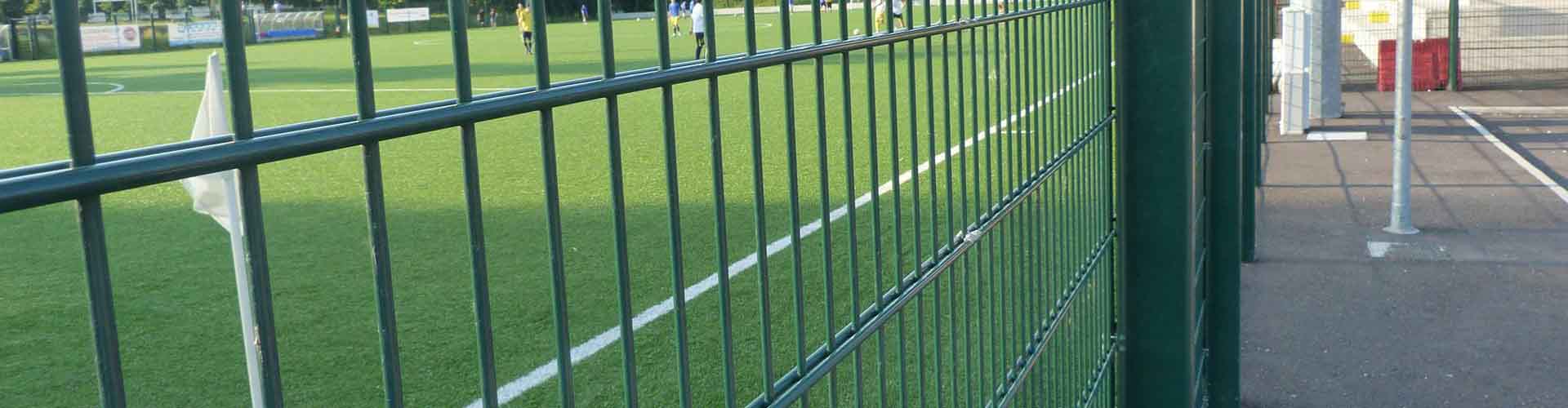
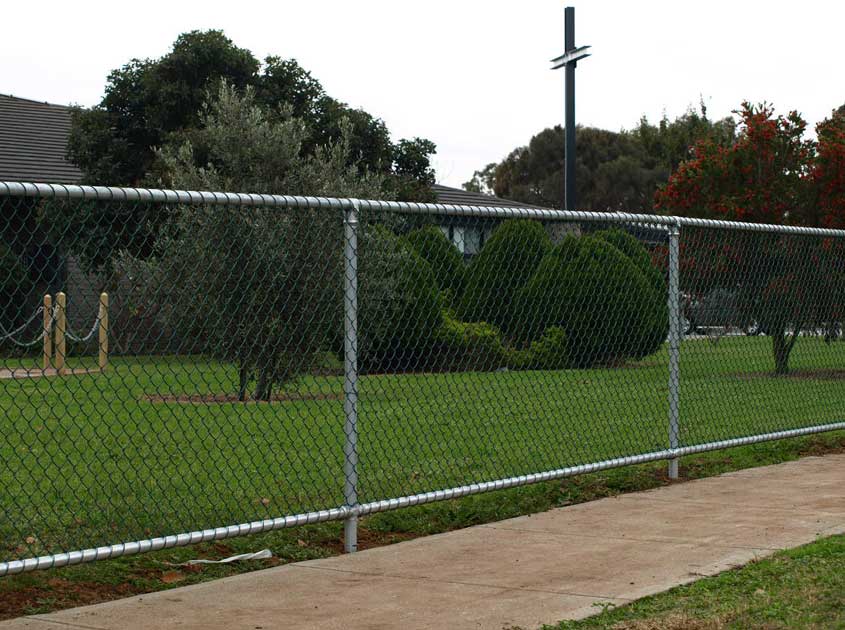
Stadium fence, as an important part of sports events, not only bears the heavy responsibility of safety protection, but also witnesses passion and dreams. This kind of fence uses high-strength, impact-resistant materials and advanced technology to build a safe and beautiful protection system, providing athletes and spectators with a safe and comfortable competition and viewing environment.

High-strength materials, safe and reliable:
The stadium fence uses high-strength and impact-resistant materials such as steel, aluminum alloy, etc., to ensure the firmness and durability of the fence. These materials have good wind pressure resistance and impact resistance, and can withstand the erosion of various severe weather and external damage. At the same time, the surface of the fence has been specially treated with anti-corrosion and anti-aging properties, which can maintain its beauty and practicality for a long time.
Professional design to enhance the experience:
The design of the stadium fence fully considers the needs of athletes and spectators. Its height, width and grid size have been carefully calculated and tested to ensure that it can effectively prevent spectators from entering the competition area and ensure that the athletes' vision is not obstructed. At the same time, the fence is also equipped with professional lighting and sound systems to provide spectators with a better viewing experience.
Integrate into the environment and coexist harmoniously: The design of the stadium fence not only focuses on practicality, but also fully considers the harmonious coexistence with the surrounding environment. Its shape is simple and generous, and its colors are bright and beautiful, which can be coordinated with the overall style of the stadium. At the same time, green plants are planted around the fence and rest areas are set up, providing a more comfortable and pleasant viewing environment for the audience.
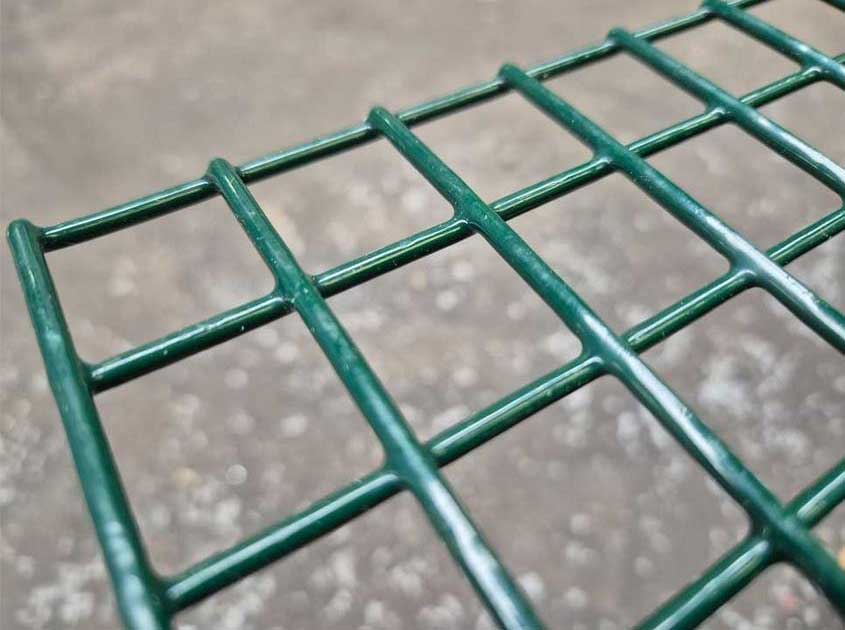
How to Select the Right Wire Diameter for Welded Wire Fence? A Practical Buyer’s Guide
Pulished on Nov. 18, 2026
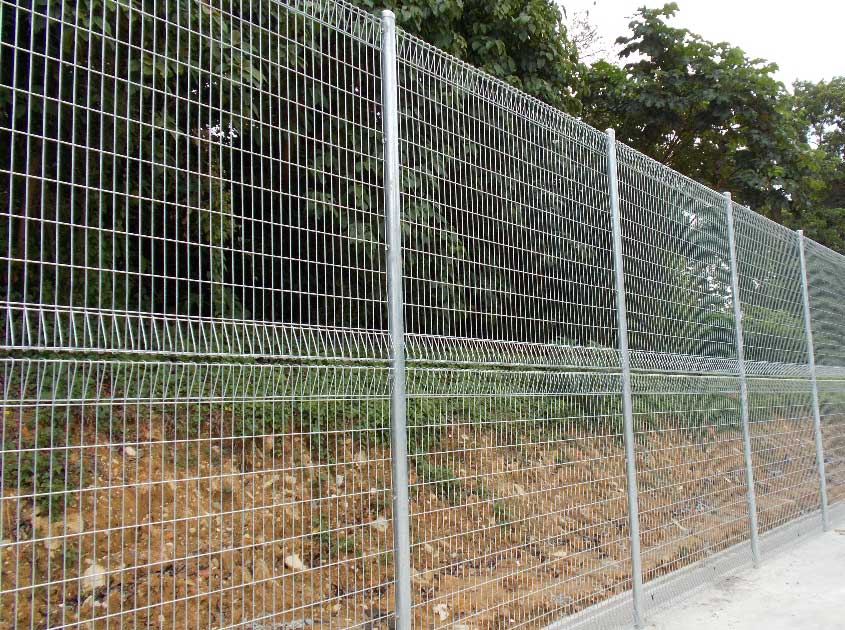
What Mesh Size Is Best for Welded Wire Fence? A Practical Selection Guide
Pulished on Nov. 09, 2026
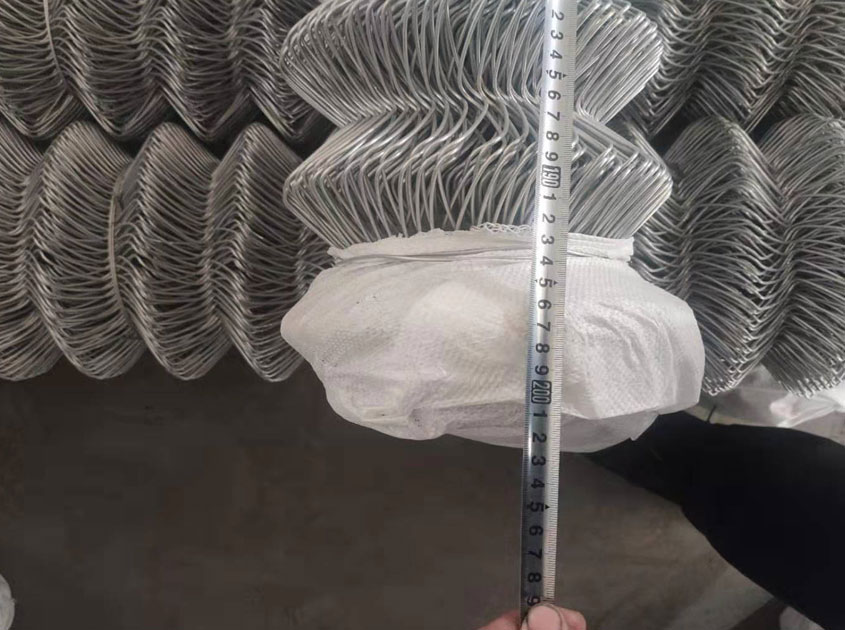
How Much Does Chain Link Fence Cost? A Complete Guide to Material Prices, Shipping and Project Costs
Pulished on Oct. 27, 2026
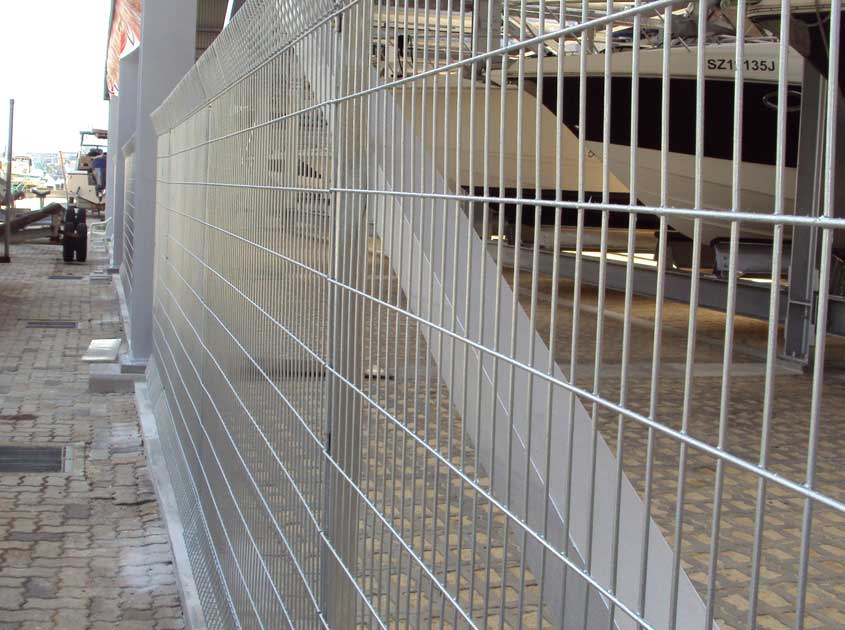
How to Install a Welded Wire Fence: A Step-by-Step Guide for Contractors
Pulished on Oct. 23, 2026
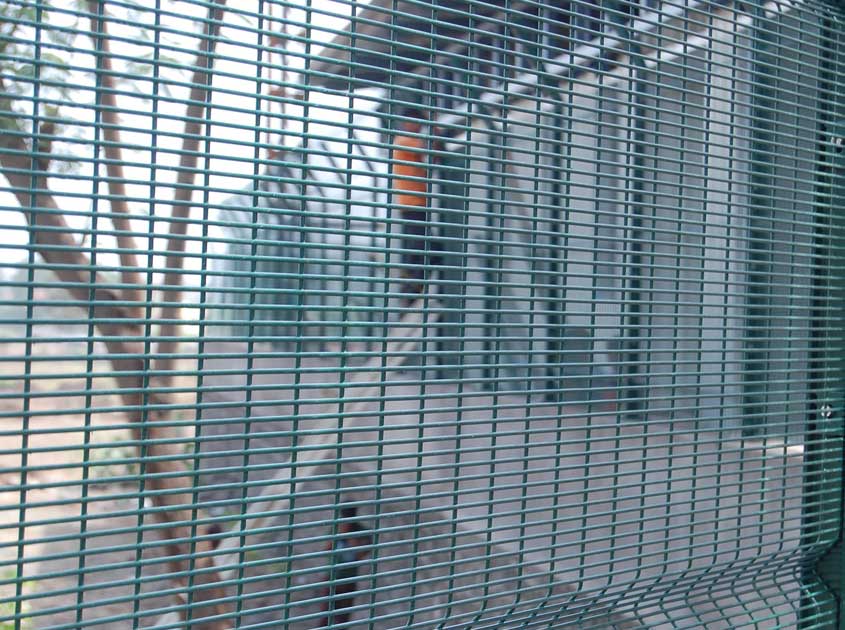
358 Fence vs Welded Wire Fence: Which Is Better for Your Project?
Pulished on Oct. 20, 2026
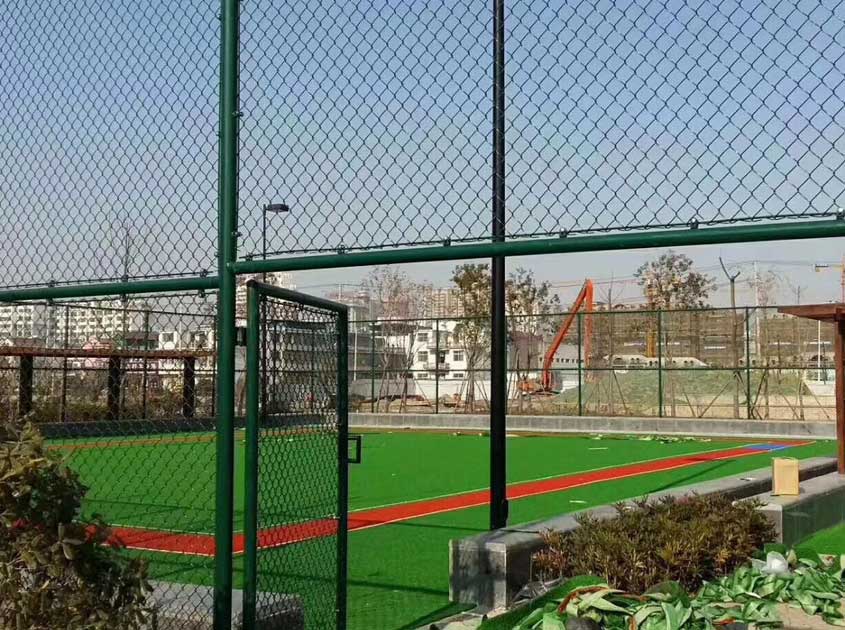
What Are the Advantages of Chain Link Fence? 8 Benefits for Commercial and Industrial Projects
Pulished on Oct. 16, 2026
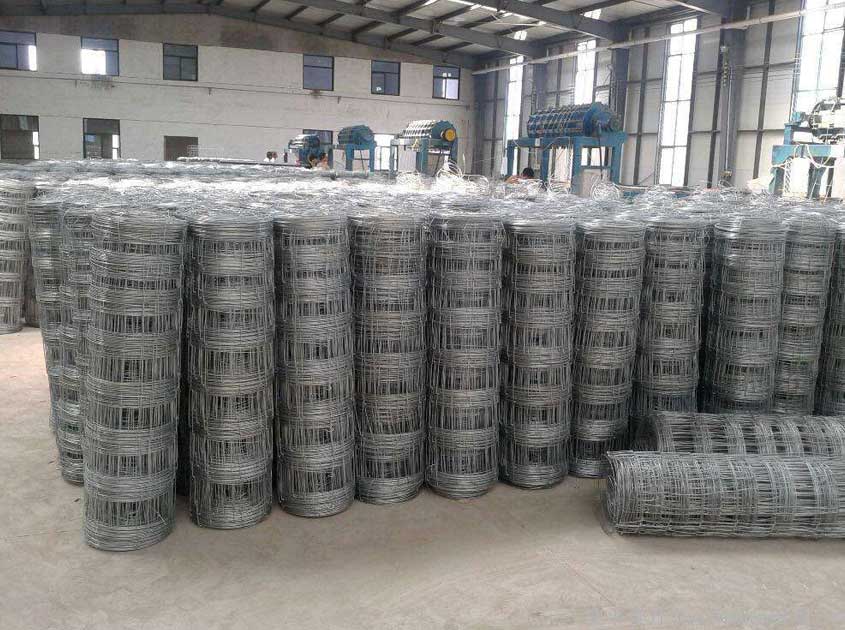
How to Choose Farm Fence for Cattle and Horses: Wire, Height and Design Guide
Pulished on Sep. 23, 2026
How Is Chain Link Fence Made? Manufacturing Process and Components
Pulished on Sep. 18, 2026
How to Select the Right Wire Diameter for Welded Wire Fence? A Practical Buyer’s Guide
Pulished on Nov. 18, 2026
What Mesh Size Is Best for Welded Wire Fence? A Practical Selection Guide
Pulished on Nov. 09, 2026
How Much Does Chain Link Fence Cost? A Complete Guide to Material Prices, Shipping and Project Costs
Pulished on Oct. 27, 2026
How to Install a Welded Wire Fence: A Step-by-Step Guide for Contractors
Pulished on Oct. 23, 2026
358 Fence vs Welded Wire Fence: Which Is Better for Your Project?
Pulished on Oct. 20, 2026
What Are the Advantages of Chain Link Fence? 8 Benefits for Commercial and Industrial Projects
Pulished on Oct. 16, 2026
How to Choose Farm Fence for Cattle and Horses: Wire, Height and Design Guide
Pulished on Sep. 23, 2026
How Is Chain Link Fence Made? Manufacturing Process and Components
Pulished on Sep. 18, 2026