EN
 SP
 FR

- Home
- About Us
- Products
- Service
- Project
- News
- Contact Us
Pulished on Dec. 25, 2024
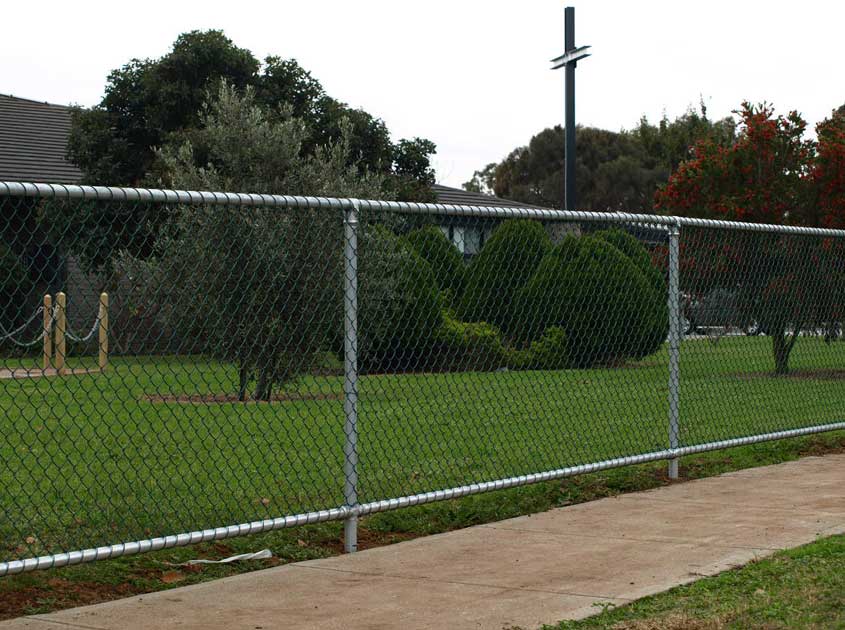
Farm fences, as the guardian of agricultural production, are of self-evident importance. This kind of fence uses environmentally friendly materials and technologies to form a structure that is both strong and breathable, providing strong support for agricultural production.

Environmentally friendly materials, green production:
Farm fences use environmentally friendly materials such as bamboo, wood, metal mesh, etc. These materials have good corrosion resistance and anti-aging properties, and can maintain their firmness and durability for a long time. At the same time, these materials are also renewable and can reduce pollution and damage to the environment. In the production process of the fence, advanced production processes and technical means are also used to reduce energy consumption and emissions, and achieve green production.
Strong structure, effective protection:
The structure of the farm fence is strong and stable, which can effectively prevent animals from breaking in and destroying. Its grid structure is tight and breathable, which can prevent animals from breaking in without affecting the growth and ventilation of plants. At the same time, the fence is also equipped with professional door locks and alarm systems to ensure the safety and reliability of the fence.
Ecological balance, promoting development:
The construction of farm fences not only helps to protect the safety and stability of agricultural production, but also promotes the development of ecological balance. By rationally planning and arranging the location and shape of fences, the layout of agricultural production and resource allocation can be optimized, and the utilization rate and output rate of land can be improved. At the same time, fences can also provide animals with safe habitats and activity space, and promote the protection and restoration of biodiversity.
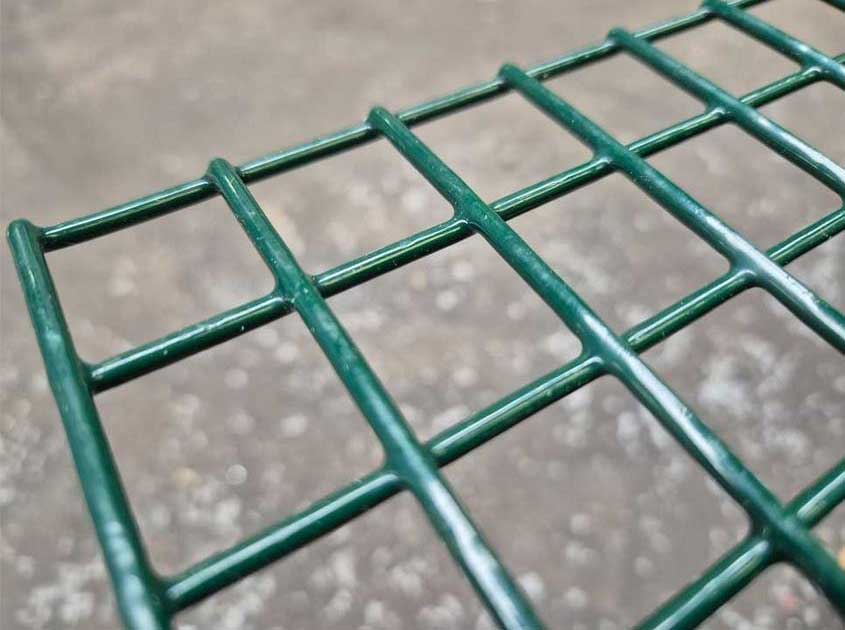
How to Select the Right Wire Diameter for Welded Wire Fence? A Practical Buyer’s Guide
Pulished on Nov. 18, 2026
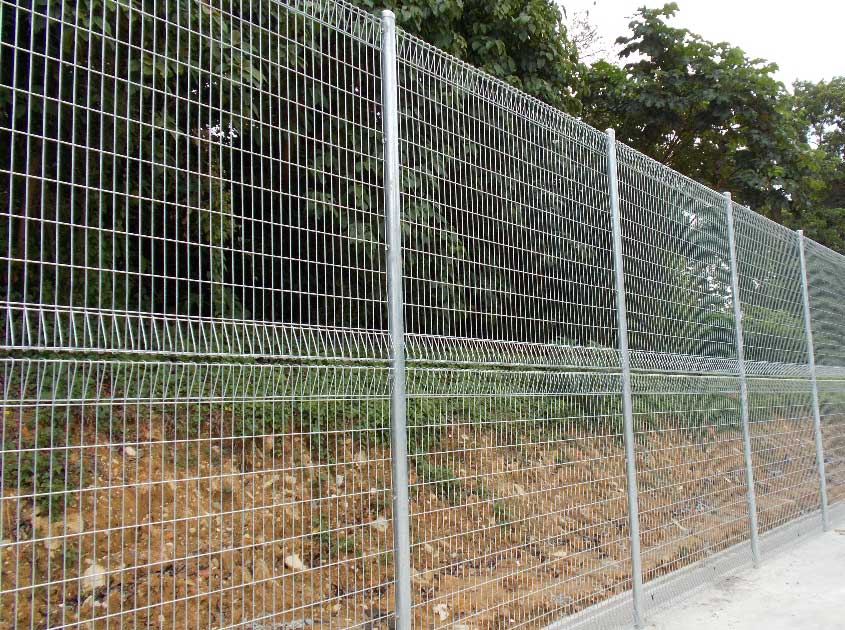
What Mesh Size Is Best for Welded Wire Fence? A Practical Selection Guide
Pulished on Nov. 09, 2026
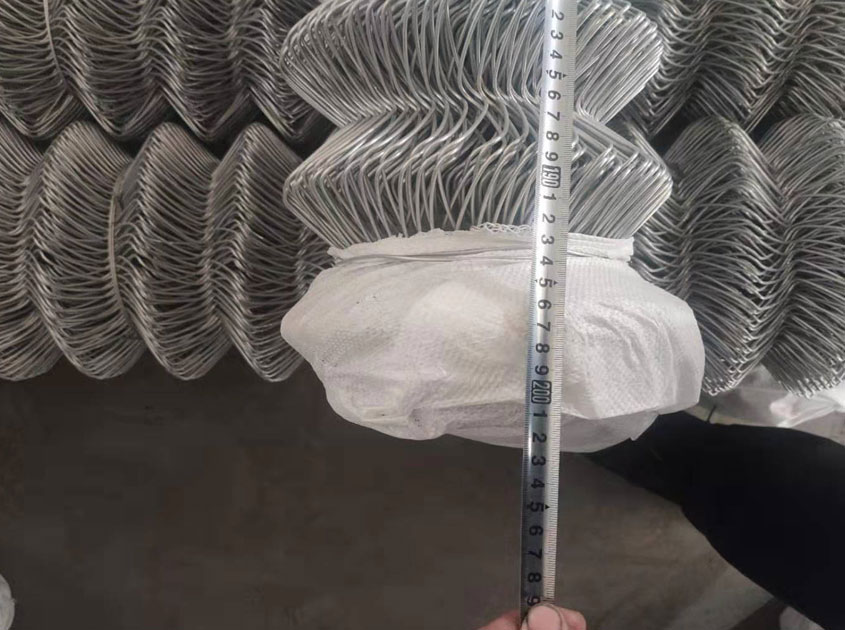
How Much Does Chain Link Fence Cost? A Complete Guide to Material Prices, Shipping and Project Costs
Pulished on Oct. 27, 2026
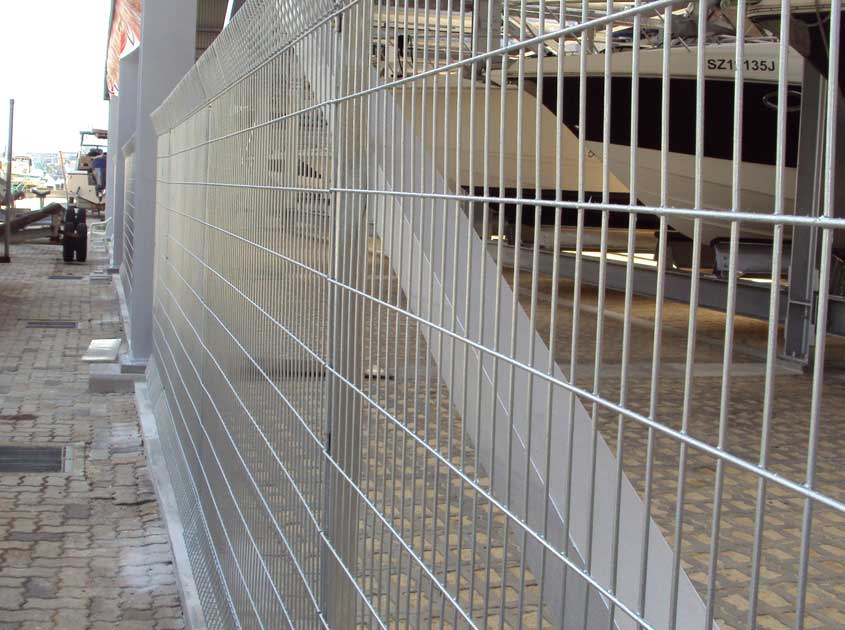
How to Install a Welded Wire Fence: A Step-by-Step Guide for Contractors
Pulished on Oct. 23, 2026
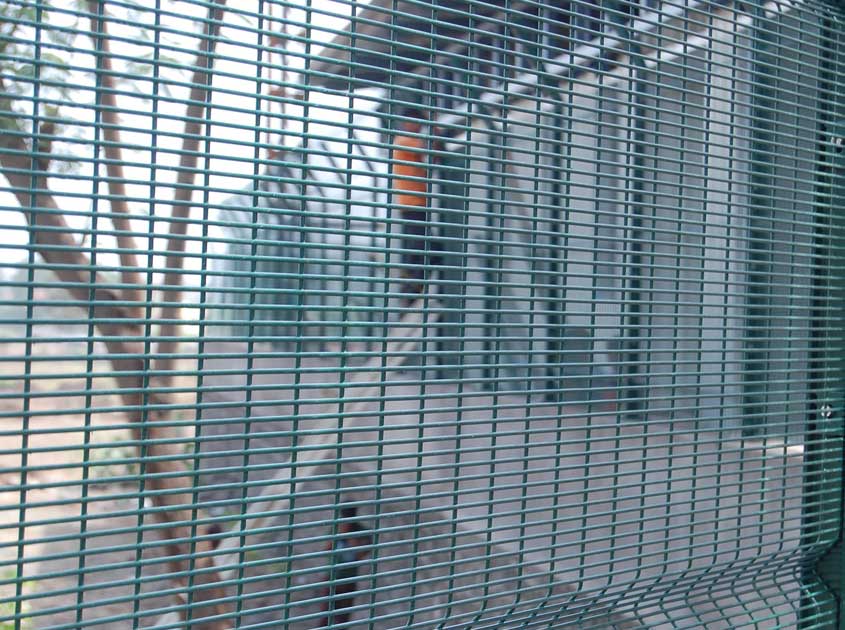
358 Fence vs Welded Wire Fence: Which Is Better for Your Project?
Pulished on Oct. 20, 2026
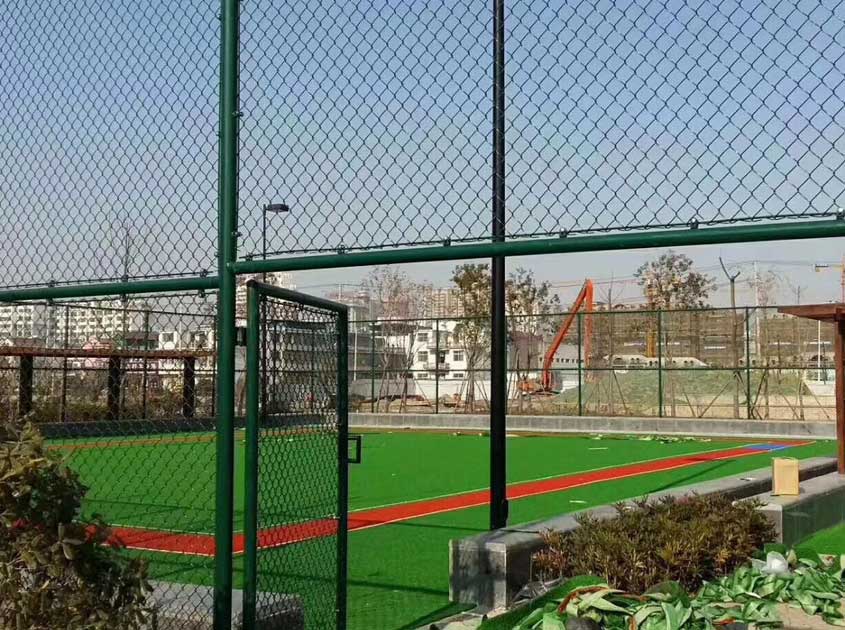
What Are the Advantages of Chain Link Fence? 8 Benefits for Commercial and Industrial Projects
Pulished on Oct. 16, 2026
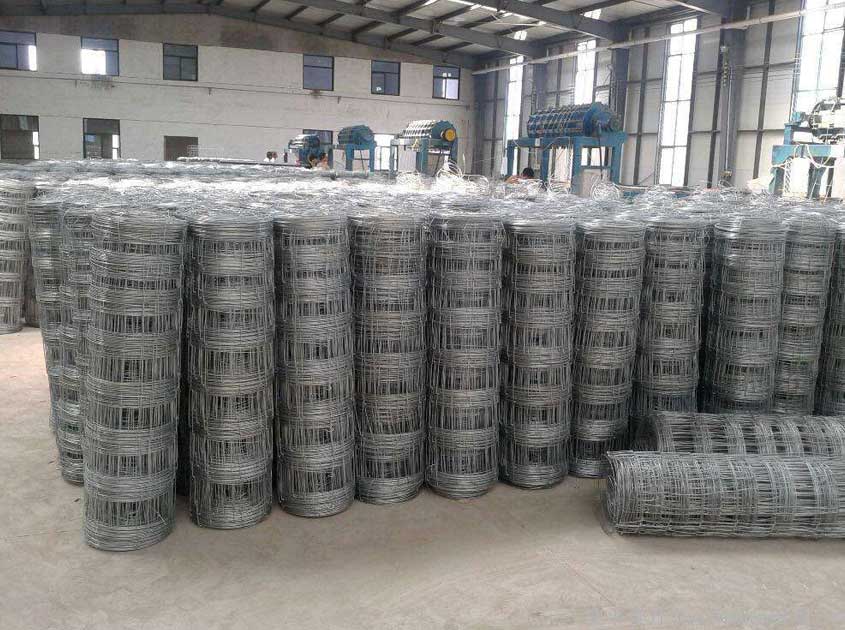
How to Choose Farm Fence for Cattle and Horses: Wire, Height and Design Guide
Pulished on Sep. 23, 2026
How Is Chain Link Fence Made? Manufacturing Process and Components
Pulished on Sep. 18, 2026
How to Select the Right Wire Diameter for Welded Wire Fence? A Practical Buyer’s Guide
Pulished on Nov. 18, 2026
What Mesh Size Is Best for Welded Wire Fence? A Practical Selection Guide
Pulished on Nov. 09, 2026
How Much Does Chain Link Fence Cost? A Complete Guide to Material Prices, Shipping and Project Costs
Pulished on Oct. 27, 2026
How to Install a Welded Wire Fence: A Step-by-Step Guide for Contractors
Pulished on Oct. 23, 2026
358 Fence vs Welded Wire Fence: Which Is Better for Your Project?
Pulished on Oct. 20, 2026
What Are the Advantages of Chain Link Fence? 8 Benefits for Commercial and Industrial Projects
Pulished on Oct. 16, 2026
How to Choose Farm Fence for Cattle and Horses: Wire, Height and Design Guide
Pulished on Sep. 23, 2026
How Is Chain Link Fence Made? Manufacturing Process and Components
Pulished on Sep. 18, 2026