EN
 SP
 FR

- Home
- About Us
- Products
- Service
- Project
- News
- Contact Us
Pulished on Nov. 23, 2026
A security fence is only effective when it can make unauthorized access difficult. For high-security locations such as industrial facilities, airports, power stations, warehouses, data centers and restricted compounds, a conventional fence may provide a visible boundary but still leave opportunities for climbing or cutting.
This is where 358 security fencing offers a different approach.
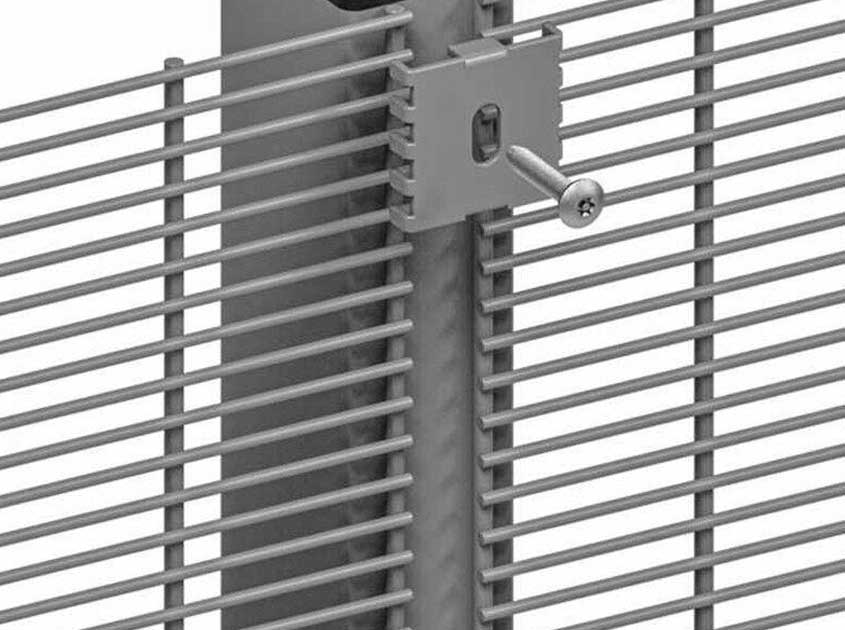
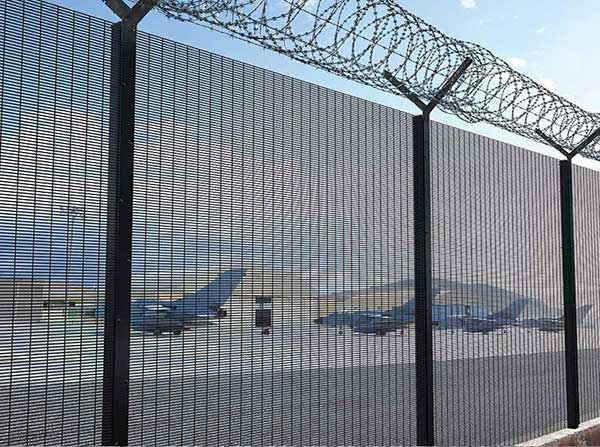
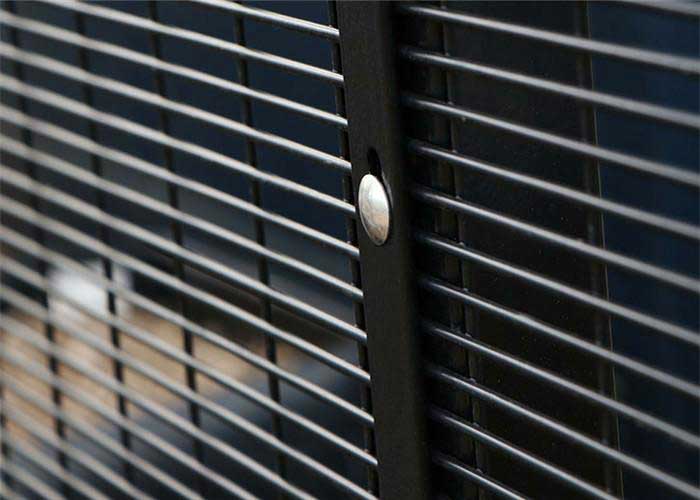
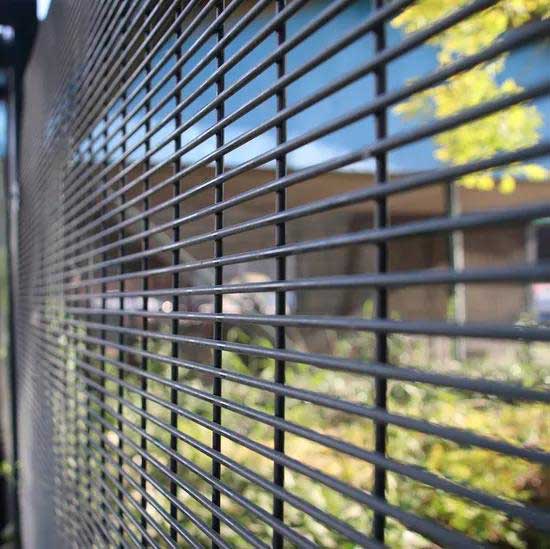
Known for its exceptionally narrow mesh openings, 358 security fence is designed to reduce footholds, limit hand access and make it more difficult to manipulate the fence surface. Its anti-climb performance comes from the combination of mesh geometry, wire diameter, panel rigidity and installation design.
But what exactly makes a 358 fence difficult to climb?
The answer is not simply that its openings are small. Several structural features work together to create a more challenging physical barrier.
1. What Does 358 Mean in Security Fencing?
The name "358" comes from the traditional imperial measurements of its mesh openings:
3 inches: approximately 76.2 mm in height
0.5 inches: approximately 12.7 mm in width
8 gauge: traditionally refers to the wire gauge, commonly around 4 mm in diameter, depending on the specification and wire gauge convention
The resulting mesh has a rectangular pattern with very narrow openings.
Unlike conventional welded wire fencing, which often has larger openings, 358 security panels are designed to minimize the space available for fingers, hands and climbing aids.
This distinctive geometry is the foundation of its anti-climb design.
2. Why Small Mesh Openings Make Climbing More Difficult
One of the most important factors in climbing a fence is finding stable points for the hands and feet.
A conventional fence with larger mesh openings may provide enough space for a person to insert their fingers or toes and use the wire intersections as climbing support.
A 358 fence significantly reduces these opportunities.
Its narrow openings make it difficult to:
Insert fingers deeply enough to obtain a secure grip
Place toes inside the mesh for climbing support
Use the mesh intersections as convenient footholds
Maintain a stable body position while attempting to climb
The difference is especially noticeable when comparing 358 mesh with conventional welded wire panels.
The smaller openings do not make climbing physically impossible, but they remove many of the convenient gripping points that a climber might otherwise use.
3. Why the Narrow Mesh Also Makes Tool Access More Difficult
Anti-climb protection is not only about preventing a person from gripping the fence.
The mesh structure also affects how easily tools can be positioned against the barrier.
With larger mesh openings, there may be more room to reach through the panel and access individual wires or connection points.
The narrow rectangular openings of 358 fencing restrict this access.
This can make certain manual attempts to manipulate or cut the mesh more difficult, although the actual level of resistance depends on wire diameter, steel properties, weld quality and the tools involved.
For high-security applications, buyers should consider both anti-climb and anti-cut performance rather than assuming that small mesh openings alone provide complete protection.
4. How Wire Diameter and Welded Structure Contribute to Panel Rigidity
Mesh opening size is only one part of the design.
The wire itself also matters.
358 security fencing commonly uses heavy welded steel wire, with approximately 4 mm wire frequently specified. The final specification should always be confirmed with the manufacturer.
A properly manufactured welded panel provides a connected grid rather than a collection of loosely arranged wires.
Its performance depends on several factors:
Wire diameter
Heavier wire generally contributes to greater material strength and panel stiffness, although actual performance also depends on steel grade and panel dimensions.
Weld integrity
Consistent welded intersections help the panel maintain its intended structure. Poor weld quality can create weak points even when the mesh dimensions appear correct.
Panel construction
Wire spacing, panel width, height and edge configuration influence how the finished panel behaves during handling and installation.
Surface protection
Hot-dip galvanizing or suitable protective coating systems can help reduce corrosion. Coating type and thickness should be selected according to the installation environment.
A good 358 fence is therefore not defined by mesh size alone. It requires consistent manufacturing quality across the complete panel.
5. Why Panel Rigidity Matters in a Complete Security System
A security fence should be evaluated as an installed system, not just as an individual mesh panel.
Even a well-designed 358 panel can lose some of its practical security value if it is installed with unsuitable posts, weak connections or inadequate foundations.
Important components include:
Fence panels: The primary physical barrier, manufactured to the specified mesh opening and wire diameter.
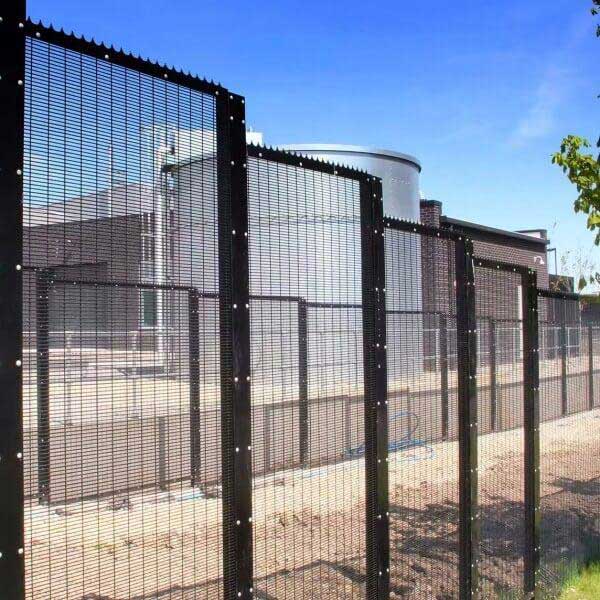
Steel posts: Provide structural support and help maintain the fence line.
Fixing brackets and security fasteners: Connect panels to posts and help prevent unauthorized removal.
Post foundations: Transfer loads into the ground and maintain stability.
Top security features: May include appropriately designed extensions or other approved perimeter protection components.
The complete system should be designed around site conditions, required security levels, wind exposure, terrain and local regulations.
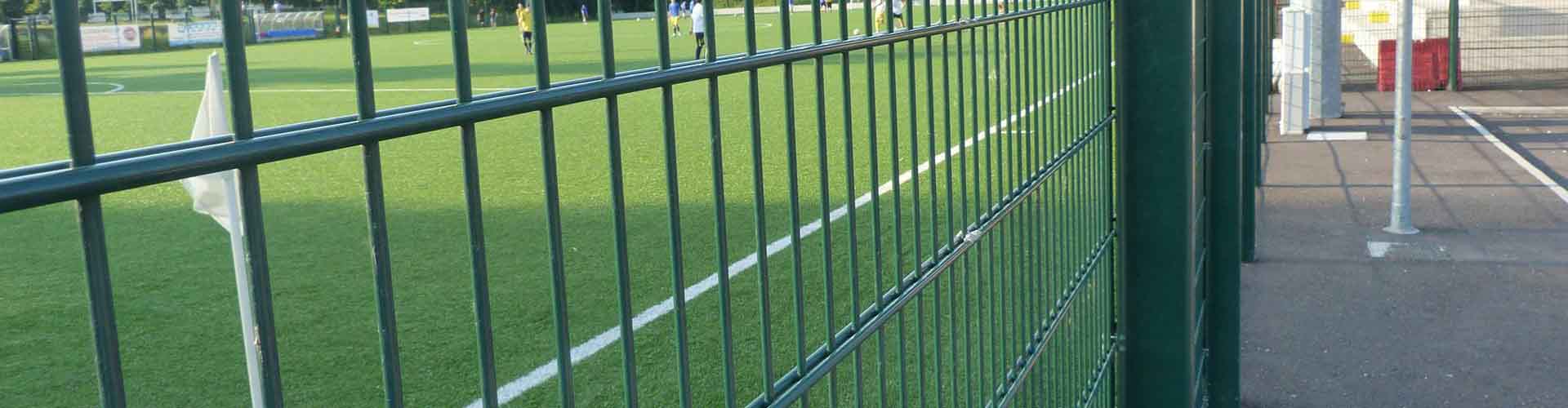
6. 358 Fence vs. Conventional Welded Wire Fence: What Is the Difference?
The main distinction is the relationship between mesh geometry and security requirements.
Feature
358 Security Fence
Conventional Welded Wire Fence
Mesh opening Very narrow rectangular openings Usually larger openings
Finger access Strongly restricted Depends on opening size
Foot placement Limited climbing support May provide more footholds
Tool access Restricted by narrow openings Often more accessible
Panel construction Typically heavy welded panels Available in many wire sizes
Main application High-security perimeter protection General fencing and enclosure
Conventional welded wire fencing remains suitable for many agricultural, commercial and industrial applications.
However, when reducing climbing opportunities is a major project requirement, the narrow mesh structure of 358 security fencing provides a clear design advantage.
7. Where Is 358 Anti-Climb Fencing Commonly Used?
Because of its security-focused structure, 358 fencing is frequently selected for sites where perimeter access control is particularly important.
Airports and Transportation Facilities
Airports and transportation infrastructure require controlled perimeter boundaries. 358 panels can help restrict climbing opportunities while maintaining visibility through the fence.
Power Stations and Utility Facilities
Electrical substations, power plants and utility installations often require durable perimeter protection. The fence system should be selected according to the site's security assessment and environmental conditions.
Industrial Plants and Warehouses
Factories, logistics centers and storage facilities may use 358 fencing to protect equipment, materials and restricted operational areas.
Data Centers and Critical Infrastructure
Data centers and other sensitive facilities may require layered perimeter security. 358 fencing can serve as one physical component of a broader access-control system.
Prisons and Restricted Compounds
Correctional facilities and restricted compounds may specify anti-climb fencing as part of a security perimeter. Final designs must comply with the applicable security requirements and project specifications.
8. Can 358 Security Fence Be Completely Impossible to Climb?
No fence should be described as completely impossible to climb under every circumstance.
358 security fencing is designed to make climbing substantially more difficult by restricting handholds and footholds. However, overall security depends on more than the mesh itself.
For example:
Insufficient fence height may reduce its effectiveness.
Poorly secured panels may create vulnerabilities.
Nearby trees, equipment or structures may provide alternative access.
Inadequate foundations can affect overall stability.
Unsuitable top configurations may leave additional security risks.
For demanding projects, buyers should consider the entire perimeter, including gates, corners, ground clearance, transitions and potential access points.
A professional security assessment is more reliable than selecting a fence based on mesh specifications alone.
9. How to Choose the Right 358 Security Fence Specification
Before placing an order, buyers should confirm the following details with their manufacturer.
Specification
What to Confirm
Mesh opening Common 358 configuration or project-specific dimensions
Wire diameter Commonly around 4 mm; confirm actual requirement
Panel height Based on site security requirements
Panel width Compatible with post spacing and installation layout
Material Steel grade and wire material requirements
Surface treatment Hot-dip galvanized, powder-coated or specified coating system
Post specification Post dimensions, wall thickness and material
Fixing system Brackets, fasteners and connection details
Top configuration Standard top or additional security features
Standards Applicable project specifications and local requirements
For international projects, it is also important to confirm whether the buyer needs galvanized-only panels or galvanized panels with an additional powder-coated finish.
These details influence manufacturing, packaging, shipping and installation costs.
10. Why Manufacturing Quality Matters in 358 Security Fence
A 358 fence may look similar from a distance, but differences in production quality can affect its actual performance.
Buyers should pay attention to:
Consistent mesh dimensions: Irregular openings can affect panel appearance and dimensional accuracy.
Stable wire diameter: The actual wire diameter should match the agreed specification.
Reliable welded joints: Welded intersections should be consistent and free from obvious defects.
Uniform surface treatment: Coating quality should be checked for continuity and compliance with the agreed requirements.
Dimensional inspection: Panel height, width, flatness and connection positions should be verified before shipment.
For distributors and contractors, consistent production quality is particularly important when purchasing multiple containers or supplying projects with repeated panel specifications.
Conclusion: Anti-Climb Performance Comes from the Complete Design
What makes 358 security fence difficult to climb is the combination of narrow mesh openings, limited hand and foot access, restricted tool access and a rigid welded panel structure.
Its security performance, however, does not come from one specification alone.
Wire diameter, weld quality, panel dimensions, posts, fixing systems, foundations and installation conditions all contribute to the performance of the finished perimeter.
For buyers planning high-security fencing projects, choosing a manufacturer that understands both mesh production and complete panel specifications is an important step.
Linkland fence manufactures and supplies wire mesh and security fencing products for international markets. With more than 20 years of manufacturing and export experience, a 13,000+ m² production facility and experience serving customers in over 80 countries, we support distributors, contractors and project buyers with product specifications for different fencing requirements.
Contact Linkland fence to discuss your 358 security fence requirements, including mesh opening, wire diameter, panel dimensions, surface treatment and project quantity.
What Makes 358 Security Fence Difficult to Climb? The Engineering Behind Its Anti-Climb Design
Pulished on Nov. 23, 2026
How to Select the Right Wire Diameter for Welded Wire Fence? A Practical Buyer’s Guide
Pulished on Nov. 18, 2026
What Mesh Size Is Best for Welded Wire Fence? A Practical Selection Guide
Pulished on Nov. 09, 2026
How Much Does Chain Link Fence Cost? A Complete Guide to Material Prices, Shipping and Project Costs
Pulished on Oct. 27, 2026
How to Install a Welded Wire Fence: A Step-by-Step Guide for Contractors
Pulished on Oct. 23, 2026
358 Fence vs Welded Wire Fence: Which Is Better for Your Project?
Pulished on Oct. 20, 2026
What Are the Advantages of Chain Link Fence? 8 Benefits for Commercial and Industrial Projects
Pulished on Oct. 16, 2026
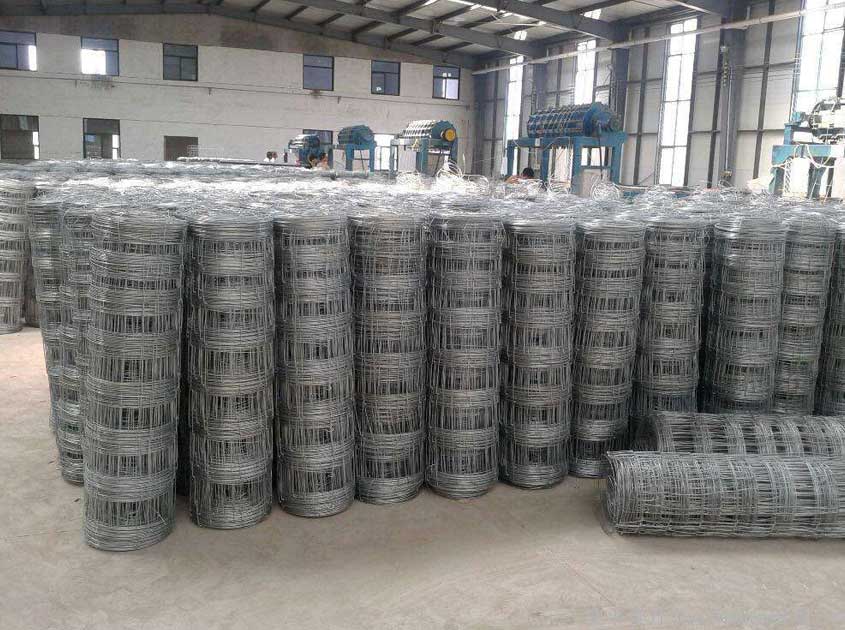
How to Choose Farm Fence for Cattle and Horses: Wire, Height and Design Guide
Pulished on Sep. 23, 2026
What Makes 358 Security Fence Difficult to Climb? The Engineering Behind Its Anti-Climb Design
Pulished on Nov. 23, 2026
How to Select the Right Wire Diameter for Welded Wire Fence? A Practical Buyer’s Guide
Pulished on Nov. 18, 2026
What Mesh Size Is Best for Welded Wire Fence? A Practical Selection Guide
Pulished on Nov. 09, 2026
How Much Does Chain Link Fence Cost? A Complete Guide to Material Prices, Shipping and Project Costs
Pulished on Oct. 27, 2026
How to Install a Welded Wire Fence: A Step-by-Step Guide for Contractors
Pulished on Oct. 23, 2026
358 Fence vs Welded Wire Fence: Which Is Better for Your Project?
Pulished on Oct. 20, 2026
What Are the Advantages of Chain Link Fence? 8 Benefits for Commercial and Industrial Projects
Pulished on Oct. 16, 2026
How to Choose Farm Fence for Cattle and Horses: Wire, Height and Design Guide
Pulished on Sep. 23, 2026