EN
 SP
 FR

- Home
- About Us
- Products
- Service
- Project
- News
- Contact Us
Pulished on Aug. 11, 2023
grid plate
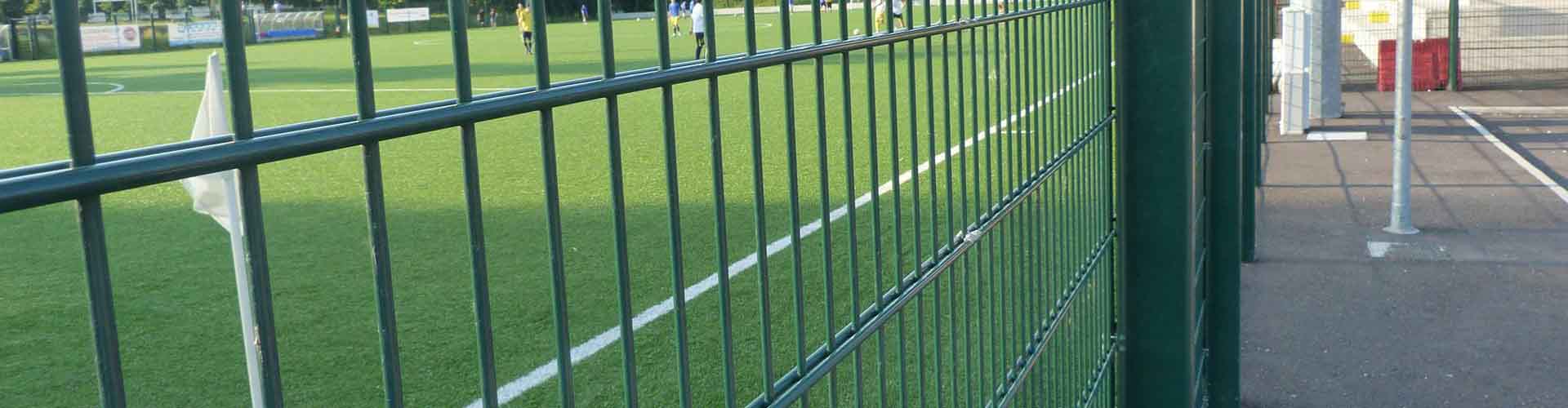
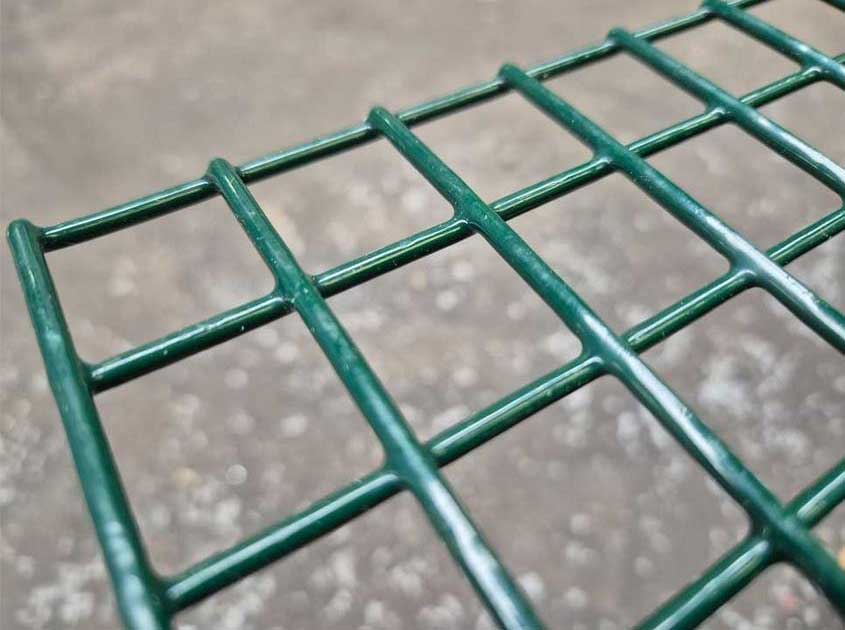
One of the main components of an anti-climb fence is the mesh panel. Grid panels are planar structures made of a strong and durable material, usually a metallic material such as steel or aluminum. Mesh panels feature a tight mesh that prevents climbers from getting through or inserting fingers or toes, effectively preventing climbing and overturning.

column
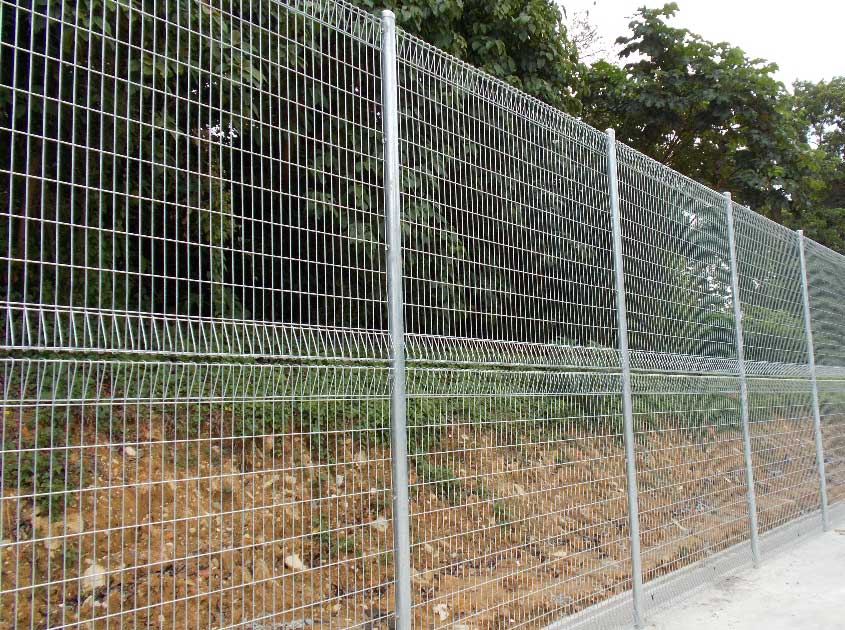
Posts are the vertical structures that support the anti-climbing fence. They are usually made of strong metallic materials such as steel or aluminum. The number and spacing of posts depends on the length and height of the fence. Columns provide stability and support through a plinth or concrete foundation anchored to the ground.

top protection
The top of the anti-climbing fence usually has a special protective design to increase the difficulty of climbing. Common top guard components include spikes, barbs, and twisted metal strips, among others. These designs make it difficult for climbers to find stable support and reduce the likelihood of climbing.

Connectors and Accessories
Anti-climbing fences also include connectors and fittings for connecting and securing components between grid panels and posts. Common connections and fittings include bolts, screws, welded joints and special connection systems. These components ensure the stability and firmness of the fence against vandalism and break-ins.
By understanding the components of an anti-climb fence, we can better understand its design and function. Mesh panels provide a tight mesh, posts provide support and stability, top guards add to the difficulty of climbing, while connectors and accessories ensure the firmness of the fence. The combination of these components makes the anti-climbing fence can effectively prevent climbing and climbing behaviors, providing safety and protection.
How to Select the Right Wire Diameter for Welded Wire Fence? A Practical Buyer’s Guide
Pulished on Nov. 18, 2026
What Mesh Size Is Best for Welded Wire Fence? A Practical Selection Guide
Pulished on Nov. 09, 2026
How Much Does Chain Link Fence Cost? A Complete Guide to Material Prices, Shipping and Project Costs
Pulished on Oct. 27, 2026
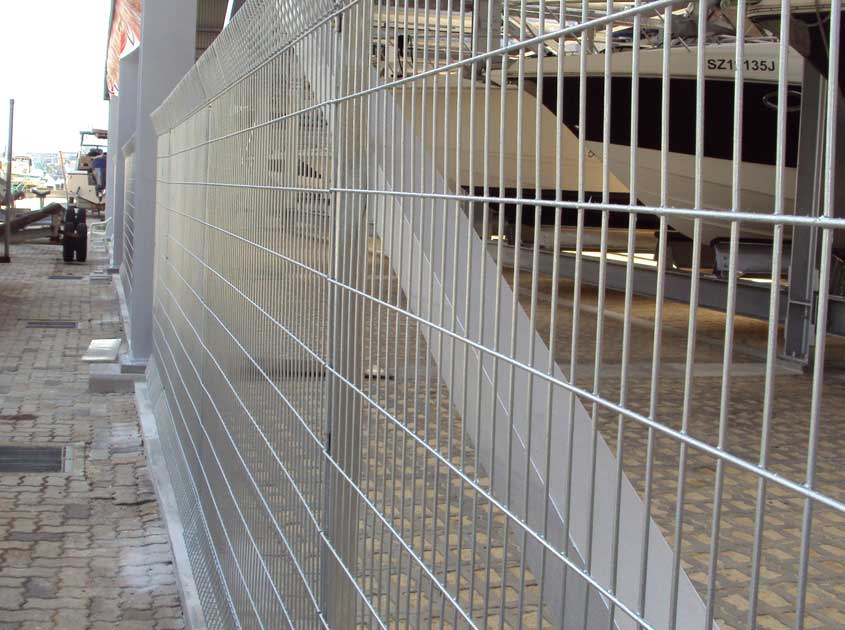
How to Install a Welded Wire Fence: A Step-by-Step Guide for Contractors
Pulished on Oct. 23, 2026
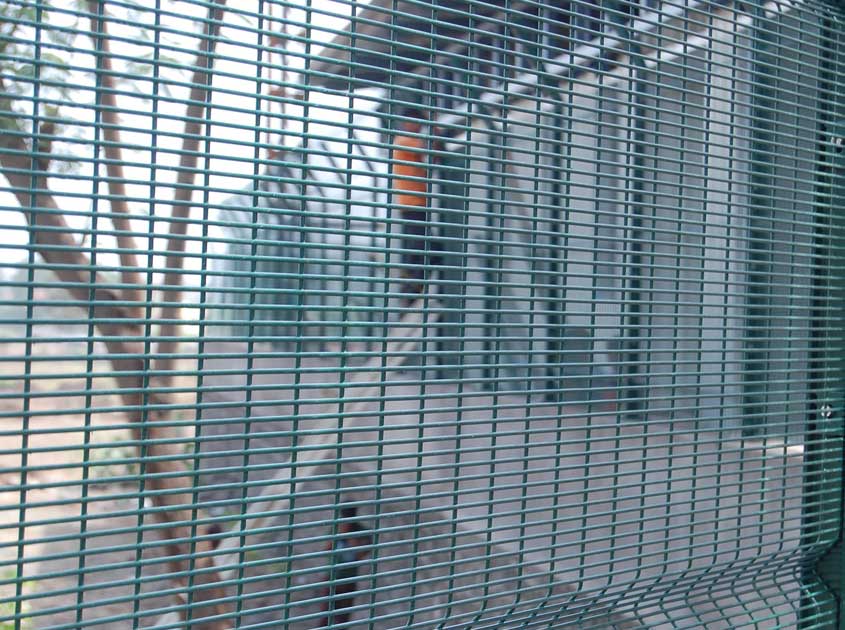
358 Fence vs Welded Wire Fence: Which Is Better for Your Project?
Pulished on Oct. 20, 2026

What Are the Advantages of Chain Link Fence? 8 Benefits for Commercial and Industrial Projects
Pulished on Oct. 16, 2026
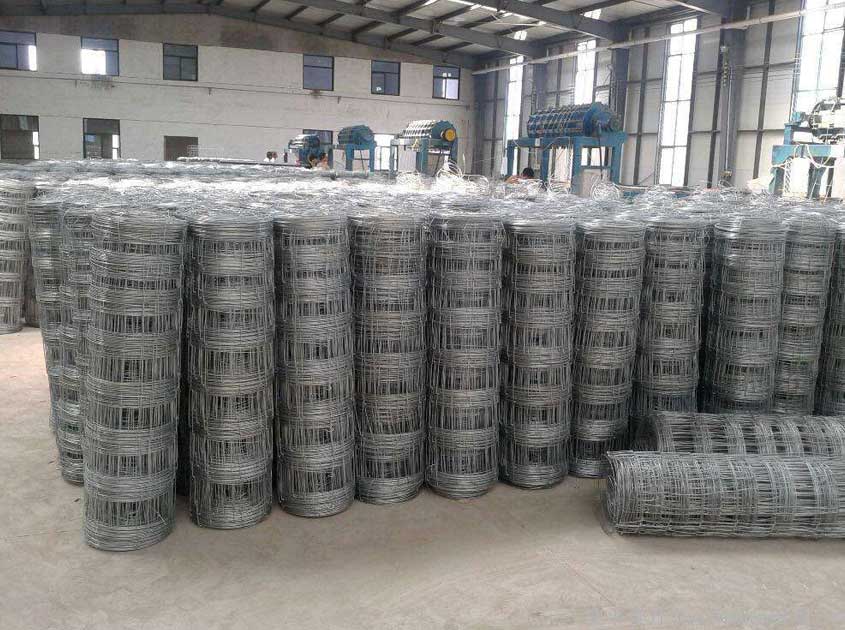
How to Choose Farm Fence for Cattle and Horses: Wire, Height and Design Guide
Pulished on Sep. 23, 2026
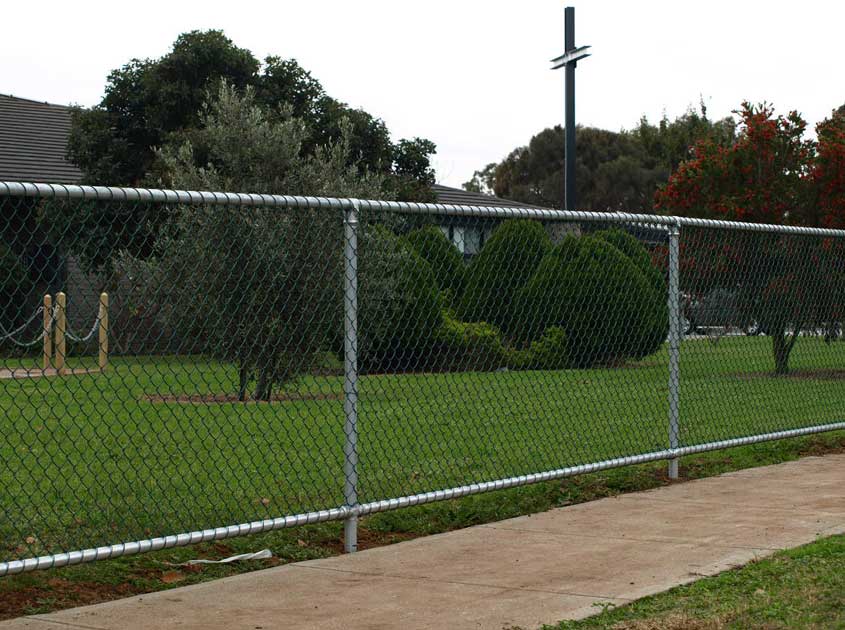
How Is Chain Link Fence Made? Manufacturing Process and Components
Pulished on Sep. 18, 2026
How to Select the Right Wire Diameter for Welded Wire Fence? A Practical Buyer’s Guide
Pulished on Nov. 18, 2026
What Mesh Size Is Best for Welded Wire Fence? A Practical Selection Guide
Pulished on Nov. 09, 2026
How Much Does Chain Link Fence Cost? A Complete Guide to Material Prices, Shipping and Project Costs
Pulished on Oct. 27, 2026
How to Install a Welded Wire Fence: A Step-by-Step Guide for Contractors
Pulished on Oct. 23, 2026
358 Fence vs Welded Wire Fence: Which Is Better for Your Project?
Pulished on Oct. 20, 2026
What Are the Advantages of Chain Link Fence? 8 Benefits for Commercial and Industrial Projects
Pulished on Oct. 16, 2026
How to Choose Farm Fence for Cattle and Horses: Wire, Height and Design Guide
Pulished on Sep. 23, 2026
How Is Chain Link Fence Made? Manufacturing Process and Components
Pulished on Sep. 18, 2026