EN
EN SP
SP FR
FR
- Home
- About Us
- Products
- Service
- Project
- News
- Contact Us
Pulished on Nov. 28, 2025
The Middle East construction and security market has been experiencing significant growth in recent years. Countries such as the United Arab Emirates, Saudi Arabia, Qatar, Kuwait, and Oman are increasingly investing in residential, commercial, and industrial infrastructure. As a result, the demand for high-quality protective fencing or security fences has surged, driven by a combination of urban development, industrial expansion, and heightened safety awareness.
For suppliers and distributors, understanding the reasons behind this demand is essential for optimizing supply strategies and targeting the right market segments. As a professional Chinese wire fence manufacturer, we provide insights into the key factors driving security fence demand in the Middle East.
1. Rapid Urbanization and Construction Growth
The Middle East is witnessing rapid urbanization with large-scale projects such as:
Residential communities and luxury villas
Commercial complexes and office parks
Airports, ports, and logistics hubs
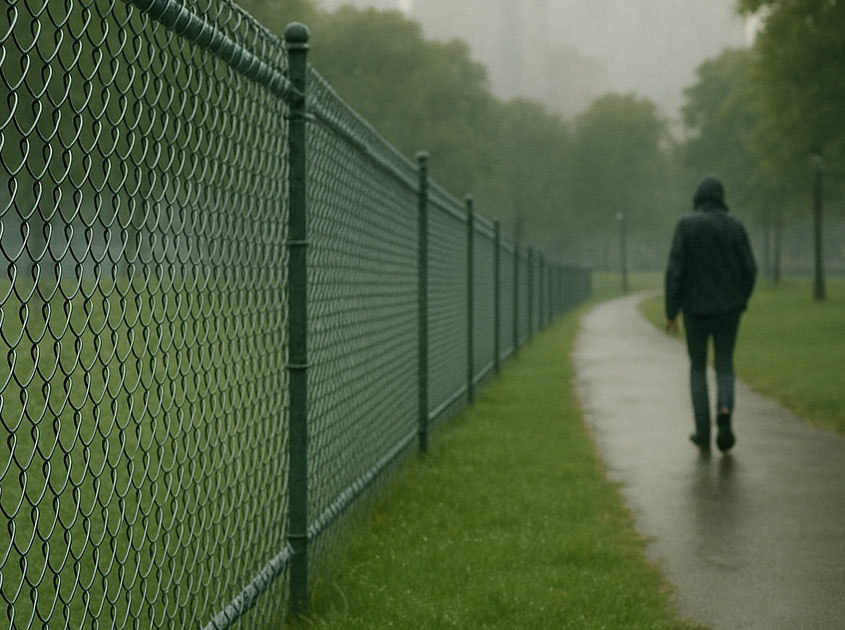
Public infrastructure, such as schools, hospitals, and stadiums
Impact on fence demand:
Security and protective fencing is essential to ensure perimeter safety for these projects. High-quality welded wire mesh, palisade fences, and industrial barriers are increasingly installed to meet regulatory and safety requirements.
2. Rising Security Concerns
Heightened awareness of security issues is another major factor:
Industrial facilities and oil & gas installations require perimeter protection.
Urban areas with high population density demand safe residential fencing.
Airports, military zones, and government buildings enforce strict security measures.
Result:
There is growing demand for anti-climb, high-strength, and corrosion-resistant fences. Fences topped with barbed wire or razor wire are also commonly used for enhanced protection.
3. Expansion of Industrial and Commercial Facilities
The Middle East is rapidly expanding its industrial and commercial sectors:
Oil and gas plants
Warehouses and distribution centers
Logistics parks
Manufacturing facilities
Fence demand characteristics:
Industrial and commercial facilities require durable welded mesh fences, chain link fences, and anti-intrusion barriers to secure high-value assets and prevent unauthorized access.
4. Harsh Climatic Conditions Require Durable Materials
The Middle East climate poses unique challenges for outdoor fencing:
High temperatures and strong UV exposure
Occasional sandstorms in desert areas
Coastal humidity in port cities
Material requirements:
Stainless steel (SS304/316) for corrosion resistance
Hot-dip galvanized or powder-coated steel
Aluminum alloys for lightweight fencing
Suppliers providing durable, climate-resistant fencing products are in high demand.
5. Government Regulations and Safety Standards
Many Middle Eastern countries have strict regulations for building safety and perimeter security:
Construction projects must comply with local building codes and safety standards
Industrial zones require fencing that meets fire resistance, strength, and durability standards
Public projects must follow environmental and safety regulations
Compliance with these standards drives demand for certified security fencing with documented quality assurance.
6. Growing Interest in Customized Solutions
Modern projects often require custom fencing solutions:
Tailored heights, mesh sizes, and panel designs
Decorative yet secure fences for residential and commercial projects
Modular fencing systems for large-scale industrial or infrastructure sites
Suppliers capable of providing customizable solutions are increasingly preferred by Middle Eastern clients.
7. Influence of Infrastructure Mega-Projects
Mega-projects in the region, such as Saudi Arabia’s NEOM city, Dubai’s urban expansions, and Qatar 2030 development initiatives, create massive demand for perimeter protection:

High-volume supply of welded wire mesh and palisade fences
Integration with access control and monitoring systems
Long-term contracts for multiple project phases
These projects have accelerated demand for reliable fencing manufacturers and exporters.
8. Preference for Experienced Suppliers
Middle Eastern buyers prioritize suppliers who can ensure:
Consistent product quality
On-time delivery
Export experience with customs documentation
Technical support for installation and project management
Chinese fence manufacturers with ISO certification and international export experience are particularly popular in the region due to competitive pricing, manufacturing capacity, and customization capabilities.
Conclusion
The growing demand for security and protective fencing in the Middle East is driven by:
Rapid urbanization and large-scale construction projects
Heightened security awareness in residential, commercial, and industrial sectors
Expansion of industrial facilities requiring perimeter protection
Harsh climatic conditions demanding durable materials
Compliance with government regulations and safety standards
Rising interest in customized and modular fencing solutions
Mega-project infrastructure developments
Preference for reliable and experienced suppliers
For Chinese wire fence manufacturers, understanding these market drivers is essential to provide the right products and services. By offering durable, customizable, and high-quality fencing solutions, suppliers can effectively meet Middle Eastern demand and establish long-term partnerships with distributors and contractors in the region.
Why Choose Welded Wire Fence for Security and Protection?
Pulished on Sep. 07, 2026
358 Security Fence Specifications and Applications Guide
Pulished on Aug. 27, 2026
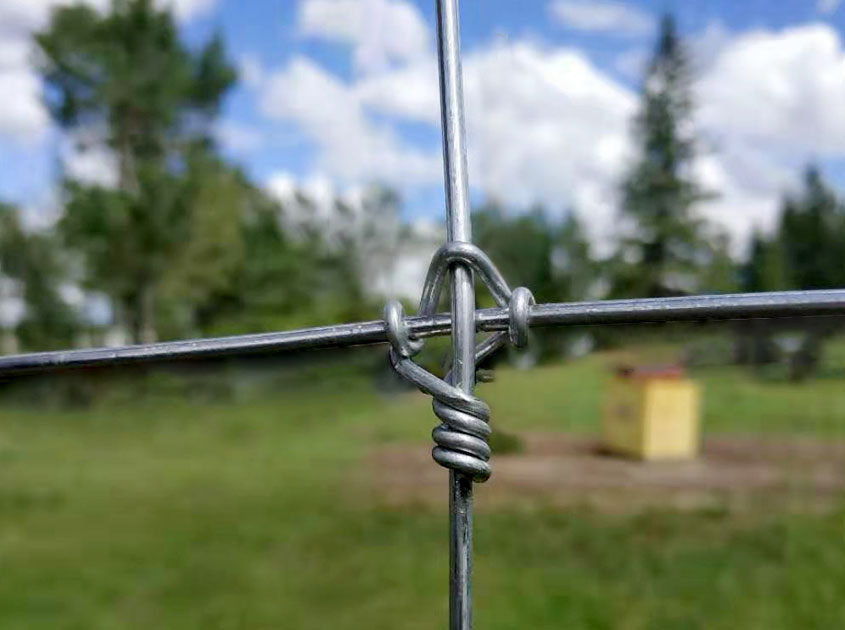
What Is Farm Fence and What Are the Main Types?
Pulished on Aug. 26, 2026
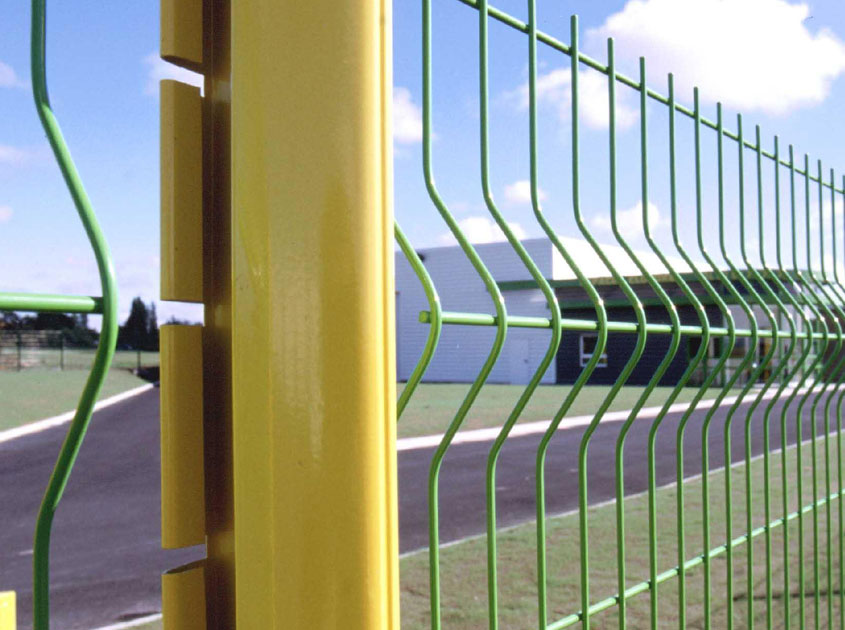
Welded Wire Fence Types, Sizes and Applications Guide
Pulished on Aug. 20, 2026
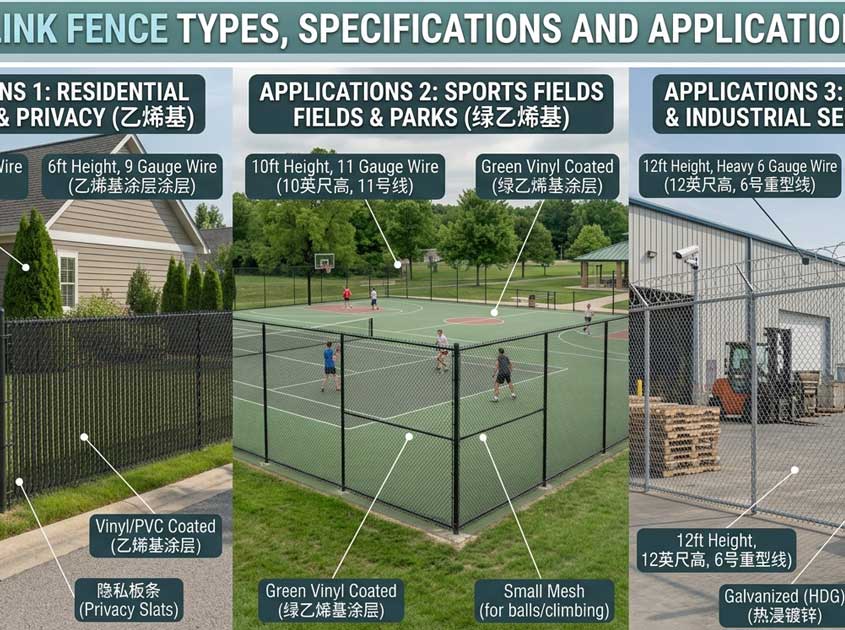
Chain Link Fence Types, Specifications and Applications Guide
Pulished on Aug. 12, 2026
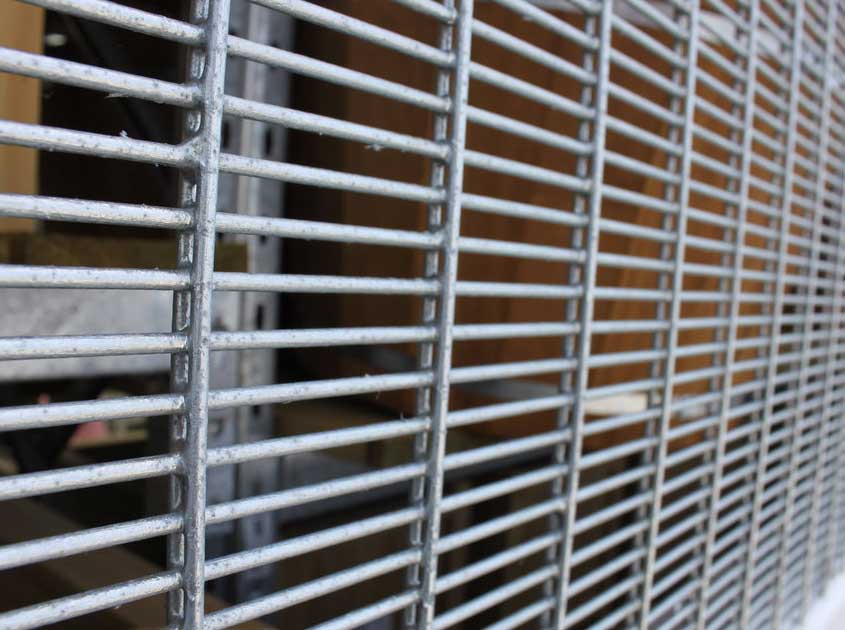
How Much Does 358 Security Fence Cost? Complete Price Guide for International Buyers
Pulished on Jul. 22, 2026
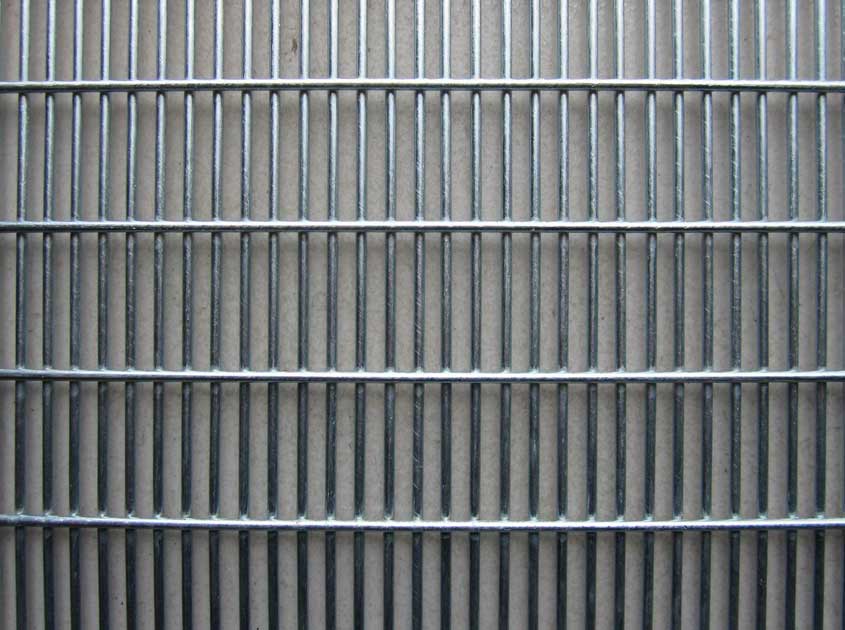
358 Security Fence vs Chain Link Fence: Which One Is Better for High Security Projects?
Pulished on Jul. 22, 2026
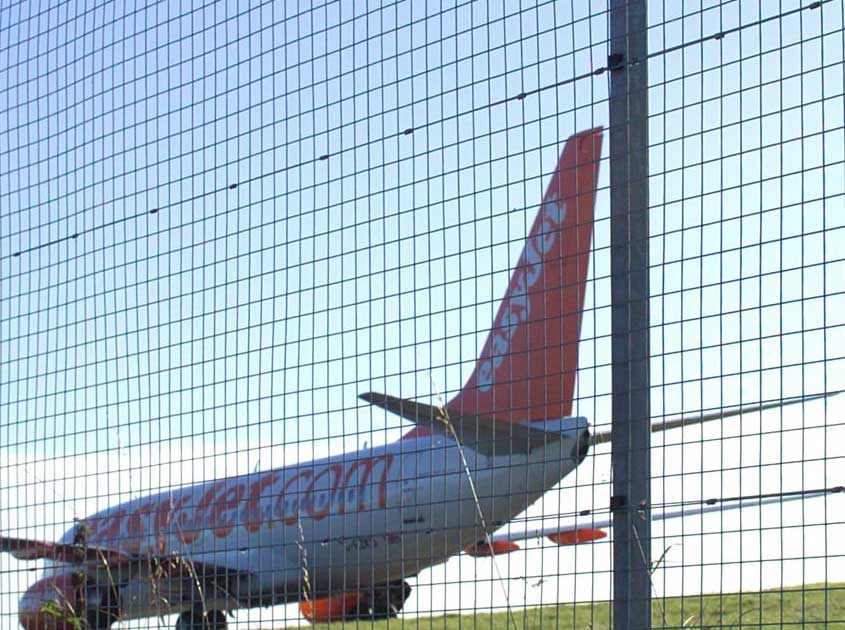
Anti-Climb 358 Mesh Fence Supplier for Prisons and Airports
Pulished on Jul. 22, 2026
Why Choose Welded Wire Fence for Security and Protection?
Pulished on Sep. 07, 2026
358 Security Fence Specifications and Applications Guide
Pulished on Aug. 27, 2026
What Is Farm Fence and What Are the Main Types?
Pulished on Aug. 26, 2026
Welded Wire Fence Types, Sizes and Applications Guide
Pulished on Aug. 20, 2026
Chain Link Fence Types, Specifications and Applications Guide
Pulished on Aug. 12, 2026
How Much Does 358 Security Fence Cost? Complete Price Guide for International Buyers
Pulished on Jul. 22, 2026
358 Security Fence vs Chain Link Fence: Which One Is Better for High Security Projects?
Pulished on Jul. 22, 2026
Anti-Climb 358 Mesh Fence Supplier for Prisons and Airports
Pulished on Jul. 22, 2026