EN
 SP
 FR

- Home
- About Us
- Products
- Service
- Project
- News
- Contact Us
Pulished on Sep. 18, 2023
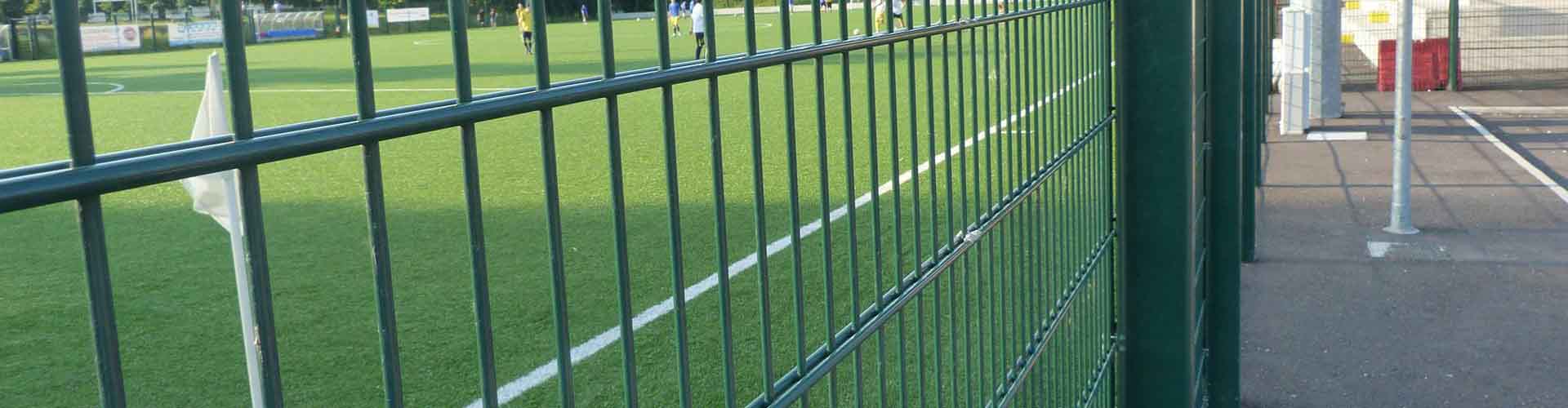
Durability and Long Life: 3D fence offers excellent durability and long life, which makes it ideal for reducing maintenance costs. This type of fence is usually made from high-quality materials, such as galvanized steel or coated steel, which resists corrosion and weathering. Compared with traditional fences, 3D fences can withstand the test of time better, reducing the frequency of repairs and replacements, thereby reducing maintenance costs.

Low Maintenance Requirements: 3D fence has lower maintenance requirements compared to other types of fences. Its design structure makes it more stable and less susceptible to deformation and damage from external factors. In addition, the surface of 3D fence is usually coated with anti-rust and anti-corrosion coating, making it more durable and less prone to rust. This reduces the frequency and workload of daily maintenance work and reduces maintenance costs.

Resistant to adverse weather conditions: 3D fence is resistant to adverse weather conditions, which also helps reduce maintenance costs. It can withstand adverse weather conditions such as high wind speeds, strong winds, hail and heavy rain. Its sturdy construction and windproof design allow it to withstand the elements, reducing weather-related damage and repair costs.

Long-term economic benefits: Choosing a 3D fence can not only reduce maintenance costs, but also bring long-term economic benefits. Due to its durability and low maintenance requirements, 3D fence can save significant repair and replacement costs over the long term. In addition, its attractive appearance and high quality also help to increase the value and attractiveness of the site, resulting in better returns for the owners.
By choosing a 3D fence, you can reduce your fence maintenance costs and enjoy its long-term financial benefits. 3D fence’s durability, low maintenance requirements, resistance to harsh weather conditions, and long-term financial benefits make it a reliable solution for reducing maintenance costs.
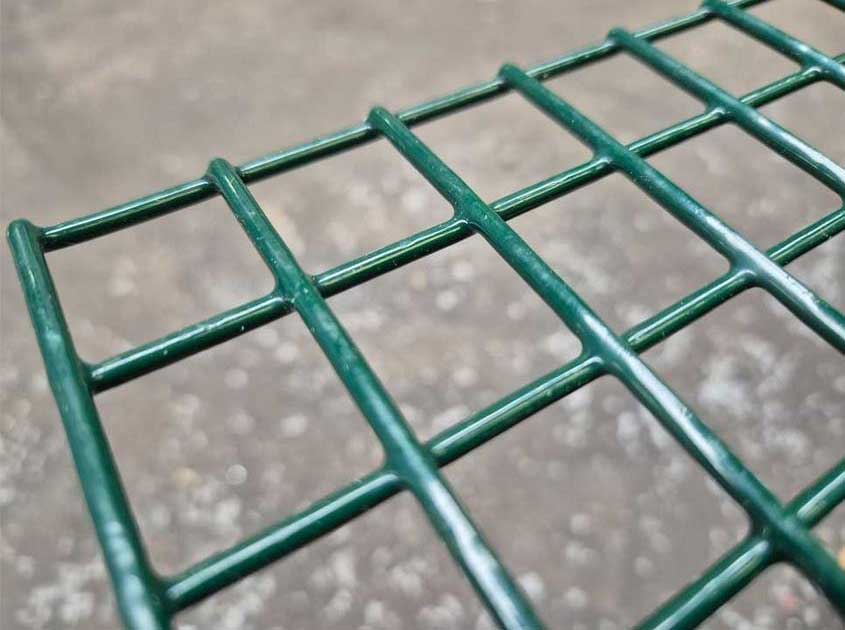
How to Select the Right Wire Diameter for Welded Wire Fence? A Practical Buyer’s Guide
Pulished on Nov. 18, 2026
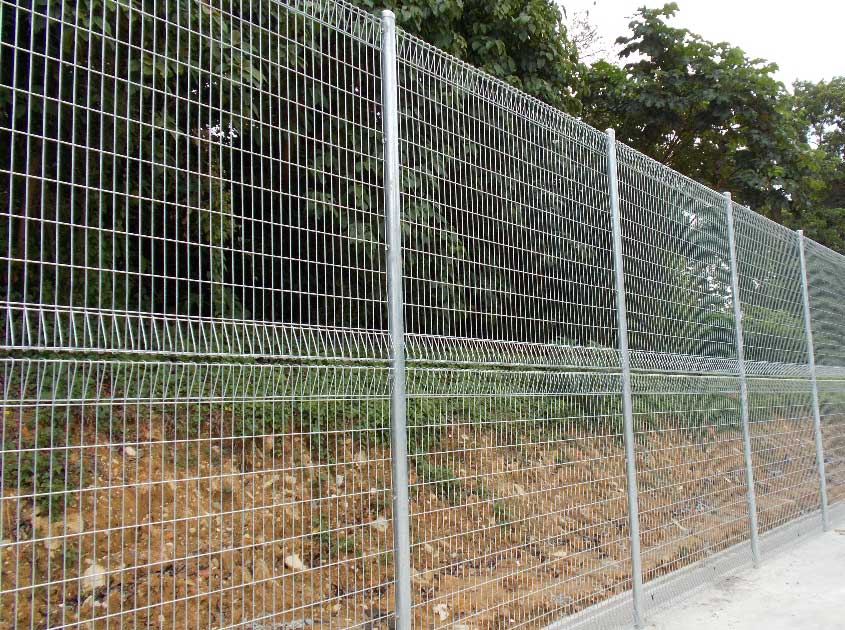
What Mesh Size Is Best for Welded Wire Fence? A Practical Selection Guide
Pulished on Nov. 09, 2026
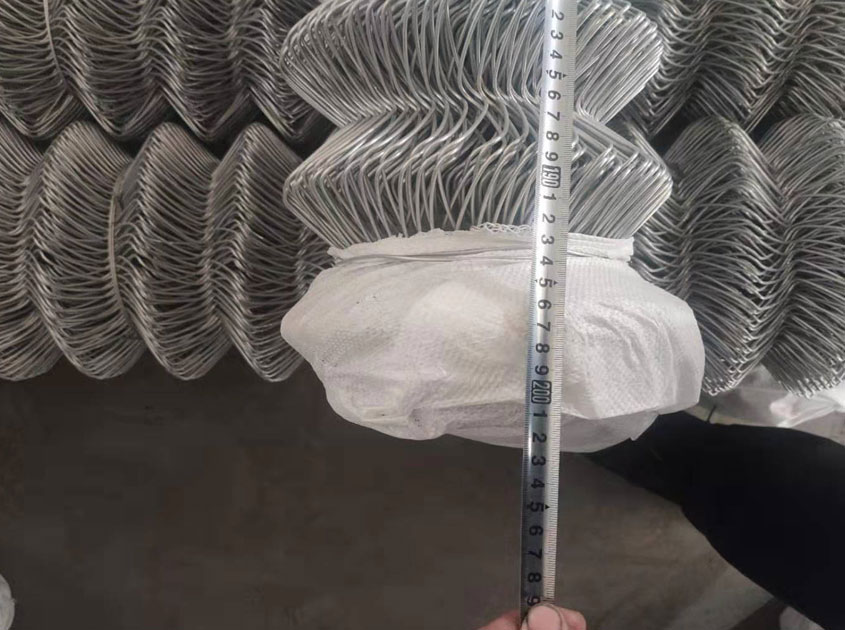
How Much Does Chain Link Fence Cost? A Complete Guide to Material Prices, Shipping and Project Costs
Pulished on Oct. 27, 2026
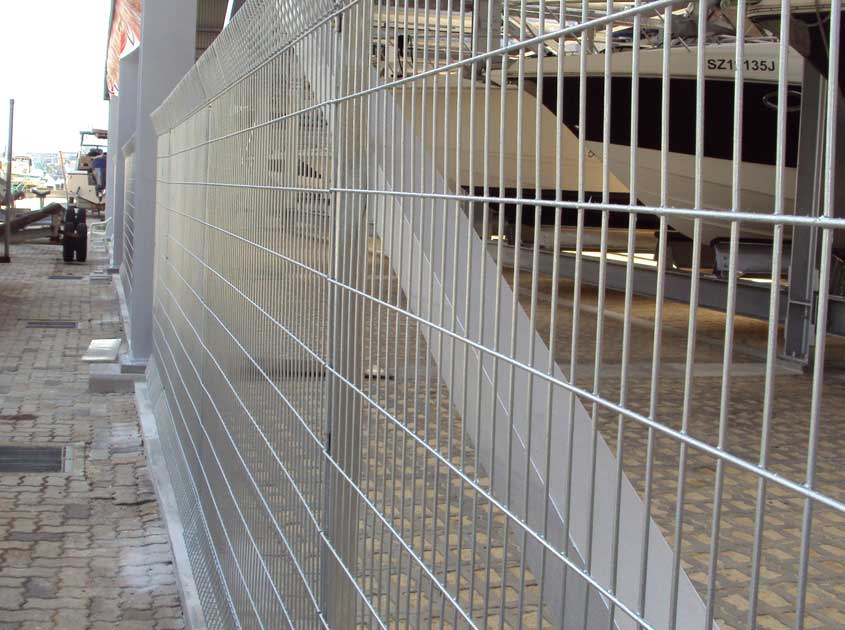
How to Install a Welded Wire Fence: A Step-by-Step Guide for Contractors
Pulished on Oct. 23, 2026
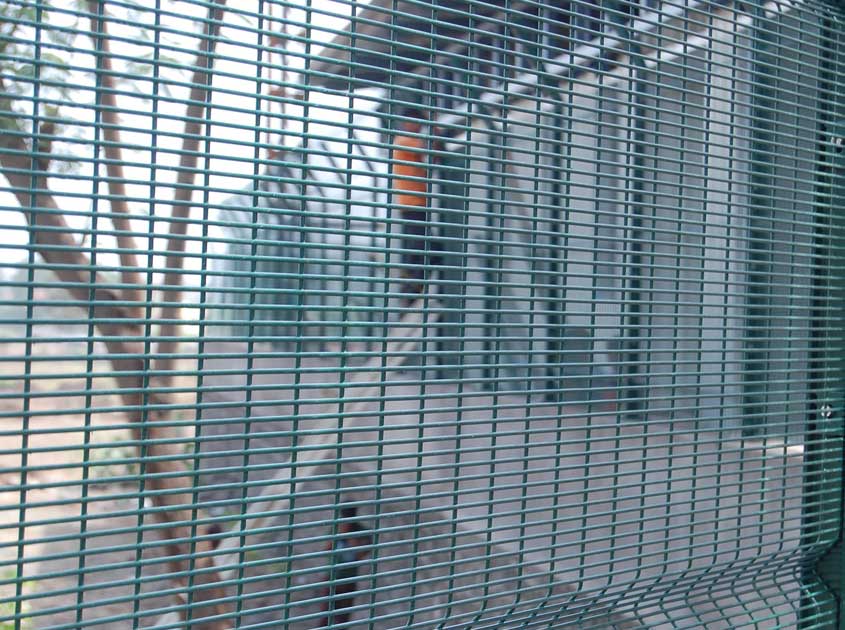
358 Fence vs Welded Wire Fence: Which Is Better for Your Project?
Pulished on Oct. 20, 2026
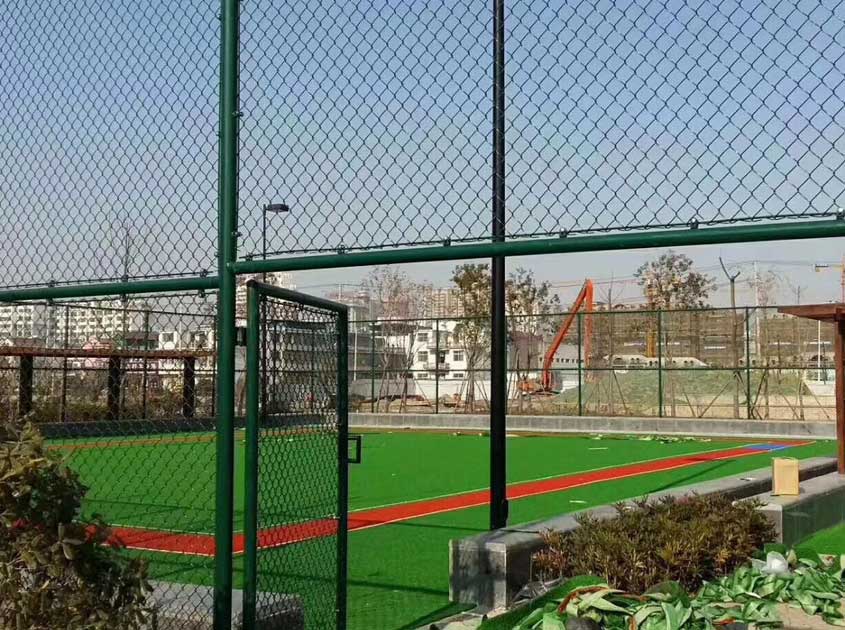
What Are the Advantages of Chain Link Fence? 8 Benefits for Commercial and Industrial Projects
Pulished on Oct. 16, 2026
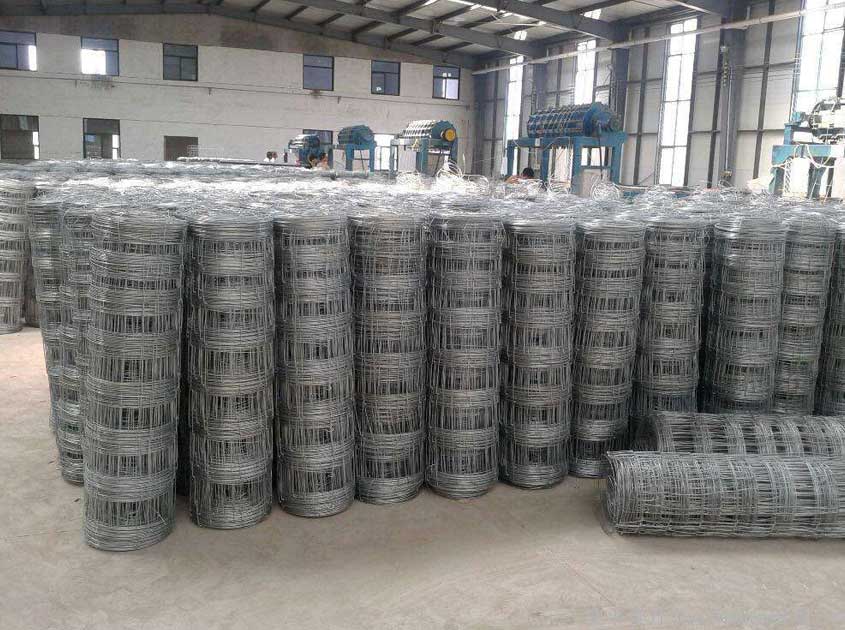
How to Choose Farm Fence for Cattle and Horses: Wire, Height and Design Guide
Pulished on Sep. 23, 2026
How Is Chain Link Fence Made? Manufacturing Process and Components
Pulished on Sep. 18, 2026
How to Select the Right Wire Diameter for Welded Wire Fence? A Practical Buyer’s Guide
Pulished on Nov. 18, 2026
What Mesh Size Is Best for Welded Wire Fence? A Practical Selection Guide
Pulished on Nov. 09, 2026
How Much Does Chain Link Fence Cost? A Complete Guide to Material Prices, Shipping and Project Costs
Pulished on Oct. 27, 2026
How to Install a Welded Wire Fence: A Step-by-Step Guide for Contractors
Pulished on Oct. 23, 2026
358 Fence vs Welded Wire Fence: Which Is Better for Your Project?
Pulished on Oct. 20, 2026
What Are the Advantages of Chain Link Fence? 8 Benefits for Commercial and Industrial Projects
Pulished on Oct. 16, 2026
How to Choose Farm Fence for Cattle and Horses: Wire, Height and Design Guide
Pulished on Sep. 23, 2026
How Is Chain Link Fence Made? Manufacturing Process and Components
Pulished on Sep. 18, 2026