EN
 SP
 FR

- Home
- About Us
- Products
- Service
- Project
- News
- Contact Us
Pulished on Sep. 06, 2023
Canada temporary fences play an important safety role on construction sites. It can effectively isolate the construction site from the surrounding area and prevent unauthorized personnel from entering the construction area. Temporary barriers also prevent accidental falls or exposure to hazardous equipment and materials. This kind of guardrail usually has a solid structure and a reliable connection method, which can withstand certain external impacts and ensure the safety of the construction site.

Special Event Controls:
Canada temporary fences can also be used to control areas for special events. For example, at large gatherings such as music festivals, sports competitions or celebrations, temporary barriers can define safe passages, restricted areas or spectator seating. This helps maintain order, reduces chaos, and keeps participants and spectators safe. Temporary guardrails are usually easy to install and disassemble, with flexibility to adapt to different sites and needs.

Road Traffic Control:
Canada temporary fence also plays an important role in road traffic control. It can be used to temporarily close roads, separate lanes or indicate the direction of traffic. Temporary barriers are usually highly visible, with bright colors and reflective materials that improve driver attention and reduce traffic accidents. This guardrail can also help maintain the safety of construction areas and pedestrian traffic, ensuring smooth and smooth traffic flow.
Management of public places:
Canada temporary fence can also be used for the management of public places. For example, in places such as exhibitions, performances, carnivals or temporary construction sites, temporary fences can delineate specific areas, restrict people from entering or protect specific facilities and equipment. This helps maintain order and provides an environment of safety and convenience, while protecting the public and property from potential danger and damage.
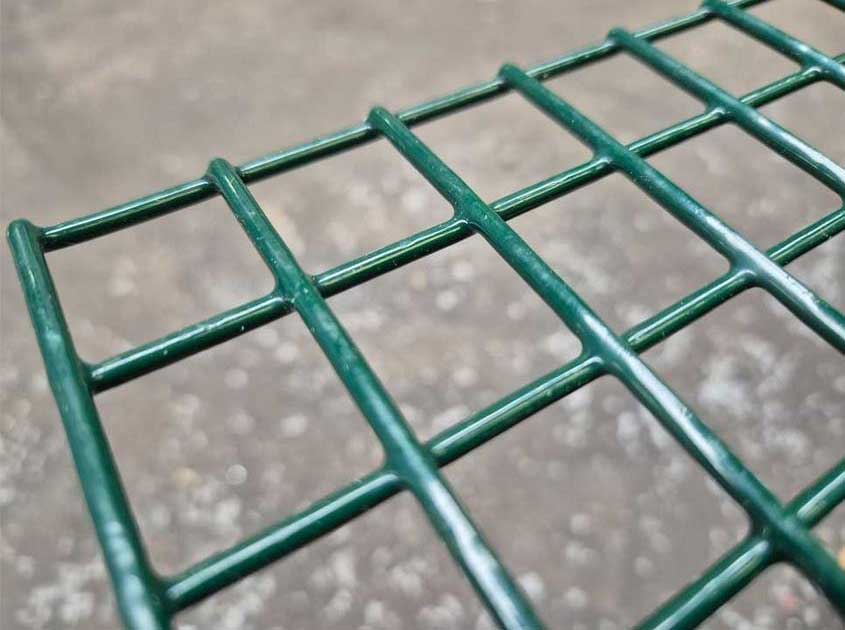
How to Select the Right Wire Diameter for Welded Wire Fence? A Practical Buyer’s Guide
Pulished on Nov. 18, 2026
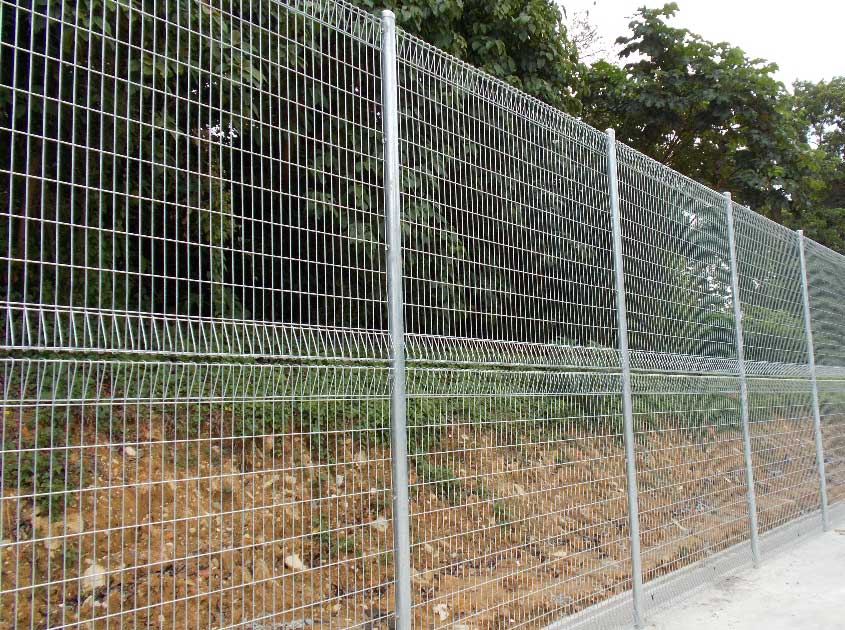
What Mesh Size Is Best for Welded Wire Fence? A Practical Selection Guide
Pulished on Nov. 09, 2026
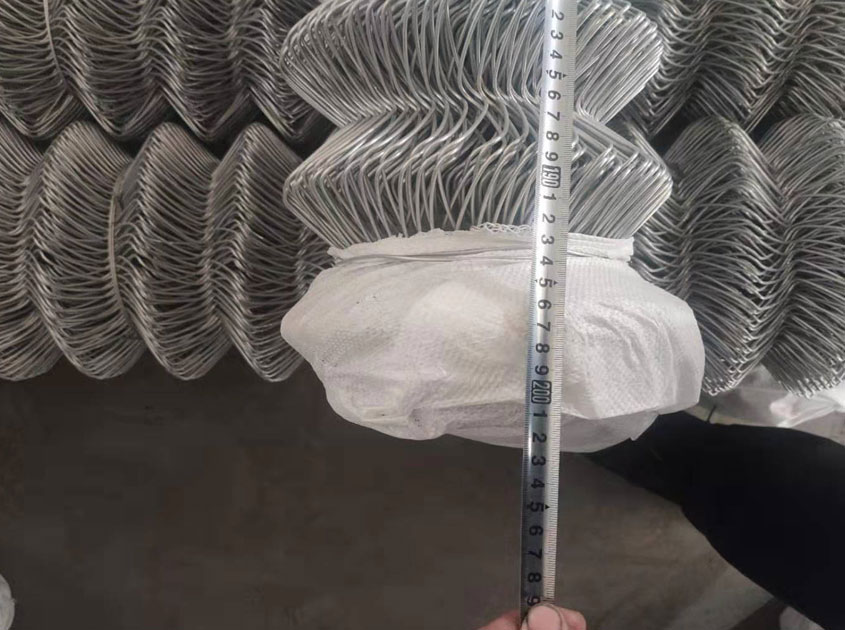
How Much Does Chain Link Fence Cost? A Complete Guide to Material Prices, Shipping and Project Costs
Pulished on Oct. 27, 2026
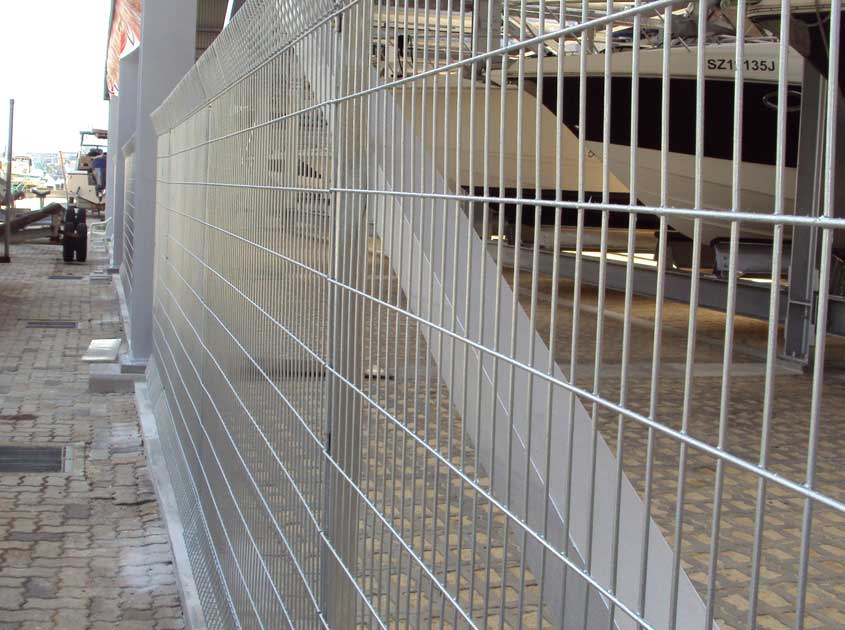
How to Install a Welded Wire Fence: A Step-by-Step Guide for Contractors
Pulished on Oct. 23, 2026
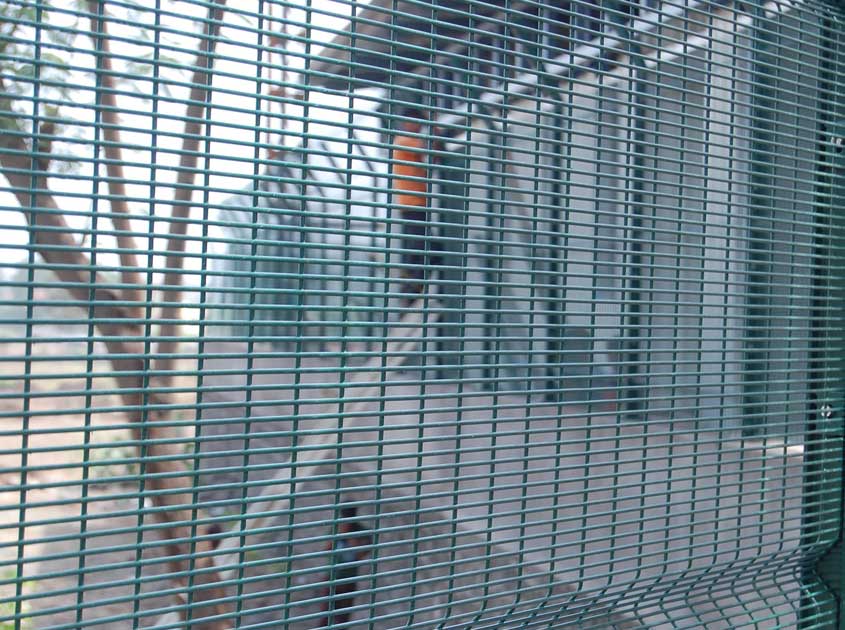
358 Fence vs Welded Wire Fence: Which Is Better for Your Project?
Pulished on Oct. 20, 2026
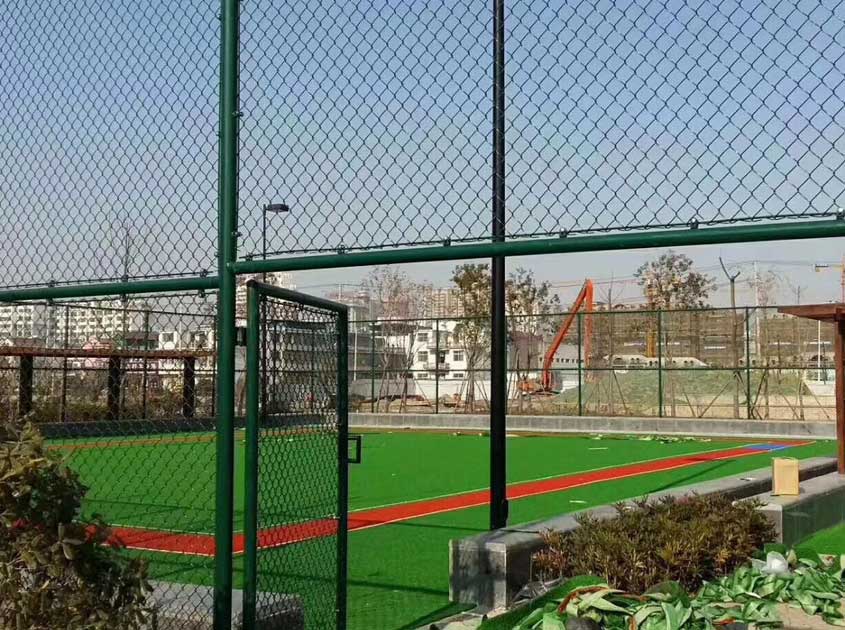
What Are the Advantages of Chain Link Fence? 8 Benefits for Commercial and Industrial Projects
Pulished on Oct. 16, 2026
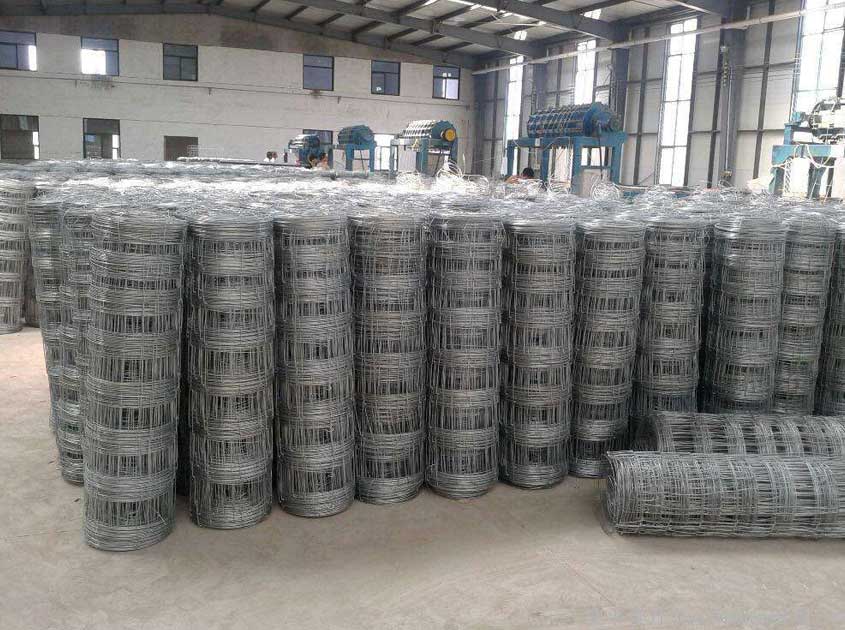
How to Choose Farm Fence for Cattle and Horses: Wire, Height and Design Guide
Pulished on Sep. 23, 2026
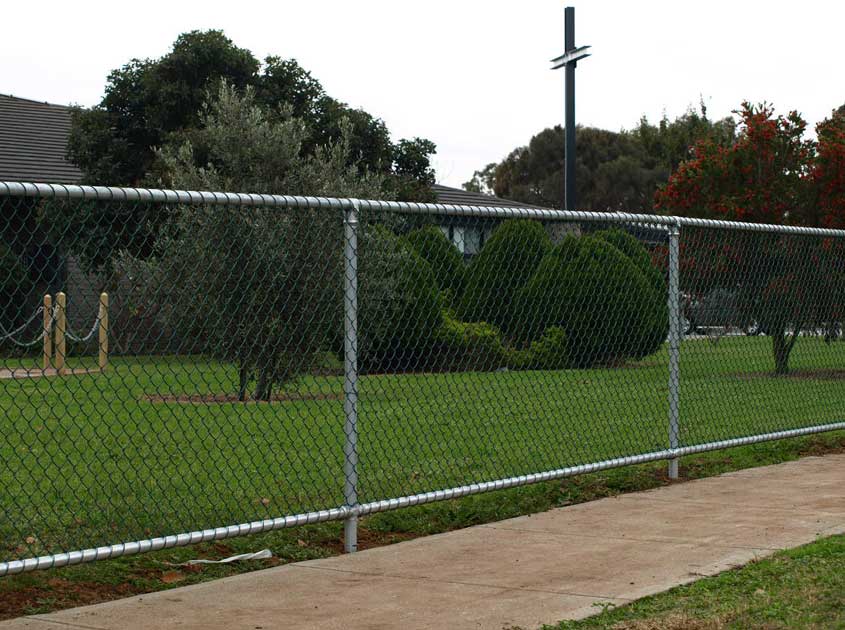
How Is Chain Link Fence Made? Manufacturing Process and Components
Pulished on Sep. 18, 2026
How to Select the Right Wire Diameter for Welded Wire Fence? A Practical Buyer’s Guide
Pulished on Nov. 18, 2026
What Mesh Size Is Best for Welded Wire Fence? A Practical Selection Guide
Pulished on Nov. 09, 2026
How Much Does Chain Link Fence Cost? A Complete Guide to Material Prices, Shipping and Project Costs
Pulished on Oct. 27, 2026
How to Install a Welded Wire Fence: A Step-by-Step Guide for Contractors
Pulished on Oct. 23, 2026
358 Fence vs Welded Wire Fence: Which Is Better for Your Project?
Pulished on Oct. 20, 2026
What Are the Advantages of Chain Link Fence? 8 Benefits for Commercial and Industrial Projects
Pulished on Oct. 16, 2026
How to Choose Farm Fence for Cattle and Horses: Wire, Height and Design Guide
Pulished on Sep. 23, 2026
How Is Chain Link Fence Made? Manufacturing Process and Components
Pulished on Sep. 18, 2026