EN
EN SP
SP FR
FR
- Home
- About Us
- Products
- Service
- Project
- News
- Contact Us
Pulished on Jun. 11, 2026
Cattle fence is an essential product in modern livestock farming and ranch management. It is widely used to control cattle movement, protect farmland, improve farm safety, and increase overall agricultural efficiency. With the rapid growth of global livestock farming, China has become one of the most important suppliers of cattle fencing products, offering competitive pricing, stable quality, and large-scale production capacity.
For international buyers, understanding how to import cattle fence from China is crucial for reducing procurement risks, controlling costs, and ensuring long-term supply stability.
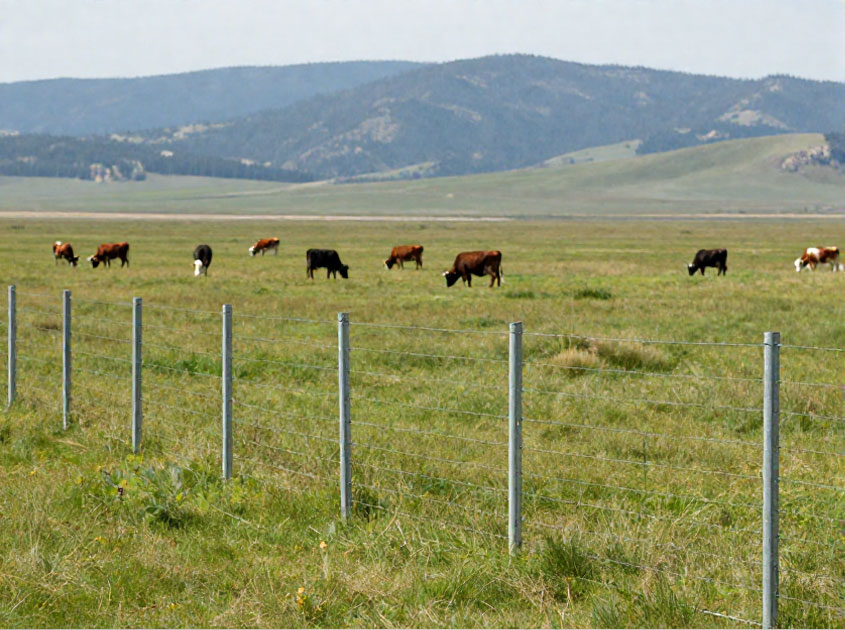
This guide provides a complete step-by-step explanation of the import process, product selection, supplier evaluation, and shipping considerations.
What Is Cattle Fence?
Cattle fence is a type of heavy-duty agricultural fencing system designed to contain livestock such as cows, bulls, and sheep. It is typically made from:
Galvanized steel wire
High-tensile steel wire
Welded wire mesh
Chain link fence systems
Common types include:
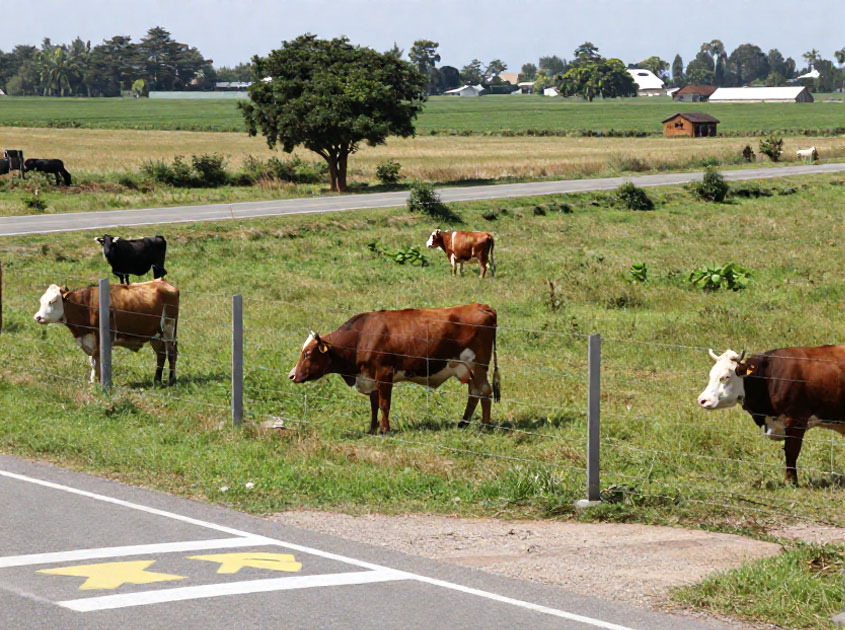
Fixed knot cattle fence
Welded cattle panels
Chain link cattle fence
Field fence rolls
These systems are designed to withstand animal pressure, outdoor weather conditions, and long-term use.
Why Import Cattle Fence from China?
China is one of the leading global exporters of fencing products due to several key advantages:
1. Competitive Pricing
Chinese manufacturers offer lower production costs due to:
Large-scale manufacturing
Efficient supply chains
Integrated raw material sourcing
2. Strong Production Capacity
Factories in China can support:
Bulk container orders
Continuous monthly supply
Custom specifications for different markets
3. Product Variety
Buyers can choose from:
Welded cattle panels
Chain link fencing
Hexagonal wire fencing
Custom agricultural fencing systems
4. Export Experience
Chinese suppliers have extensive experience shipping to:
North America
South America
Europe
Africa
Southeast Asia
Step-by-Step Guide: How to Import Cattle Fence from China
Step 1: Define Your Project Requirements
Before contacting suppliers, clearly define:
Fence type (welded, chain link, field fence)
Wire diameter (strength requirement)
Mesh size
Fence height
Coating type (galvanized or PVC coated)
Order quantity (MOQ or container load)
Clear specifications help suppliers provide accurate quotations.
Step 2: Find a Reliable Supplier
When sourcing cattle fence from China, choose manufacturers rather than trading companies whenever possible.
Key supplier evaluation criteria:
Factory production capacity
Quality certification (ISO, SGS, BV)
Export experience
Product consistency
Customer references
A reliable supplier ensures stable long-term cooperation.
Step 3: Request Product Samples
Before placing bulk orders, always request samples to evaluate:
Wire strength
Welding quality (if welded panels)
Galvanizing thickness
Surface finish
Mesh accuracy
Sampling helps reduce quality risks.
Step 4: Confirm Pricing and Specifications
Once samples are approved, confirm:
Unit price per roll or panel
Zinc coating type (hot-dip or electro galvanized)
Packaging method
Delivery terms (FOB, CIF, etc.)
Pricing usually depends on:
Raw material cost
Wire diameter
Coating thickness
Order quantity
Step 5: Place Bulk Order (PO Confirmation)
After agreement, issue a purchase order including:
Product specifications
Quantity
Delivery time
Shipping terms
Payment terms
Common payment methods:
T/T (bank transfer)
L/C at sight (for large orders)
Step 6: Production and Quality Inspection
During production, professional suppliers will:
Monitor wire drawing process
Check welding or weaving quality
Test zinc coating thickness
Inspect final product dimensions
Some buyers also hire third-party inspection companies for verification.
Step 7: Packaging and Loading
Cattle fence products are usually packed as:
Steel wire rolls
Bundled fence panels
Palletized packaging for containers
Proper packaging ensures:
Safe transportation
Reduced damage risk
Efficient container loading
Step 8: Shipping and Logistics
Most cattle fence shipments are delivered by sea freight.
Common shipping terms:
FOB (Free on Board)
CIF (Cost, Insurance, Freight)
CFR (Cost and Freight)
Buyers should work with freight forwarders to manage:
Customs clearance
Import documentation
Port handling
Step 9: Customs Clearance in Your Country
To clear customs, you typically need:
Commercial invoice
Packing list
Bill of lading
Certificate of origin
Some countries may require product compliance documents depending on regulations.
Common Types of Cattle Fence You Can Import
1. Welded Cattle Panels
High strength structure
Used for ranches and farms
Easy installation
2. Chain Link Cattle Fence
Flexible and cost-effective
Suitable for large areas
Good visibility
3. Field Fence Rolls
Traditional agricultural fencing
Used for livestock control
Economical solution
How to Choose the Right Supplier in China
Step 1: Check Manufacturing Capability
Ensure the supplier has:
Wire drawing machines
Welding equipment
Galvanizing lines
Step 2: Evaluate Product Quality
Check:
Tensile strength
Zinc coating durability
Weld strength (if applicable)
Step 3: Confirm Export Experience
Experienced exporters provide:
Faster communication
Better packaging solutions
Reliable shipping coordination
Benefits of Importing Cattle Fence from China
Lower procurement cost
Stable supply chain
Flexible customization
Large-scale production capacity
Global export experience
These advantages make China a preferred sourcing destination for cattle fencing products.
Conclusion
Importing cattle fence from China is a cost-effective and reliable solution for global livestock farming projects. By following a structured process—defining requirements, selecting a qualified supplier, verifying samples, and managing logistics—buyers can significantly reduce risks and ensure long-term supply stability.
As a professional Chinese cattle fence manufacturer and exporter, providing customized fencing solutions with strict quality control and global logistics support helps ranchers, distributors, and agricultural project developers build efficient and durable livestock management systems worldwide.
How to Install a Welded Wire Fence: A Step-by-Step Guide for Contractors
Pulished on Oct. 23, 2026
358 Fence vs Welded Wire Fence: Which Is Better for Your Project?
Pulished on Oct. 20, 2026
What Are the Advantages of Chain Link Fence? 8 Benefits for Commercial and Industrial Projects
Pulished on Oct. 16, 2026
How to Choose Farm Fence for Cattle and Horses: Wire, Height and Design Guide
Pulished on Sep. 23, 2026
How Is Chain Link Fence Made? Manufacturing Process and Components
Pulished on Sep. 18, 2026
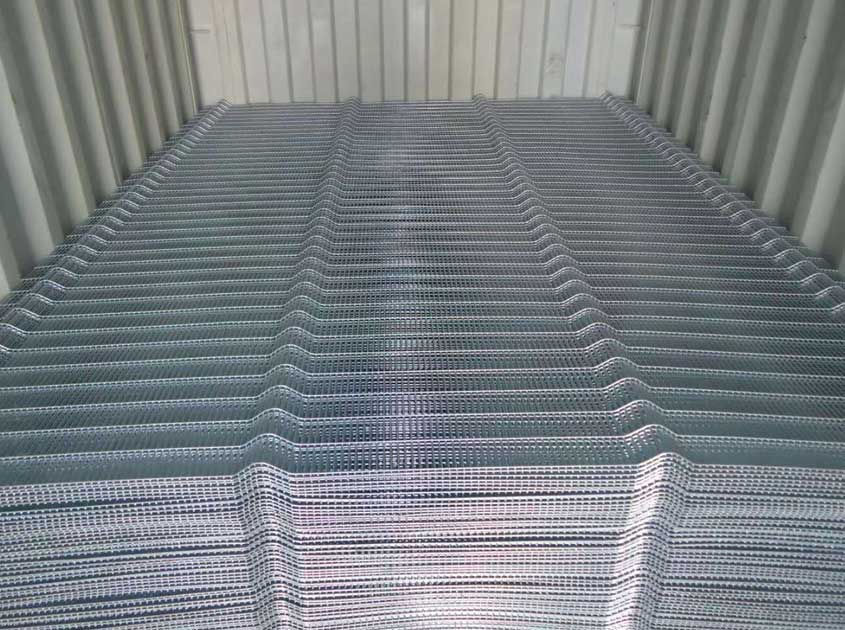
358 Security Fence vs Chain Link Fence: Security, Cost and Application Comparison
Pulished on Sep. 15, 2026
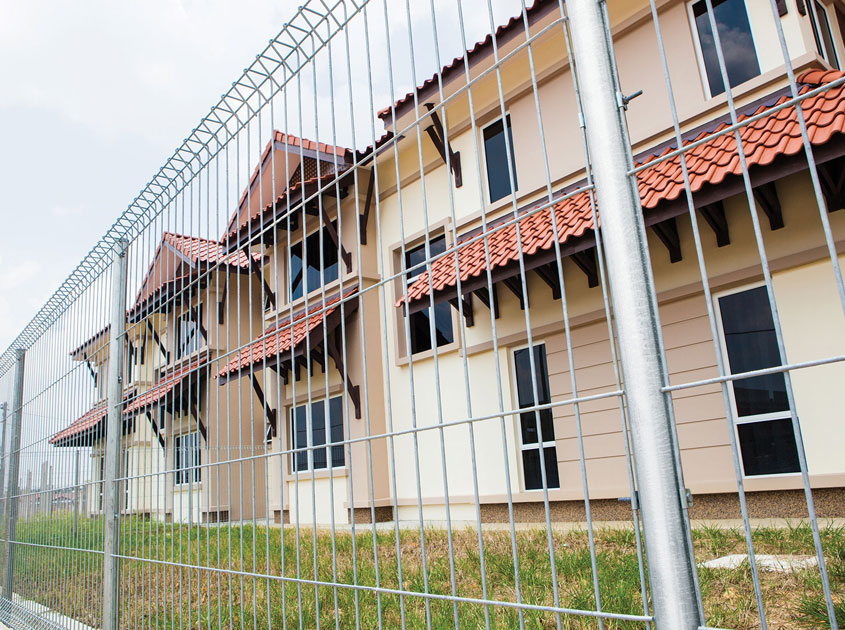
Why Choose Welded Wire Fence for Security and Protection?
Pulished on Sep. 07, 2026
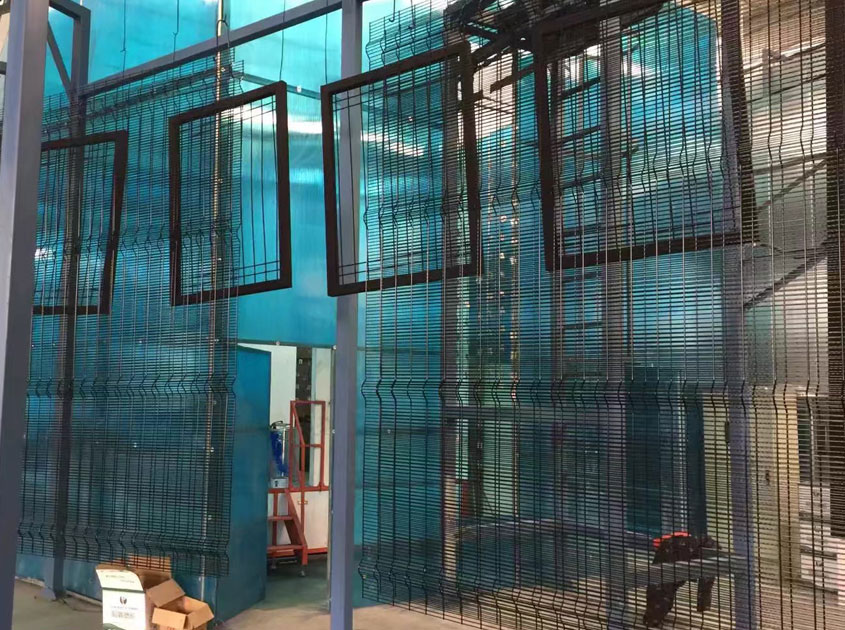
358 Security Fence Specifications and Applications Guide
Pulished on Aug. 27, 2026
How to Install a Welded Wire Fence: A Step-by-Step Guide for Contractors
Pulished on Oct. 23, 2026
358 Fence vs Welded Wire Fence: Which Is Better for Your Project?
Pulished on Oct. 20, 2026
What Are the Advantages of Chain Link Fence? 8 Benefits for Commercial and Industrial Projects
Pulished on Oct. 16, 2026
How to Choose Farm Fence for Cattle and Horses: Wire, Height and Design Guide
Pulished on Sep. 23, 2026
How Is Chain Link Fence Made? Manufacturing Process and Components
Pulished on Sep. 18, 2026
358 Security Fence vs Chain Link Fence: Security, Cost and Application Comparison
Pulished on Sep. 15, 2026
Why Choose Welded Wire Fence for Security and Protection?
Pulished on Sep. 07, 2026
358 Security Fence Specifications and Applications Guide
Pulished on Aug. 27, 2026