EN
EN SP
SP FR
FR
- Home
- About Us
- Products
- Service
- Project
- News
- Contact Us
Pulished on May. 15, 2026
Choosing the right fence panels is an important decision for any construction, security, agricultural, or landscaping project. The right fencing system not only improves safety and privacy but also affects long-term maintenance costs, durability, and overall project performance.
With many types of fence panels available on the global market, buyers often face confusion when selecting the most suitable option. This guide explains how to choose fence panels for your project based on material, application, environment, and budget, helping international buyers make informed decisions.
What Are Fence Panels?
Fence panels are pre-assembled or modular fencing units designed to create boundaries, security barriers, or decorative enclosures.
They are widely used in:
Residential properties
Industrial sites
Construction areas
Farms and agricultural land
Public infrastructure
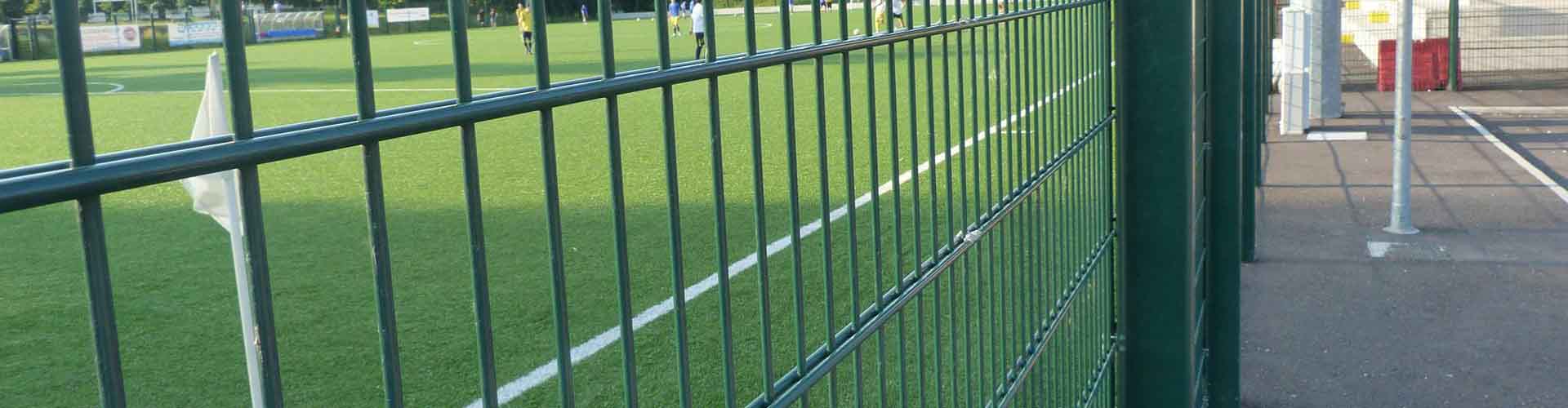
Sports facilities
Compared with traditional fencing methods, fence panels are easier to install, more stable, and often more visually consistent.
Step 1: Define Your Project Purpose
The first step in choosing fence panels is understanding the purpose of your project. Different applications require different levels of strength, height, and material quality.
Security Projects
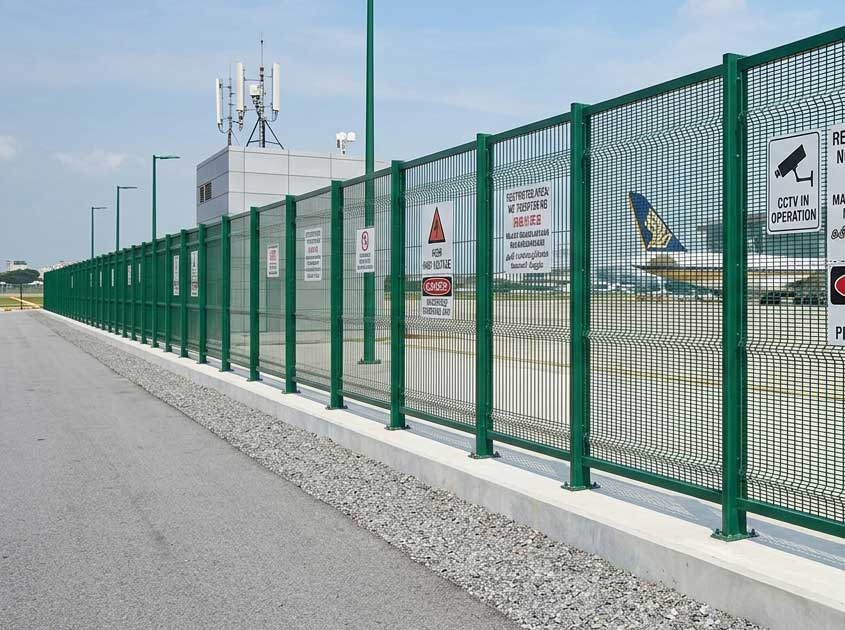
For high-security areas such as factories, warehouses, airports, and military zones, fence panels must provide:
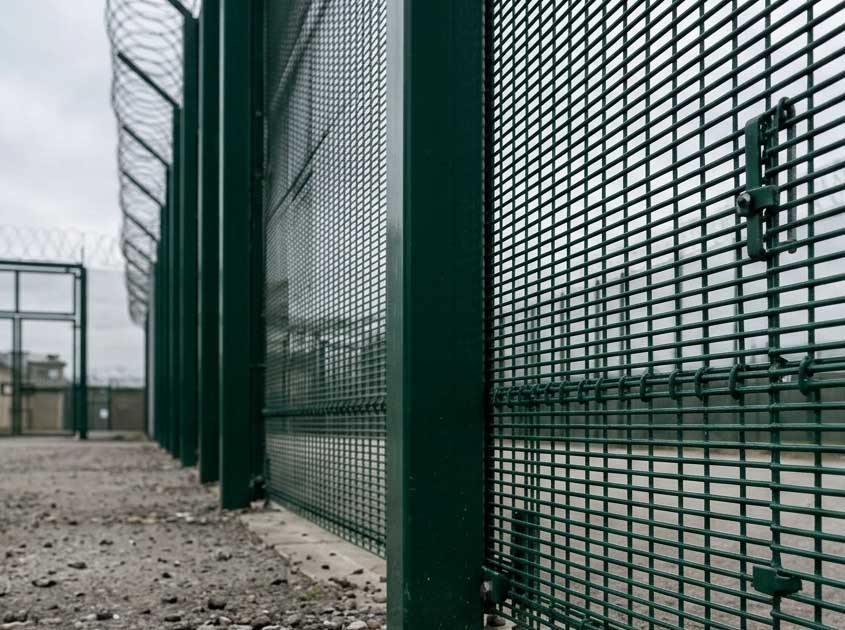
Strong anti-climb design
High tensile strength
Tamper resistance
Long service life
In these cases, heavy-duty welded mesh panels or 358 security fence panels are commonly used.
Residential Use
For homes and gardens, aesthetics and privacy are often more important than extreme security.
Recommended options include:
Decorative welded mesh panels
PVC coated panels
Garden fence panels
Agricultural Use
For farms and livestock protection, fence panels should be:
Rust-resistant
Strong enough to contain animals
Easy to install and maintain
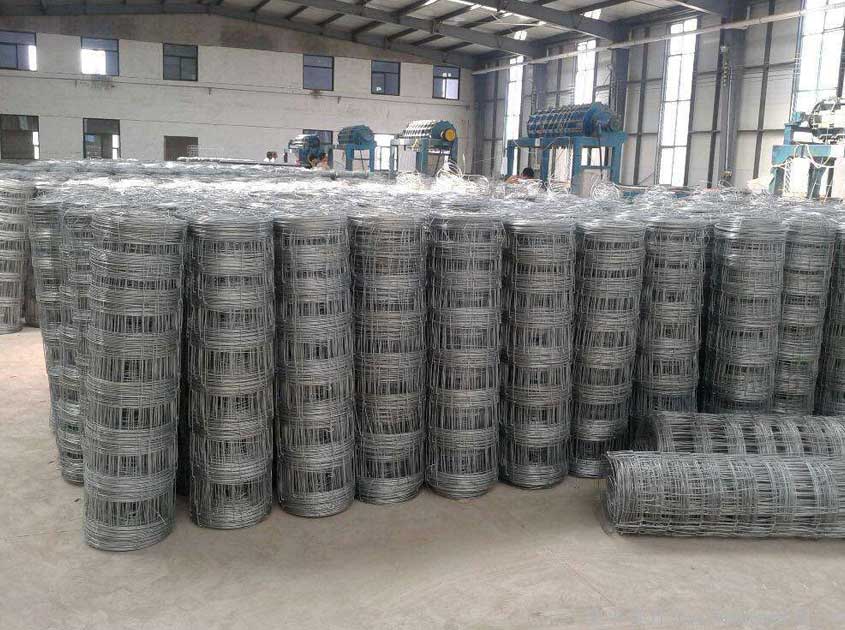
Common choices include galvanized wire mesh panels and farm fence systems.
Construction Sites
Temporary fencing panels are widely used for construction safety and site management.
Key requirements include:
Easy installation and removal
Reusability
Cost efficiency
Step 2: Choose the Right Material
Fence panels are made from different materials depending on usage conditions.
Galvanized Steel Fence Panels
Galvanized steel is one of the most popular materials due to its excellent corrosion resistance.
Advantages:
Long outdoor lifespan
Strong structure
Suitable for harsh environments
It is widely used in industrial and security fencing systems.
PVC Coated Fence Panels
PVC coated panels add an extra protective layer over galvanized steel.
Advantages:
Better corrosion resistance
Attractive appearance
Multiple color options
Common colors include green, black, and gray, making them ideal for residential and landscaping projects.
Stainless Steel Fence Panels
Stainless steel panels offer the highest level of corrosion resistance.
They are used in:
Coastal areas
High-end architectural projects
Special industrial environments
However, they are more expensive compared to galvanized options.
Step 3: Consider Wire Thickness and Strength
Wire diameter plays a critical role in fence panel durability.
Thicker wires provide stronger protection and longer lifespan
Thinner wires are more economical but less durable
Common wire diameters include:
2.0 mm (light-duty use)
3.0 mm (standard use)
4.0 mm+ (heavy-duty security applications)
For high-security projects, thicker wire panels are always recommended.
Step 4: Select Mesh Size and Design
Mesh opening affects both security and visibility.
Small Mesh Opening
Higher security level
Anti-climb design
Used in prisons, airports, and military zones
Large Mesh Opening
Better visibility
Lower cost
Suitable for gardens and farms
Common mesh sizes include:
50×50 mm
75×75 mm
100×50 mm
Step 5: Evaluate Environmental Conditions
The environment where the fence will be installed directly affects material selection.
Humid or Coastal Areas
Choose hot-dip galvanized or PVC coated panels
Avoid untreated steel materials
High UV Exposure Areas
UV-resistant PVC coating is important
Prevents fading and surface damage
Industrial Zones
Require anti-corrosion and anti-impact materials
Heavy-duty welded panels are preferred
Step 6: Installation Method and Accessories
Fence panels should be compatible with installation systems and accessories.
Important components include:
Fence posts
Clamps and brackets
Base plates
Fastening systems
Easy installation reduces labor cost and project time.
Step 7: Budget and Long-Term Cost
While price is important, buyers should consider total lifecycle cost rather than just initial cost.
A cheaper fence panel may require:
Frequent maintenance
Earlier replacement
Higher long-term cost
High-quality galvanized or PVC coated panels often provide better long-term value.
Common Types of Fence Panels in Global Markets
International buyers commonly choose:
Welded wire mesh fence panels
358 anti-climb security fence panels
Chain link fence systems with frames
Temporary construction fence panels
Decorative garden fence panels
Each type serves different market needs and project requirements.
Why Import Fence Panels from China?
China is one of the world’s leading manufacturers of wire mesh and fencing systems.
Key advantages include:
Competitive factory pricing
Large production capacity
Flexible customization options
Mature export logistics system
Stable product quality control
Chinese manufacturers supply fence panels to South America, Europe, the Middle East, Africa, and Southeast Asia.
How to Choose a Reliable Fence Panel Supplier
A professional supplier should provide:
Stable Quality Control
Including inspection of:
Wire diameter accuracy
Welding strength
Surface coating quality
Dimensional consistency
Export Experience
Experienced exporters can handle:
Container loading plans
Customs documentation
Shipping coordination
Custom Production
Professional manufacturers offer customization in:
Panel size
Mesh design
Color options
Coating type
Packaging methods
Conclusion
Choosing the right fence panels for your project requires careful consideration of purpose, material, wire strength, mesh design, environmental conditions, and long-term cost.
Whether the project is for residential, industrial, agricultural, or security use, selecting the correct fencing system ensures better performance, durability, and cost efficiency.
As a professional Chinese wire mesh manufacturer and exporter, providing high-quality fence panels with stable performance and competitive pricing helps global buyers complete projects more efficiently and successfully in international markets.
How to Choose Farm Fence for Cattle and Horses: Wire, Height and Design Guide
Pulished on Sep. 23, 2026
How Is Chain Link Fence Made? Manufacturing Process and Components
Pulished on Sep. 18, 2026
358 Security Fence vs Chain Link Fence: Security, Cost and Application Comparison
Pulished on Sep. 15, 2026
Why Choose Welded Wire Fence for Security and Protection?
Pulished on Sep. 07, 2026
358 Security Fence Specifications and Applications Guide
Pulished on Aug. 27, 2026
What Is Farm Fence and What Are the Main Types?
Pulished on Aug. 26, 2026
Welded Wire Fence Types, Sizes and Applications Guide
Pulished on Aug. 20, 2026
Chain Link Fence Types, Specifications and Applications Guide
Pulished on Aug. 12, 2026
How to Choose Farm Fence for Cattle and Horses: Wire, Height and Design Guide
Pulished on Sep. 23, 2026
How Is Chain Link Fence Made? Manufacturing Process and Components
Pulished on Sep. 18, 2026
358 Security Fence vs Chain Link Fence: Security, Cost and Application Comparison
Pulished on Sep. 15, 2026
Why Choose Welded Wire Fence for Security and Protection?
Pulished on Sep. 07, 2026
358 Security Fence Specifications and Applications Guide
Pulished on Aug. 27, 2026
What Is Farm Fence and What Are the Main Types?
Pulished on Aug. 26, 2026
Welded Wire Fence Types, Sizes and Applications Guide
Pulished on Aug. 20, 2026
Chain Link Fence Types, Specifications and Applications Guide
Pulished on Aug. 12, 2026