EN
EN SP
SP FR
FR
- Home
- About Us
- Products
- Service
- Project
- News
- Contact Us
Pulished on Oct. 10, 2023
Understand the usage environment and needs
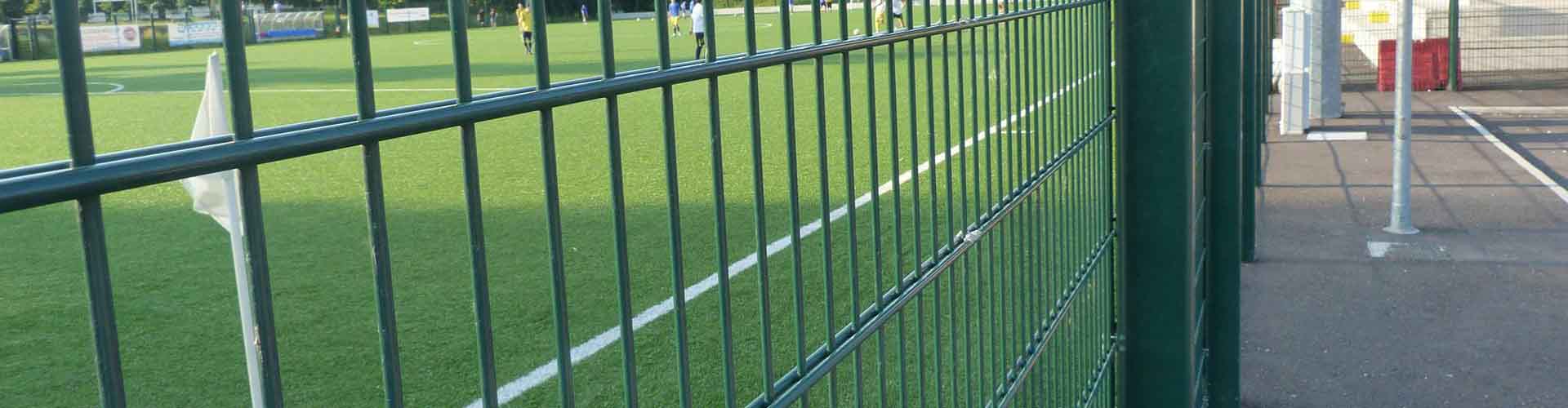
You need to understand the usage environment and specific needs of Cyclone Fence. For example, will you be using it on city streets, parks, schools, or residential areas? For different environments and usage requirements, the material selection of Cyclone Fence will be different. For example, in urban streets and parks, materials need to be selected with high strength, corrosion resistance and easy cleaning; while in residential areas, materials need to be more safe and aesthetically pleasing.
Compare material properties and features
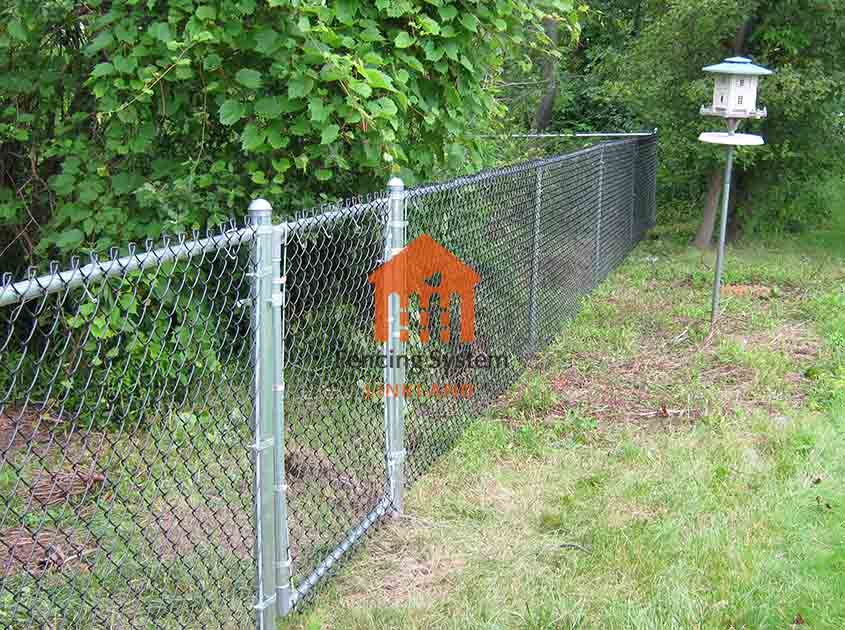
Currently, Cyclone Fence materials on the market mainly include metal, plastic and wood. Metal materials such as stainless steel have high strength and anti-rust properties, but are more expensive; plastic materials have the advantages of being lightweight, easy to process, and not easy to rust, but have relatively low strength; wooden materials have natural and beautiful properties, but require regular maintenance Maintenance and upkeep. When choosing materials, you need to weigh the pros and cons and choose the most suitable material based on your needs and budget.
Consider design and appearance
As an outdoor facility, the design of Cyclone Fence is equally important as its appearance. Different materials and designs will bring different visual feelings and usage experiences to people. Therefore, when choosing Cyclone Fence materials, you need to consider whether its design and appearance are in harmony with the surrounding environment and personal preferences.
Understand installation and maintenance costs
Finally, you need to understand the installation and maintenance costs of Cyclone Fence based on different materials. Although metal fences have a long service life, installation and maintenance costs are relatively high; plastic fences are relatively cheap, but care must be taken to prevent aging; wooden fences require regular maintenance and upkeep. When choosing materials, you need to consider cost and performance-price ratio to choose the most suitable material.
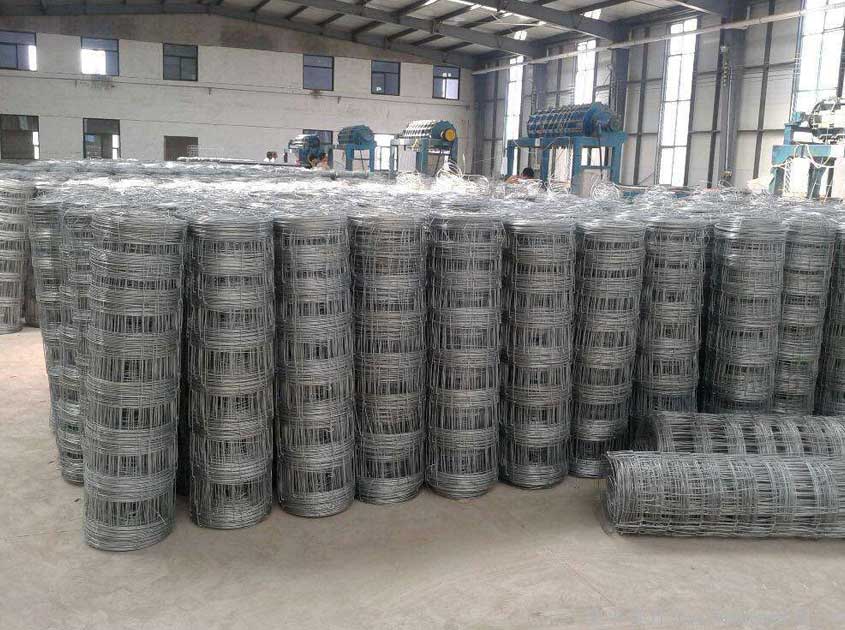
How to Choose Farm Fence for Cattle and Horses: Wire, Height and Design Guide
Pulished on Sep. 23, 2026
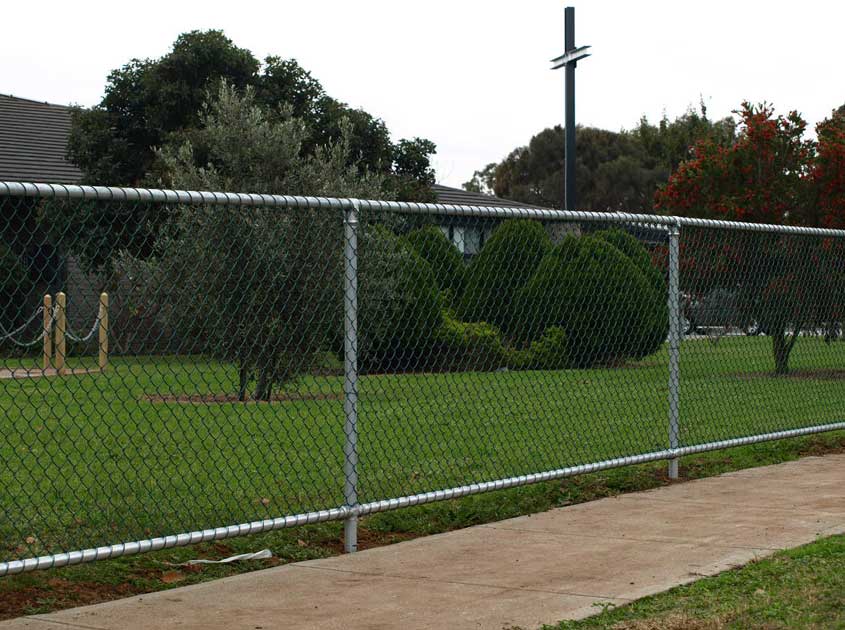
How Is Chain Link Fence Made? Manufacturing Process and Components
Pulished on Sep. 18, 2026
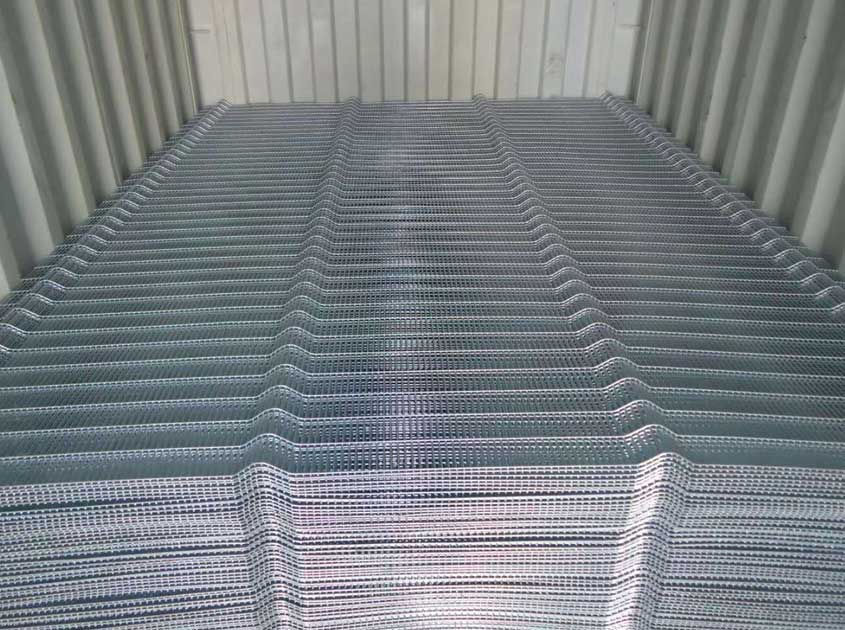
358 Security Fence vs Chain Link Fence: Security, Cost and Application Comparison
Pulished on Sep. 15, 2026
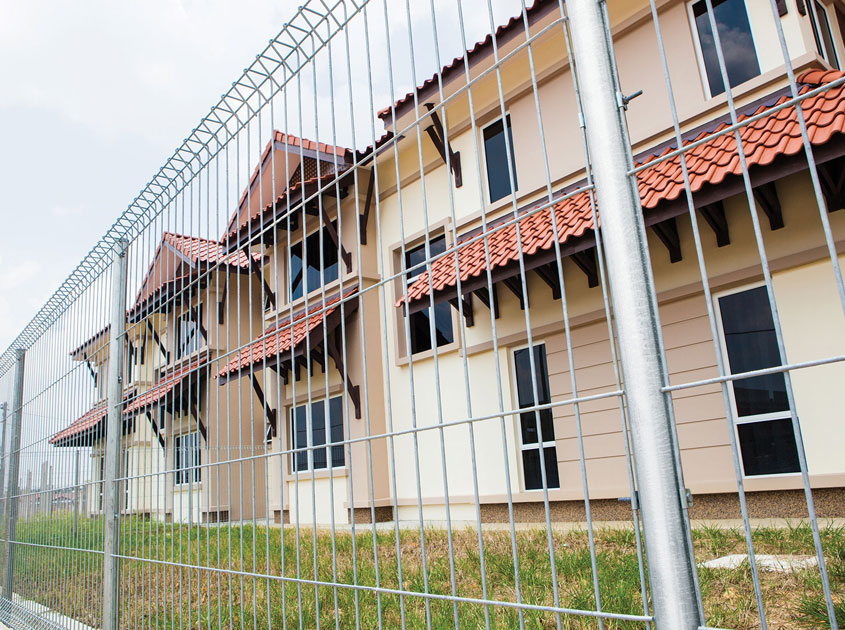
Why Choose Welded Wire Fence for Security and Protection?
Pulished on Sep. 07, 2026
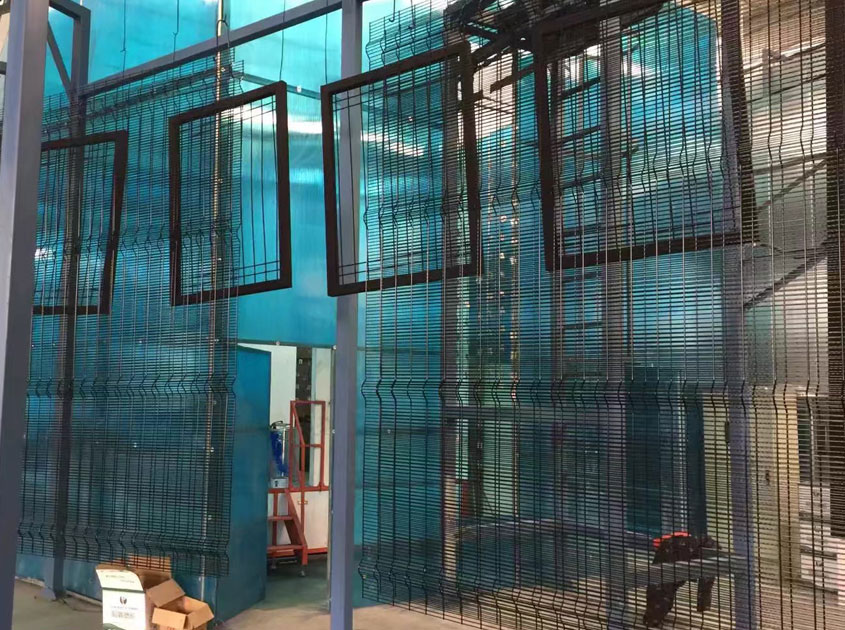
358 Security Fence Specifications and Applications Guide
Pulished on Aug. 27, 2026
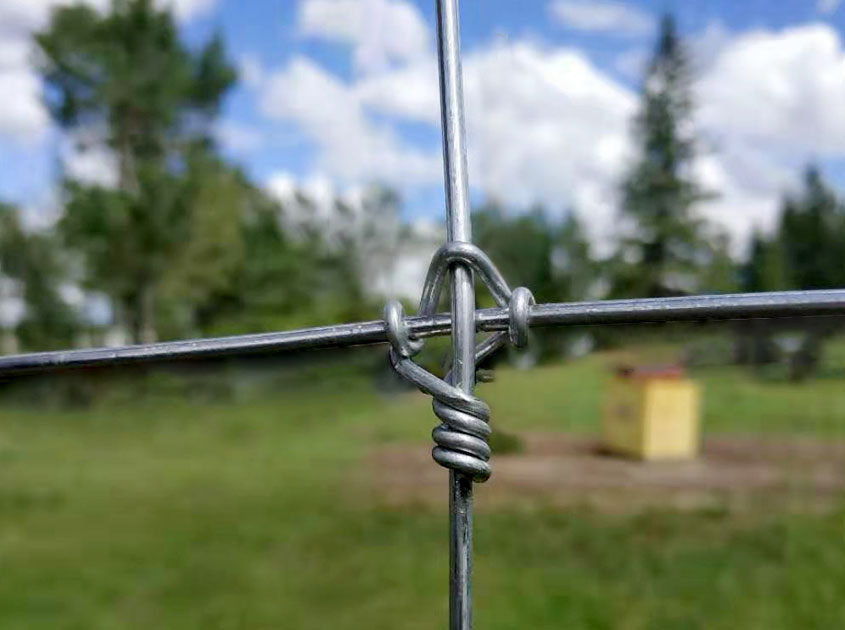
What Is Farm Fence and What Are the Main Types?
Pulished on Aug. 26, 2026
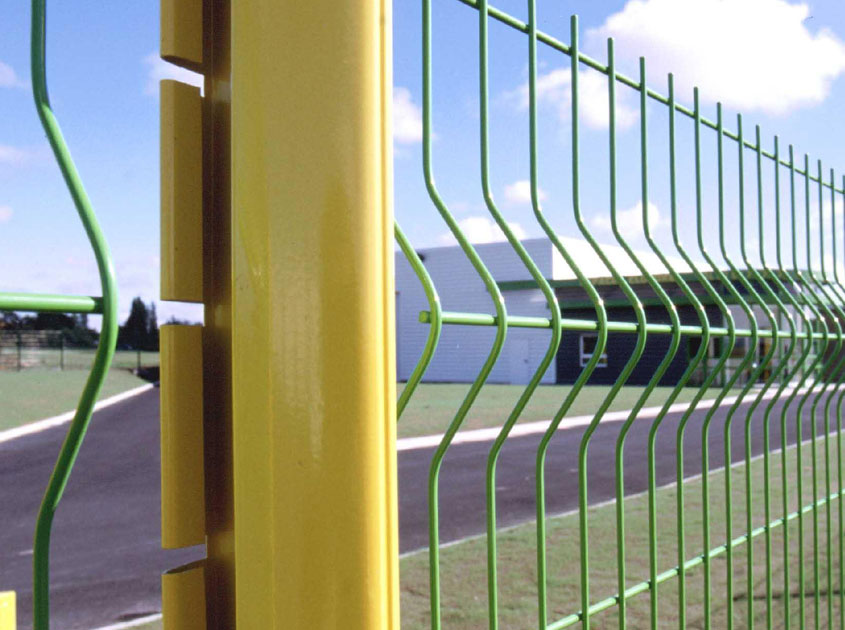
Welded Wire Fence Types, Sizes and Applications Guide
Pulished on Aug. 20, 2026
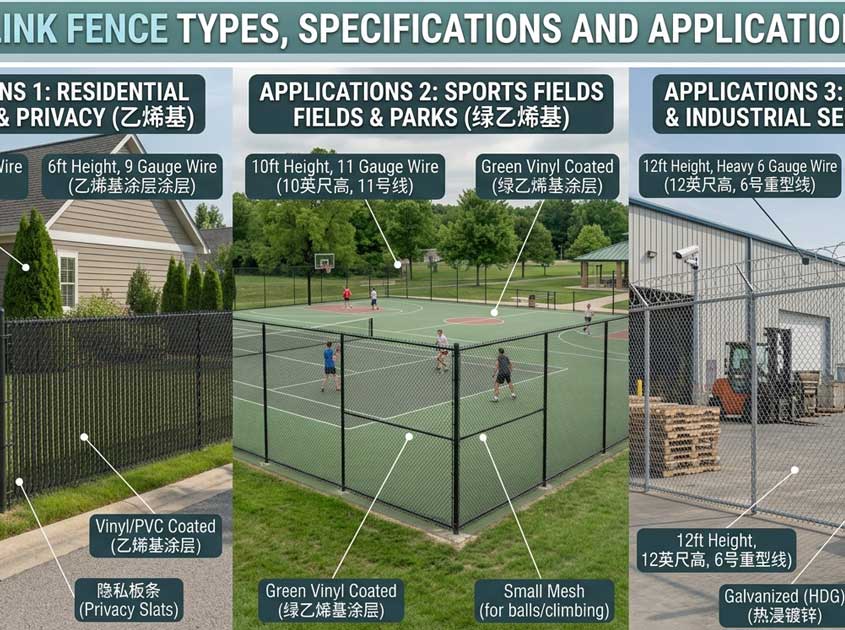
Chain Link Fence Types, Specifications and Applications Guide
Pulished on Aug. 12, 2026
How to Choose Farm Fence for Cattle and Horses: Wire, Height and Design Guide
Pulished on Sep. 23, 2026
How Is Chain Link Fence Made? Manufacturing Process and Components
Pulished on Sep. 18, 2026
358 Security Fence vs Chain Link Fence: Security, Cost and Application Comparison
Pulished on Sep. 15, 2026
Why Choose Welded Wire Fence for Security and Protection?
Pulished on Sep. 07, 2026
358 Security Fence Specifications and Applications Guide
Pulished on Aug. 27, 2026
What Is Farm Fence and What Are the Main Types?
Pulished on Aug. 26, 2026
Welded Wire Fence Types, Sizes and Applications Guide
Pulished on Aug. 20, 2026
Chain Link Fence Types, Specifications and Applications Guide
Pulished on Aug. 12, 2026