EN
EN SP
SP FR
FR
- Home
- About Us
- Products
- Service
- Project
- News
- Contact Us
Pulished on May. 25, 2026
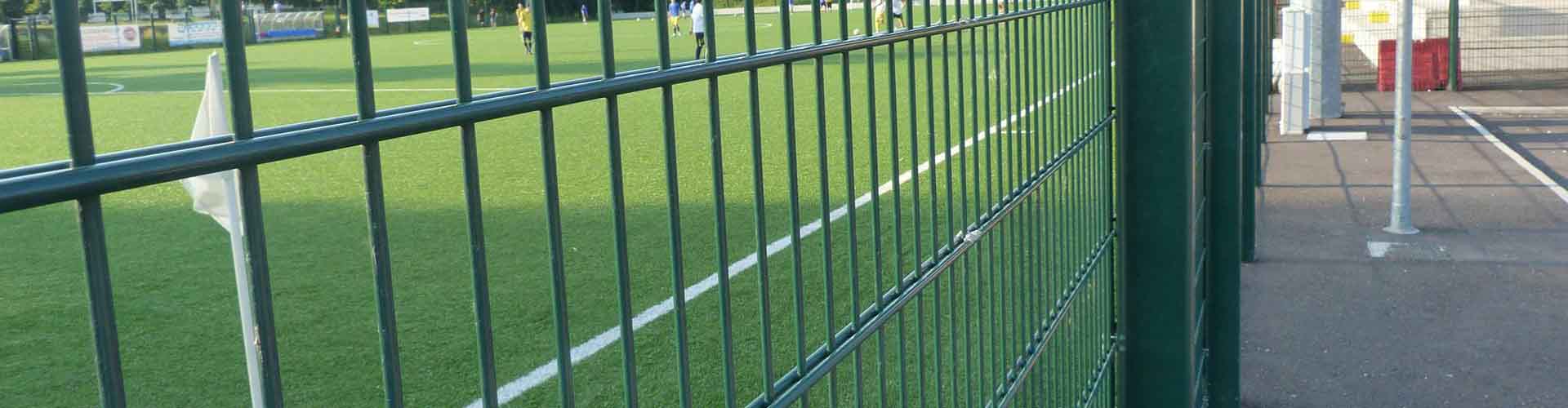
Fence systems are widely used in residential, commercial, industrial, agricultural, and high-security projects worldwide. Whether it is chain link fence, welded mesh fence, 358 security fence, airport fence, or farm fence, proper installation plays a critical role in ensuring long-term performance, structural stability, and security effectiveness.
For international buyers, contractors, and project managers, professional installation guides and reliable technical support are just as important as product quality. A well-designed fence system combined with proper installation can significantly improve durability, reduce maintenance costs, and increase project efficiency.
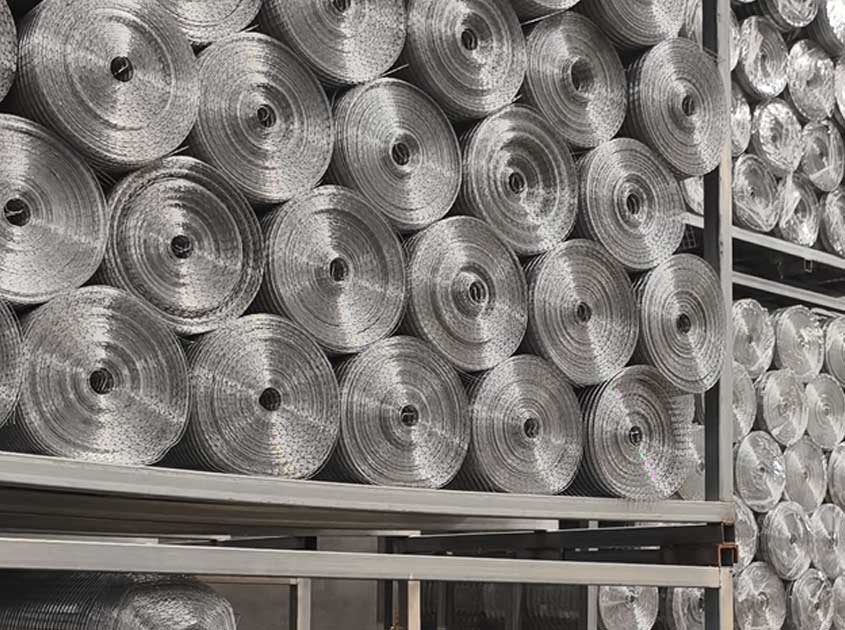
This article explains the importance of fence system installation guides and technical support, common installation procedures, technical considerations, and how professional manufacturers help global customers complete successful fencing projects.
Why Fence Installation Matters
Even high-quality fence products may fail if installation is not handled correctly.
Proper installation helps:
Improve structural strength
Extend service life
Prevent fence deformation
Enhance security performance
Reduce future maintenance costs
Incorrect installation can lead to:
Leaning fence posts
Loose mesh panels
Weak foundations
Premature corrosion or damage
This is why professional installation guidance is essential for modern fencing projects.
Types of Fence Systems Requiring Technical Support
Different fencing systems require different installation methods and engineering solutions.
1. Chain Link Fence Systems
Common applications:
Industrial fencing
Sports fields
Farm fencing
Airport security
Installation support includes:
Post spacing recommendations
Mesh tensioning methods
Gate installation guidance
2. Welded Mesh Fence Systems
Widely used for:
Residential security
Commercial projects
Public infrastructure
Technical support focuses on:
Panel alignment
Clamp and bracket installation
Anti-corrosion protection
3. 358 High Security Fence
Used in:
Prisons
Airports
Government facilities
Military zones
Professional guidance is required for:
Anti-climb installation standards
Reinforced post systems
High-security gate integration
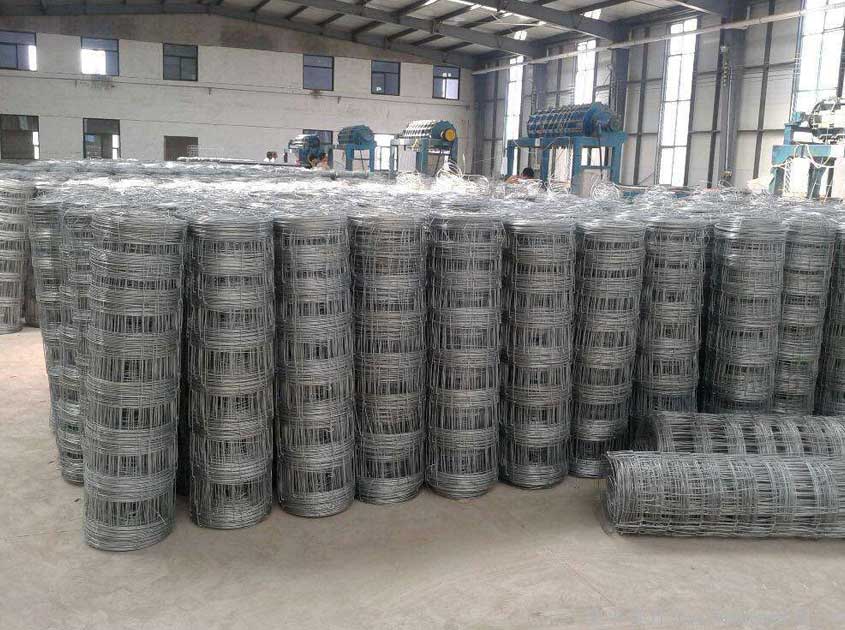
4. Farm and Livestock Fence Systems
Applications:
Cattle fencing
Sheep and goat fencing
Agricultural boundaries
Technical support includes:
Wire tension control
Terrain adaptation
Corner reinforcement systems
Basic Fence Installation Process
Although installation methods vary by fence type, most systems follow similar steps.
Step 1: Site Survey and Planning
Before installation:
Measure the project area
Mark fence lines
Check terrain conditions
Identify underground obstacles
Accurate planning helps reduce installation errors.
Step 2: Post Positioning
Fence posts are the structural foundation of the entire system.
Important considerations:
Correct post spacing
Vertical alignment
Foundation depth
Post spacing depends on:
Fence type
Wind load
Security requirements
Step 3: Foundation Preparation
Posts are usually installed using:
Concrete foundations
Ground anchors
Base plate systems
Proper foundations improve stability and resistance to environmental stress.
Step 4: Fence Panel or Mesh Installation
Different systems require different methods:
Chain Link Fence
Mesh stretching and tensioning
Tie wire fixing
Top rail installation
Welded Fence Panels
Clamp fixing
Bolt connection
Alignment adjustment
Step 5: Gate and Accessory Installation
Fence systems often include:
Gates
Barbed wire
Razor wire
Security accessories
Proper accessory installation is essential for security and operational performance.
Step 6: Final Inspection
Professional inspection includes:
Structural stability check
Alignment verification
Coating damage inspection
Tension adjustment
Importance of Technical Support from Manufacturers
Professional manufacturers provide much more than fencing products.
Engineering Drawings
Technical support may include:
CAD drawings
Installation diagrams
Structural recommendations
These documents help contractors install fencing correctly and efficiently.
Product Selection Guidance
Manufacturers help customers choose:
Suitable fence types
Proper wire diameter
Correct post systems
Surface treatment options
This reduces project risk and improves performance.
Installation Training
Some suppliers provide:
Online installation support
Video tutorials
Remote technical consultation
This is especially useful for overseas projects.
Custom Engineering Solutions
Complex projects often require:
Curved fence systems
Uneven terrain installation
High-security reinforcement
Special gate integration
Professional engineering support ensures project success.
Common Fence Installation Challenges
Uneven Ground
Solutions:
Stepped fence installation
Adjustable brackets
Custom panel sizing
High Wind Areas
Solutions:
Reinforced posts
Deeper foundations
Stronger connection systems
Corrosion Risk
Solutions:
Hot-dip galvanized materials
PVC coating
Stainless steel accessories
Security Requirements
Solutions:
Anti-climb mesh design
Razor wire integration
Reinforced gate systems
Benefits of Professional Installation Support
Faster Project Completion
Proper guidance reduces installation mistakes and delays.
Lower Labor Costs
Efficient installation improves productivity.
Longer Fence Lifespan
Correct installation prevents early damage and structural problems.
Improved Safety and Security
Professional engineering ensures reliable protection performance.
Why Global Buyers Prefer Experienced Chinese Manufacturers
China is one of the leading global suppliers of fence systems because of:
Advanced production technology
Complete fencing product range
Large-scale manufacturing capability
Competitive pricing
Strong export experience
Professional Chinese manufacturers also provide:
Technical drawings
Installation manuals
Engineering consultation
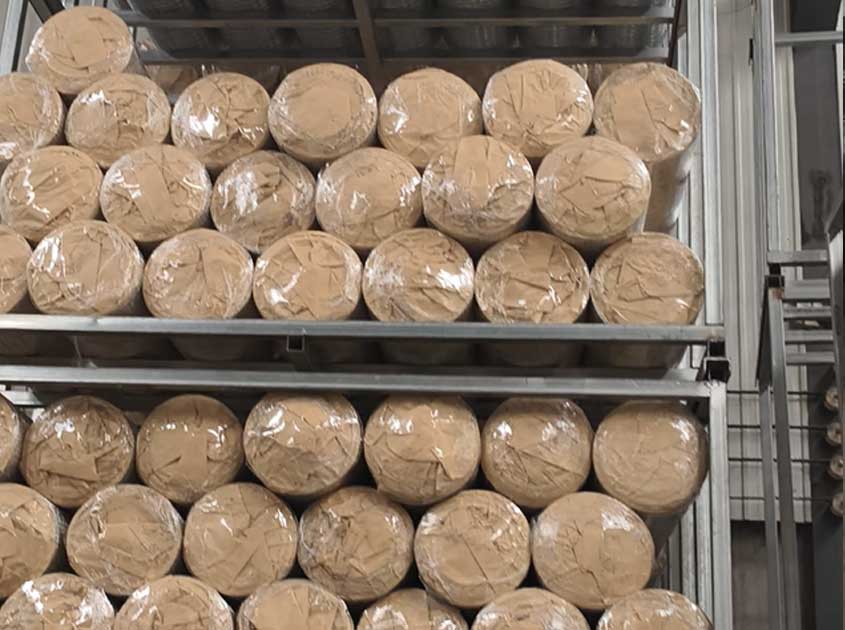
Export packaging solutions
This helps international customers manage projects more efficiently.
How to Choose a Reliable Fence Supplier
When selecting a fence manufacturer, buyers should consider:
Technical Capability
Engineering support team
CAD design services
Custom project experience
Product Quality
Welding quality inspection
Zinc coating testing
Structural strength verification
Export Experience
International standards compliance
Shipping coordination
Installation documentation support
Future Trends in Fence System Installation
Modern fencing projects are moving toward:
Modular installation systems
Smart security integration
Faster assembly methods
Sustainable fencing materials
Manufacturers providing both products and technical support will have greater advantages in global markets.
Conclusion
Fence systems installation guides and technical support are essential for ensuring successful fencing projects. Proper installation improves durability, security, and long-term performance while reducing maintenance and labor costs.
From chain link fencing and welded mesh panels to high-security fence systems, professional technical support helps contractors and project managers complete installations more efficiently and safely.
As a professional Chinese fence manufacturer and exporter, providing high-quality fence systems together with engineering guidance, installation support, and customized technical solutions helps global customers achieve reliable, cost-effective, and long-lasting fencing projects worldwide.
How to Choose Farm Fence for Cattle and Horses: Wire, Height and Design Guide
Pulished on Sep. 23, 2026
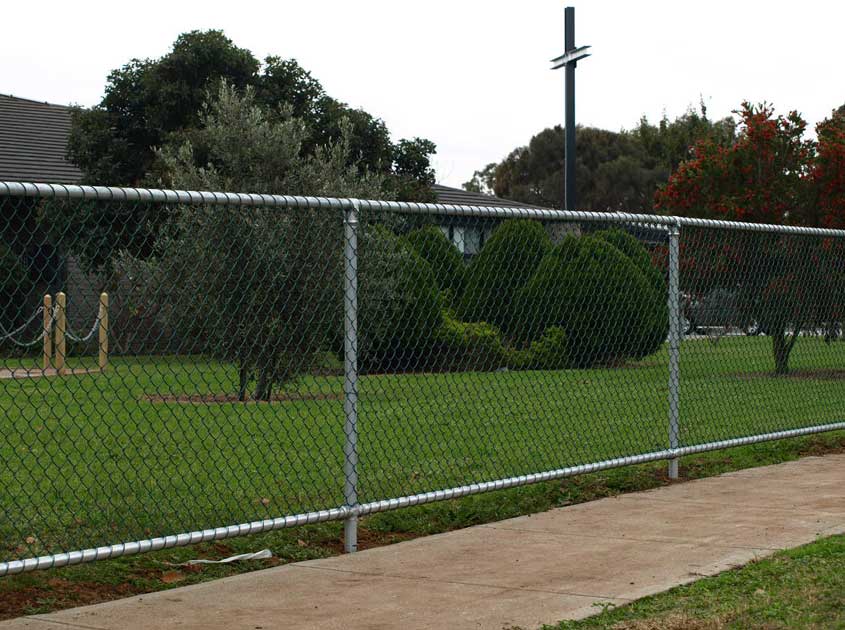
How Is Chain Link Fence Made? Manufacturing Process and Components
Pulished on Sep. 18, 2026
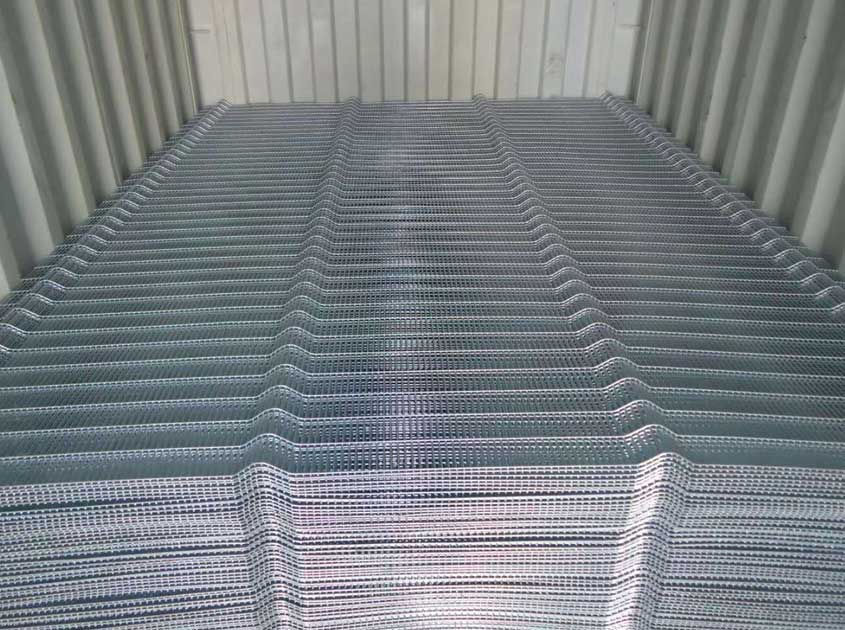
358 Security Fence vs Chain Link Fence: Security, Cost and Application Comparison
Pulished on Sep. 15, 2026
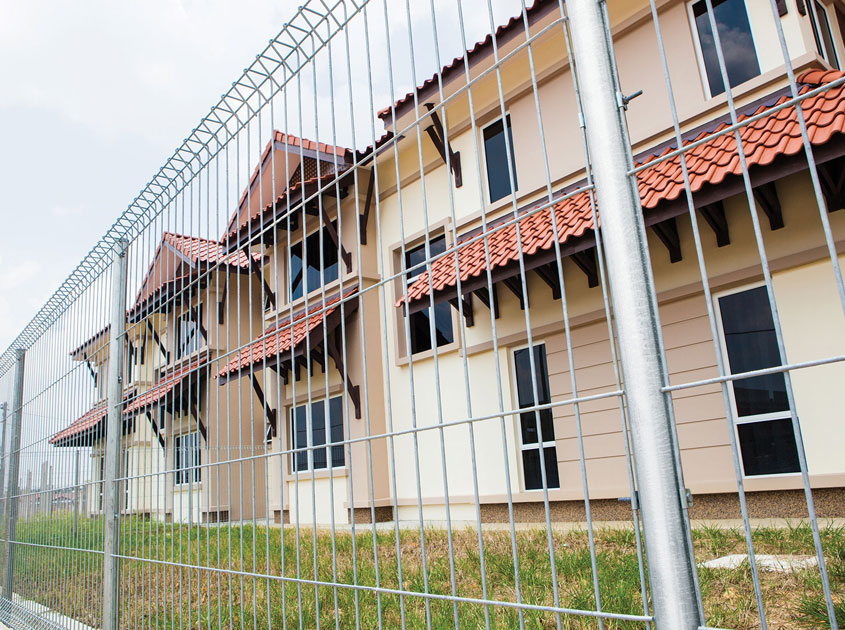
Why Choose Welded Wire Fence for Security and Protection?
Pulished on Sep. 07, 2026
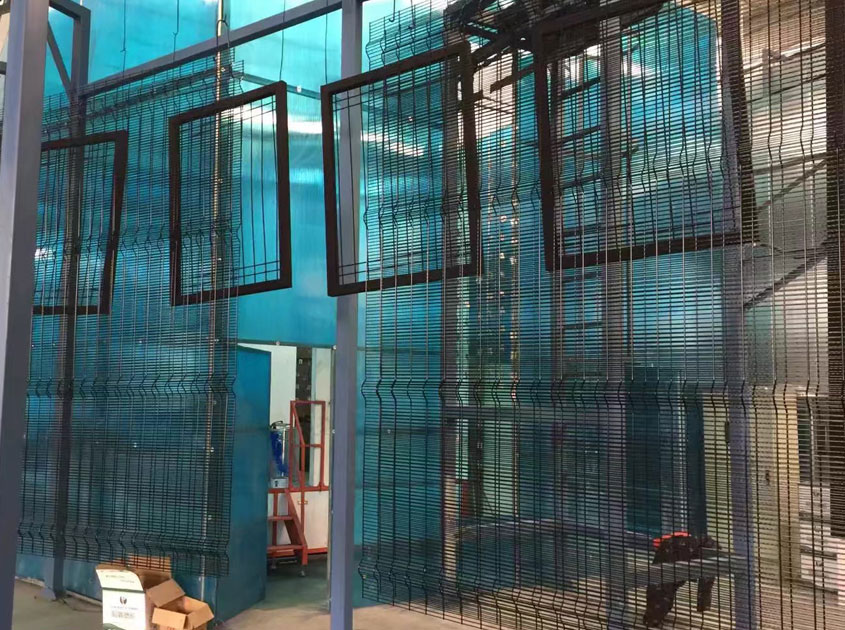
358 Security Fence Specifications and Applications Guide
Pulished on Aug. 27, 2026
What Is Farm Fence and What Are the Main Types?
Pulished on Aug. 26, 2026
Welded Wire Fence Types, Sizes and Applications Guide
Pulished on Aug. 20, 2026
Chain Link Fence Types, Specifications and Applications Guide
Pulished on Aug. 12, 2026
How to Choose Farm Fence for Cattle and Horses: Wire, Height and Design Guide
Pulished on Sep. 23, 2026
How Is Chain Link Fence Made? Manufacturing Process and Components
Pulished on Sep. 18, 2026
358 Security Fence vs Chain Link Fence: Security, Cost and Application Comparison
Pulished on Sep. 15, 2026
Why Choose Welded Wire Fence for Security and Protection?
Pulished on Sep. 07, 2026
358 Security Fence Specifications and Applications Guide
Pulished on Aug. 27, 2026
What Is Farm Fence and What Are the Main Types?
Pulished on Aug. 26, 2026
Welded Wire Fence Types, Sizes and Applications Guide
Pulished on Aug. 20, 2026
Chain Link Fence Types, Specifications and Applications Guide
Pulished on Aug. 12, 2026