EN
 SP
 FR

- Home
- About Us
- Products
- Service
- Project
- News
- Contact Us
Pulished on Sep. 18, 2023
Animal Protection: Welded mesh fences play an important role in animal protection in agricultural applications. It can be used to establish livestock areas or animal pens on farms to ensure animals move within a safe area. The density and structural design of welded mesh fences can effectively prevent animals from escaping or outside animals from entering, and protect the safety and health of farm animals.

Crop protection: Welded mesh fences can also be used for crop protection. It can be used to fence a field or orchard to prevent wild animals or poultry from entering and damaging crops. The tight structure of the welded mesh fence can prevent small animals from passing through, and it can also resist the invasion of large animals and protect the growth and harvest of crops.

Boundary Demarcation: Welded mesh fences also play an important role in boundary demarcation in agricultural applications. It can be used to mark the boundaries of a farm and separate it from its surroundings. This helps manage and control land use on the farm, preventing trespassing and disputes. The strength and durability of Welded mesh fence make it ideal for long-term use, ensuring stable and reliable farm boundaries.

Protective function: Welded mesh fence can also provide additional protective functions to protect the safety of farm facilities and property. It can be used to fence sensitive areas such as farm buildings, warehouses, machinery and equipment to prevent theft and vandalism. The sturdiness and visibility of a welded mesh fence make it a deterrent, reducing the willingness of potential intruders to break in.
Through the role of welded mesh fence in agricultural applications, animal protection, crop protection, boundary delineation and protection functions can be achieved. The properties of welded mesh fencing make it an important tool for farm management and security, providing a reliable and effective solution.
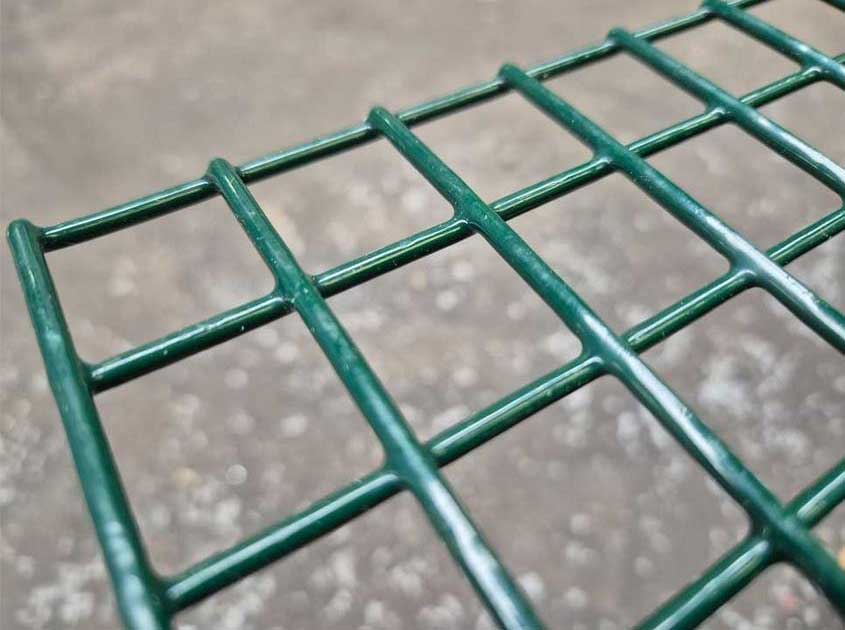
How to Select the Right Wire Diameter for Welded Wire Fence? A Practical Buyer’s Guide
Pulished on Nov. 18, 2026
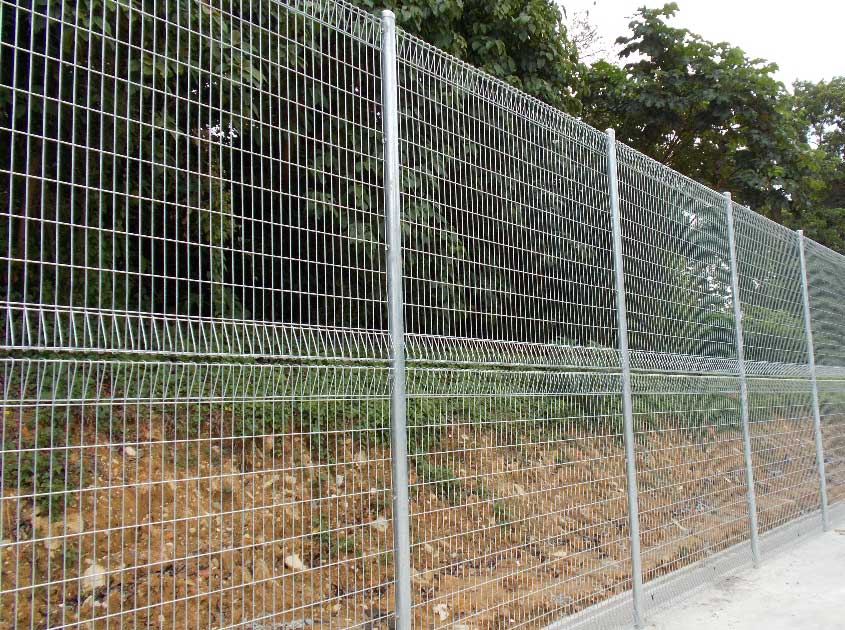
What Mesh Size Is Best for Welded Wire Fence? A Practical Selection Guide
Pulished on Nov. 09, 2026
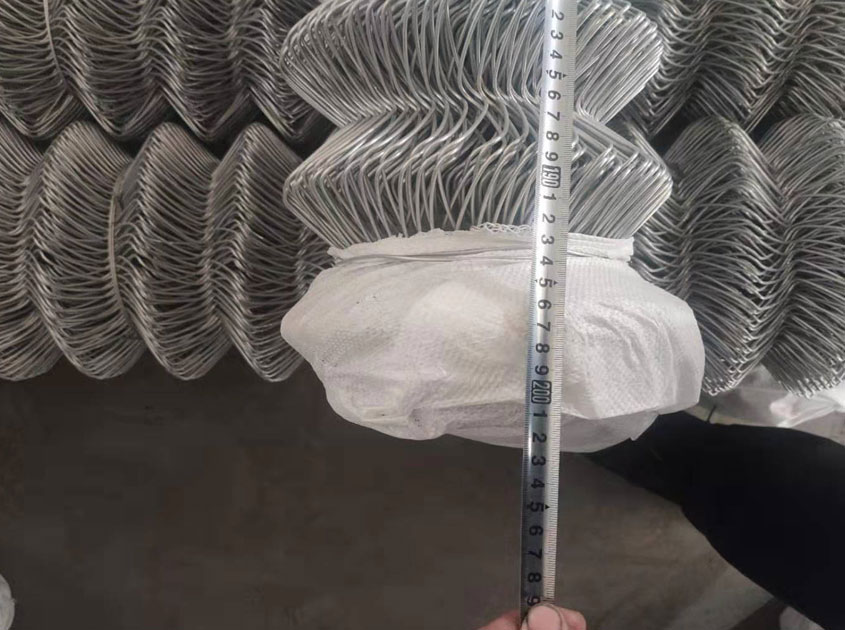
How Much Does Chain Link Fence Cost? A Complete Guide to Material Prices, Shipping and Project Costs
Pulished on Oct. 27, 2026
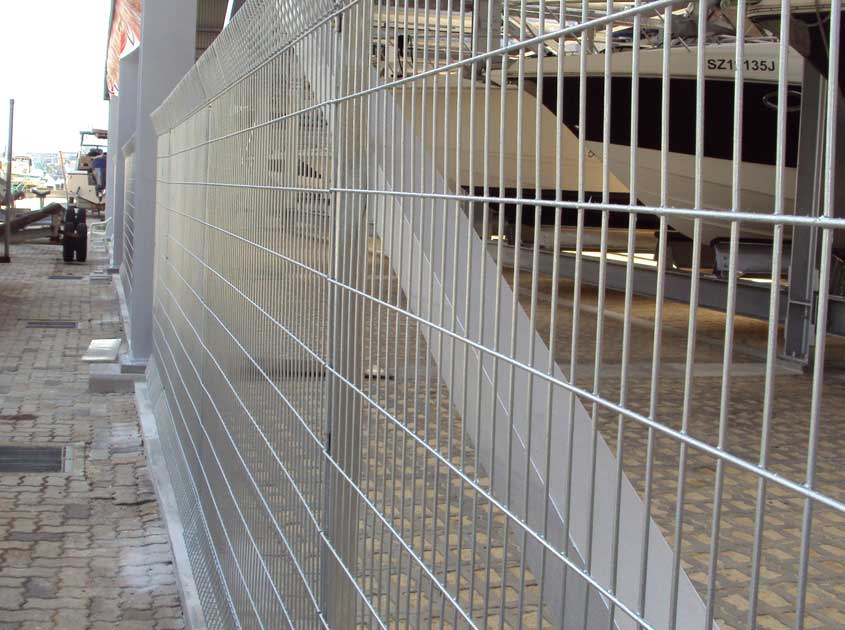
How to Install a Welded Wire Fence: A Step-by-Step Guide for Contractors
Pulished on Oct. 23, 2026
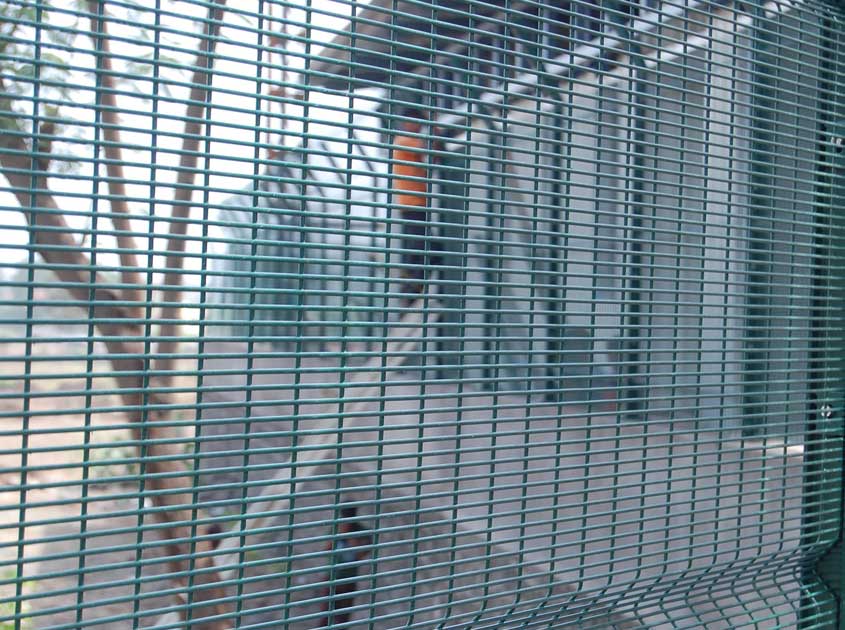
358 Fence vs Welded Wire Fence: Which Is Better for Your Project?
Pulished on Oct. 20, 2026
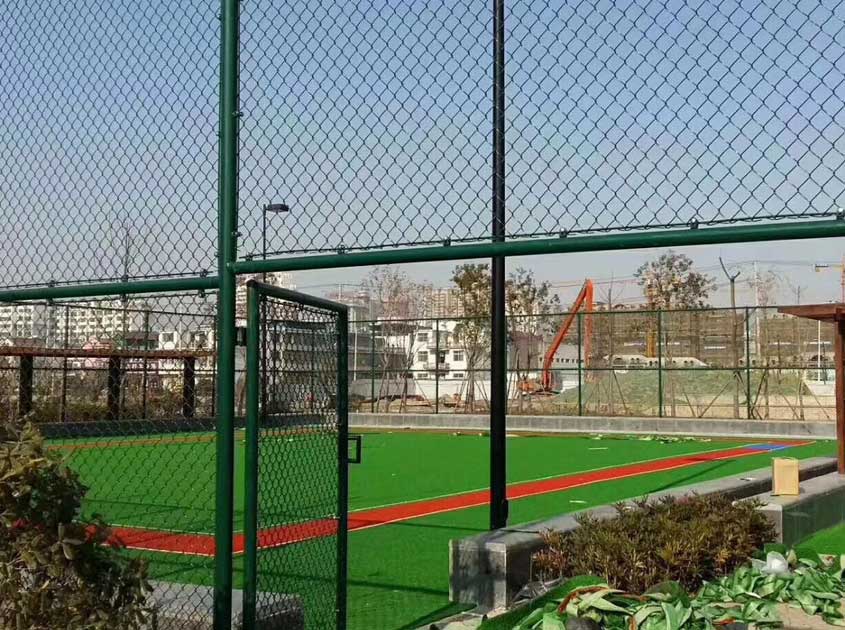
What Are the Advantages of Chain Link Fence? 8 Benefits for Commercial and Industrial Projects
Pulished on Oct. 16, 2026
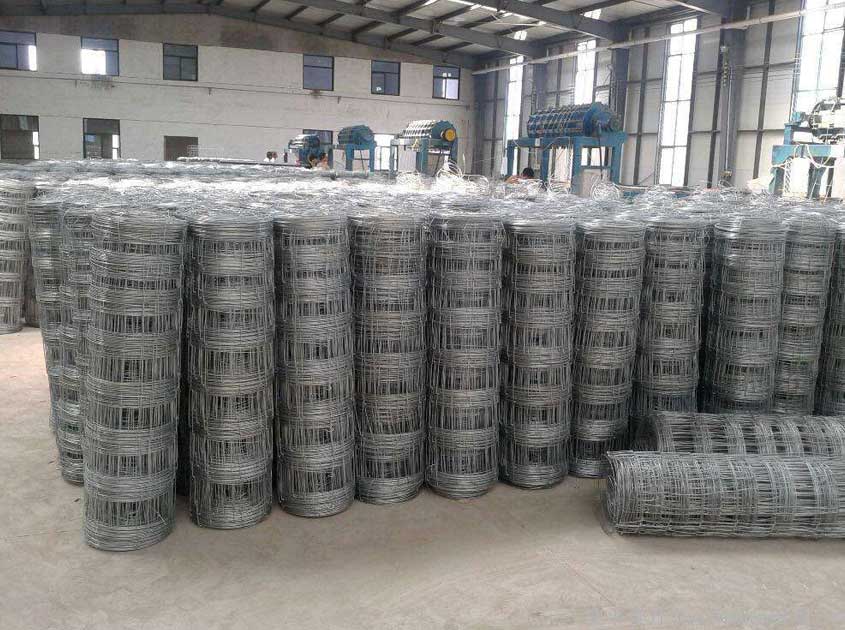
How to Choose Farm Fence for Cattle and Horses: Wire, Height and Design Guide
Pulished on Sep. 23, 2026
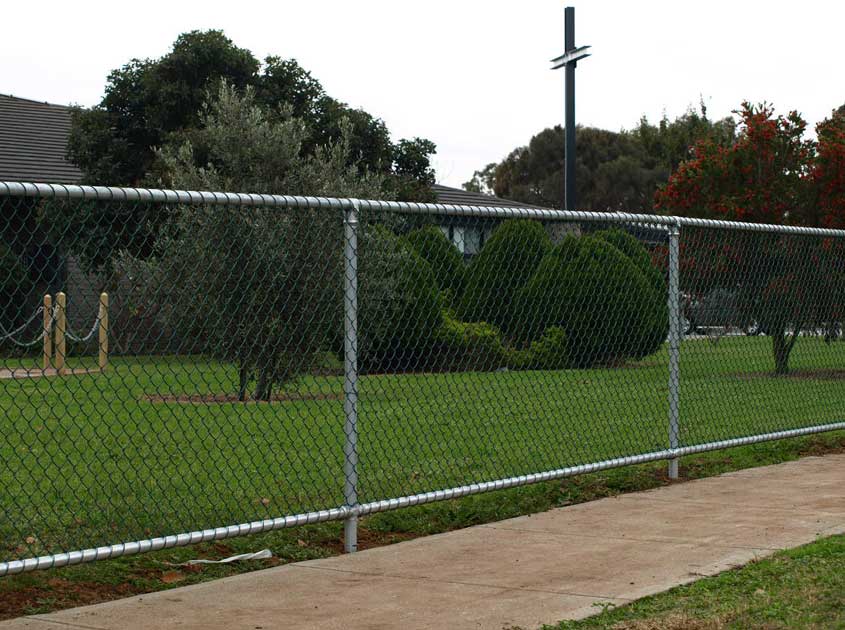
How Is Chain Link Fence Made? Manufacturing Process and Components
Pulished on Sep. 18, 2026
How to Select the Right Wire Diameter for Welded Wire Fence? A Practical Buyer’s Guide
Pulished on Nov. 18, 2026
What Mesh Size Is Best for Welded Wire Fence? A Practical Selection Guide
Pulished on Nov. 09, 2026
How Much Does Chain Link Fence Cost? A Complete Guide to Material Prices, Shipping and Project Costs
Pulished on Oct. 27, 2026
How to Install a Welded Wire Fence: A Step-by-Step Guide for Contractors
Pulished on Oct. 23, 2026
358 Fence vs Welded Wire Fence: Which Is Better for Your Project?
Pulished on Oct. 20, 2026
What Are the Advantages of Chain Link Fence? 8 Benefits for Commercial and Industrial Projects
Pulished on Oct. 16, 2026
How to Choose Farm Fence for Cattle and Horses: Wire, Height and Design Guide
Pulished on Sep. 23, 2026
How Is Chain Link Fence Made? Manufacturing Process and Components
Pulished on Sep. 18, 2026