EN
 SP
 FR

- Home
- About Us
- Products
- Service
- Project
- News
- Contact Us
Pulished on Sep. 01, 2023
In high-risk environments, such as industrial areas, chemical plants or fire-prone areas, it is crucial to choose a fence with good fire performance. As a common fence choice, Steel Picket Fence is fire resistance is of great significance in preventing the spread of fire, protecting people's safety and property from damage. This article will examine the fire performance of Steel Picket Fence in high risk environments and analyze its importance in providing security protection.

Structural and material properties of Steel Picket Fence
Steel Picket Fence has special structural and material properties that affect its fire performance. For example, the steel texture of a fence generally has high heat and corrosion resistance, which can maintain the integrity of the fence in high temperature environments. In addition, the peaked design can reduce the possibility of fire spreading, preventing people from crossing the boundary or breaking the fence.

Fire performance of Steel Picket Fence
Steel Picket Fence exhibits good fire performance in high risk environments. First, its heat and corrosion resistance allows it to withstand flames and heat radiation in high-temperature environments, maintaining the structural integrity of the fence and reducing the possibility of fire spreading. Secondly, the spire design can prevent the spread of fire, effectively limit the scope of fire spread, and protect the safety of the surrounding area.
Other Factors and Recommendations
In addition to structural and material properties, there are other factors to consider when selecting a Steel Picket Fence. These factors include the quality of the fence's installation, compliance and maintenance requirements, among others. Decision makers and fence users should choose the appropriate Steel Picket Fence according to the specific high-risk environment needs, and carry out regular inspection and maintenance to ensure that its fire performance is always in the best condition.
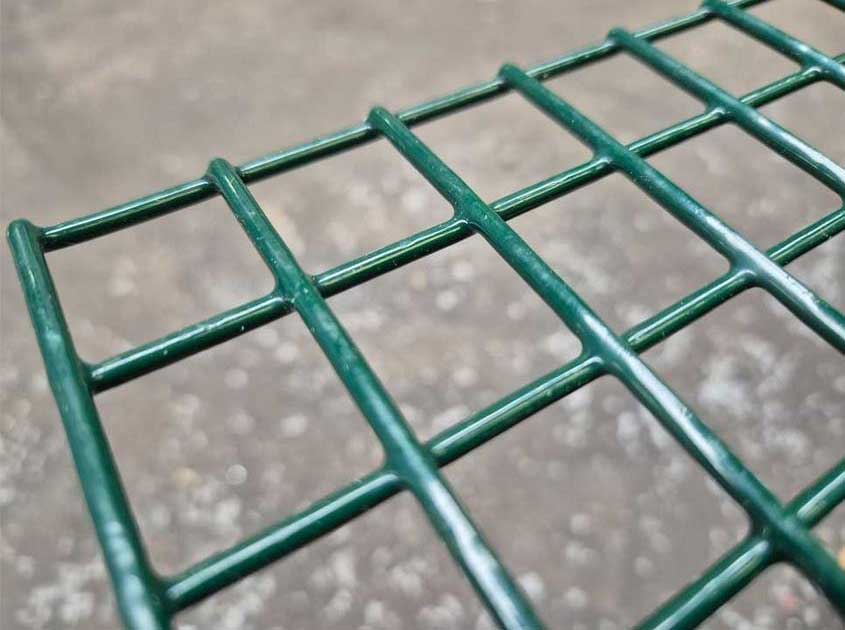
How to Select the Right Wire Diameter for Welded Wire Fence? A Practical Buyer’s Guide
Pulished on Nov. 18, 2026
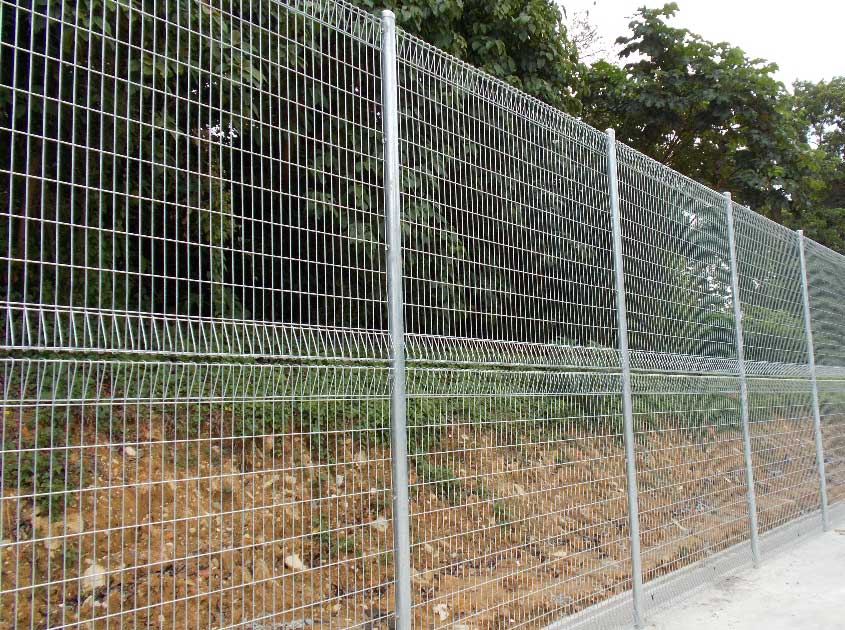
What Mesh Size Is Best for Welded Wire Fence? A Practical Selection Guide
Pulished on Nov. 09, 2026
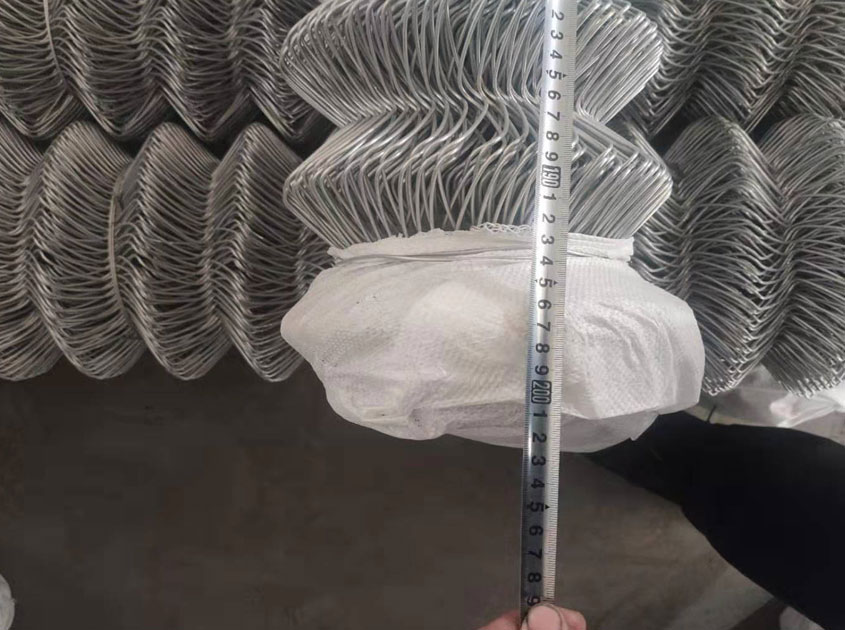
How Much Does Chain Link Fence Cost? A Complete Guide to Material Prices, Shipping and Project Costs
Pulished on Oct. 27, 2026
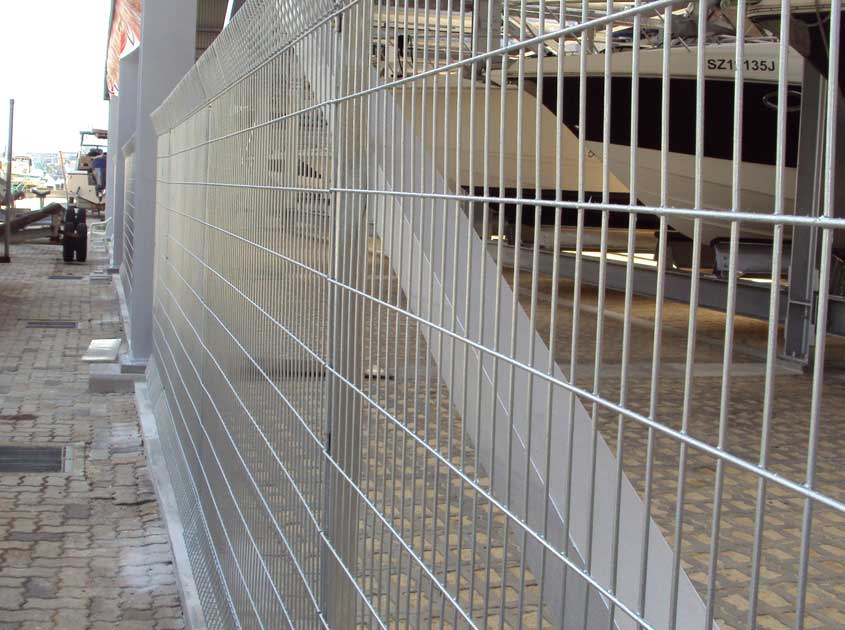
How to Install a Welded Wire Fence: A Step-by-Step Guide for Contractors
Pulished on Oct. 23, 2026
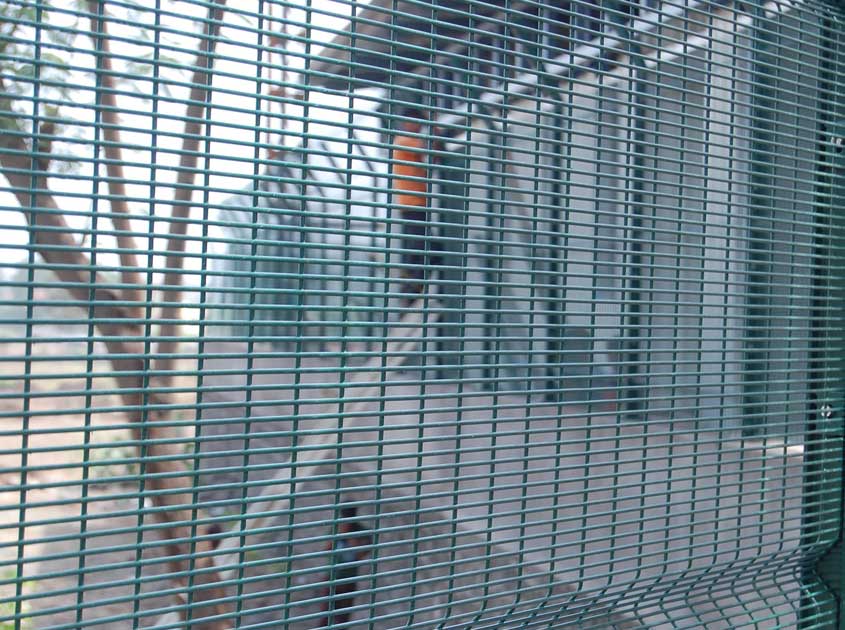
358 Fence vs Welded Wire Fence: Which Is Better for Your Project?
Pulished on Oct. 20, 2026

What Are the Advantages of Chain Link Fence? 8 Benefits for Commercial and Industrial Projects
Pulished on Oct. 16, 2026
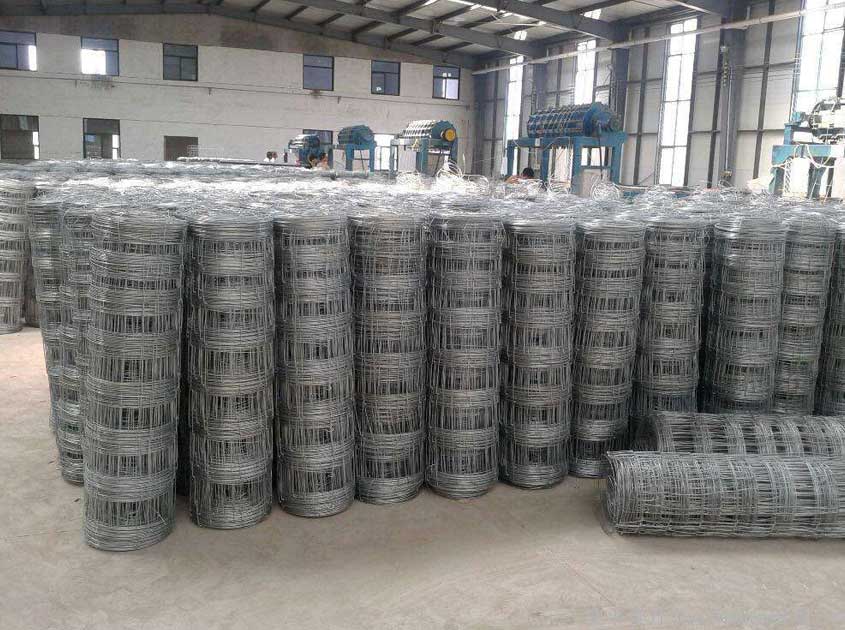
How to Choose Farm Fence for Cattle and Horses: Wire, Height and Design Guide
Pulished on Sep. 23, 2026
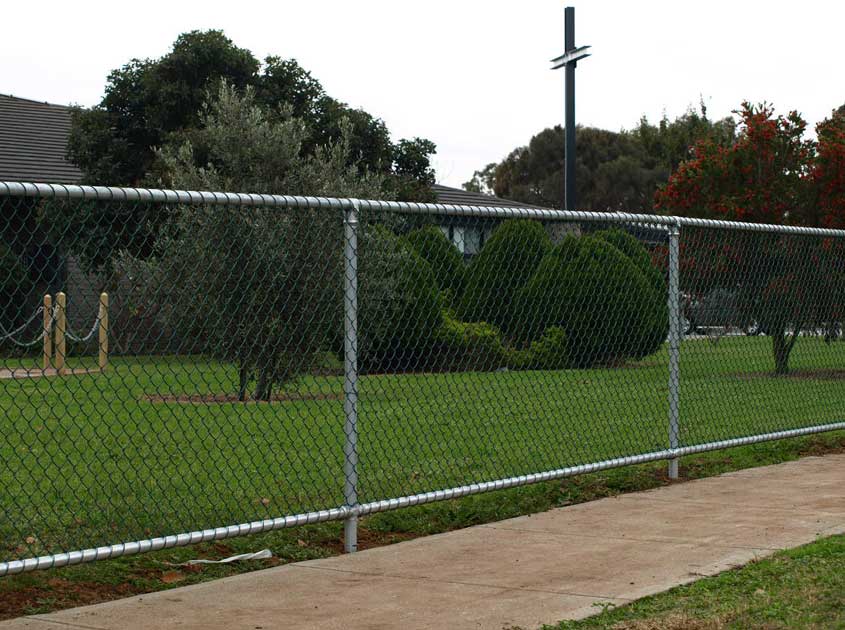
How Is Chain Link Fence Made? Manufacturing Process and Components
Pulished on Sep. 18, 2026
How to Select the Right Wire Diameter for Welded Wire Fence? A Practical Buyer’s Guide
Pulished on Nov. 18, 2026
What Mesh Size Is Best for Welded Wire Fence? A Practical Selection Guide
Pulished on Nov. 09, 2026
How Much Does Chain Link Fence Cost? A Complete Guide to Material Prices, Shipping and Project Costs
Pulished on Oct. 27, 2026
How to Install a Welded Wire Fence: A Step-by-Step Guide for Contractors
Pulished on Oct. 23, 2026
358 Fence vs Welded Wire Fence: Which Is Better for Your Project?
Pulished on Oct. 20, 2026
What Are the Advantages of Chain Link Fence? 8 Benefits for Commercial and Industrial Projects
Pulished on Oct. 16, 2026
How to Choose Farm Fence for Cattle and Horses: Wire, Height and Design Guide
Pulished on Sep. 23, 2026
How Is Chain Link Fence Made? Manufacturing Process and Components
Pulished on Sep. 18, 2026