EN
 SP
 FR

- Home
- About Us
- Products
- Service
- Project
- News
- Contact Us
Pulished on Jul. 11, 2023
Canada Temporary fences are an essential part of the construction industry. They provide a safe and secure environment for workers, protect the public from potential hazards, and help to ensure that construction projects are completed on time and within budget. In this article, we will explore the benefits of Canada temporary fence for the construction industry.

Security:
Construction sites can be vulnerable to theft and vandalism, especially during off-hours. Temporary fences can be used to create a secure perimeter around the site, deterring potential thieves and vandals. They can also be customized with additional security features such as barbed wire or razor wire to provide an extra layer of protection.

Compliance:
Canada Temporary fences are often required by law for construction sites. They help to ensure that construction sites are in compliance with safety regulations and other legal requirements. Failure to comply with these regulations can result in fines and other penalties.

Cost-Effective:
Canada Temporary fences are a cost-effective solution for construction sites. They can be rented or purchased for a fraction of the cost of a permanent fence, making them an ideal choice for construction projects with limited budgets. The Canada temporary fence can also be reused on future projects, providing long-term value.
Conclusion:
Canada Temporary fences are an essential part of the construction industry. They provide safety and security for workers, protect the public from potential hazards, and help to ensure that construction projects are completed on time and within budget. The flexibility and cost-effectiveness of Canada temporary fences make them an ideal solution for construction projects of all sizes and types. Whether you are a contractor or a property owner, a Canada temporary fence can provide the protection your construction project needs to succeed.
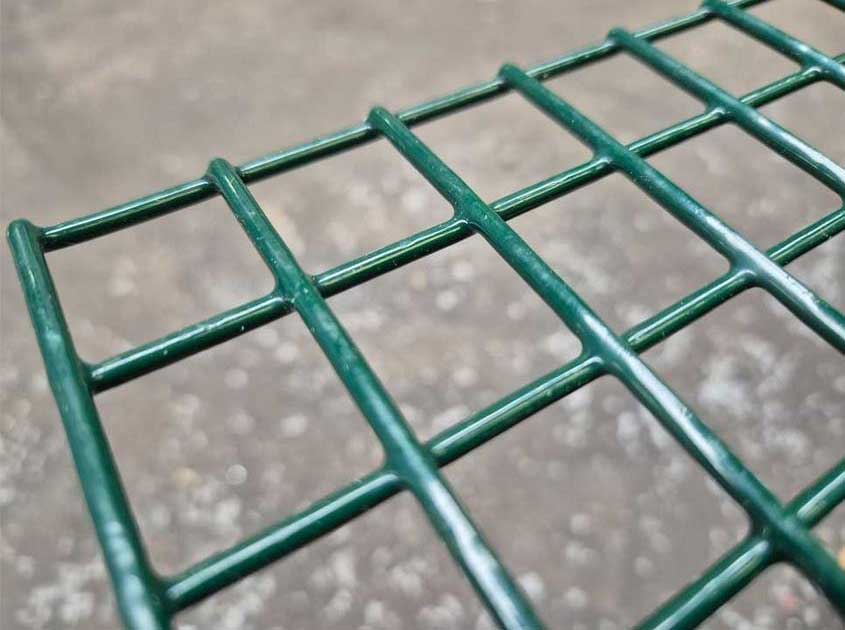
How to Select the Right Wire Diameter for Welded Wire Fence? A Practical Buyer’s Guide
Pulished on Nov. 18, 2026
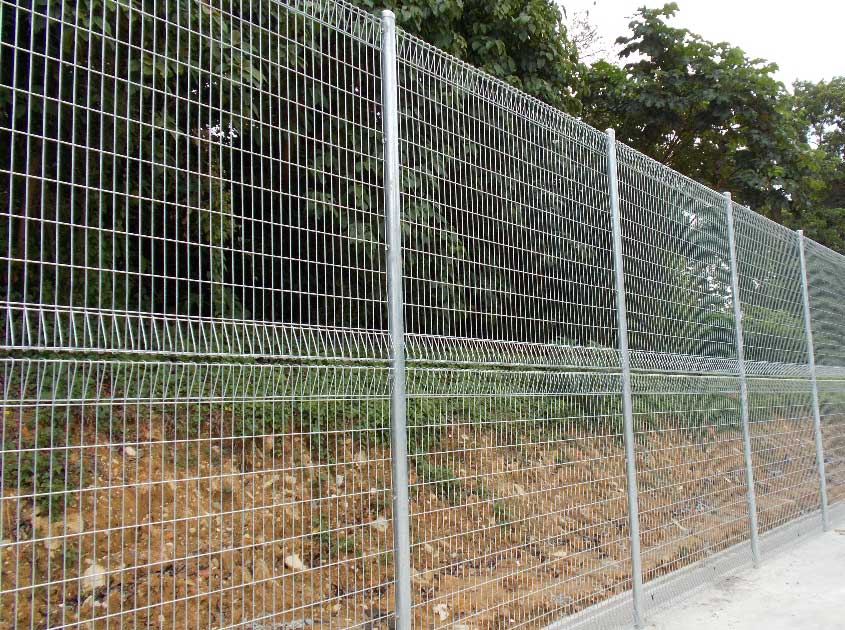
What Mesh Size Is Best for Welded Wire Fence? A Practical Selection Guide
Pulished on Nov. 09, 2026
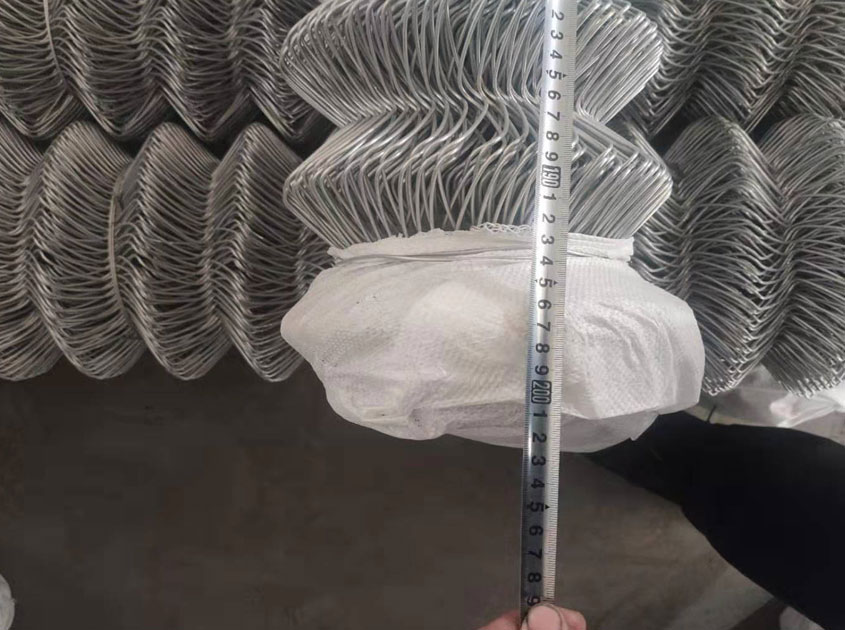
How Much Does Chain Link Fence Cost? A Complete Guide to Material Prices, Shipping and Project Costs
Pulished on Oct. 27, 2026
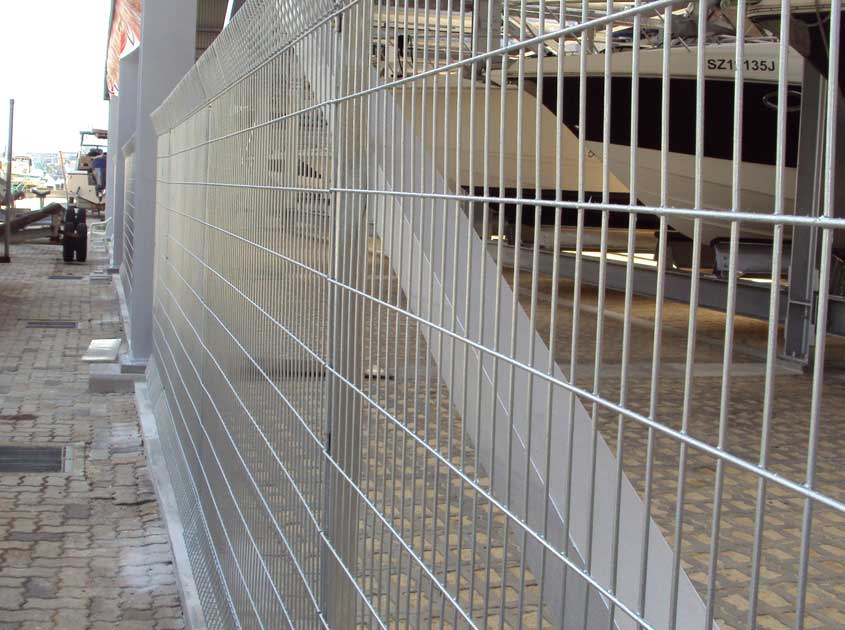
How to Install a Welded Wire Fence: A Step-by-Step Guide for Contractors
Pulished on Oct. 23, 2026
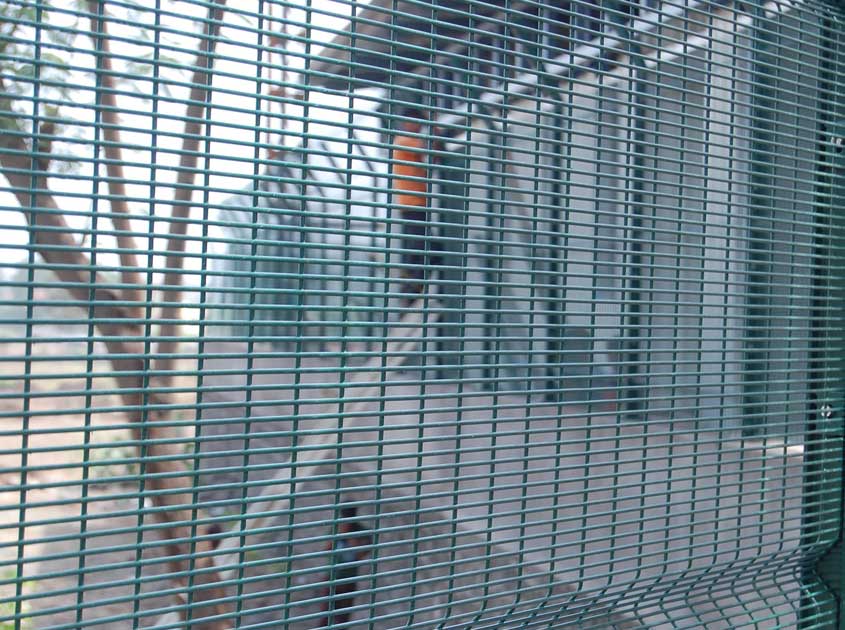
358 Fence vs Welded Wire Fence: Which Is Better for Your Project?
Pulished on Oct. 20, 2026

What Are the Advantages of Chain Link Fence? 8 Benefits for Commercial and Industrial Projects
Pulished on Oct. 16, 2026
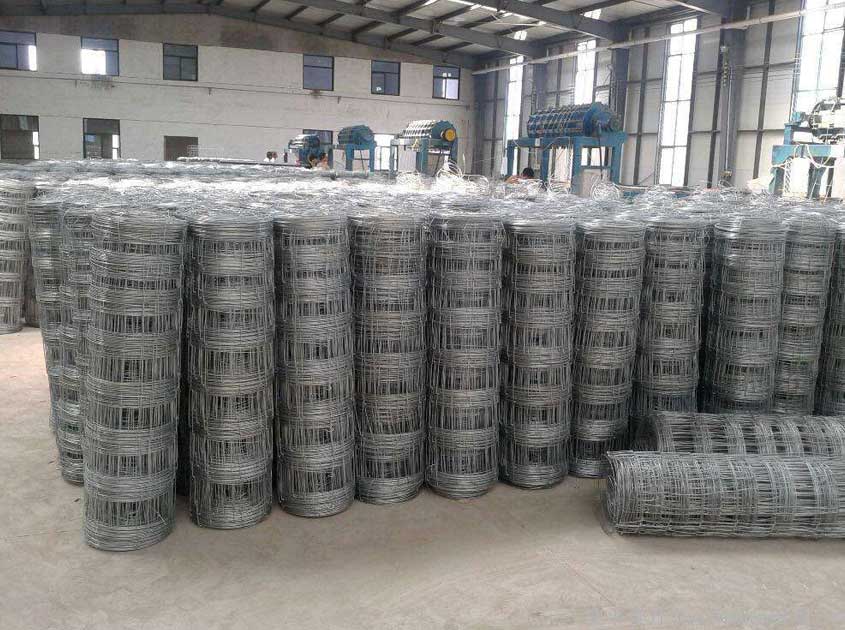
How to Choose Farm Fence for Cattle and Horses: Wire, Height and Design Guide
Pulished on Sep. 23, 2026
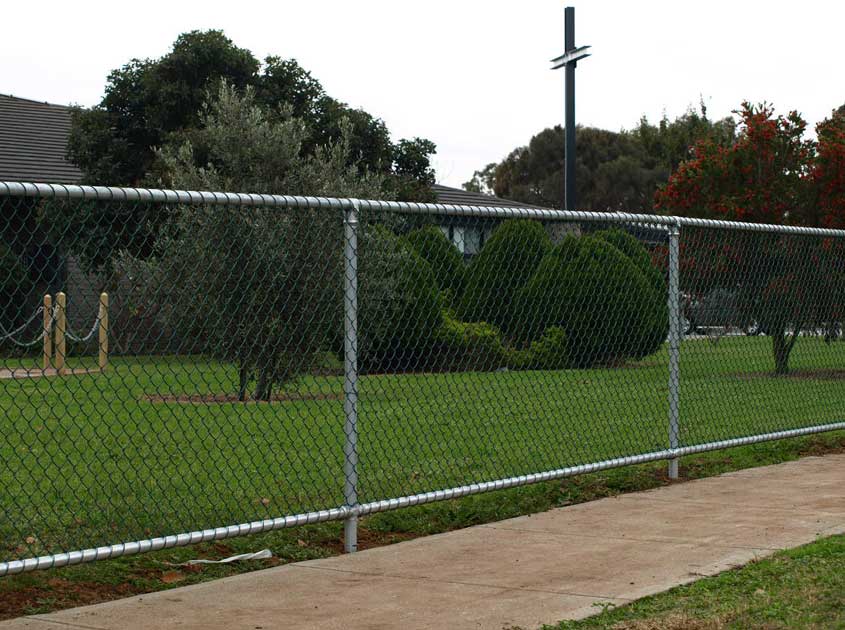
How Is Chain Link Fence Made? Manufacturing Process and Components
Pulished on Sep. 18, 2026
How to Select the Right Wire Diameter for Welded Wire Fence? A Practical Buyer’s Guide
Pulished on Nov. 18, 2026
What Mesh Size Is Best for Welded Wire Fence? A Practical Selection Guide
Pulished on Nov. 09, 2026
How Much Does Chain Link Fence Cost? A Complete Guide to Material Prices, Shipping and Project Costs
Pulished on Oct. 27, 2026
How to Install a Welded Wire Fence: A Step-by-Step Guide for Contractors
Pulished on Oct. 23, 2026
358 Fence vs Welded Wire Fence: Which Is Better for Your Project?
Pulished on Oct. 20, 2026
What Are the Advantages of Chain Link Fence? 8 Benefits for Commercial and Industrial Projects
Pulished on Oct. 16, 2026
How to Choose Farm Fence for Cattle and Horses: Wire, Height and Design Guide
Pulished on Sep. 23, 2026
How Is Chain Link Fence Made? Manufacturing Process and Components
Pulished on Sep. 18, 2026