EN
 SP
 FR

- Home
- About Us
- Products
- Service
- Project
- News
- Contact Us
Pulished on Aug. 04, 2023
military application
Anti-climb fences were originally used in military applications, such as defending important areas such as military bases, airports, and borders. Made of high-strength steel with extremely small grid spacing, these fences are extremely secure and defensive, preventing enemy soldiers and spies from entering critical areas.

Prisons and Jails
Following the success of anti-climb fences in military applications, it began to be used in prisons and prisons. These pens are of similar design and materials to prevent prisoner escape or intrusion. This type of fence is also known as an escape fence and can provide a high degree of security and defense.

Government offices and public facilities
Anti-climb fences are increasingly used in government offices and public facilities. These fences can protect the safety of government agencies and public facilities, such as power stations, water treatment plants, bridges and roads, etc. This kind of fence can also be used to protect commercial places, such as banks, shops and factories, etc.

business use
Finally, anti-climbing fences began to be widely used in commercial purposes, such as industrial parks, residential complexes and schools, etc. These fences can provide a high degree of security and defense to protect the safety of commercial and residential areas. In addition, this fence can also provide aesthetics and functionality to suit different needs and uses.
In summary, the evolution of anti-climb fences from military applications to commercial use has undergone many changes. From the initial military application to prisons and prisons, to government offices and public facilities, it is finally widely used in commercial fields. This type of fencing can provide a high level of security and defense as well as aesthetics and functionality to suit different needs and uses
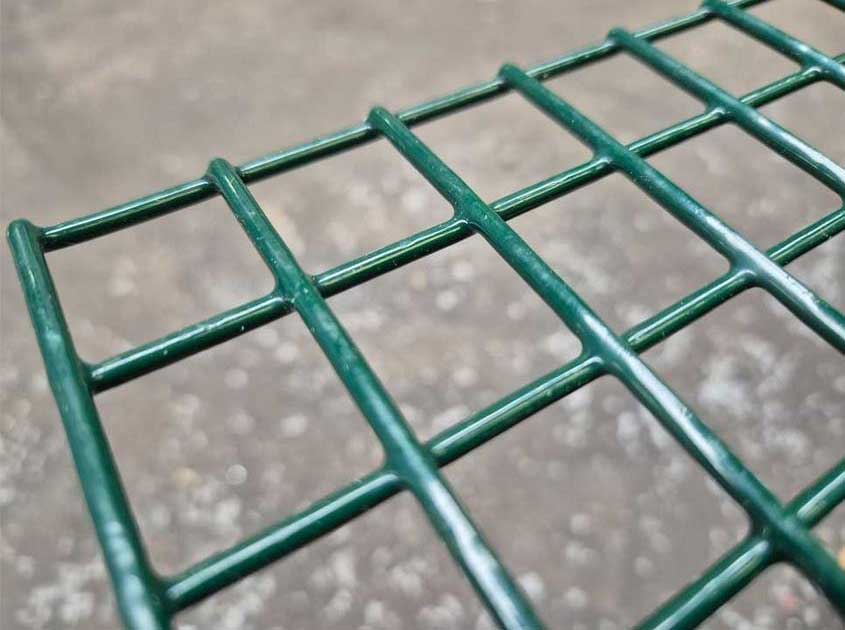
How to Select the Right Wire Diameter for Welded Wire Fence? A Practical Buyer’s Guide
Pulished on Nov. 18, 2026
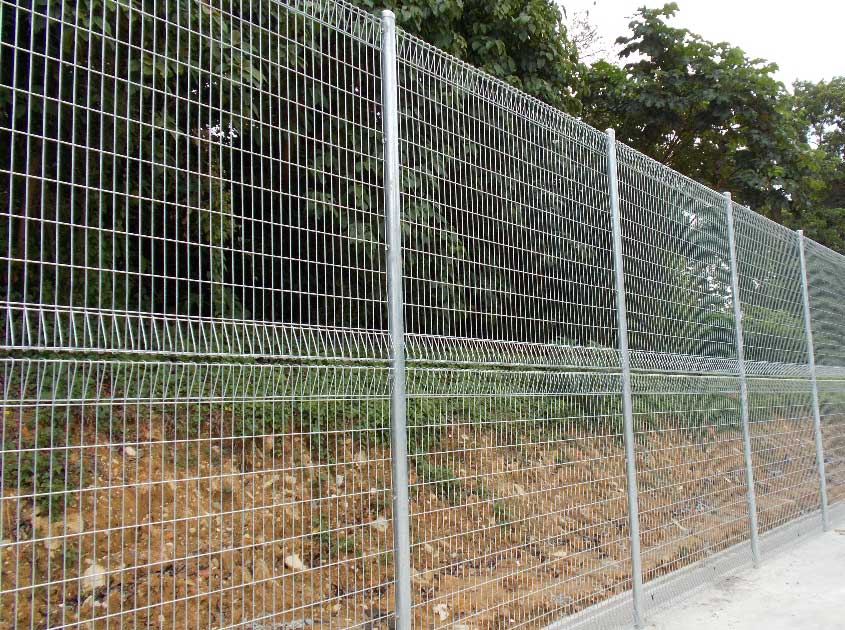
What Mesh Size Is Best for Welded Wire Fence? A Practical Selection Guide
Pulished on Nov. 09, 2026
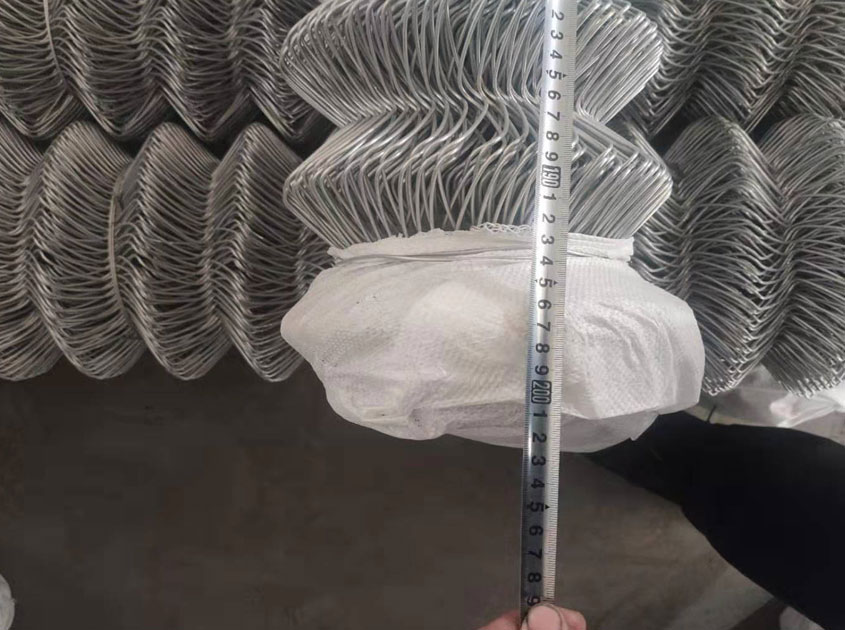
How Much Does Chain Link Fence Cost? A Complete Guide to Material Prices, Shipping and Project Costs
Pulished on Oct. 27, 2026
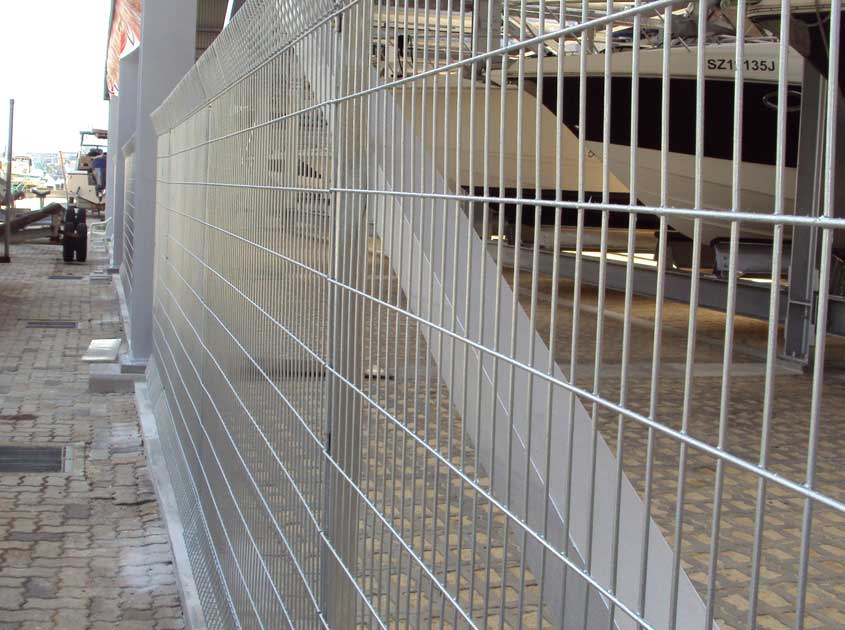
How to Install a Welded Wire Fence: A Step-by-Step Guide for Contractors
Pulished on Oct. 23, 2026
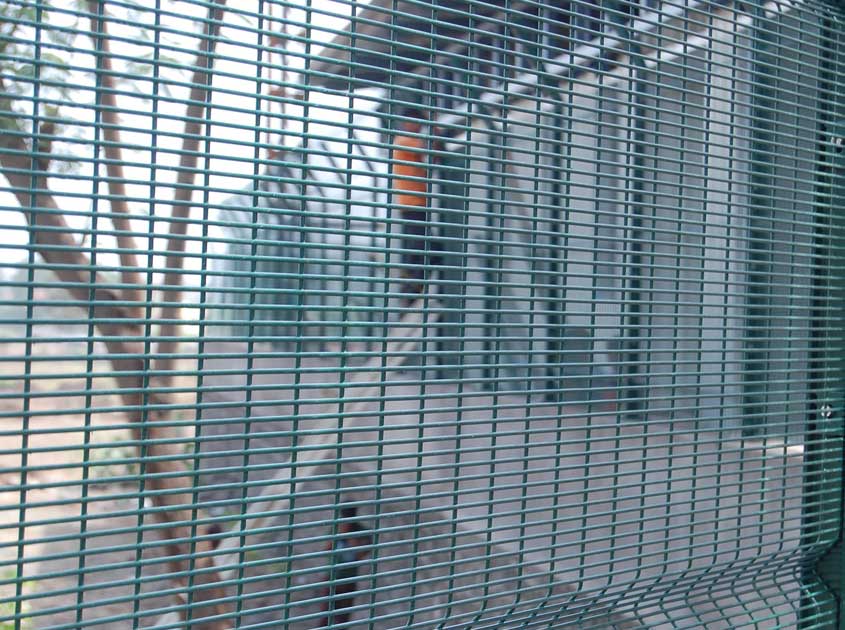
358 Fence vs Welded Wire Fence: Which Is Better for Your Project?
Pulished on Oct. 20, 2026

What Are the Advantages of Chain Link Fence? 8 Benefits for Commercial and Industrial Projects
Pulished on Oct. 16, 2026
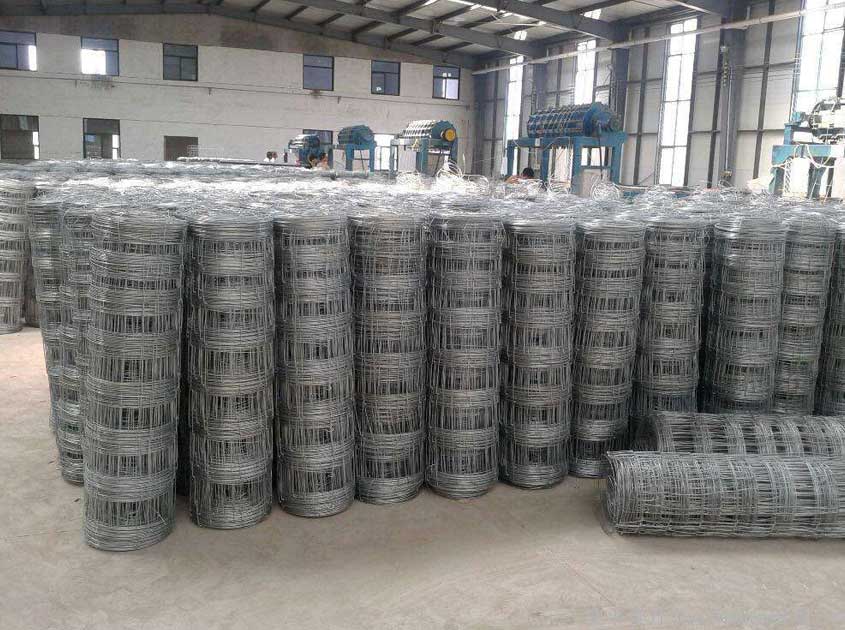
How to Choose Farm Fence for Cattle and Horses: Wire, Height and Design Guide
Pulished on Sep. 23, 2026
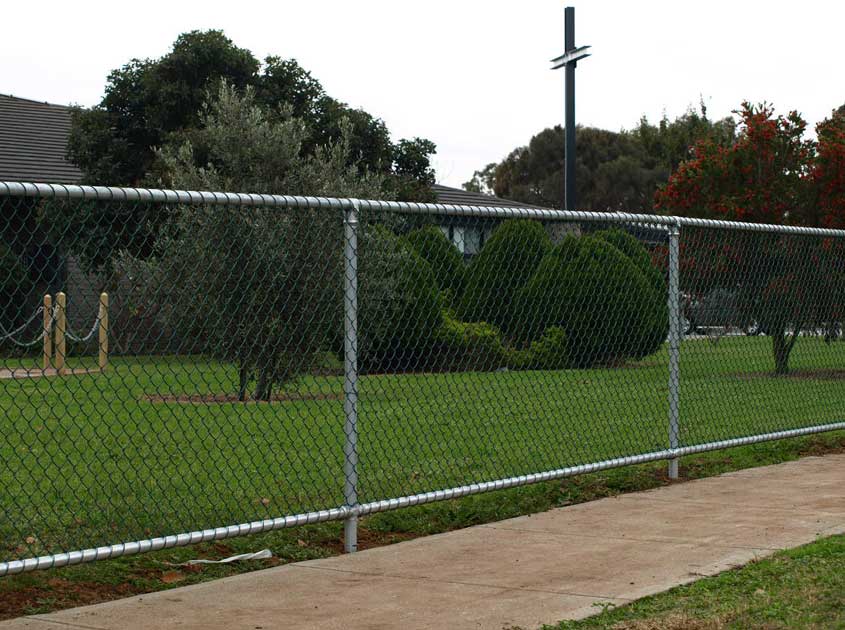
How Is Chain Link Fence Made? Manufacturing Process and Components
Pulished on Sep. 18, 2026
How to Select the Right Wire Diameter for Welded Wire Fence? A Practical Buyer’s Guide
Pulished on Nov. 18, 2026
What Mesh Size Is Best for Welded Wire Fence? A Practical Selection Guide
Pulished on Nov. 09, 2026
How Much Does Chain Link Fence Cost? A Complete Guide to Material Prices, Shipping and Project Costs
Pulished on Oct. 27, 2026
How to Install a Welded Wire Fence: A Step-by-Step Guide for Contractors
Pulished on Oct. 23, 2026
358 Fence vs Welded Wire Fence: Which Is Better for Your Project?
Pulished on Oct. 20, 2026
What Are the Advantages of Chain Link Fence? 8 Benefits for Commercial and Industrial Projects
Pulished on Oct. 16, 2026
How to Choose Farm Fence for Cattle and Horses: Wire, Height and Design Guide
Pulished on Sep. 23, 2026
How Is Chain Link Fence Made? Manufacturing Process and Components
Pulished on Sep. 18, 2026