EN
EN SP
SP FR
FR
- Home
- About Us
- Products
- Service
- Project
- News
- Contact Us
Pulished on Jul. 18, 2023
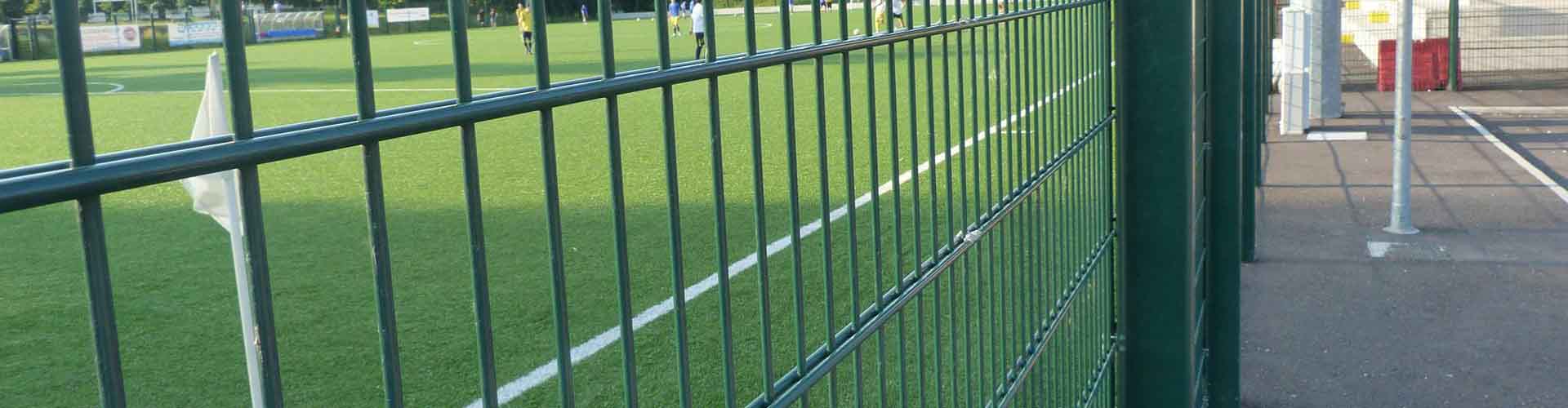
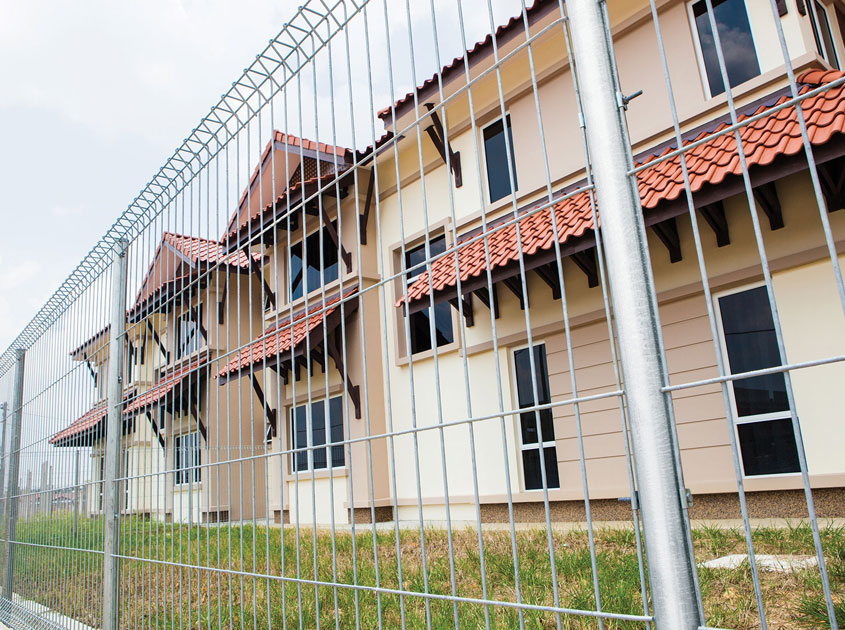
BRC mesh fence is a popular type of fencing due to its durability, strength, and versatility. However, like any other fence, it requires post-installation maintenance to ensure its longevity. Here are some essential steps for post-installation maintenance of BRC mesh fence:
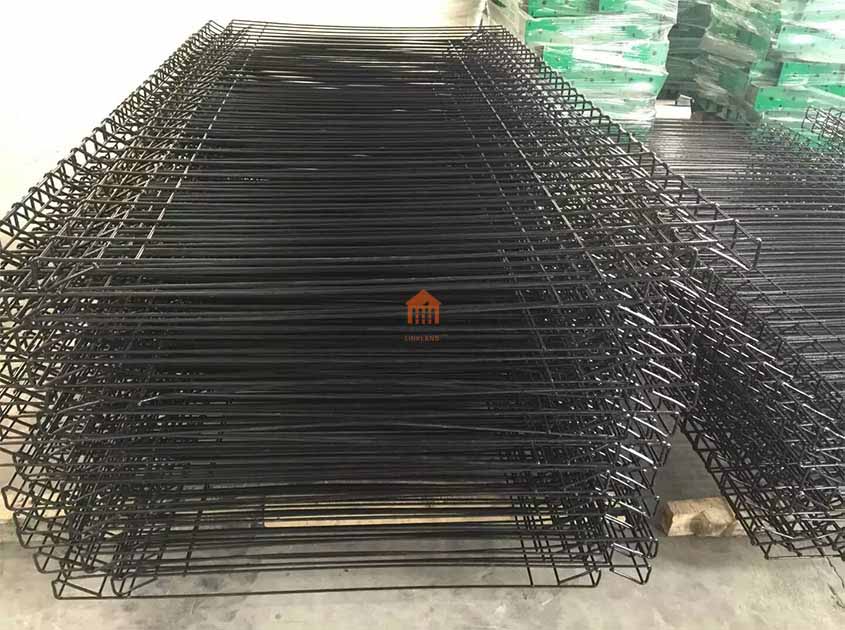
Regular cleaning: Regular cleaning is essential to keep BRC mesh fence in good condition. Dirt, dust, and debris can accumulate on the fence, which can lead to rust and corrosion. Use a soft-bristled brush and mild detergent to clean the fence, and rinse it off with a hose.
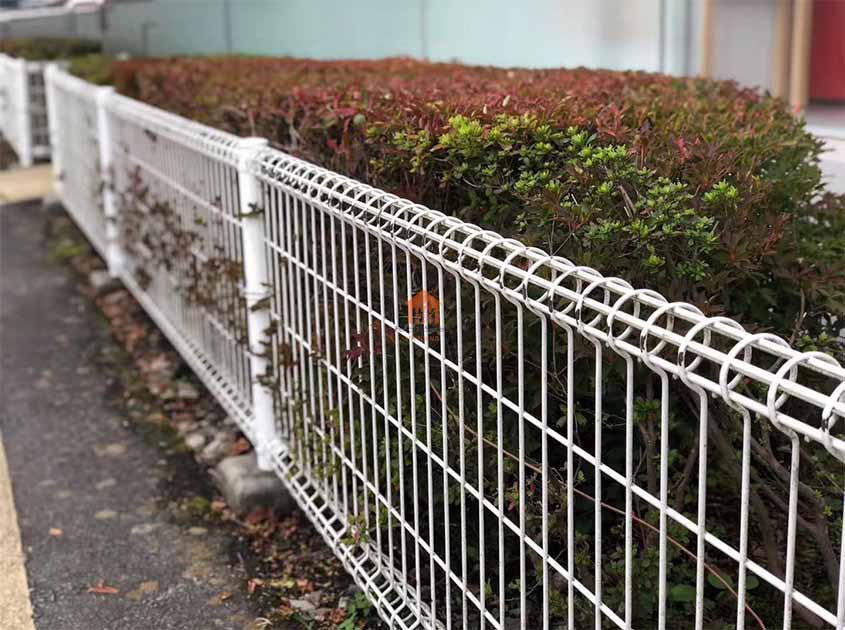
Rust prevention: BRC mesh fence is made of steel, which can rust if not properly maintained. To prevent rust, apply a rust inhibitor or anti-corrosion coating to the fence. This will help protect the fence from the elements and extend its lifespan.
Inspect for damage: Regularly inspect BRC mesh fence for damage, such as cracks or dents, and repair any damage as soon as possible. This will prevent the damage from getting worse and ensure the fence remains secure and stable.
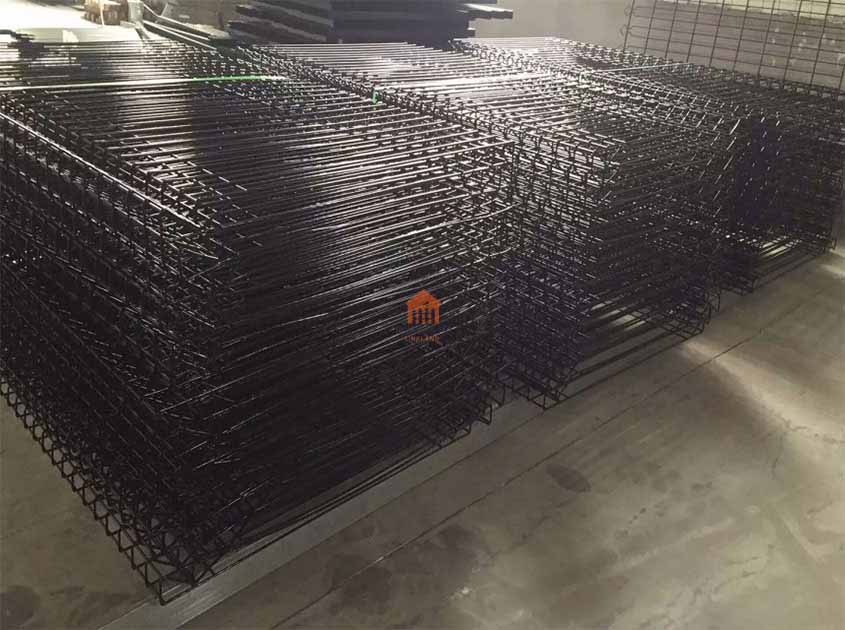
Check for loose components: Check the fence regularly for any loose components, such as bolts or screws, and tighten them as needed. Loose components can compromise the fence's stability and security, so it's essential to keep them tight.
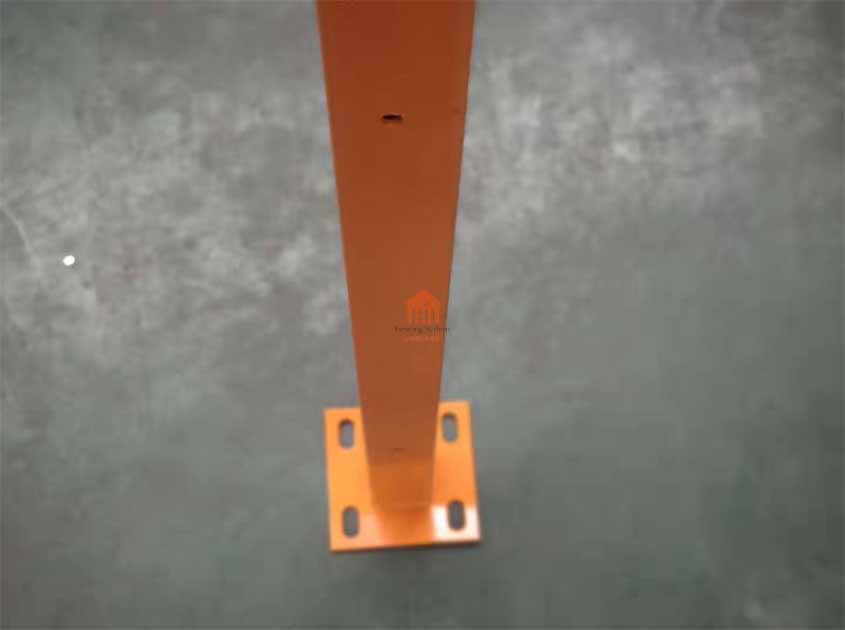
Trim vegetation: Overgrown vegetation can damage BRC mesh fence, so it's important to trim any plants or trees that are growing too close to the fence. This will prevent the vegetation from rubbing against the fence and causing damage.
By following these essential post-installation maintenance steps, you can ensure the longevity of your BRC mesh fence and keep it in good condition for years to come. Regular cleaning, rust prevention, damage inspection and repair, checking for loose components, and trimming vegetation are all essential steps to maintaining a strong and secure fence.
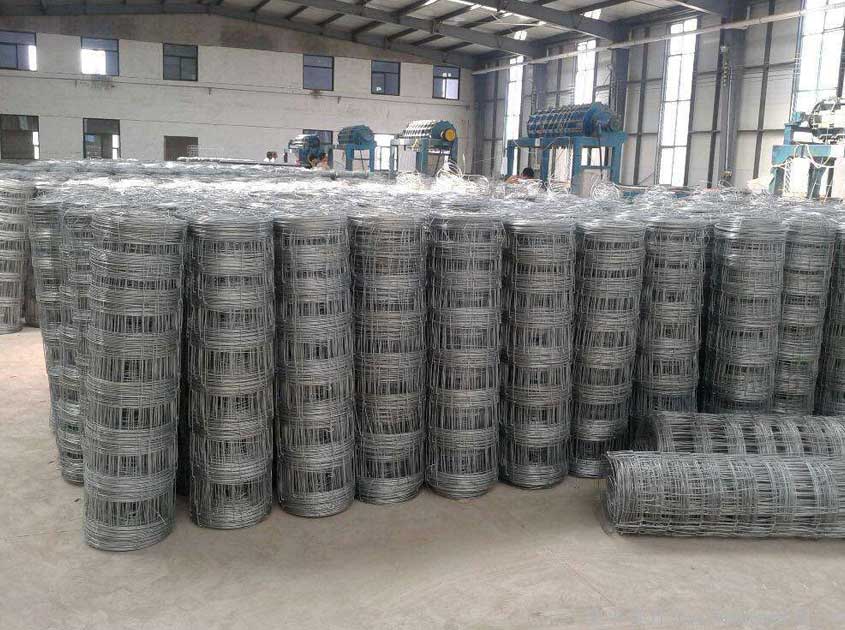
How to Choose Farm Fence for Cattle and Horses: Wire, Height and Design Guide
Pulished on Sep. 23, 2026
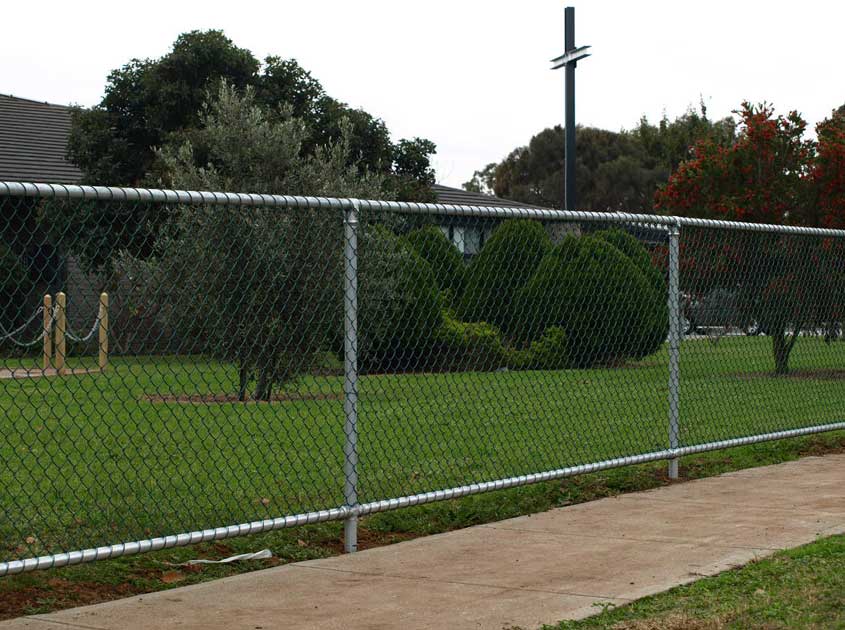
How Is Chain Link Fence Made? Manufacturing Process and Components
Pulished on Sep. 18, 2026
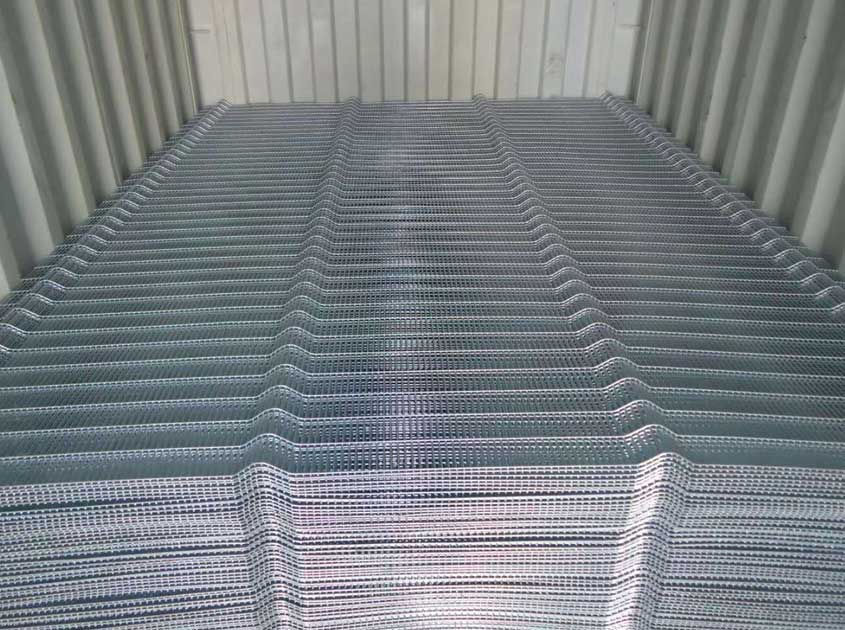
358 Security Fence vs Chain Link Fence: Security, Cost and Application Comparison
Pulished on Sep. 15, 2026
Why Choose Welded Wire Fence for Security and Protection?
Pulished on Sep. 07, 2026
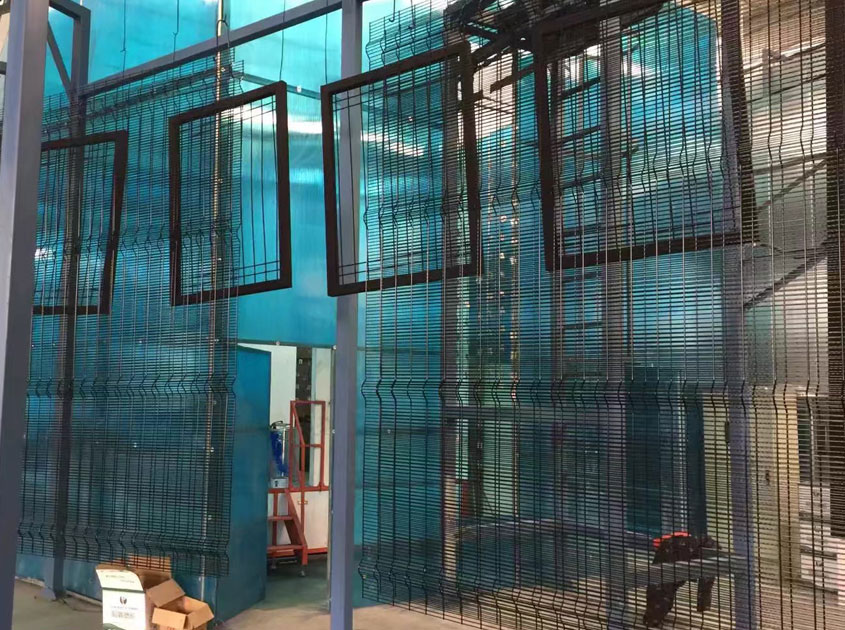
358 Security Fence Specifications and Applications Guide
Pulished on Aug. 27, 2026
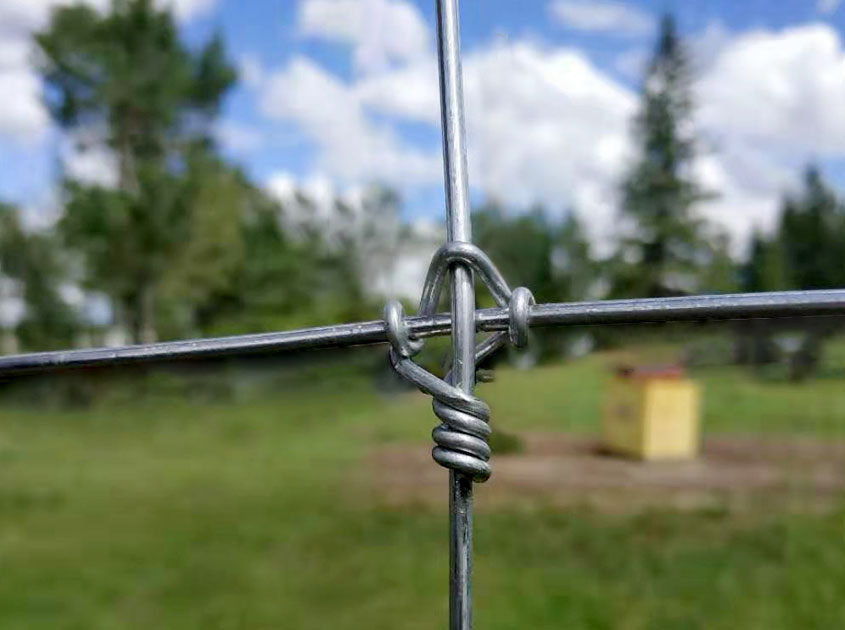
What Is Farm Fence and What Are the Main Types?
Pulished on Aug. 26, 2026
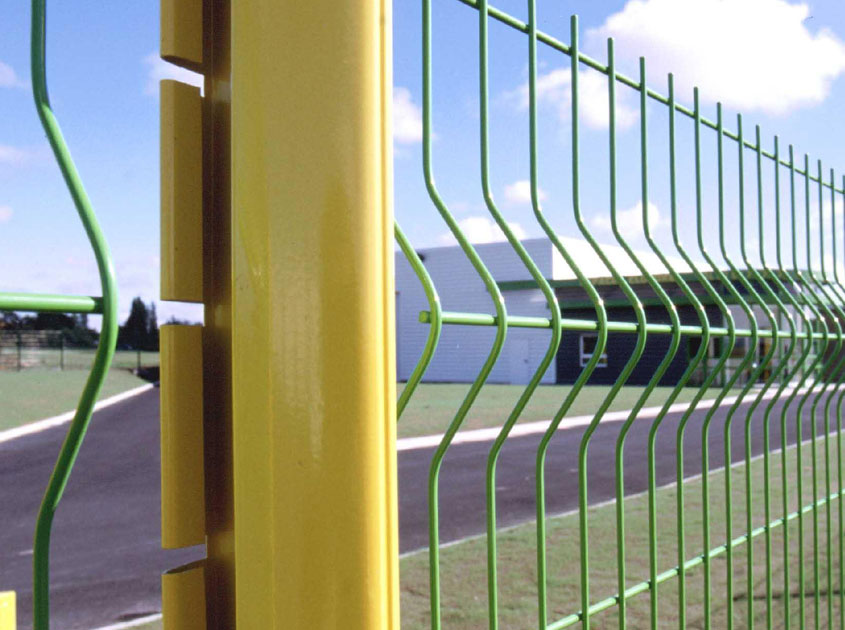
Welded Wire Fence Types, Sizes and Applications Guide
Pulished on Aug. 20, 2026
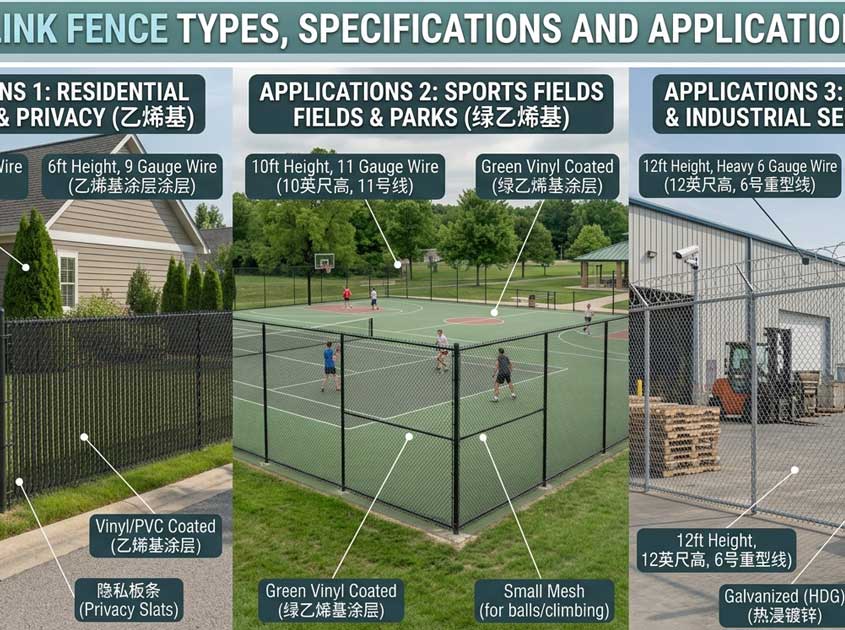
Chain Link Fence Types, Specifications and Applications Guide
Pulished on Aug. 12, 2026
How to Choose Farm Fence for Cattle and Horses: Wire, Height and Design Guide
Pulished on Sep. 23, 2026
How Is Chain Link Fence Made? Manufacturing Process and Components
Pulished on Sep. 18, 2026
358 Security Fence vs Chain Link Fence: Security, Cost and Application Comparison
Pulished on Sep. 15, 2026
Why Choose Welded Wire Fence for Security and Protection?
Pulished on Sep. 07, 2026
358 Security Fence Specifications and Applications Guide
Pulished on Aug. 27, 2026
What Is Farm Fence and What Are the Main Types?
Pulished on Aug. 26, 2026
Welded Wire Fence Types, Sizes and Applications Guide
Pulished on Aug. 20, 2026
Chain Link Fence Types, Specifications and Applications Guide
Pulished on Aug. 12, 2026