EN
EN SP
SP FR
FR
- Home
- About Us
- Products
- Service
- Project
- News
- Contact Us
Pulished on Oct. 07, 2023
Woven Gabion Baskets structures are an effective tool for wildlife habitat restoration. Through clever design and arrangement of Woven Gabion Baskets, you can provide a suitable habitat for wildlife, promote habitat restoration and increase biodiversity. This article explores how Woven Gabion Baskets structures can be designed to enable wildlife habitat restoration.
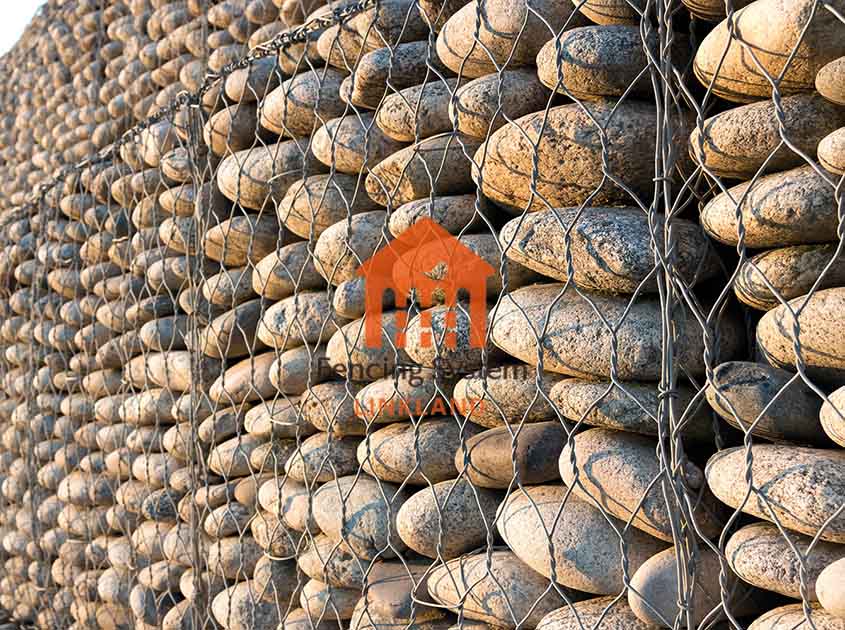
Structural design and material selection
When designing the structure of Woven Gabion Baskets, structural stability and adaptability need to be considered. First, choose high-quality Woven Gabion Baskets, such as woven galvanized steel wire to ensure durability and corrosion resistance. Secondly, design the appropriate gabion basket shape and size according to the characteristics and needs of the habitat. For example, to provide habitat and breeding sites, baskets can be designed with pores of different sizes to suit the needs of different animals. In addition, the stability of the structure is also an important consideration, and supports and connections need to be properly planned to ensure the stability and safety of the basket.
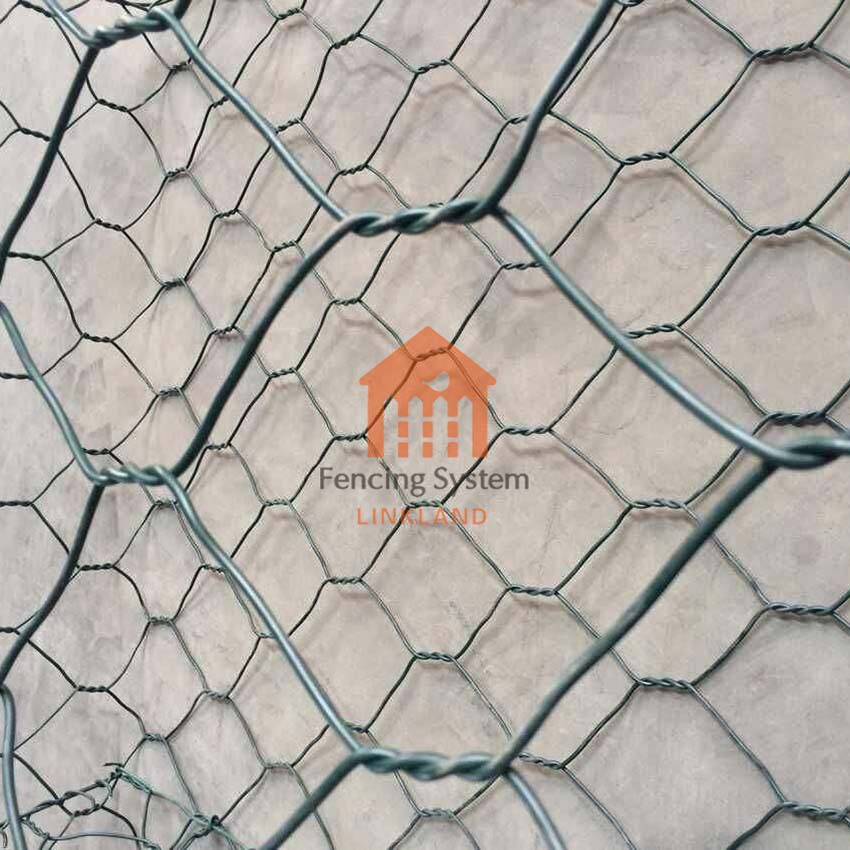
Basket arrangements and vegetation planting
When arranging Woven Gabion Baskets, consider habitat layout and planting. According to the needs of the habitat, the position and density of the baskets should be reasonably arranged to maximize the provision of habitat and shelter. To further increase the appeal and functionality of the habitat, the baskets can be planted with suitable vegetation such as herbs, shrubs and trees. Not only does this vegetation provide food and shelter for wildlife, it also improves soil conservation and water management in the habitat.
Monitor and adjust
Once the Woven Gabion Baskets structure is designed, regular monitoring and adjustments are key to ensuring its effectiveness. Evaluate the effectiveness of the Woven Gabion Baskets structure and make necessary adjustments by regularly observing and recording wildlife activity and habitat. According to the needs of wild animals and the characteristics of the habitat, the number and location of the baskets can be increased or adjusted in a timely manner to further optimize habitat restoration and wildlife protection.
How to Choose Farm Fence for Cattle and Horses: Wire, Height and Design Guide
Pulished on Sep. 23, 2026
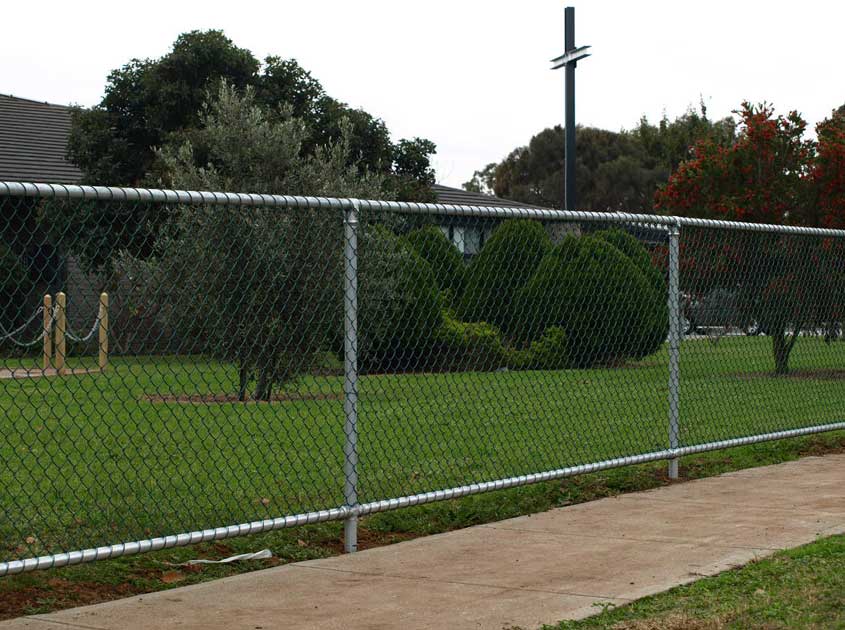
How Is Chain Link Fence Made? Manufacturing Process and Components
Pulished on Sep. 18, 2026
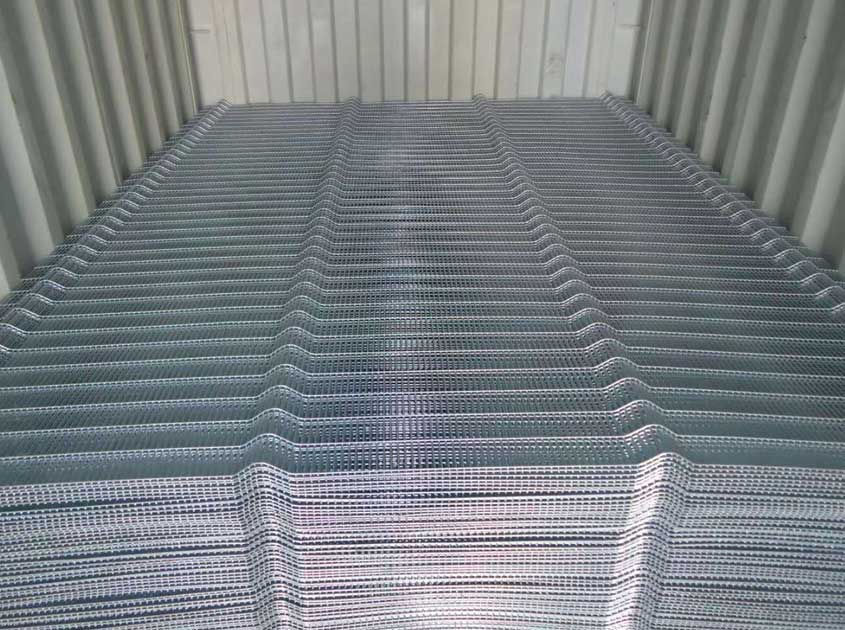
358 Security Fence vs Chain Link Fence: Security, Cost and Application Comparison
Pulished on Sep. 15, 2026
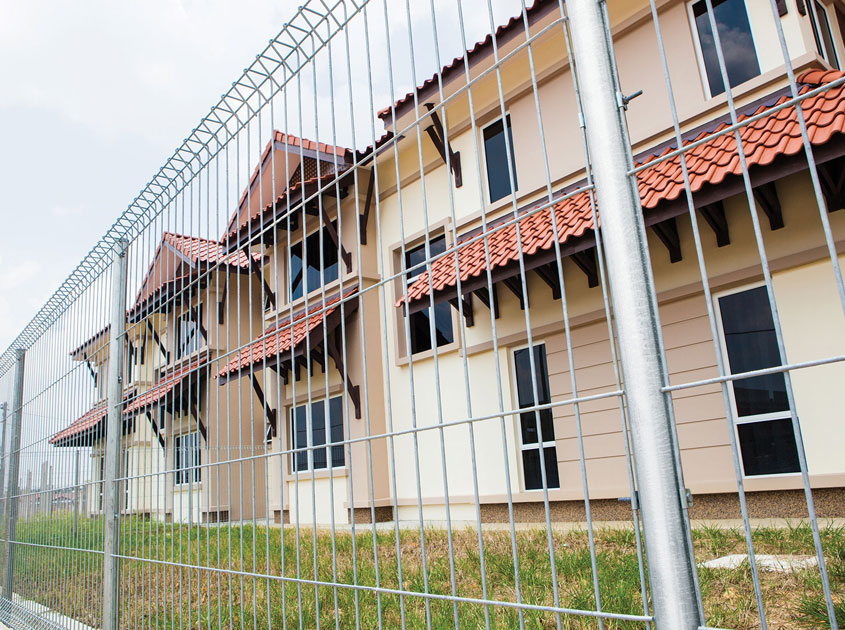
Why Choose Welded Wire Fence for Security and Protection?
Pulished on Sep. 07, 2026
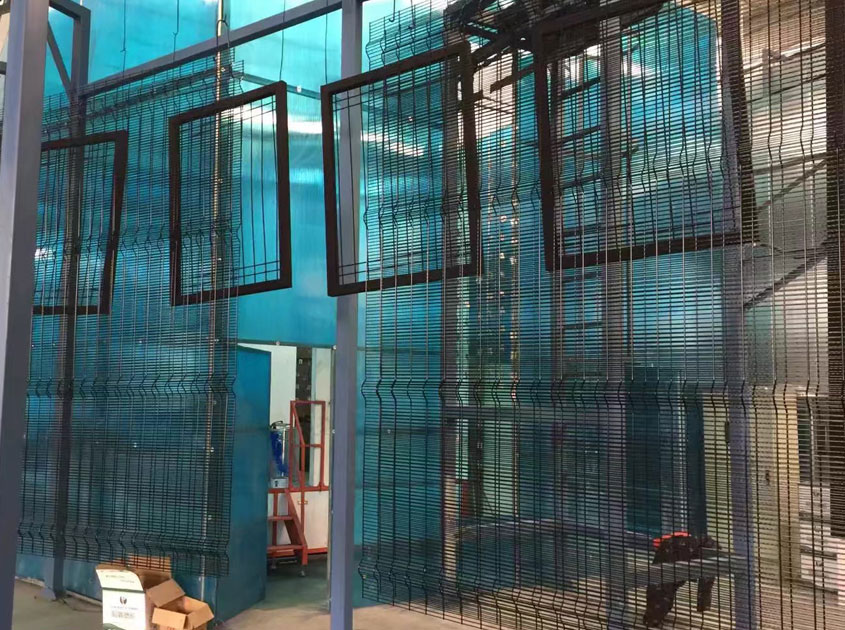
358 Security Fence Specifications and Applications Guide
Pulished on Aug. 27, 2026
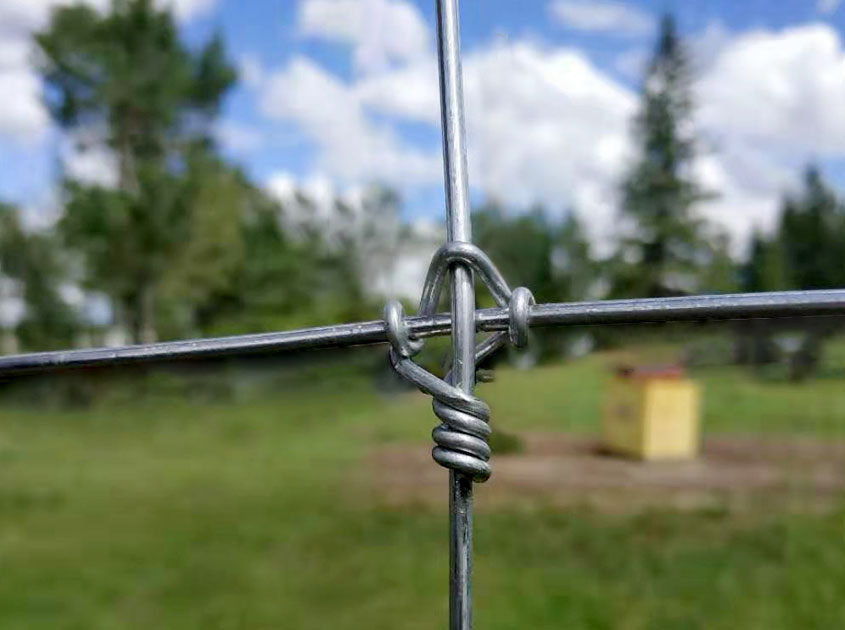
What Is Farm Fence and What Are the Main Types?
Pulished on Aug. 26, 2026
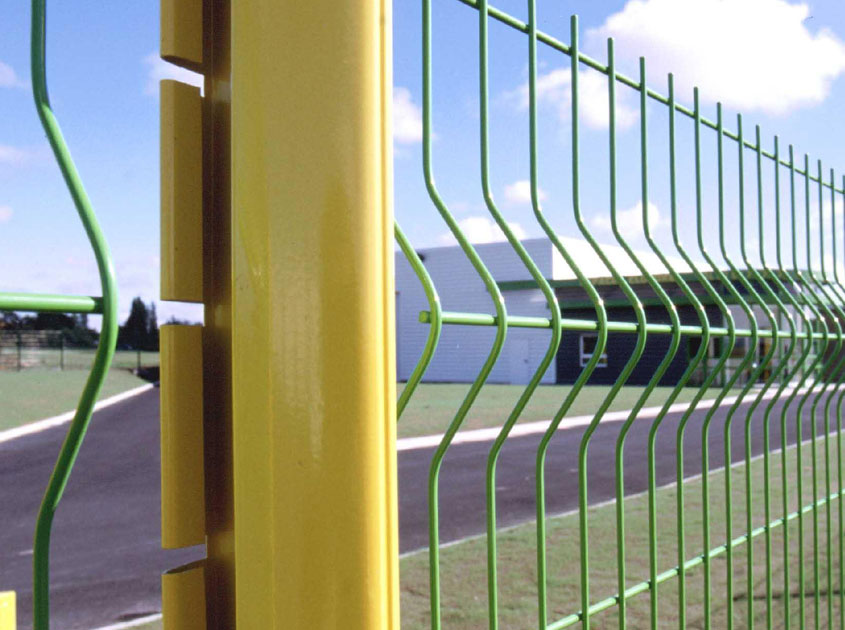
Welded Wire Fence Types, Sizes and Applications Guide
Pulished on Aug. 20, 2026
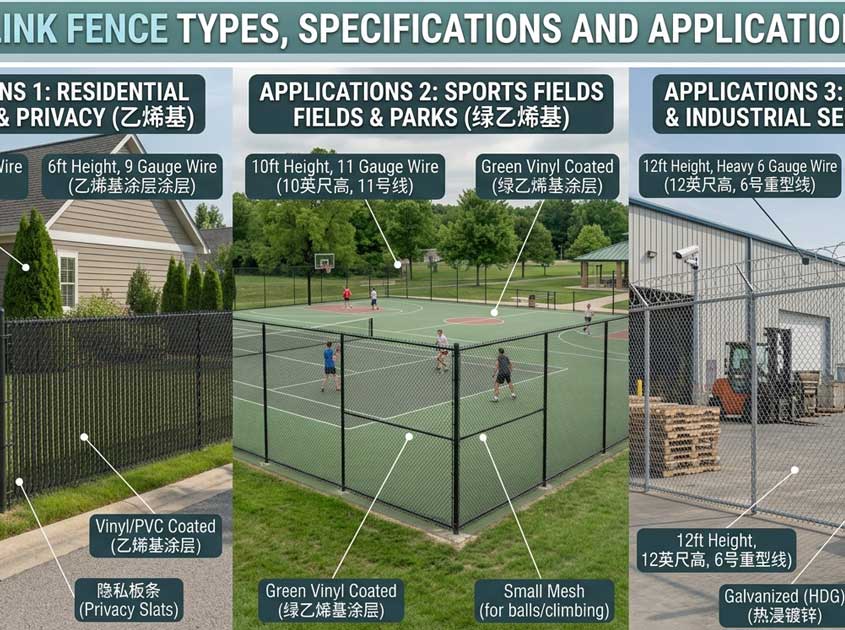
Chain Link Fence Types, Specifications and Applications Guide
Pulished on Aug. 12, 2026
How to Choose Farm Fence for Cattle and Horses: Wire, Height and Design Guide
Pulished on Sep. 23, 2026
How Is Chain Link Fence Made? Manufacturing Process and Components
Pulished on Sep. 18, 2026
358 Security Fence vs Chain Link Fence: Security, Cost and Application Comparison
Pulished on Sep. 15, 2026
Why Choose Welded Wire Fence for Security and Protection?
Pulished on Sep. 07, 2026
358 Security Fence Specifications and Applications Guide
Pulished on Aug. 27, 2026
What Is Farm Fence and What Are the Main Types?
Pulished on Aug. 26, 2026
Welded Wire Fence Types, Sizes and Applications Guide
Pulished on Aug. 20, 2026
Chain Link Fence Types, Specifications and Applications Guide
Pulished on Aug. 12, 2026