EN
EN SP
SP FR
FR
- Home
- About Us
- Products
- Service
- Project
- News
- Contact Us
Pulished on Aug. 08, 2023
height and spacing
Focusing on fence height and spacing is a critical consideration when designing an effective anti-climb fence system. Fences should be of sufficient height to deter people from attempting to climb or climb over. In general, taller fences are more deterrent. Also, the vertical spacing should be small enough to prevent climbers from finding adequate support points. By carefully designing the height and spacing of the fence, people can be effectively prevented from climbing the fence.
Anti-climbing design
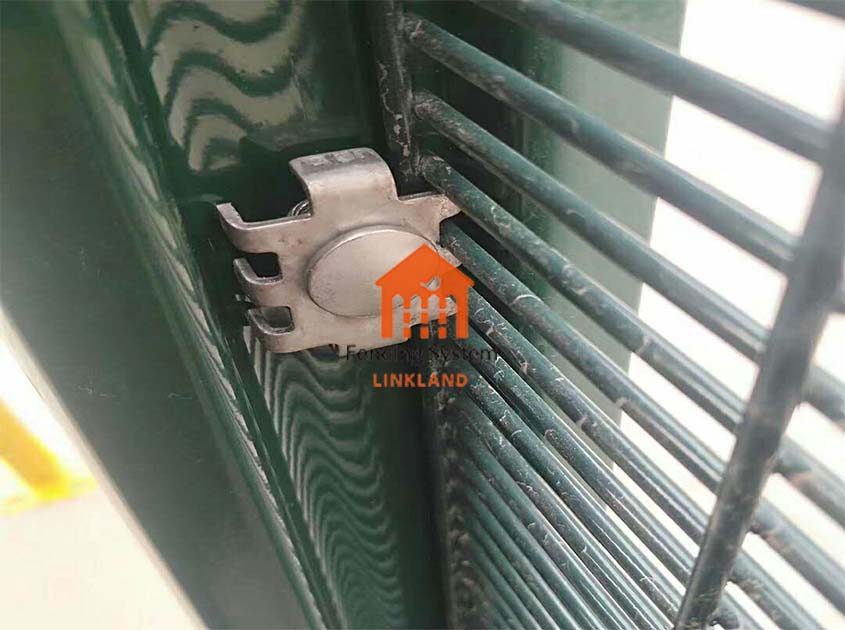
An effective anti-climbing fencing system should have a specific anti-climbing design. This involves placing anti-climbing devices such as spikes, barbs or gillnets at the top of the fence to deter climbers from climbing further. These anti-climbing devices should be securely fixed and cannot be easily moved or damaged. In addition, the outer surface of the fence should be smooth and not easy to climb, so as to increase the difficulty of climbing.

Material selection and structural strength
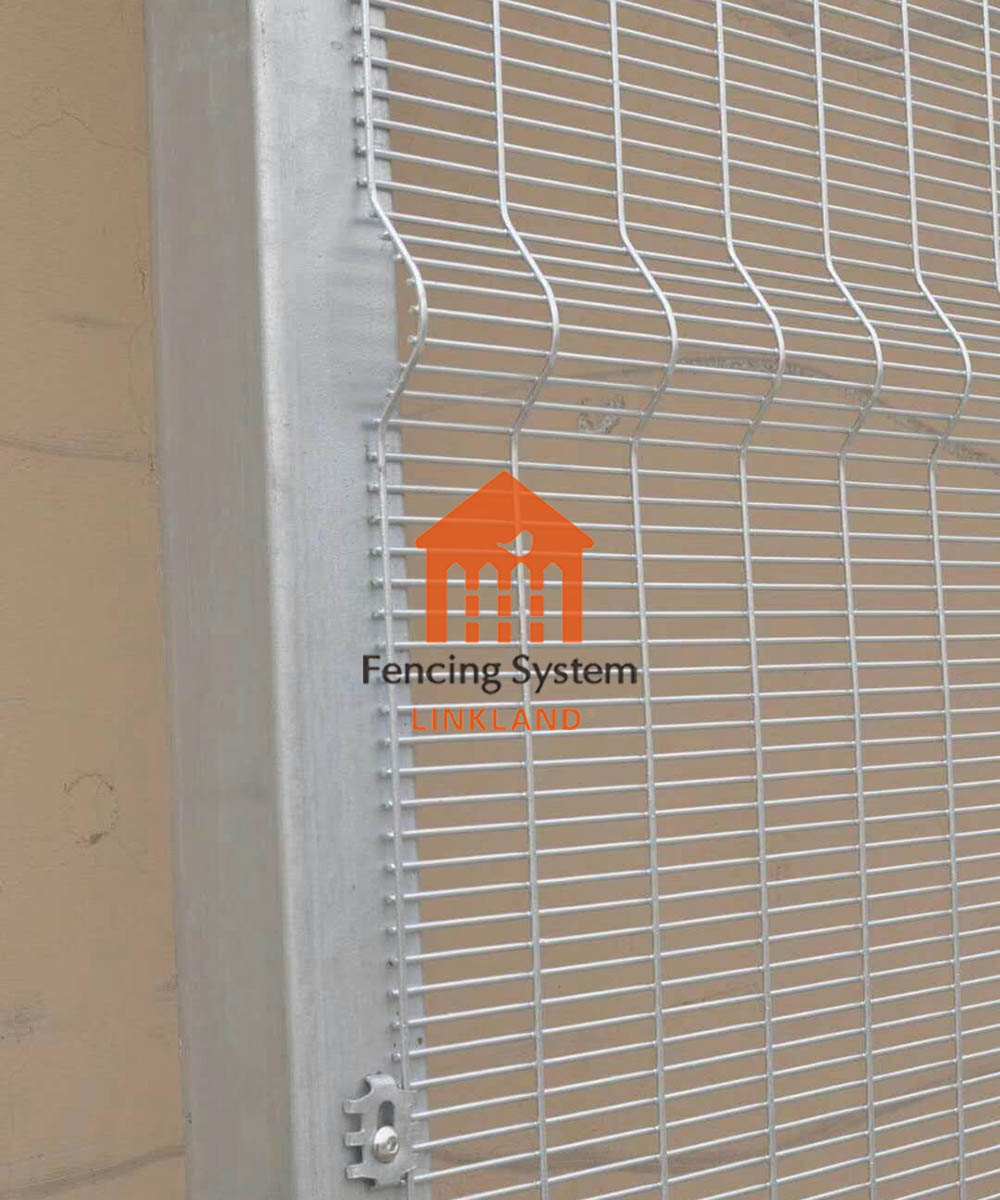
Proper material selection and ensuring structural strength are important considerations in designing an effective anti-climb fencing system. The fence should be made of strong and durable material, such as steel or aluminum alloy, with good impact and shear resistance. In addition, the structure of the fence should be strong enough to resist climbing or breaking forces. The anti-climbing properties of a fence can be enhanced by choosing the right materials and designing a sturdy structure.
Vision and Monitoring
Maintaining good visibility and monitoring is also one of the key considerations when designing an anti-climb fence system. The design of the fence should allow for the installation of appropriate surveillance equipment and cameras to provide real-time monitoring of the surrounding area. In addition, the design of the fence should take into account the permeability of the field of view, so that security personnel or monitoring systems can accurately observe the situation inside and outside the fence and respond in time.
In summary, designing an effective anti-climb fence system requires consideration of fence height and spacing, anti-climb design, material selection and structural strength, as well as visibility and monitoring. By comprehensively considering these design elements, a fence system with high anti-climbing performance can be created to effectively prevent climbing and crossing behaviors, and provide safety and protection.
How to Choose Farm Fence for Cattle and Horses: Wire, Height and Design Guide
Pulished on Sep. 23, 2026
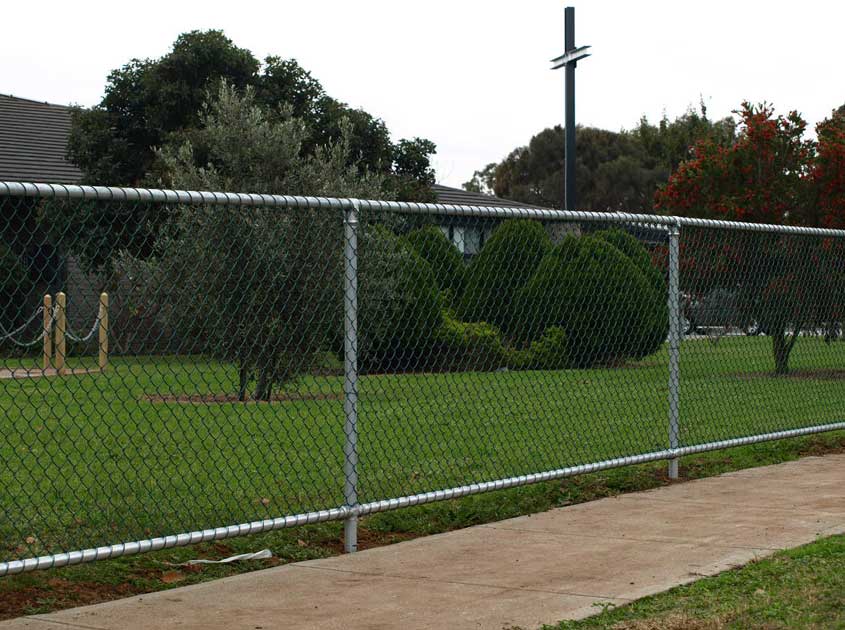
How Is Chain Link Fence Made? Manufacturing Process and Components
Pulished on Sep. 18, 2026
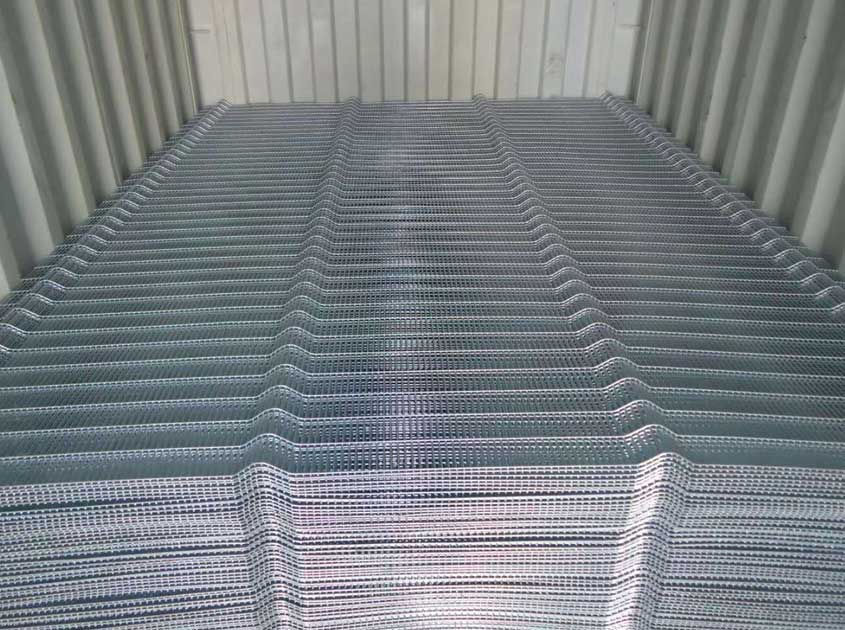
358 Security Fence vs Chain Link Fence: Security, Cost and Application Comparison
Pulished on Sep. 15, 2026
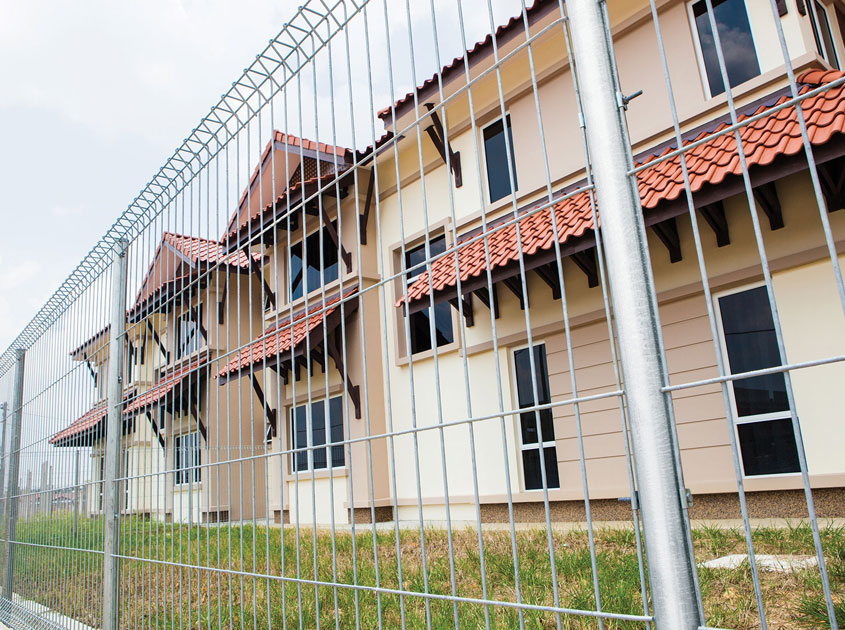
Why Choose Welded Wire Fence for Security and Protection?
Pulished on Sep. 07, 2026
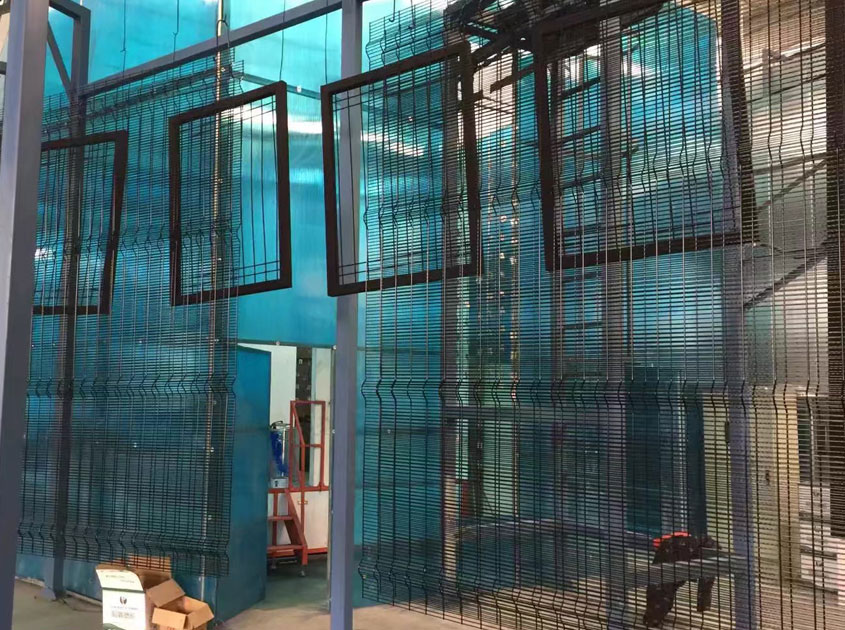
358 Security Fence Specifications and Applications Guide
Pulished on Aug. 27, 2026
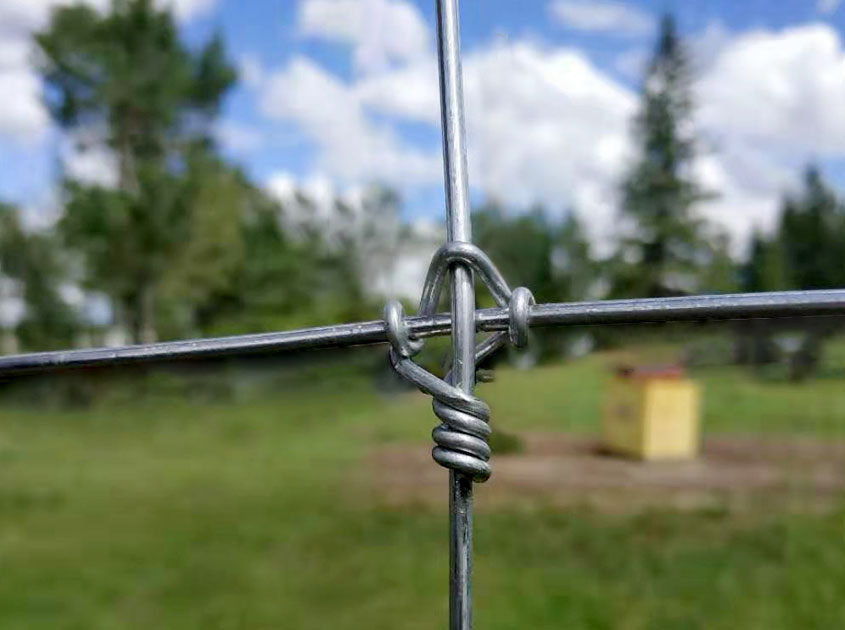
What Is Farm Fence and What Are the Main Types?
Pulished on Aug. 26, 2026
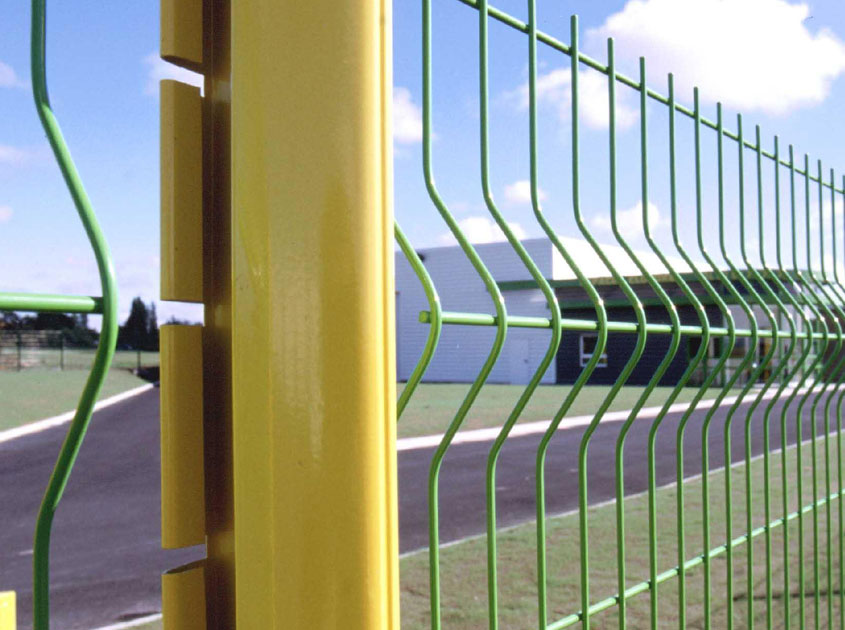
Welded Wire Fence Types, Sizes and Applications Guide
Pulished on Aug. 20, 2026
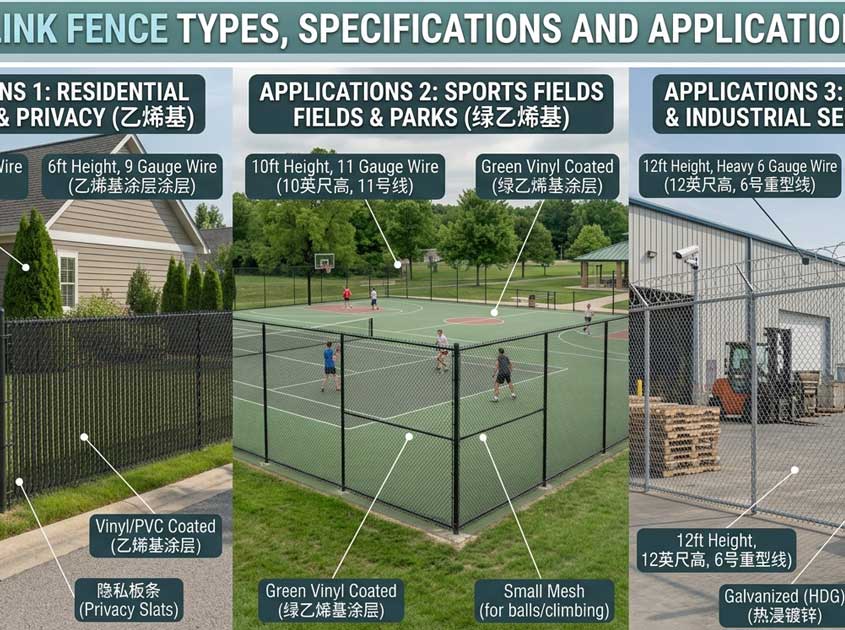
Chain Link Fence Types, Specifications and Applications Guide
Pulished on Aug. 12, 2026
How to Choose Farm Fence for Cattle and Horses: Wire, Height and Design Guide
Pulished on Sep. 23, 2026
How Is Chain Link Fence Made? Manufacturing Process and Components
Pulished on Sep. 18, 2026
358 Security Fence vs Chain Link Fence: Security, Cost and Application Comparison
Pulished on Sep. 15, 2026
Why Choose Welded Wire Fence for Security and Protection?
Pulished on Sep. 07, 2026
358 Security Fence Specifications and Applications Guide
Pulished on Aug. 27, 2026
What Is Farm Fence and What Are the Main Types?
Pulished on Aug. 26, 2026
Welded Wire Fence Types, Sizes and Applications Guide
Pulished on Aug. 20, 2026
Chain Link Fence Types, Specifications and Applications Guide
Pulished on Aug. 12, 2026