EN
 SP
 FR

- Home
- About Us
- Products
- Service
- Project
- News
- Contact Us
Pulished on Aug. 24, 2023
Corrosion protection is critical for airport fences as they are exposed to various environmental factors such as moisture, humidity and corrosive substances. Protecting your fence from corrosion ensures a longer lifespan, reduces maintenance costs and maintains the structural integrity of your fence. Coating selection plays a vital role in providing effective corrosion protection for Airport fences.
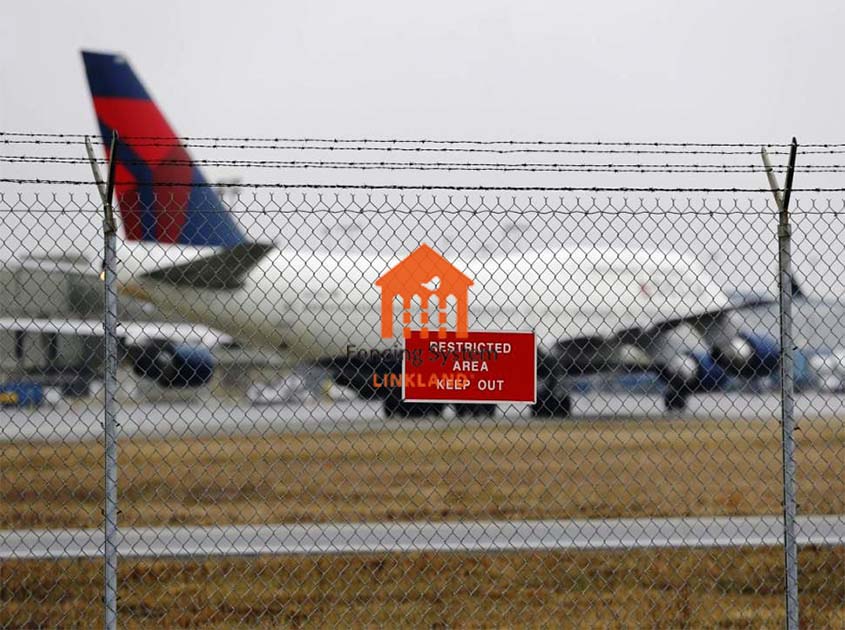
Galvanized coating
Galvanized coating is a popular choice for Airport fence corrosion protection. This coating involves applying a layer of zinc to the surface of the fence through a process called galvanizing. Zinc acts as a protective barrier, preventing corrosive elements from reaching the metal below. Galvanized coatings are known for their durability and resistance to rust, making them suitable for outdoor applications like airport fences.
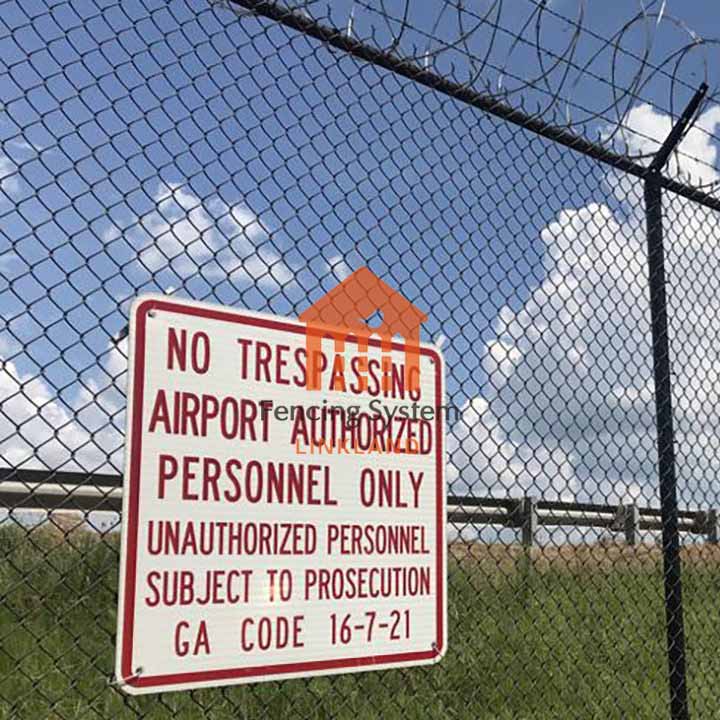
powder coating
Powder coating offers another effective corrosion protection option for Airport fences. This coating method is to apply dry powder on the surface of the fence, and then cure it through a heating process to form a protective layer. Powder coatings offer excellent adhesion, durability and resistance to corrosion, chemicals and UV radiation. They also come in a variety of color options for customization and aesthetic appeal.
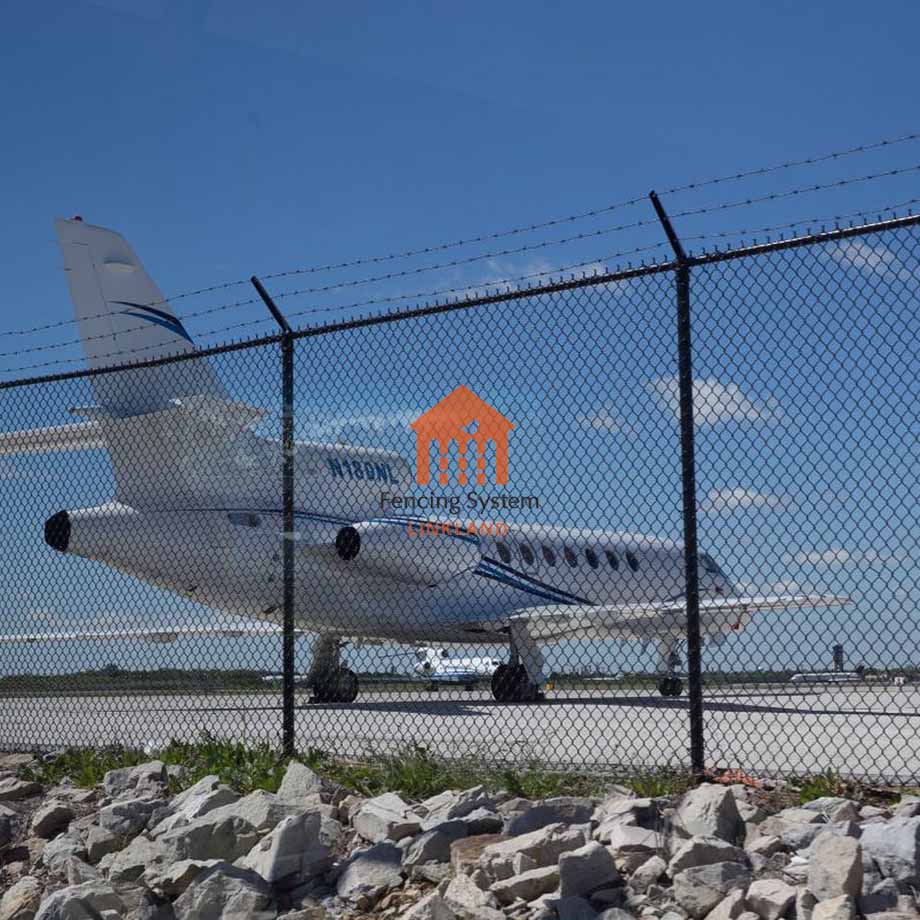
epoxy paint
Epoxy coatings are commonly used for corrosion protection of Airport fences, especially in more harsh environments. Epoxy coatings consist of a two-part system consisting of a resin and a hardener. When applied to fencing, epoxy coatings create a tough and durable protective layer that resists corrosion, abrasion and chemical exposure. Known for their excellent adhesive properties, they can withstand harsh conditions, making them suitable for Airport fences located in coastal areas or industrial areas.
By using anti-corrosion coatings such as galvanized paint, powder coating and epoxy paint, Airport fence can prolong the service life and enhance the corrosion resistance. Selecting the proper coating option depends on factors such as the location of the fence, environmental conditions and aesthetic requirements. Ensuring proper corrosion protection not only safeguards the functionality of the fence, but also contributes to the overall safety and aesthetics of the airport perimeter.
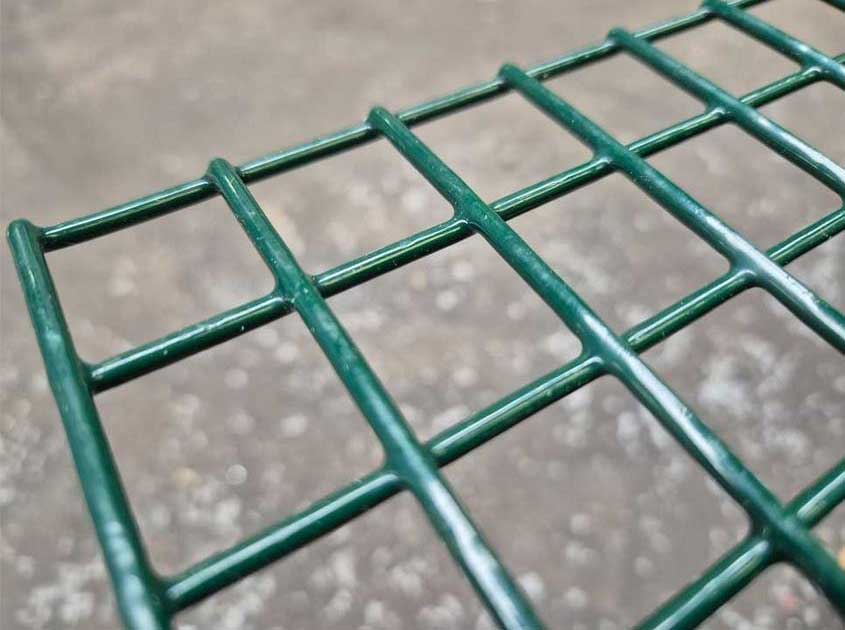
How to Select the Right Wire Diameter for Welded Wire Fence? A Practical Buyer’s Guide
Pulished on Nov. 18, 2026
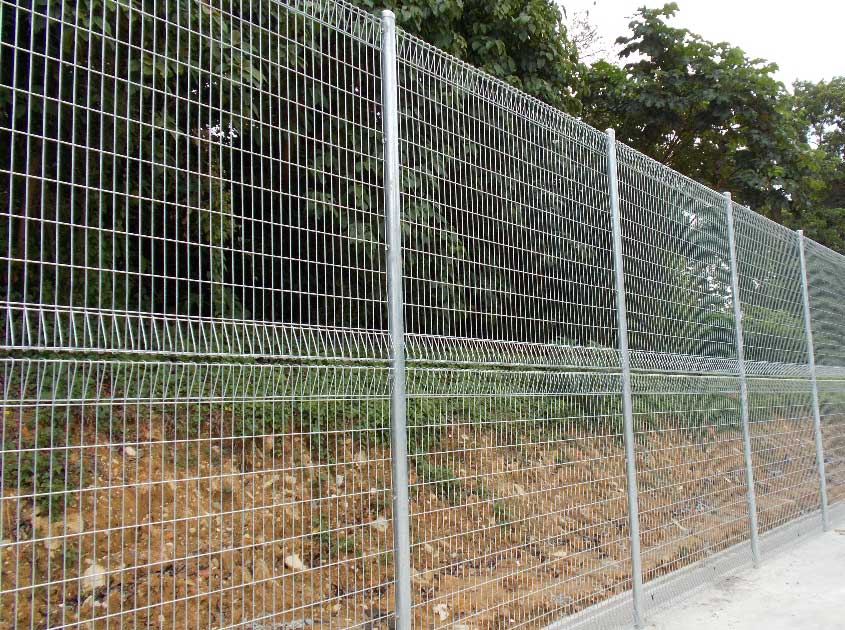
What Mesh Size Is Best for Welded Wire Fence? A Practical Selection Guide
Pulished on Nov. 09, 2026
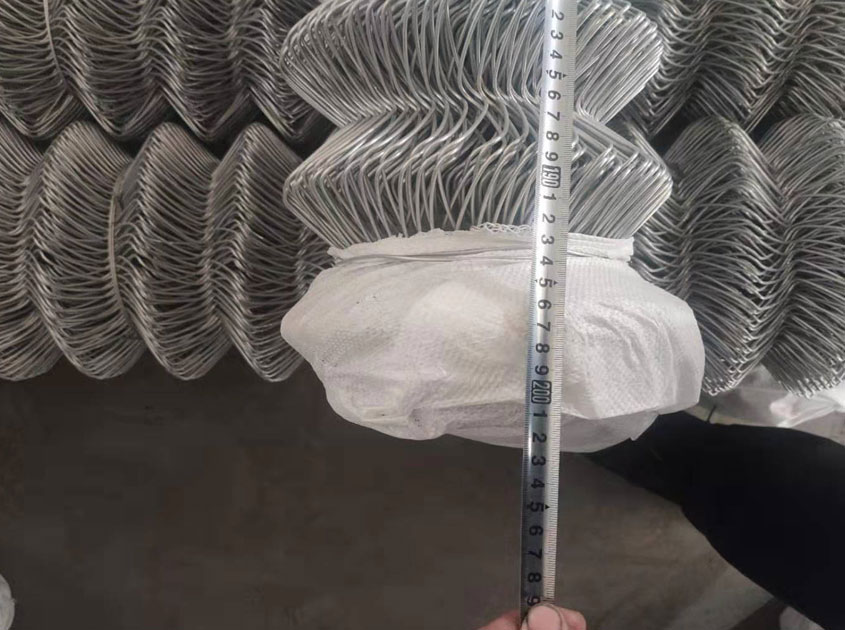
How Much Does Chain Link Fence Cost? A Complete Guide to Material Prices, Shipping and Project Costs
Pulished on Oct. 27, 2026
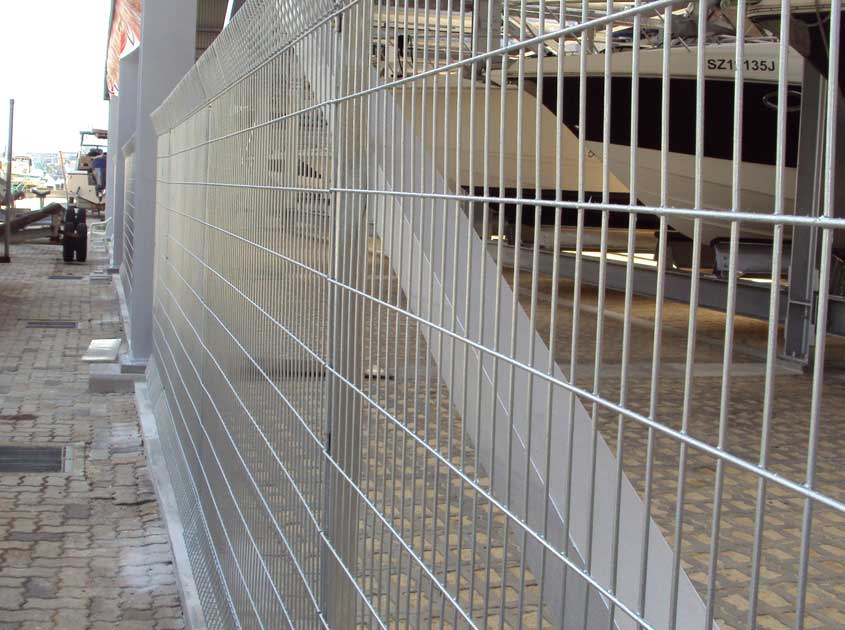
How to Install a Welded Wire Fence: A Step-by-Step Guide for Contractors
Pulished on Oct. 23, 2026
358 Fence vs Welded Wire Fence: Which Is Better for Your Project?
Pulished on Oct. 20, 2026
What Are the Advantages of Chain Link Fence? 8 Benefits for Commercial and Industrial Projects
Pulished on Oct. 16, 2026
How to Choose Farm Fence for Cattle and Horses: Wire, Height and Design Guide
Pulished on Sep. 23, 2026
How Is Chain Link Fence Made? Manufacturing Process and Components
Pulished on Sep. 18, 2026
How to Select the Right Wire Diameter for Welded Wire Fence? A Practical Buyer’s Guide
Pulished on Nov. 18, 2026
What Mesh Size Is Best for Welded Wire Fence? A Practical Selection Guide
Pulished on Nov. 09, 2026
How Much Does Chain Link Fence Cost? A Complete Guide to Material Prices, Shipping and Project Costs
Pulished on Oct. 27, 2026
How to Install a Welded Wire Fence: A Step-by-Step Guide for Contractors
Pulished on Oct. 23, 2026
358 Fence vs Welded Wire Fence: Which Is Better for Your Project?
Pulished on Oct. 20, 2026
What Are the Advantages of Chain Link Fence? 8 Benefits for Commercial and Industrial Projects
Pulished on Oct. 16, 2026
How to Choose Farm Fence for Cattle and Horses: Wire, Height and Design Guide
Pulished on Sep. 23, 2026
How Is Chain Link Fence Made? Manufacturing Process and Components
Pulished on Sep. 18, 2026