EN
 SP
 FR

- Home
- About Us
- Products
- Service
- Project
- News
- Contact Us
Pulished on Sep. 25, 2023
The design of Canada temporary fence should take into account the specific needs of road construction projects, including topography, road width, traffic flow and other factors. Fences should be designed to effectively guide vehicles and pedestrians while providing a safe barrier to prevent accidents. During the design process, many aspects such as structural stability, beautiful appearance, and ease of maintenance should be taken into consideration to ensure the effectiveness of the fence.

The choice of materials for your Canada temporary fence has a significant impact on its effectiveness. When selecting materials, factors such as strength, durability, and corrosion resistance should be taken into consideration. For example, fence posts can be made from aluminum alloy or high-strength steel to ensure a stable structure. The mesh portion of the fence can be made of high-strength polyester fiber to provide sufficient support and tensile strength.

The installation process of Canada temporary fence also has an important impact on its effectiveness. During the installation process, you should ensure that the fence is in the correct position, structurally sound, and connected reliably. At the same time, necessary adjustments should be made according to the local climate and geological conditions during the installation process to ensure the stability of the fence during use.
In order to ensure the effectiveness of Canada temporary fence, strict quality control must be carried out. During the production process, the quality of materials should be strictly controlled to ensure that they meet the design requirements. At the same time, during the construction process, the installation quality should be supervised and inspected to ensure the stability and safety of the fence. After the project is completed, acceptance work should also be carried out to ensure that the quality of the fence meets the standards.
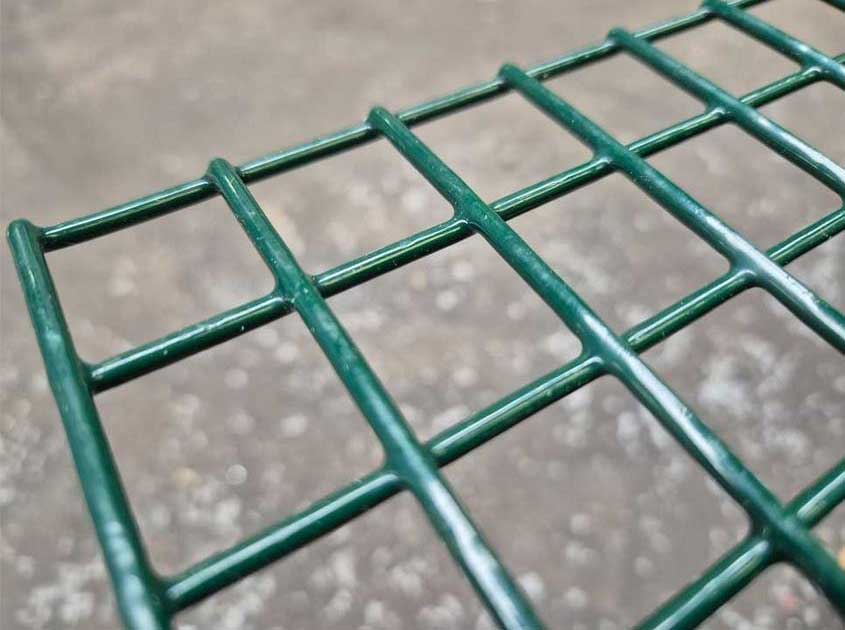
How to Select the Right Wire Diameter for Welded Wire Fence? A Practical Buyer’s Guide
Pulished on Nov. 18, 2026
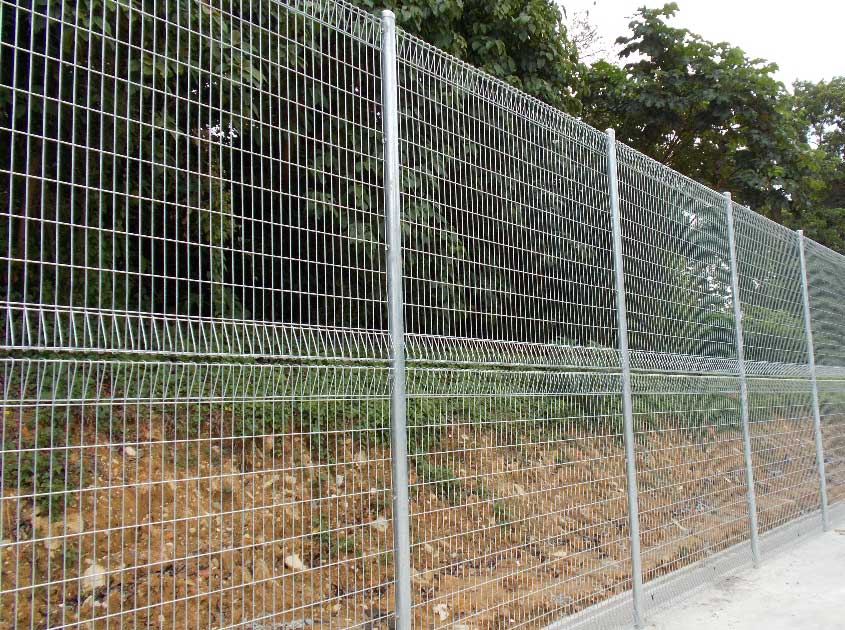
What Mesh Size Is Best for Welded Wire Fence? A Practical Selection Guide
Pulished on Nov. 09, 2026
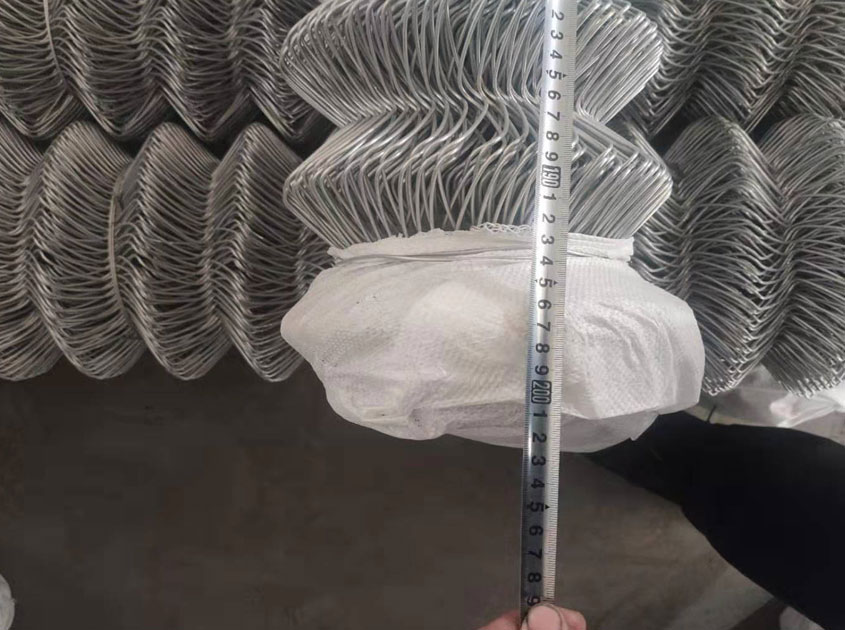
How Much Does Chain Link Fence Cost? A Complete Guide to Material Prices, Shipping and Project Costs
Pulished on Oct. 27, 2026
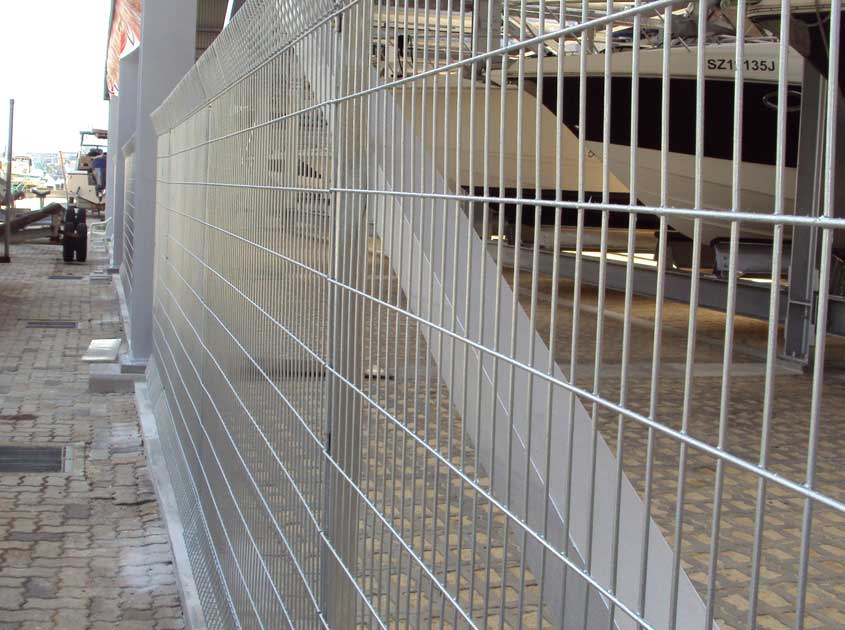
How to Install a Welded Wire Fence: A Step-by-Step Guide for Contractors
Pulished on Oct. 23, 2026
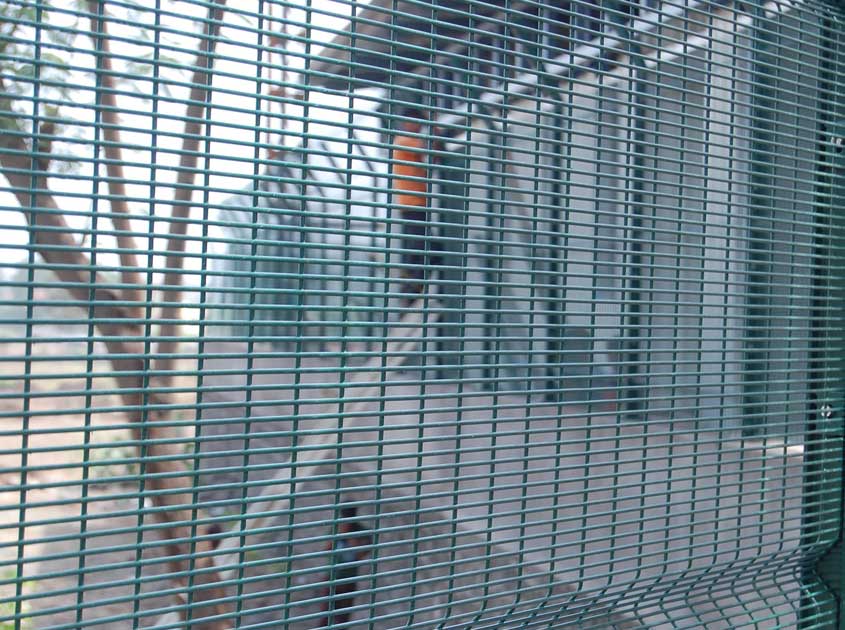
358 Fence vs Welded Wire Fence: Which Is Better for Your Project?
Pulished on Oct. 20, 2026
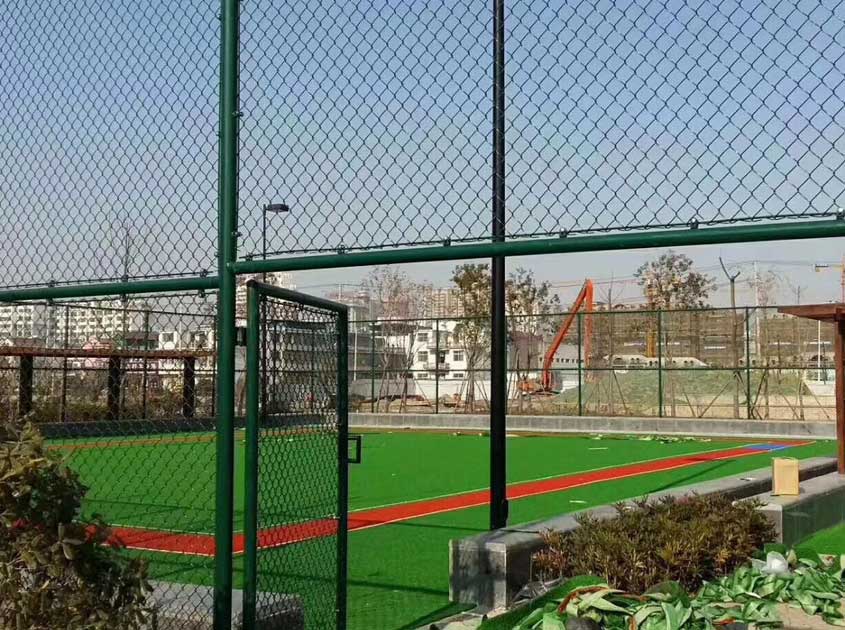
What Are the Advantages of Chain Link Fence? 8 Benefits for Commercial and Industrial Projects
Pulished on Oct. 16, 2026
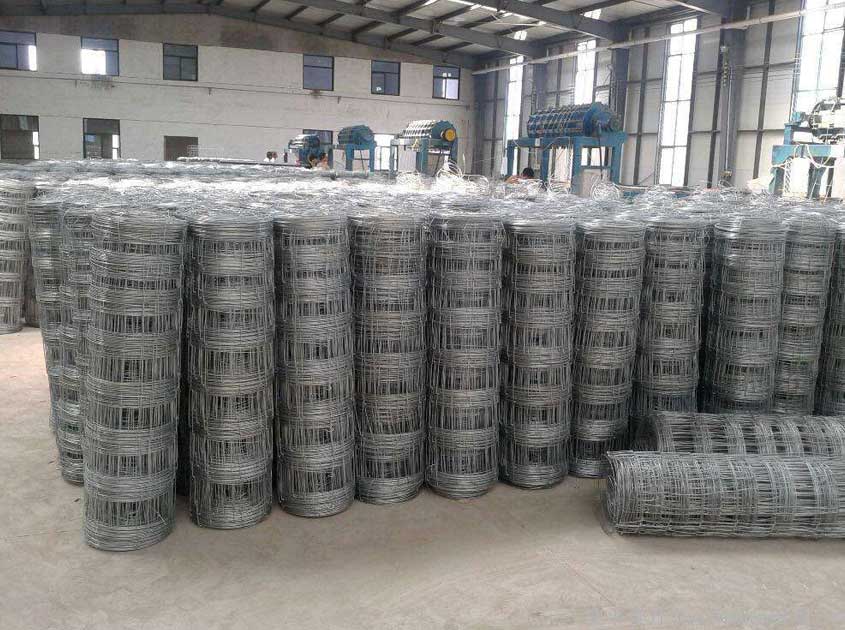
How to Choose Farm Fence for Cattle and Horses: Wire, Height and Design Guide
Pulished on Sep. 23, 2026
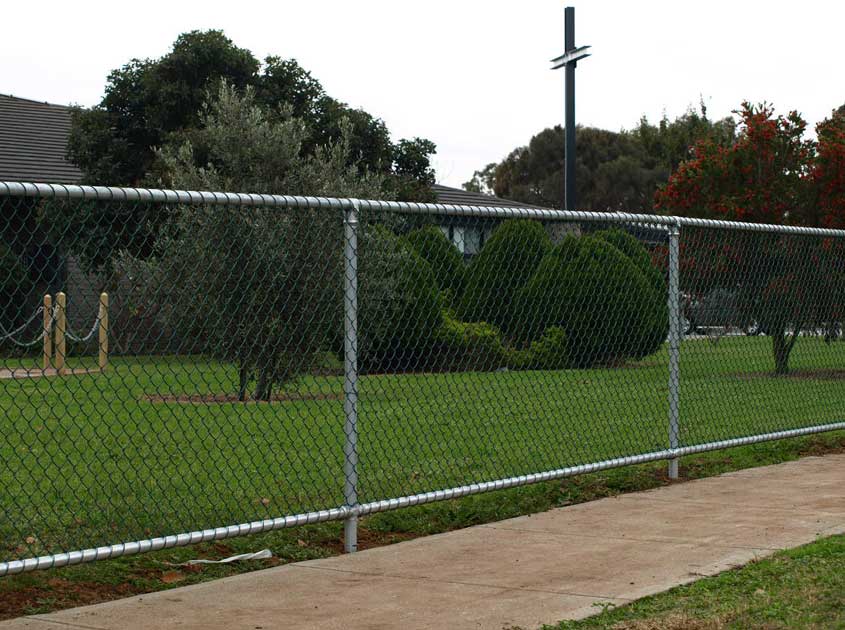
How Is Chain Link Fence Made? Manufacturing Process and Components
Pulished on Sep. 18, 2026
How to Select the Right Wire Diameter for Welded Wire Fence? A Practical Buyer’s Guide
Pulished on Nov. 18, 2026
What Mesh Size Is Best for Welded Wire Fence? A Practical Selection Guide
Pulished on Nov. 09, 2026
How Much Does Chain Link Fence Cost? A Complete Guide to Material Prices, Shipping and Project Costs
Pulished on Oct. 27, 2026
How to Install a Welded Wire Fence: A Step-by-Step Guide for Contractors
Pulished on Oct. 23, 2026
358 Fence vs Welded Wire Fence: Which Is Better for Your Project?
Pulished on Oct. 20, 2026
What Are the Advantages of Chain Link Fence? 8 Benefits for Commercial and Industrial Projects
Pulished on Oct. 16, 2026
How to Choose Farm Fence for Cattle and Horses: Wire, Height and Design Guide
Pulished on Sep. 23, 2026
How Is Chain Link Fence Made? Manufacturing Process and Components
Pulished on Sep. 18, 2026