EN
 SP
 FR

- Home
- About Us
- Products
- Service
- Project
- News
- Contact Us
Pulished on Sep. 01, 2023
The use of Canada temporary fences plays a key role in Canada's emergency response and disaster relief operations. Canada temporary fence can provide fast and flexible border control and security isolation to support personnel evacuation, resource allocation and security protection in emergency situations. This article will explore the use of Canada temporary fences in Canadian emergency response and disaster relief operations and analyze their importance in providing support and protection.

Types and characteristics of Canada temporary fence
Canada temporary fence has various types and characteristics in emergency response and disaster relief operations, depending on the usage scenarios and needs. Common Canada temporary fences include removable fences, temporary fence panels, and folding fences. These fences have the characteristics of quick installation, easy portability and adjustment, and can be flexibly applied according to the actual situation.

The role of Canada temporary fence in emergency response and disaster relief
Canada temporary fences play an important role in Canada's emergency response and disaster relief operations. First, it enables the rapid establishment of temporary borders to keep people and resources safe. Secondly, Canada temporary fence can be used to delineate areas, isolate dangerous areas, control the flow of people, and provide an orderly working environment for emergency rescue. In addition, Canada temporary fence can also be used to organize personnel evacuation, diversion and assembly, and improve the efficiency of emergency response.
Fence selection and management
There are several factors to consider when selecting and managing a Canada temporary fence. This includes the quality and durability of the fencing, its ability to adapt to different terrains and environments, and its coordination with other emergency facilities. In addition, regular inspection and maintenance of Canada temporary fences is also critical to ensure they remain effective in emergency response and disaster relief operations.
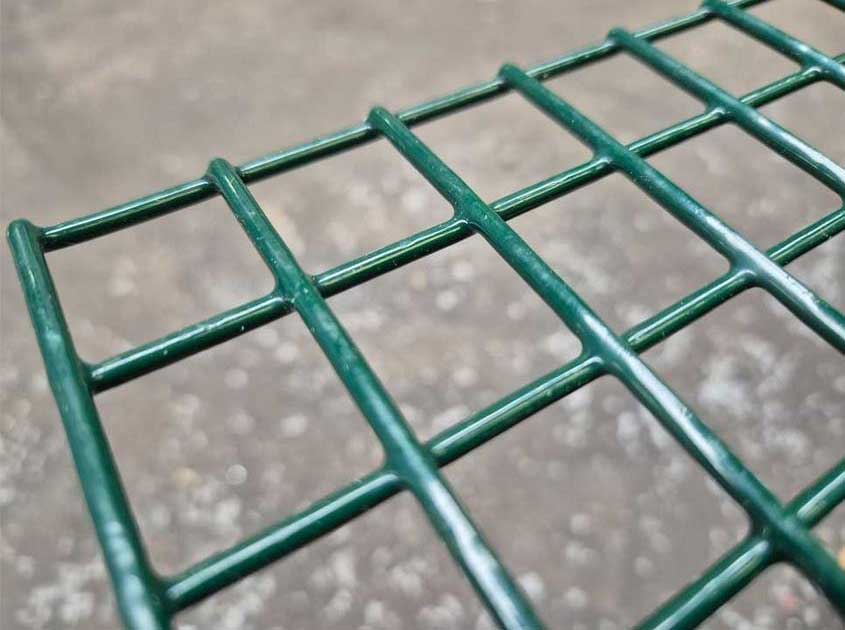
How to Select the Right Wire Diameter for Welded Wire Fence? A Practical Buyer’s Guide
Pulished on Nov. 18, 2026
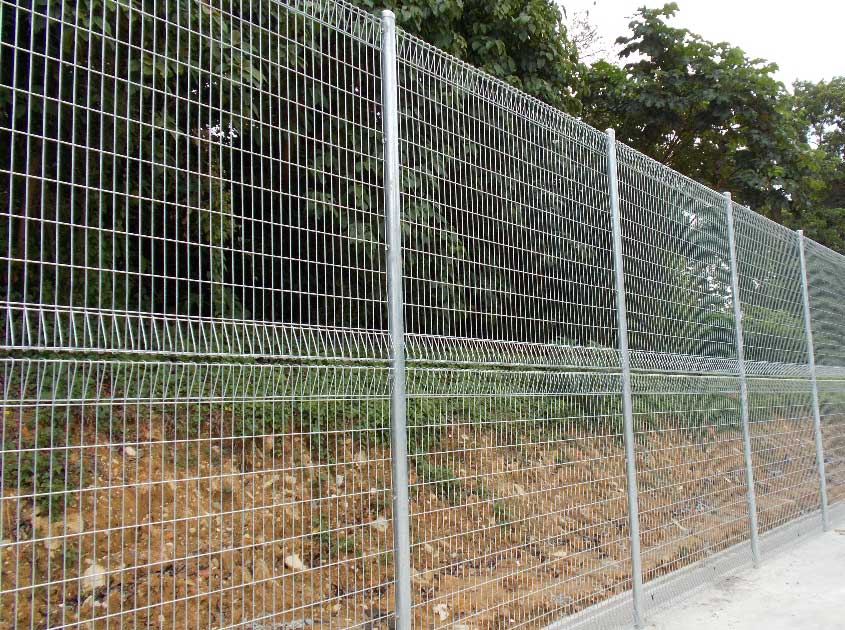
What Mesh Size Is Best for Welded Wire Fence? A Practical Selection Guide
Pulished on Nov. 09, 2026
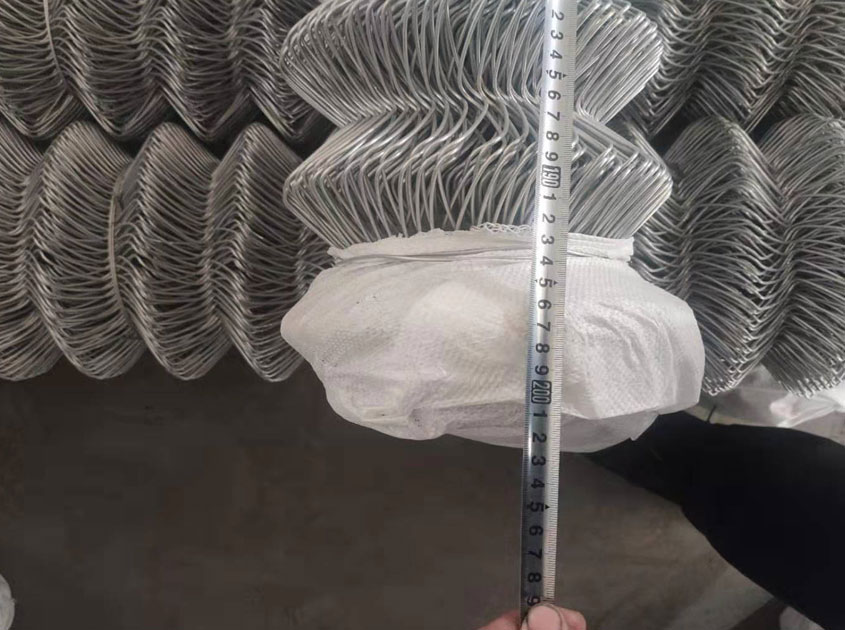
How Much Does Chain Link Fence Cost? A Complete Guide to Material Prices, Shipping and Project Costs
Pulished on Oct. 27, 2026
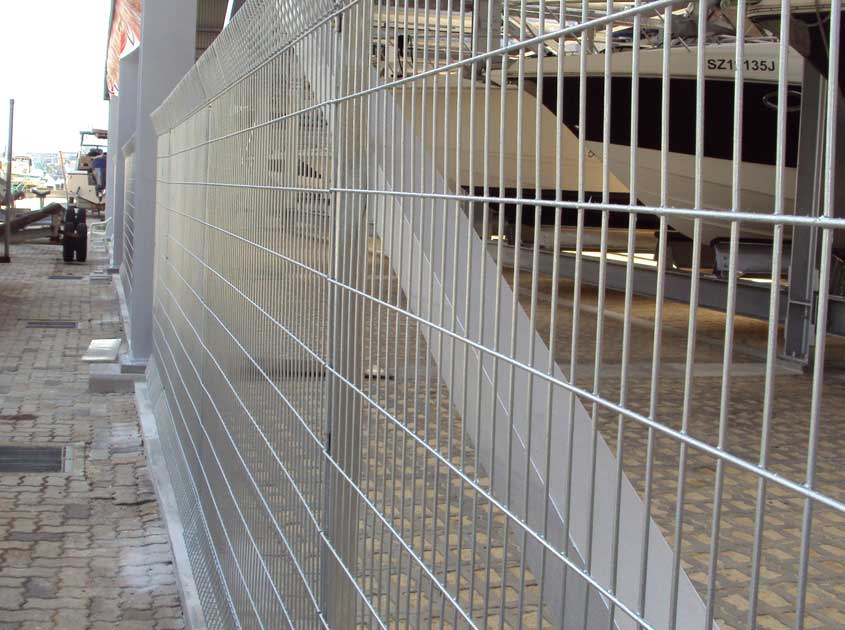
How to Install a Welded Wire Fence: A Step-by-Step Guide for Contractors
Pulished on Oct. 23, 2026

358 Fence vs Welded Wire Fence: Which Is Better for Your Project?
Pulished on Oct. 20, 2026

What Are the Advantages of Chain Link Fence? 8 Benefits for Commercial and Industrial Projects
Pulished on Oct. 16, 2026
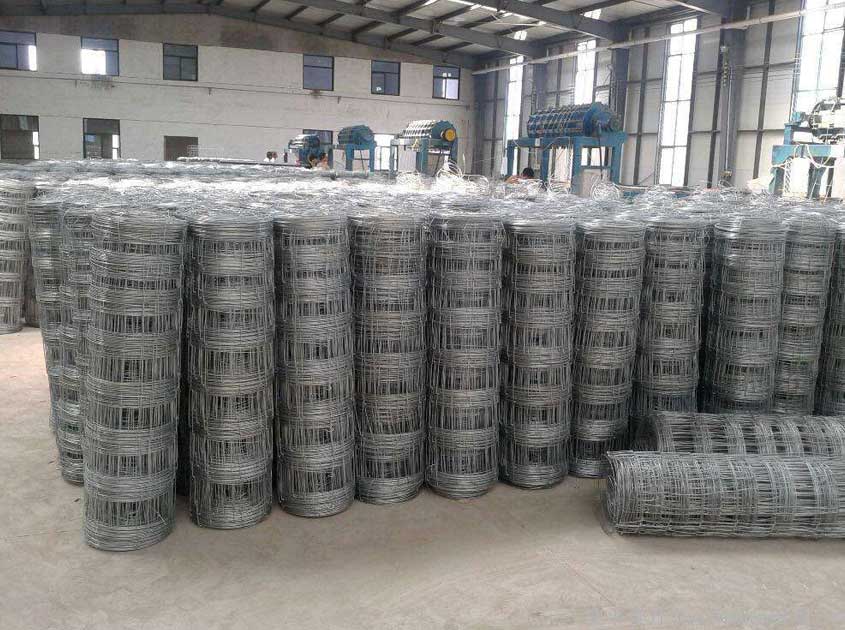
How to Choose Farm Fence for Cattle and Horses: Wire, Height and Design Guide
Pulished on Sep. 23, 2026
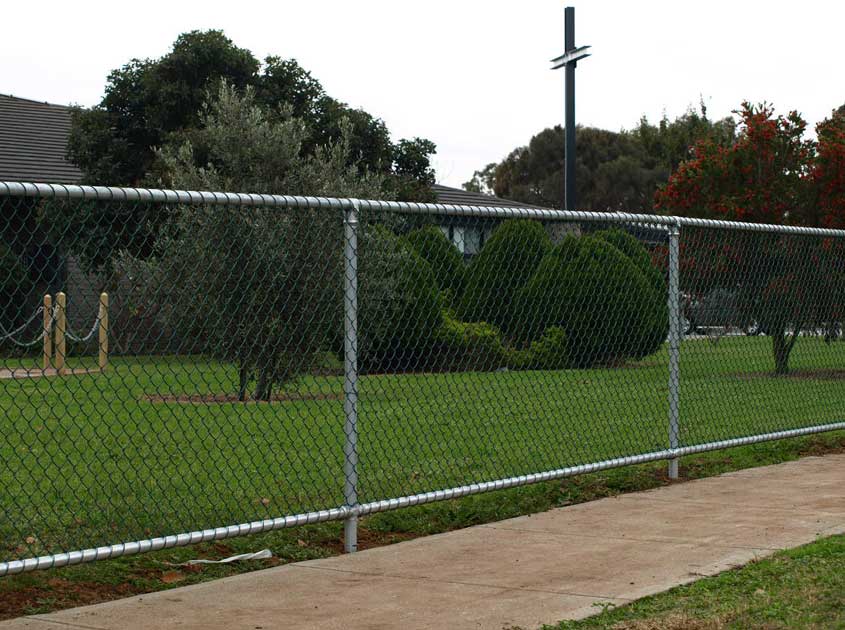
How Is Chain Link Fence Made? Manufacturing Process and Components
Pulished on Sep. 18, 2026
How to Select the Right Wire Diameter for Welded Wire Fence? A Practical Buyer’s Guide
Pulished on Nov. 18, 2026
What Mesh Size Is Best for Welded Wire Fence? A Practical Selection Guide
Pulished on Nov. 09, 2026
How Much Does Chain Link Fence Cost? A Complete Guide to Material Prices, Shipping and Project Costs
Pulished on Oct. 27, 2026
How to Install a Welded Wire Fence: A Step-by-Step Guide for Contractors
Pulished on Oct. 23, 2026
358 Fence vs Welded Wire Fence: Which Is Better for Your Project?
Pulished on Oct. 20, 2026
What Are the Advantages of Chain Link Fence? 8 Benefits for Commercial and Industrial Projects
Pulished on Oct. 16, 2026
How to Choose Farm Fence for Cattle and Horses: Wire, Height and Design Guide
Pulished on Sep. 23, 2026
How Is Chain Link Fence Made? Manufacturing Process and Components
Pulished on Sep. 18, 2026