EN
EN SP
SP FR
FR
- Home
- About Us
- Products
- Service
- Project
- News
- Contact Us
Pulished on Jul. 03, 2023
Yes, there are regulations and standards that Australia temporary fencing products must meet. These regulations and standards are in place to ensure that Australia temporary fencing products are safe, secure, and meet the necessary quality standards. Here are some of the key regulations and standards that apply to Australia temporary fencing products:
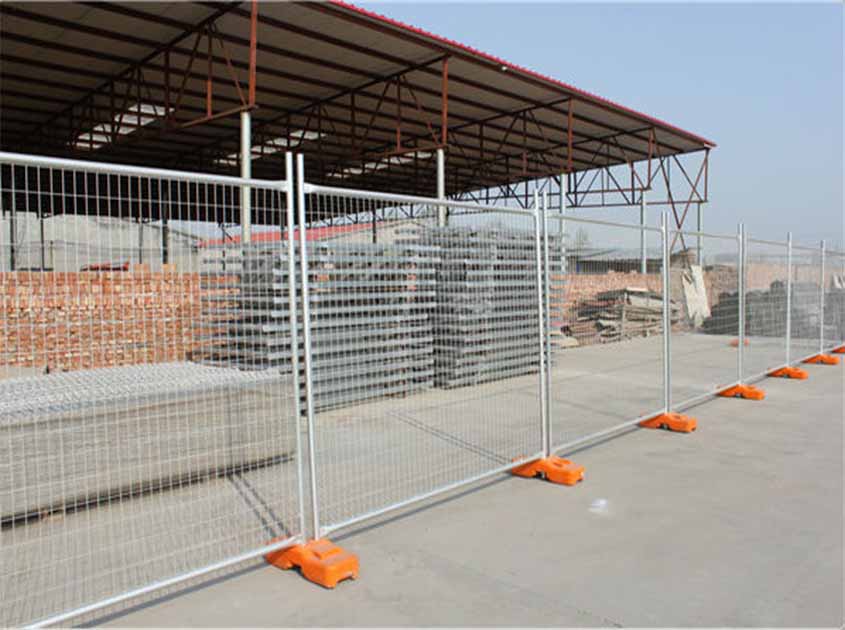
Australian Standards (AS): Australia Temporary fencing products must comply with the relevant Australian Standards, such as AS 4687-2007 for Australia temporary fencing and hoardings. These standards provide guidelines for the design, construction, and installation of Australia temporary fencing products.
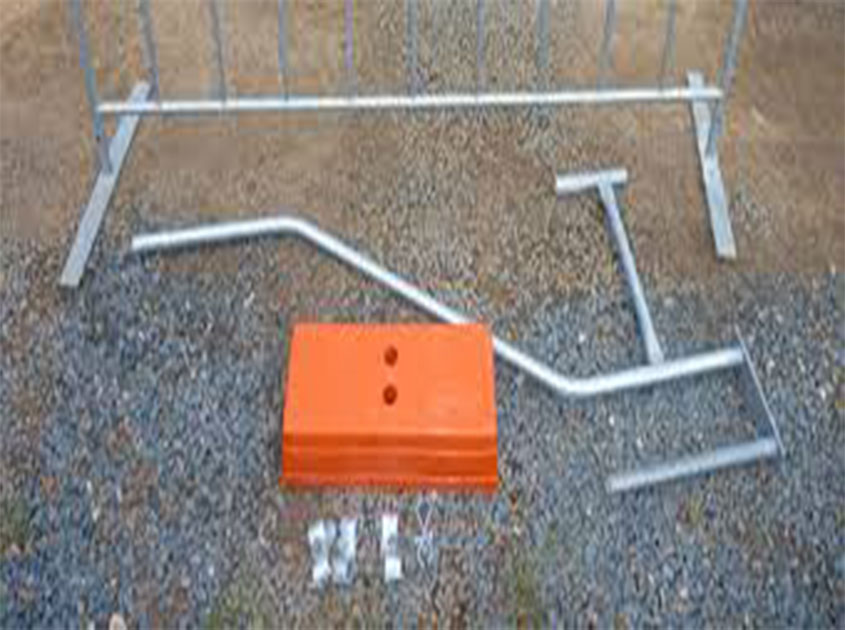
Work Health and Safety (WHS) Regulations: The Work Health and Safety Regulations require that Australia temporary fencing products are safe and fit for purpose. This includes ensuring that the product is installed and maintained correctly, and that it is appropriate for the specific application.
Local Government Regulations: Local government regulations may also apply to Australia temporary fencing products, particularly for events and festivals. These regulations may require permits for Australia temporary fencing installations and may impose specific requirements for installation and maintenance.
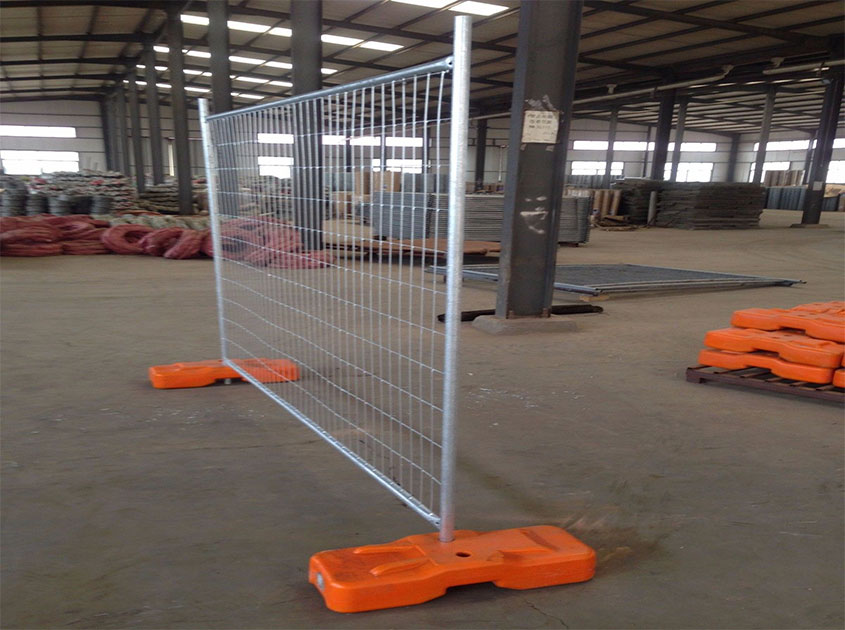
Building Codes: Australia Temporary fencing products used for construction sites must comply with the relevant building codes and regulations. This includes requirements for safety barriers, temporary structures, and hoarding fencing.
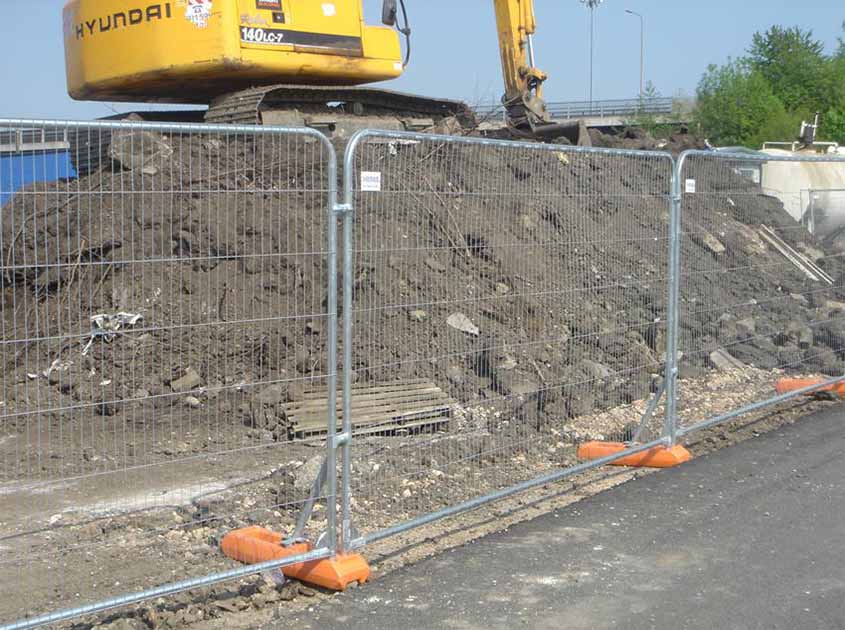
Quality Standards: Australia Temporary fencing products must meet certain quality standards to ensure that they are safe, durable, and fit for purpose. This may include requirements for materials, dimensions, and manufacturing processes.
In summary, Australia temporary fencing products must comply with a range of regulations and standards to ensure that they are safe, secure, and meet the necessary quality standards. These regulations and standards include Australian Standards, Work Health and Safety Regulations, local government regulations, building codes, and quality standards. Property owners and contractors should ensure that they choose Australia temporary fencing products that comply with these regulations and standards to ensure maximum safety and protection.
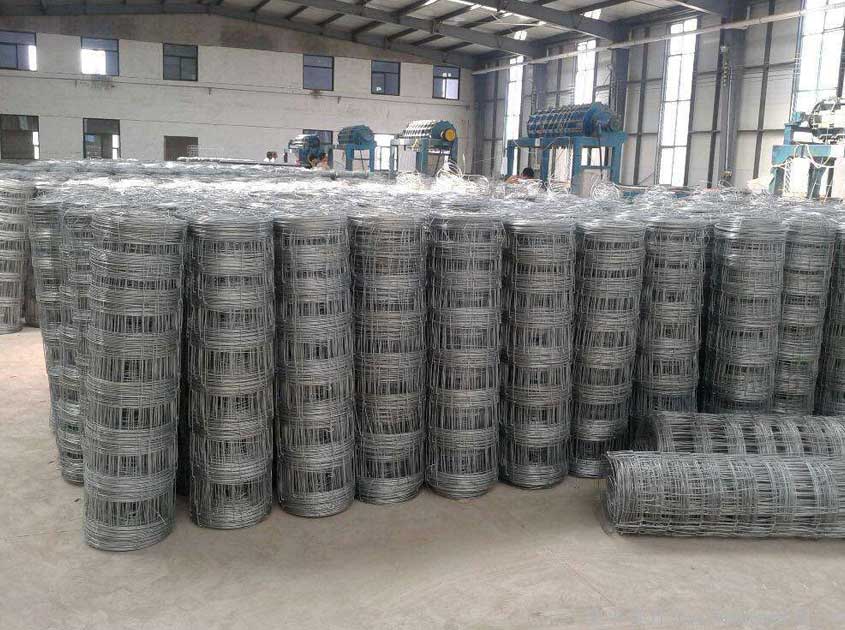
How to Choose Farm Fence for Cattle and Horses: Wire, Height and Design Guide
Pulished on Sep. 23, 2026
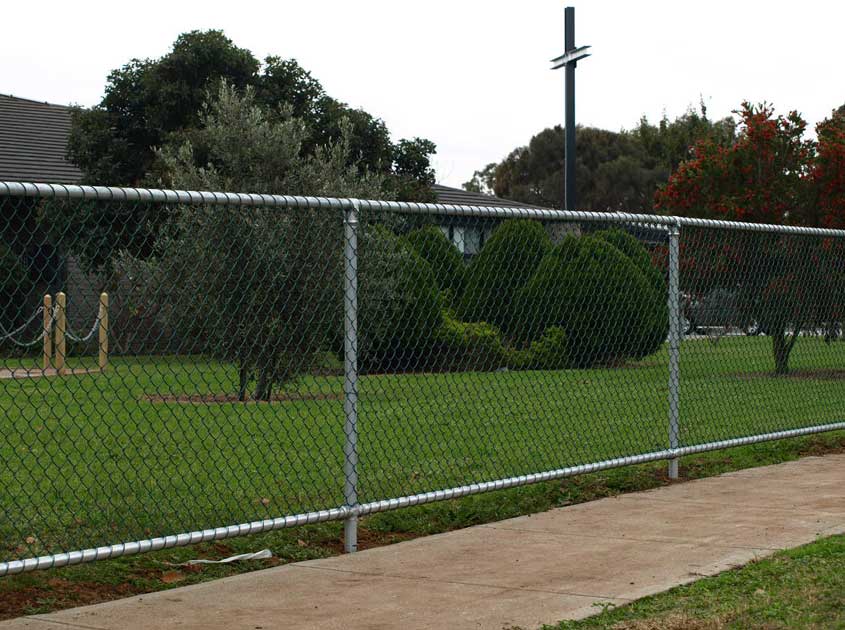
How Is Chain Link Fence Made? Manufacturing Process and Components
Pulished on Sep. 18, 2026
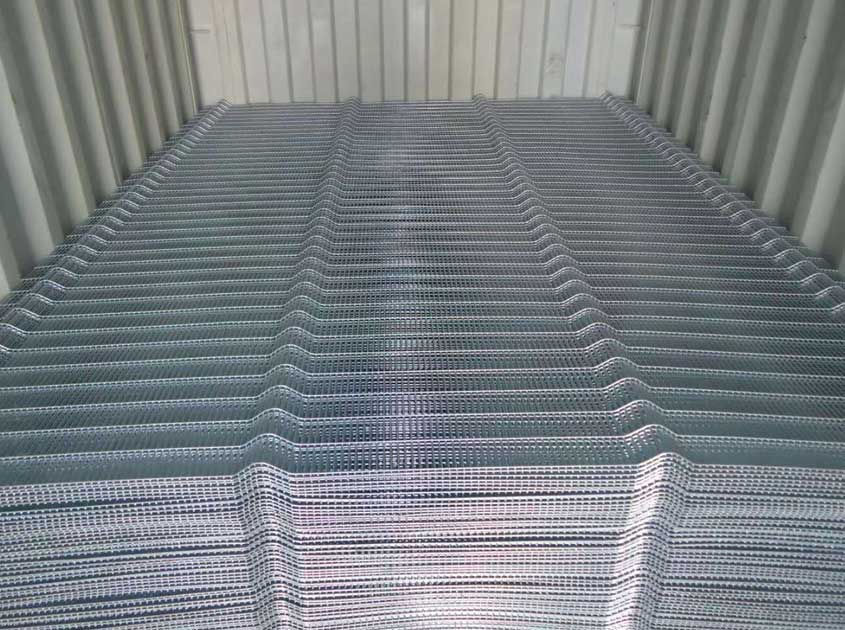
358 Security Fence vs Chain Link Fence: Security, Cost and Application Comparison
Pulished on Sep. 15, 2026
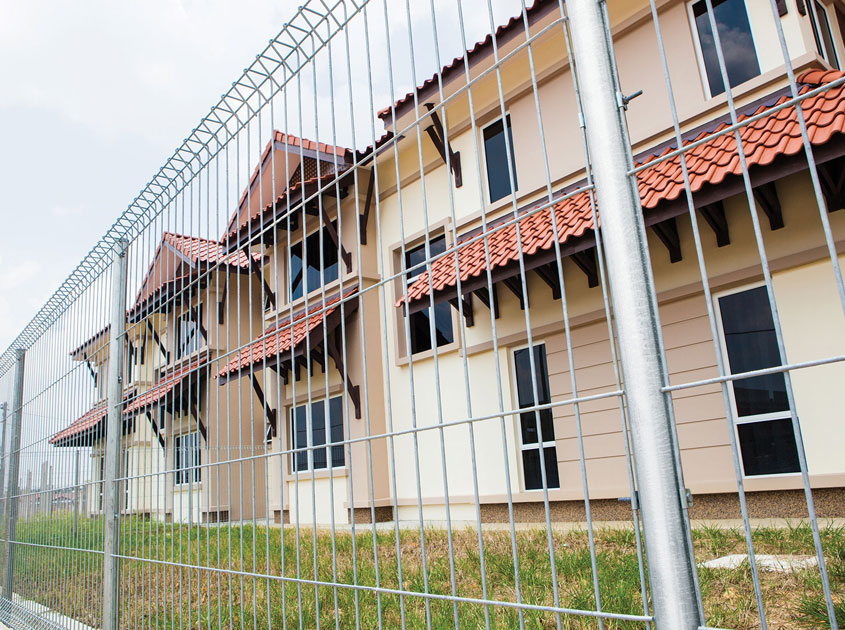
Why Choose Welded Wire Fence for Security and Protection?
Pulished on Sep. 07, 2026
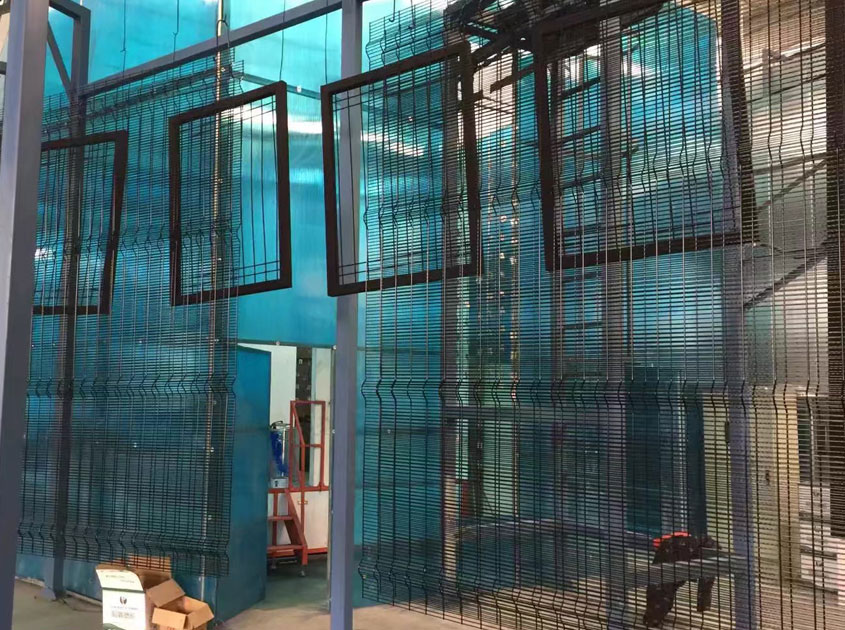
358 Security Fence Specifications and Applications Guide
Pulished on Aug. 27, 2026
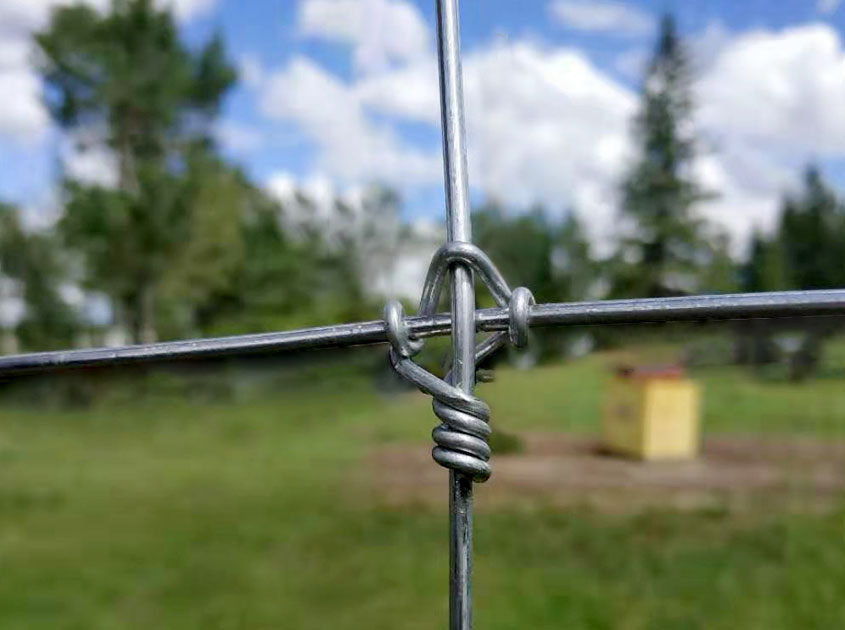
What Is Farm Fence and What Are the Main Types?
Pulished on Aug. 26, 2026
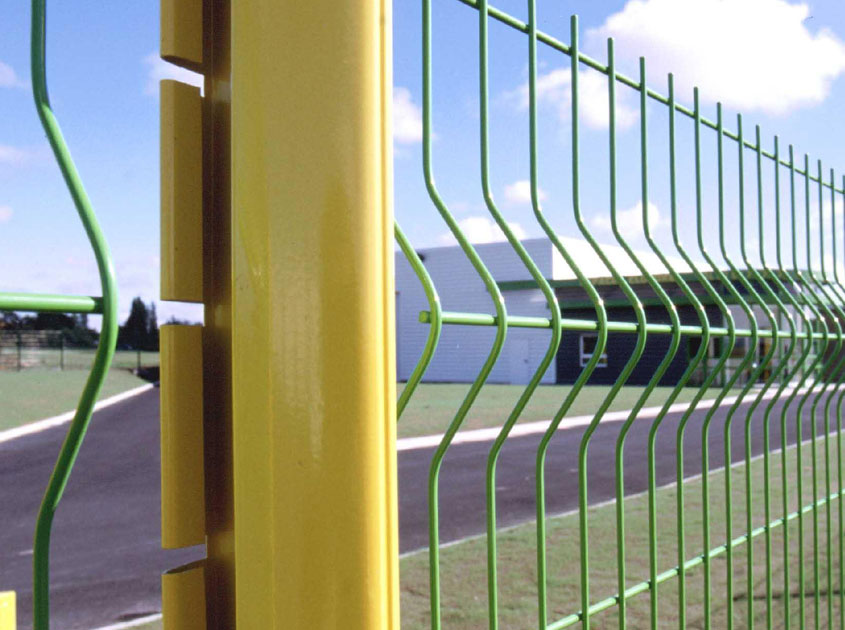
Welded Wire Fence Types, Sizes and Applications Guide
Pulished on Aug. 20, 2026
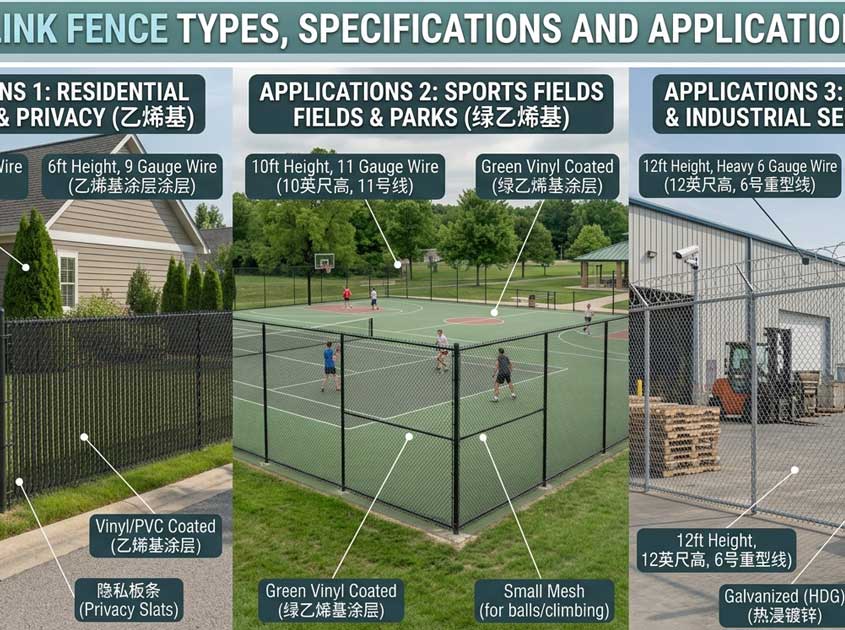
Chain Link Fence Types, Specifications and Applications Guide
Pulished on Aug. 12, 2026
How to Choose Farm Fence for Cattle and Horses: Wire, Height and Design Guide
Pulished on Sep. 23, 2026
How Is Chain Link Fence Made? Manufacturing Process and Components
Pulished on Sep. 18, 2026
358 Security Fence vs Chain Link Fence: Security, Cost and Application Comparison
Pulished on Sep. 15, 2026
Why Choose Welded Wire Fence for Security and Protection?
Pulished on Sep. 07, 2026
358 Security Fence Specifications and Applications Guide
Pulished on Aug. 27, 2026
What Is Farm Fence and What Are the Main Types?
Pulished on Aug. 26, 2026
Welded Wire Fence Types, Sizes and Applications Guide
Pulished on Aug. 20, 2026
Chain Link Fence Types, Specifications and Applications Guide
Pulished on Aug. 12, 2026