EN
 SP
 FR

- Home
- About Us
- Products
- Service
- Project
- News
- Contact Us
Pulished on May. 23, 2023
The fixed deer fence is an efficient tool widely used in the fields of agriculture and ecological protection. It has many advantages and is applicable to various application scenarios at the same time.
First, the physical barrier properties of fixed knot deer fences are one of their greatest advantages. It effectively deters deer and other wildlife from entering fields and gardens, protecting crops from damage. With strong materials and design, fixed knot deer fences can withstand external pressure and challenges, providing reliable protection.

Second, fixed knot deer fences are durable and long-lived. It uses special materials and treatments that resist corrosion and the effects of climate change, ensuring long-term use in outdoor environments without damage. This durability makes fixed knot deer fencing a solid investment that will protect crops and gardens with long-lasting protection.
In addition, the height design of the fixed knot deer fence is another important advantage. With proper height design, the fixed knot deer fence can effectively prevent deer from crossing the fence and provide comprehensive protection. This height design can be adjusted according to specific needs to suit different scenarios and needs.

The application of fixed deer fences is also very extensive. It can not only be applied to farmland and gardens to protect crops from wild animals, but also can be used to protect wild animal sanctuaries and nature reserves to maintain ecological balance. In addition, fixed deer fences can also be used in farms, orchards, vineyards, flower gardens, and public landscapes.
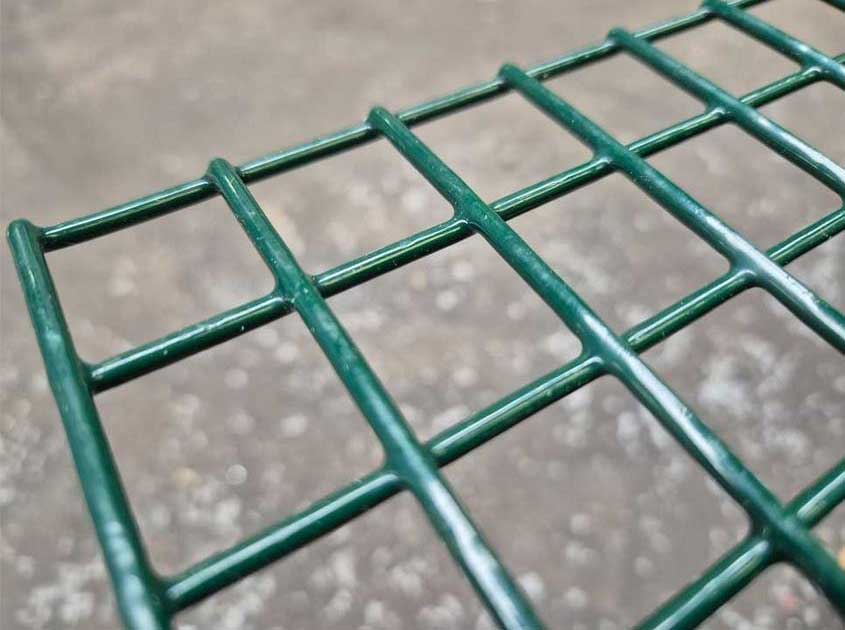
How to Select the Right Wire Diameter for Welded Wire Fence? A Practical Buyer’s Guide
Pulished on Nov. 18, 2026
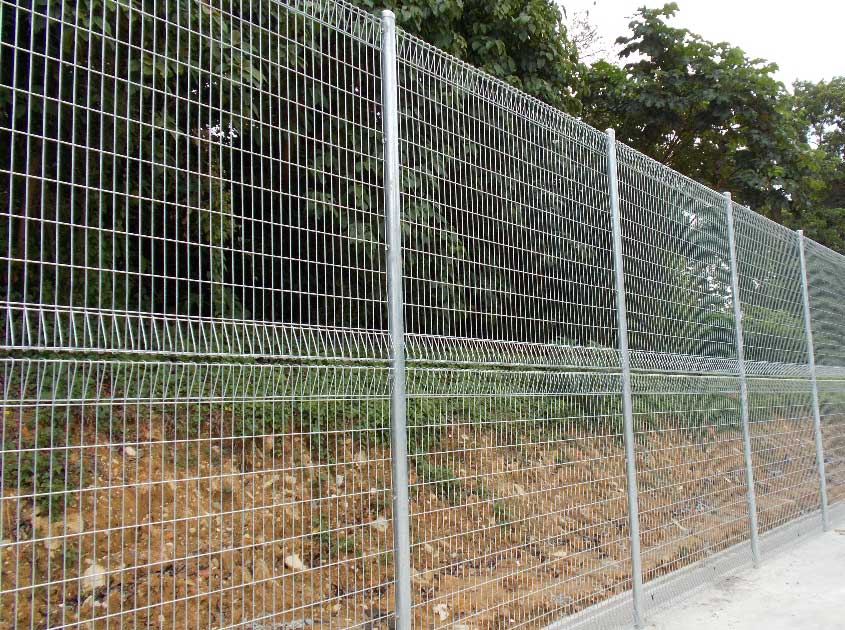
What Mesh Size Is Best for Welded Wire Fence? A Practical Selection Guide
Pulished on Nov. 09, 2026
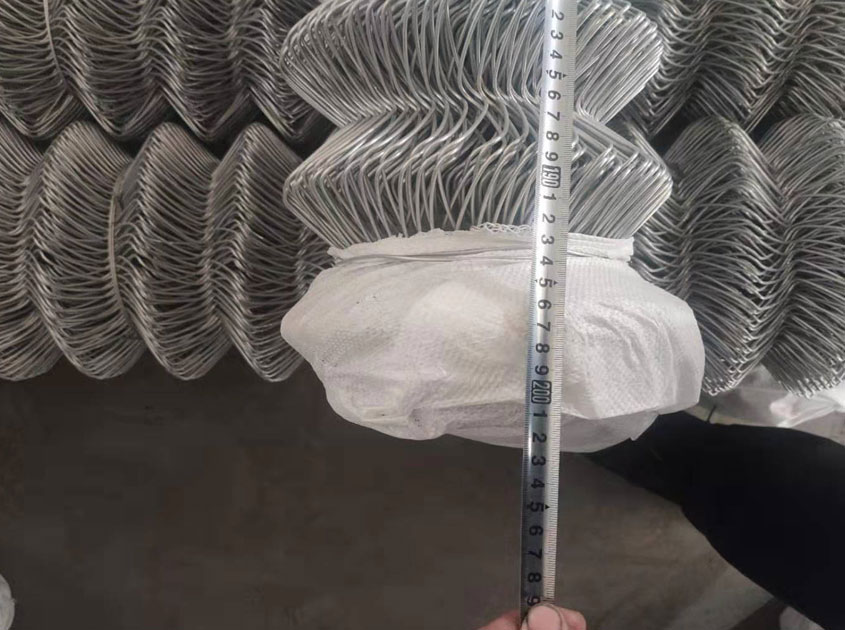
How Much Does Chain Link Fence Cost? A Complete Guide to Material Prices, Shipping and Project Costs
Pulished on Oct. 27, 2026
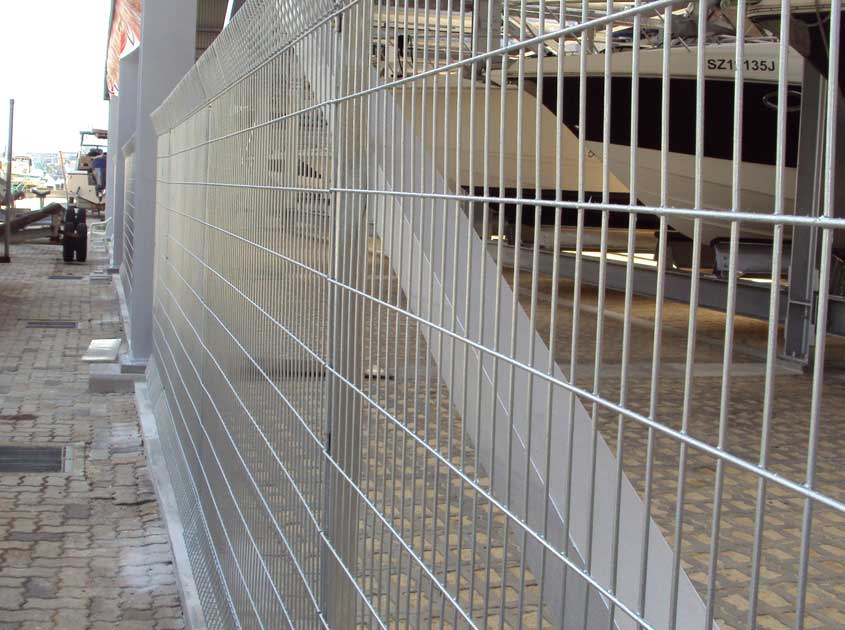
How to Install a Welded Wire Fence: A Step-by-Step Guide for Contractors
Pulished on Oct. 23, 2026
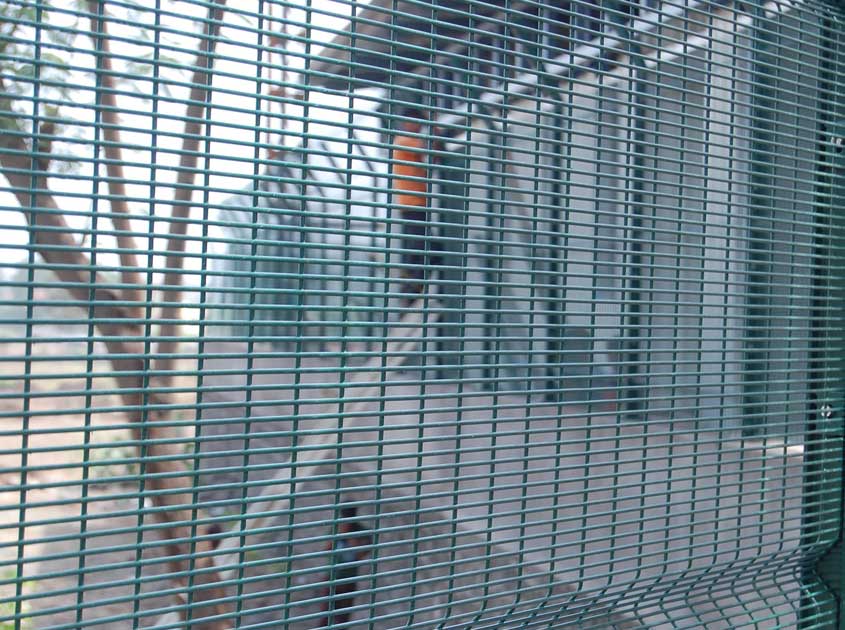
358 Fence vs Welded Wire Fence: Which Is Better for Your Project?
Pulished on Oct. 20, 2026

What Are the Advantages of Chain Link Fence? 8 Benefits for Commercial and Industrial Projects
Pulished on Oct. 16, 2026
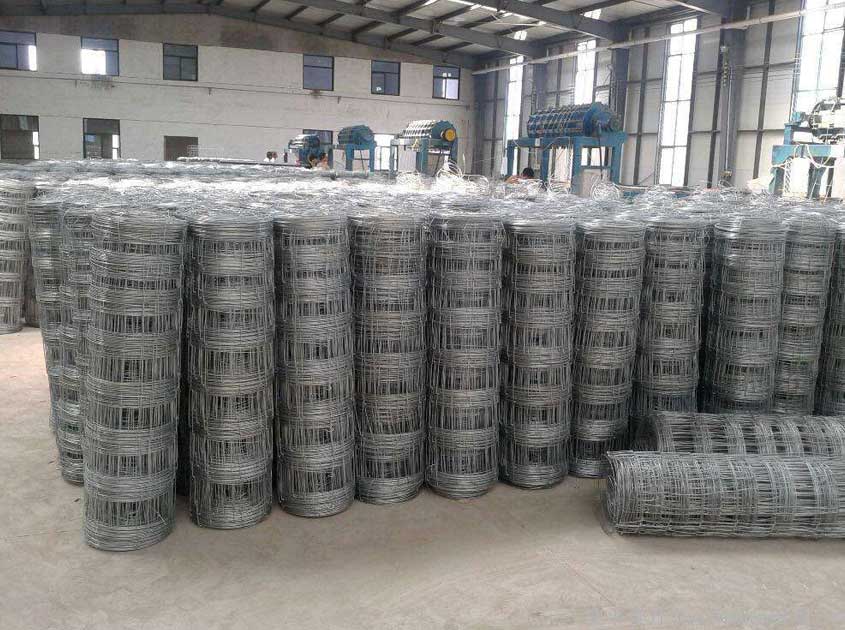
How to Choose Farm Fence for Cattle and Horses: Wire, Height and Design Guide
Pulished on Sep. 23, 2026
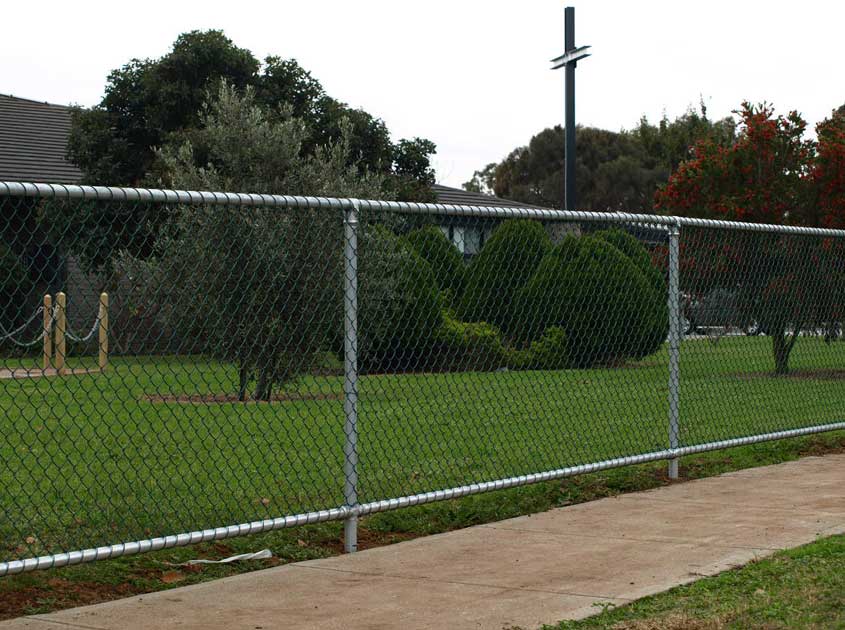
How Is Chain Link Fence Made? Manufacturing Process and Components
Pulished on Sep. 18, 2026
How to Select the Right Wire Diameter for Welded Wire Fence? A Practical Buyer’s Guide
Pulished on Nov. 18, 2026
What Mesh Size Is Best for Welded Wire Fence? A Practical Selection Guide
Pulished on Nov. 09, 2026
How Much Does Chain Link Fence Cost? A Complete Guide to Material Prices, Shipping and Project Costs
Pulished on Oct. 27, 2026
How to Install a Welded Wire Fence: A Step-by-Step Guide for Contractors
Pulished on Oct. 23, 2026
358 Fence vs Welded Wire Fence: Which Is Better for Your Project?
Pulished on Oct. 20, 2026
What Are the Advantages of Chain Link Fence? 8 Benefits for Commercial and Industrial Projects
Pulished on Oct. 16, 2026
How to Choose Farm Fence for Cattle and Horses: Wire, Height and Design Guide
Pulished on Sep. 23, 2026
How Is Chain Link Fence Made? Manufacturing Process and Components
Pulished on Sep. 18, 2026