EN
 SP
 FR

- Home
- About Us
- Products
- Service
- Project
- News
- Contact Us
Pulished on Jul. 28, 2023
Anti-climbing railing is a high security fencing system widely used in places like military bases, prisons, airports, borders and large public buildings. Proper installation can ensure the safety and service life of the anti-climbing railing. Here's how to properly install anti-climb railings, and four areas of what to look out for:
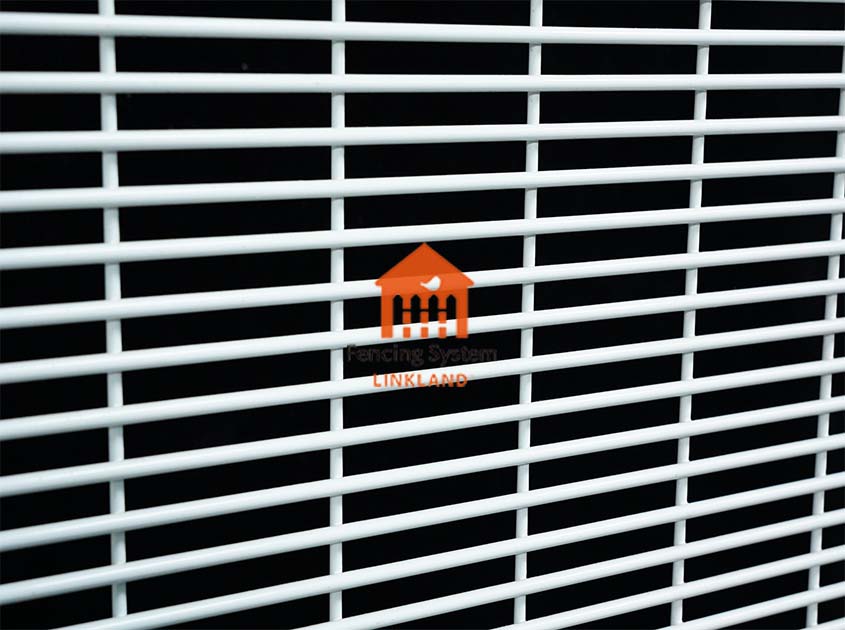
Determine the installation location and length of the Anti-climbing fence. Before installing the fence, you need to determine the installation location and length of the fence. The installation location usually needs to take into account factors such as the safety, use effect and aesthetics of the fence. The installation length needs to be determined according to actual needs to ensure the integrity and continuity of the fence system.
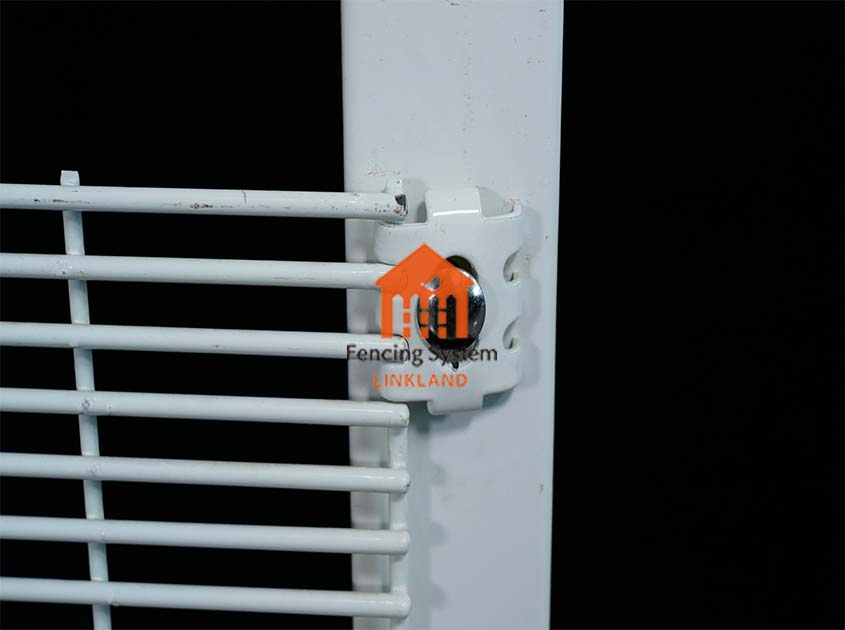
Install 358 security fence brackets and connectors. The anti-climbing railing is usually composed of multiple grids, and the grids are connected by connectors. Before installing the fence, it is necessary to install the brackets and connectors of the fence. Brackets usually need to be fixed to the ground or wall to provide support and stability for the fence. Connectors usually need to be fixed by means of screws, nuts, etc., so as to ensure that the connection between the grids is tight and firm.
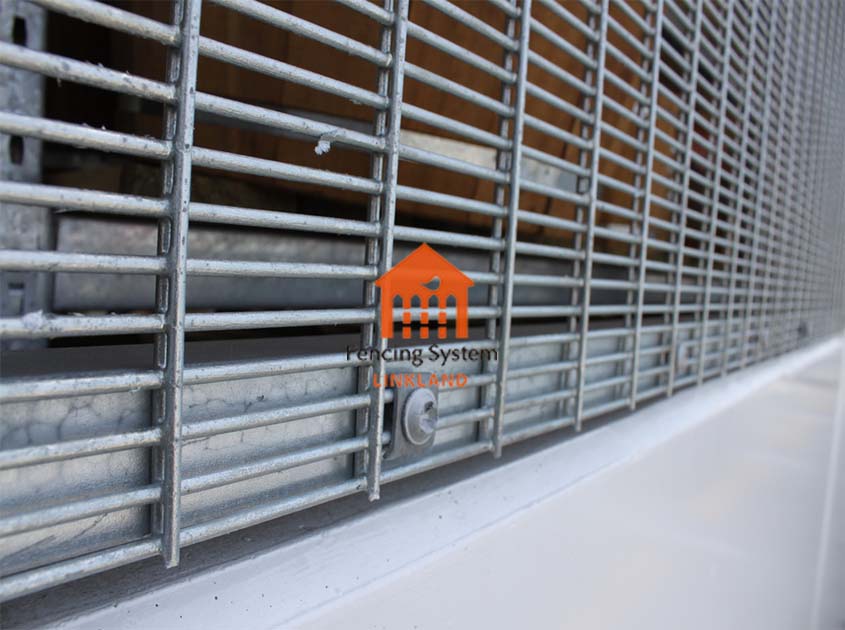
Install Anti-climbing fence gates and locks. Anti-climbing railings usually require doors and locks to facilitate the entry and exit of people and vehicles. Before installing the fence, you need to determine the location of the gate and the size of the gate. The size of the door needs to be determined according to actual needs, so that people and vehicles can enter and exit. Door locks usually require special lock cylinders and keys to improve door security and anti-theft performance.
Conduct tests and inspections of the fencing system. After the fence is installed, testing and inspection of the fence system is required to ensure the safety and effectiveness of the fence system. Testing often involves simulating conditions such as climbing, impacting and cutting to test the compressive and tensile strength of the fencing system. Inspections usually involve inspection of the coating, connectors, brackets and locks on the surface of the fence to ensure the integrity and continuity of the fence system.
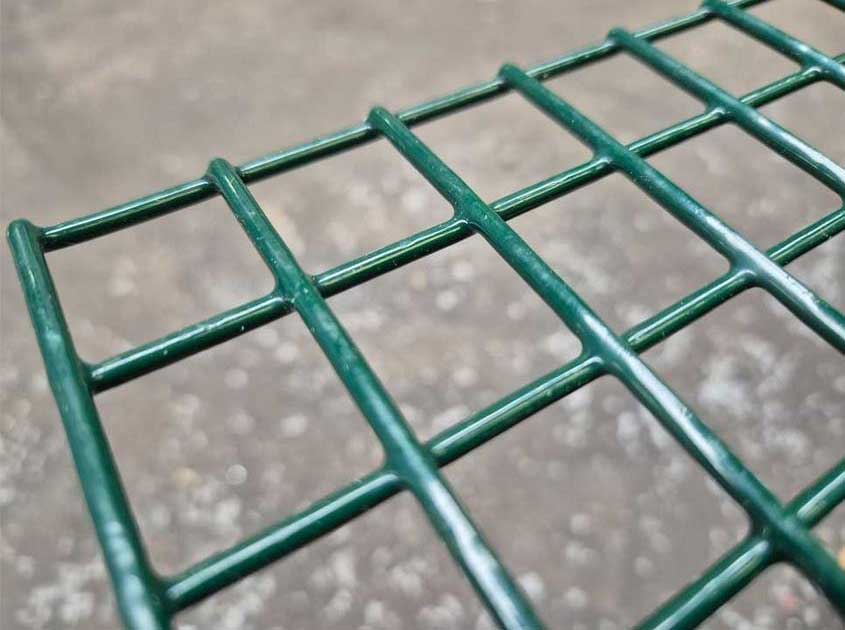
How to Select the Right Wire Diameter for Welded Wire Fence? A Practical Buyer’s Guide
Pulished on Nov. 18, 2026
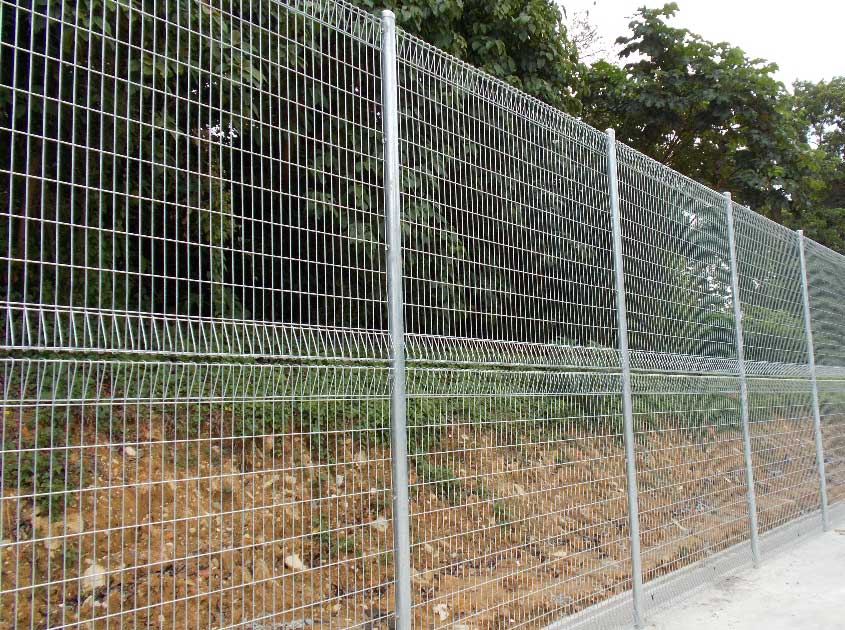
What Mesh Size Is Best for Welded Wire Fence? A Practical Selection Guide
Pulished on Nov. 09, 2026
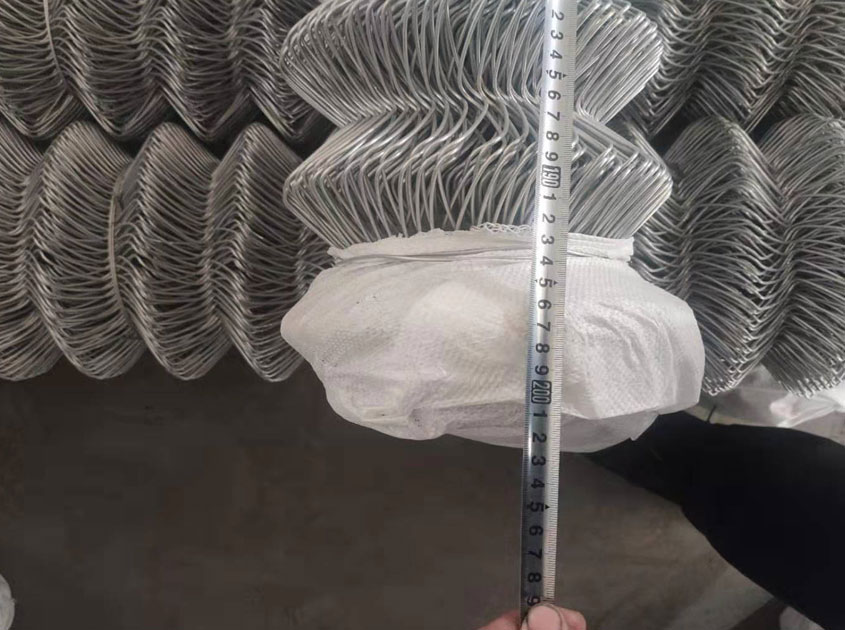
How Much Does Chain Link Fence Cost? A Complete Guide to Material Prices, Shipping and Project Costs
Pulished on Oct. 27, 2026
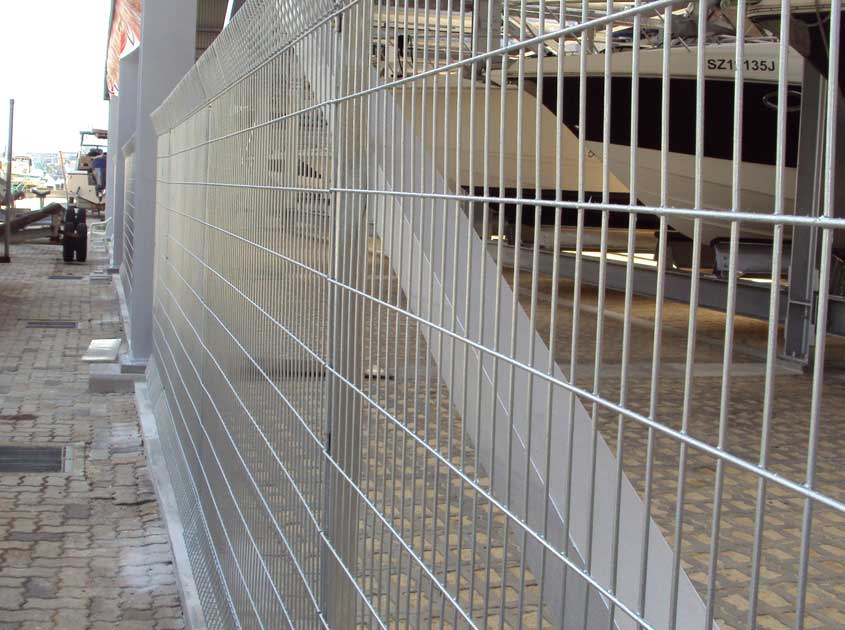
How to Install a Welded Wire Fence: A Step-by-Step Guide for Contractors
Pulished on Oct. 23, 2026
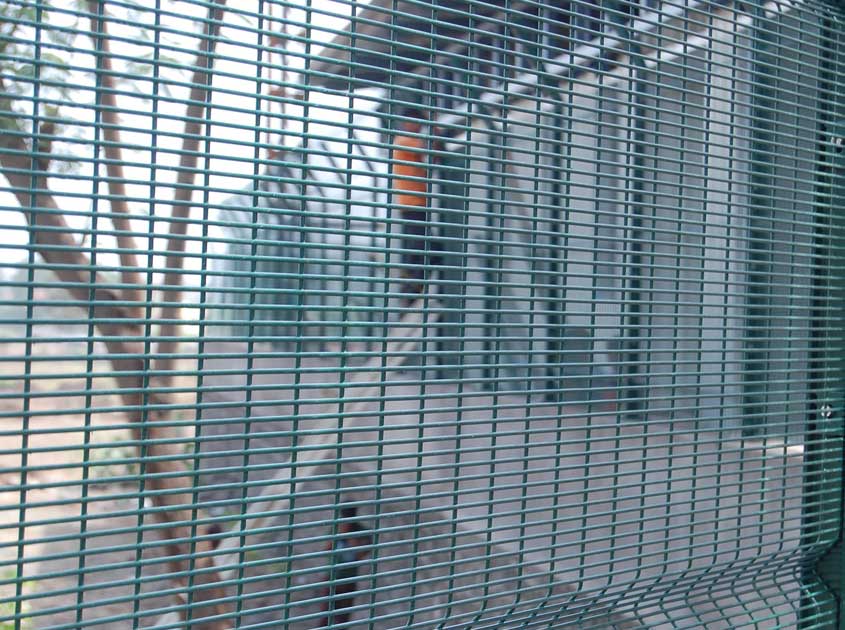
358 Fence vs Welded Wire Fence: Which Is Better for Your Project?
Pulished on Oct. 20, 2026
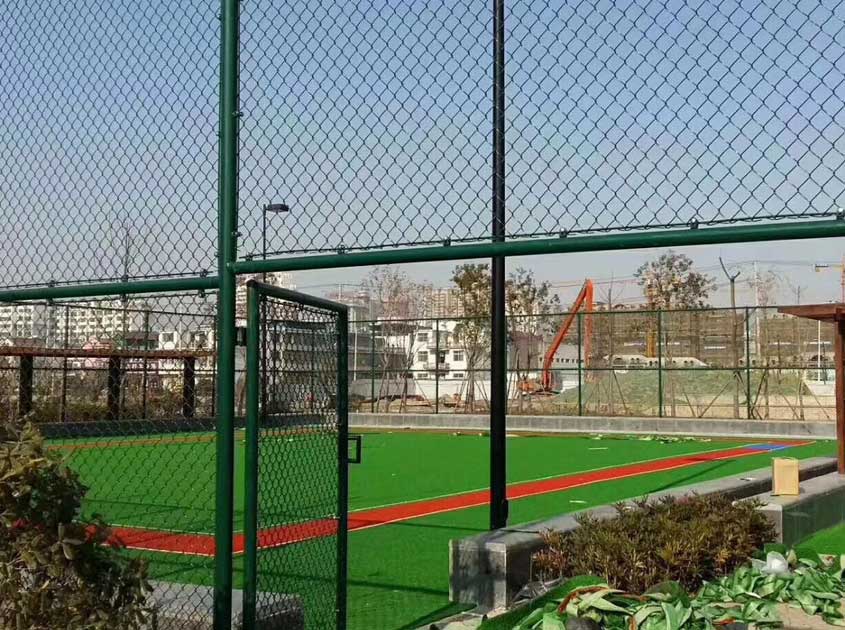
What Are the Advantages of Chain Link Fence? 8 Benefits for Commercial and Industrial Projects
Pulished on Oct. 16, 2026
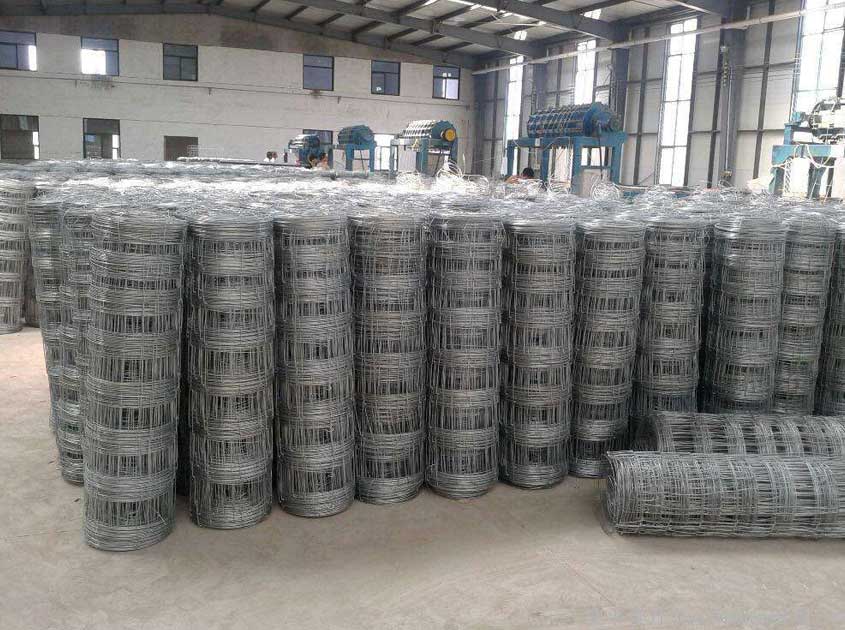
How to Choose Farm Fence for Cattle and Horses: Wire, Height and Design Guide
Pulished on Sep. 23, 2026
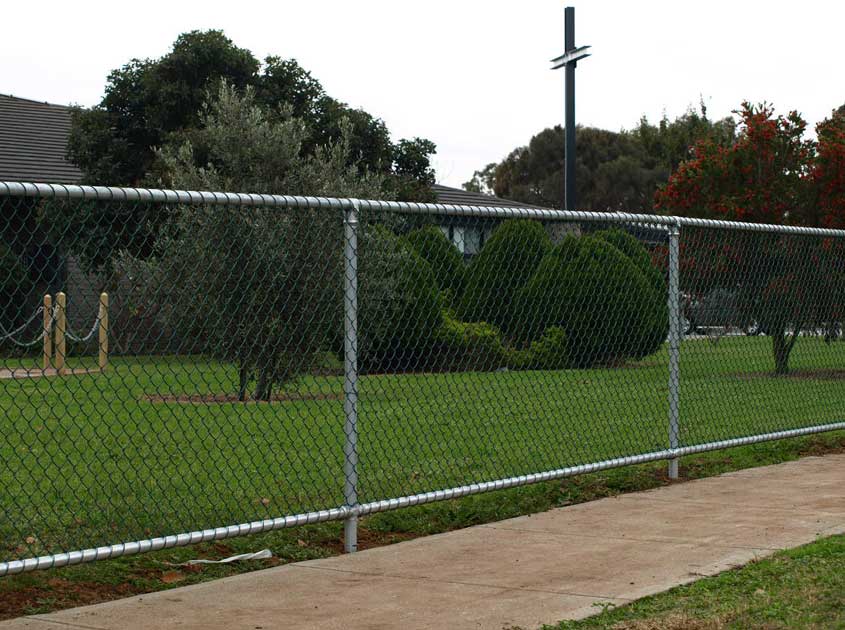
How Is Chain Link Fence Made? Manufacturing Process and Components
Pulished on Sep. 18, 2026
How to Select the Right Wire Diameter for Welded Wire Fence? A Practical Buyer’s Guide
Pulished on Nov. 18, 2026
What Mesh Size Is Best for Welded Wire Fence? A Practical Selection Guide
Pulished on Nov. 09, 2026
How Much Does Chain Link Fence Cost? A Complete Guide to Material Prices, Shipping and Project Costs
Pulished on Oct. 27, 2026
How to Install a Welded Wire Fence: A Step-by-Step Guide for Contractors
Pulished on Oct. 23, 2026
358 Fence vs Welded Wire Fence: Which Is Better for Your Project?
Pulished on Oct. 20, 2026
What Are the Advantages of Chain Link Fence? 8 Benefits for Commercial and Industrial Projects
Pulished on Oct. 16, 2026
How to Choose Farm Fence for Cattle and Horses: Wire, Height and Design Guide
Pulished on Sep. 23, 2026
How Is Chain Link Fence Made? Manufacturing Process and Components
Pulished on Sep. 18, 2026