EN
EN SP
SP FR
FR
- Home
- About Us
- Products
- Service
- Project
- News
- Contact Us
Pulished on Aug. 25, 2023
When considering regulatory legal standards for 358 security fence, it is critical to have relevant background information. 358 security fence is a commonly used high-security fence, which is widely used to protect important facilities, borders and properties. Therefore, in order to ensure the compliance and safety of the fence, relevant regulations and legal standards are formulated and implemented.
Fence Height and Structural Requirements
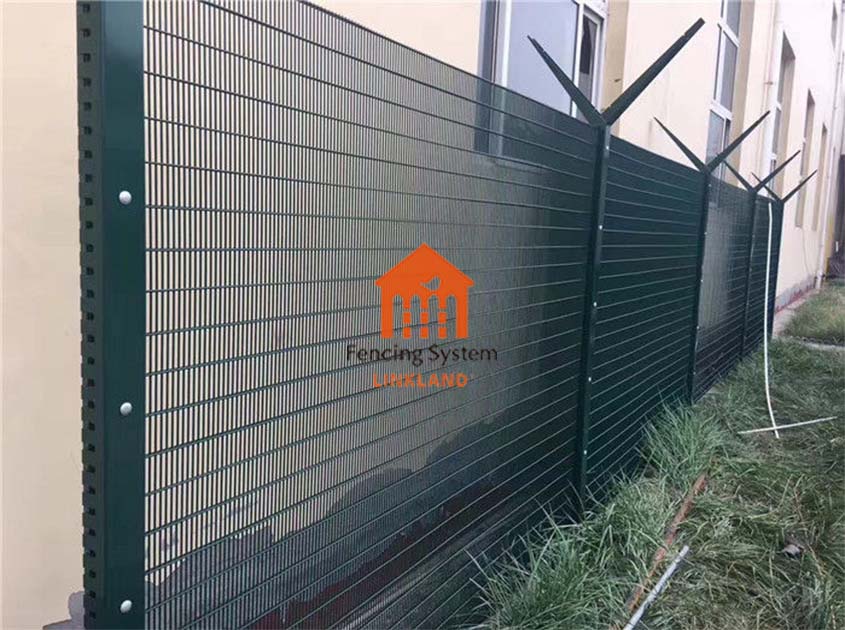
Regulations and legal standards usually involve the height and structure requirements of 358 security fences. These standards may vary and vary by region, country or specific application. Typically, regulations dictate a minimum height for fences to ensure adequate protection. In addition, structural requirements for fencing may also be specified, such as fencing material, mesh size, and fencing support systems, among others.
Visibility and Security Requirements
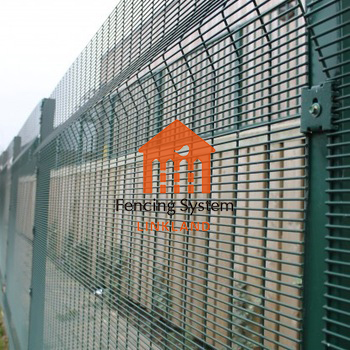
Relevant regulations and legal standards may also involve the visibility and security requirements of 358 security fence. Visibility requirements are usually to ensure that the fence does not create an undue visual impact on the surrounding environment, while allowing adequate observation and monitoring. Security requirements may include requirements for the fence's resistance to climb, vandalism and spillage to ensure that the fence is effective in preventing trespass and vandalism.
Regulatory Compliance and Licensing Requirements
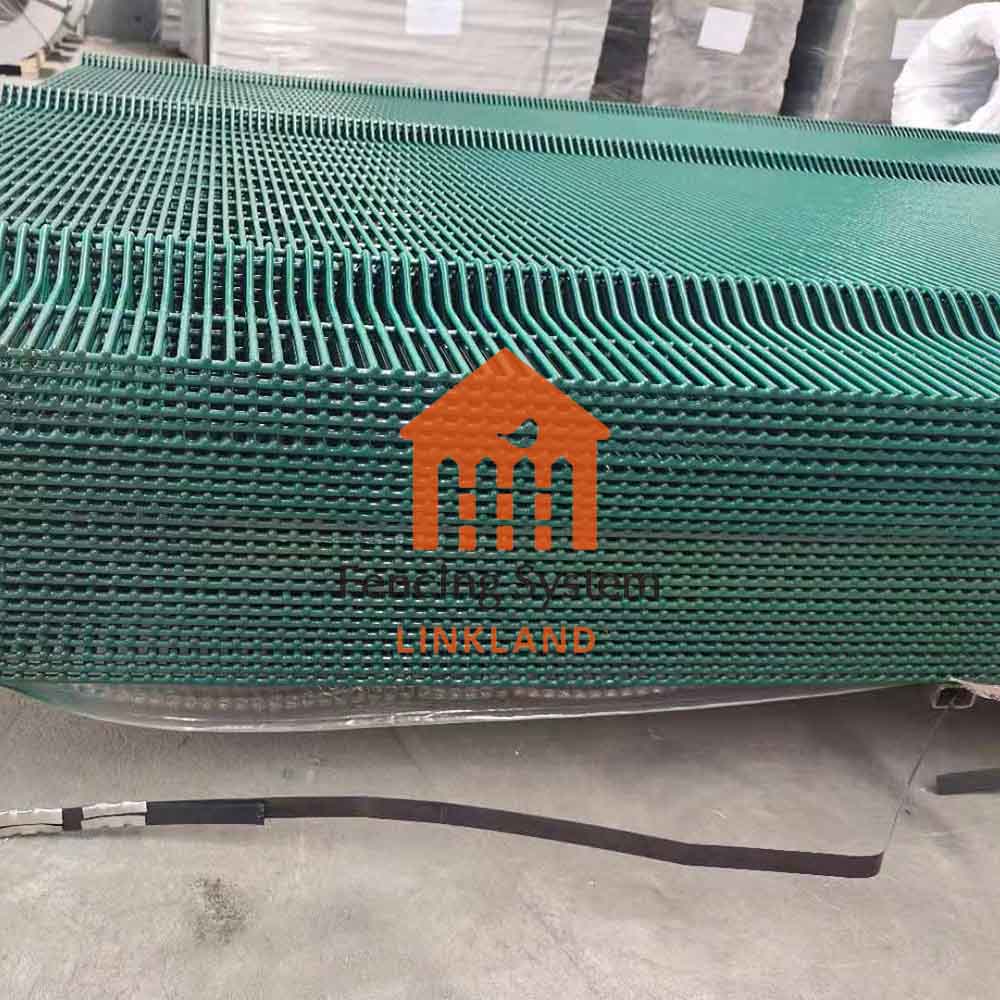
Finally, considering the regulations and legal standards of 358 security fence also needs to pay attention to regulatory compliance and licensing requirements. Depending on the region and country, compliance with specific regulatory standards and corresponding licenses or approvals may be required. These requirements may relate to aspects of the security fence installation process, application process, review and acceptance to ensure that the fence complies with the law and is being used legally.
Consider the regulations and legal standards for 358 security fences covering height and structural requirements for fencing, visibility and security requirements, as well as regulatory compliance and permitting requirements. The purpose of these standards is to ensure the compliance, safety and effectiveness of fencing to protect critical facilities and property. Therefore, when designing and installing 358 security fences, you must carefully consider and comply with relevant laws and regulations and legal standards.
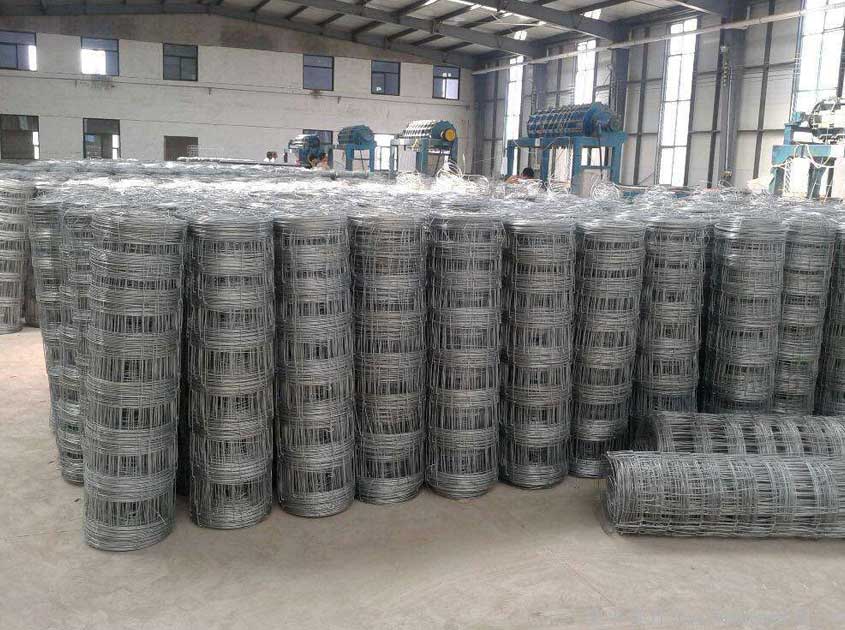
How to Choose Farm Fence for Cattle and Horses: Wire, Height and Design Guide
Pulished on Sep. 23, 2026
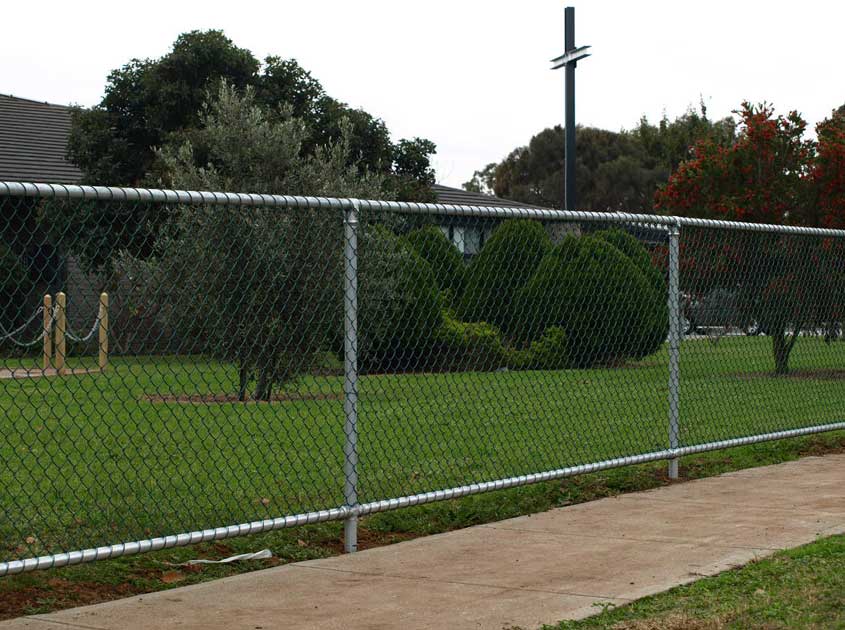
How Is Chain Link Fence Made? Manufacturing Process and Components
Pulished on Sep. 18, 2026
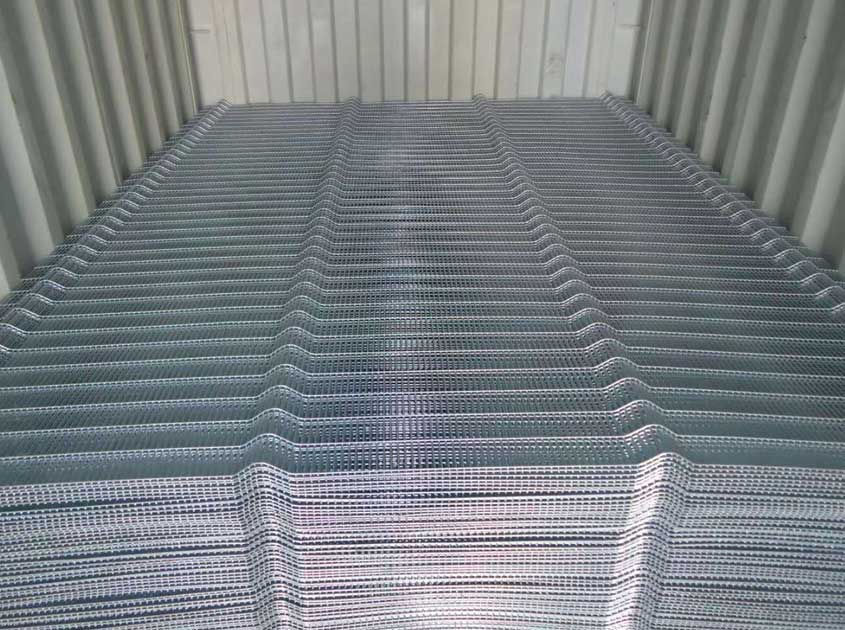
358 Security Fence vs Chain Link Fence: Security, Cost and Application Comparison
Pulished on Sep. 15, 2026
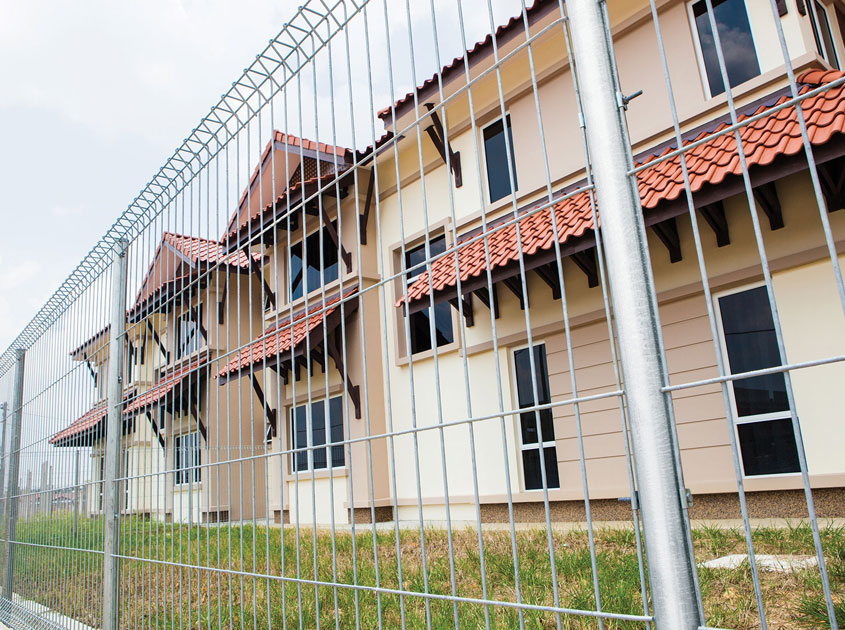
Why Choose Welded Wire Fence for Security and Protection?
Pulished on Sep. 07, 2026
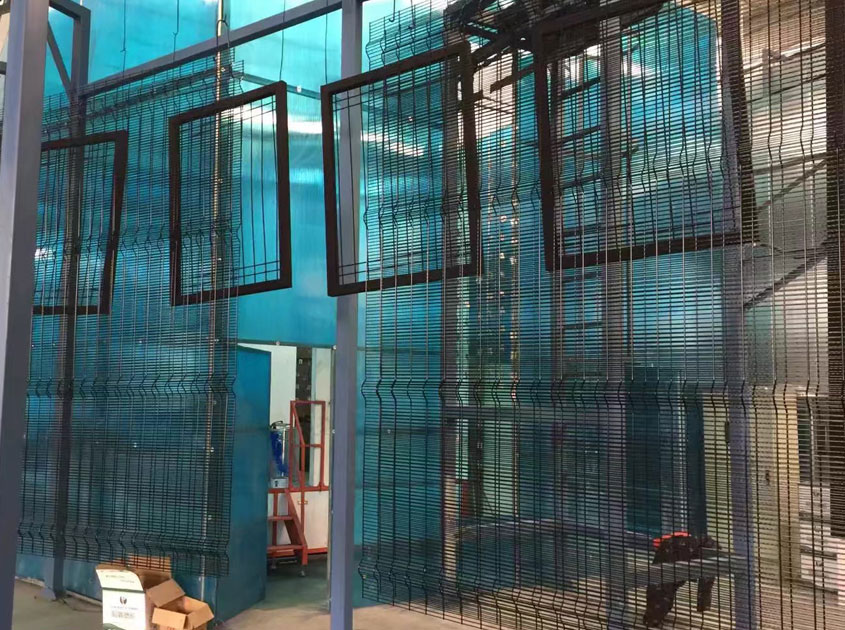
358 Security Fence Specifications and Applications Guide
Pulished on Aug. 27, 2026
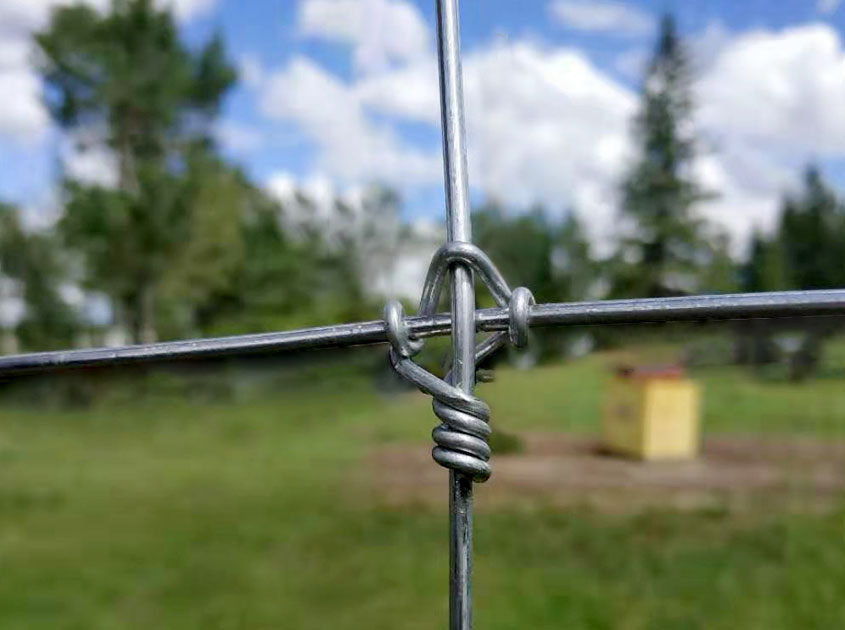
What Is Farm Fence and What Are the Main Types?
Pulished on Aug. 26, 2026
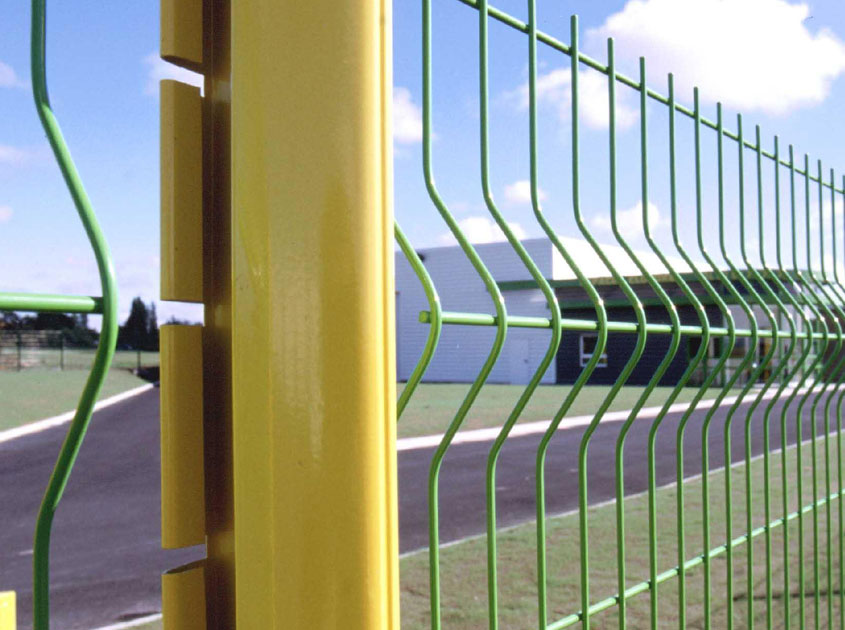
Welded Wire Fence Types, Sizes and Applications Guide
Pulished on Aug. 20, 2026
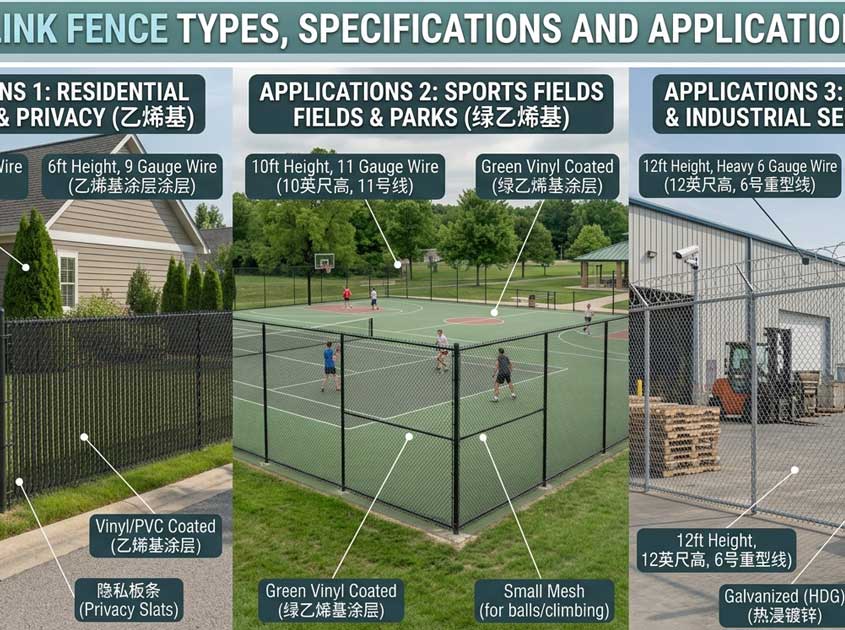
Chain Link Fence Types, Specifications and Applications Guide
Pulished on Aug. 12, 2026
How to Choose Farm Fence for Cattle and Horses: Wire, Height and Design Guide
Pulished on Sep. 23, 2026
How Is Chain Link Fence Made? Manufacturing Process and Components
Pulished on Sep. 18, 2026
358 Security Fence vs Chain Link Fence: Security, Cost and Application Comparison
Pulished on Sep. 15, 2026
Why Choose Welded Wire Fence for Security and Protection?
Pulished on Sep. 07, 2026
358 Security Fence Specifications and Applications Guide
Pulished on Aug. 27, 2026
What Is Farm Fence and What Are the Main Types?
Pulished on Aug. 26, 2026
Welded Wire Fence Types, Sizes and Applications Guide
Pulished on Aug. 20, 2026
Chain Link Fence Types, Specifications and Applications Guide
Pulished on Aug. 12, 2026