EN
EN SP
SP FR
FR
- Home
- About Us
- Products
- Service
- Project
- News
- Contact Us
Pulished on Jul. 10, 2020
The galvanizing process is widely used in the fence industry. This process is also divided into hot galvanizing and cold galvanizing. What is the difference between these two galvanizing processes? Let's take a look at the difference between hot galvanized and cold galvanized:
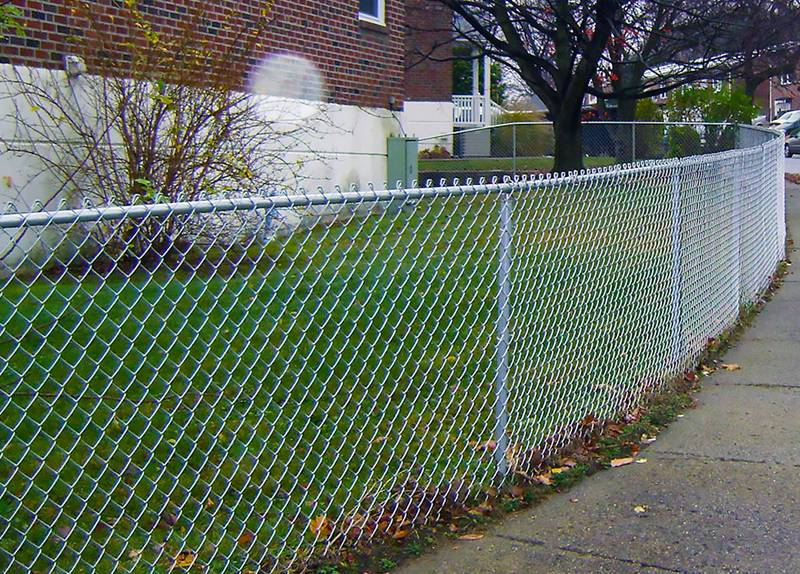
Hot-dip galvanizing is immersion plating in a molten zinc solution. The galvanized tube is used to make the metal surface gradually plugged by the single current in the electroplating tank. The hot-dip galvanizing process has a fast production speed, a thick galvanized layer, and consumes a lot of zinc metal. Ordinary galvanizing is slow and the galvanized layer is thin.
Cold galvanizing refers to electroplating, and hot galvanizing refers to zinc plating of objects in molten zinc. The difference between the two is that the former has poor corrosion resistance and the latter has good corrosion resistance. Hot-dip galvanizing can be maintained in outdoor environment for more than ten years. Generally, steel structures with small components are used in this process.
Knowing the difference between hot-dip galvanizing and cold-dip galvanizing, let's take a look at what is hot-dip galvanizing and cold-dip galvanizing.
What is hot dip galvanizing?
Hot-dip galvanizing, also known as hot-dip galvanizing, is to melt the zinc ingot at high temperature, put some auxiliary materials, and then immerse the metal structural parts into the galvanizing tank, so that a layer of galvanized layer is attached to the metal component The advantage of hot dip galvanizing is that it has strong anti-corrosion ability, and the adhesion and hardness of galvanized layer are high. The disadvantage is that the price is relatively high, which requires a lot of equipment and space. The steel structure is too large to be placed in the galvanizing tank. In addition, the steel structure is relatively thin, and it is very easy to deform if it is hot. The zinc-rich coatings that people often refer to are imitation corrosion coatings containing zinc powder.
What is cold galvanized?
Cold galvanized is actually electrogalvanized. The cold galvanizing process is used to protect the metal from corrosion. To this end, a coating using zinc filler is applied to the surface of the object to be protected by any coating method. After drying, a zinc filler layer is formed. The layer has zinc content up to 90%. Suitable for repair work (that is, during the repair work, only where the protected steel surface is damaged, as long as the surface is repaired, it can be reapplied). The cold galvanizing process is used for anticorrosion of various fence products and structures. This process has very little galvanizing amount, only 10-50g/㎡, and its own corrosion resistance is much different from hot dip galvanizing. Therefore, the price of electro-galvanized is relatively cheaper.
Previous: Classification of metal fences
How to Choose Farm Fence for Cattle and Horses: Wire, Height and Design Guide
Pulished on Sep. 23, 2026
How Is Chain Link Fence Made? Manufacturing Process and Components
Pulished on Sep. 18, 2026
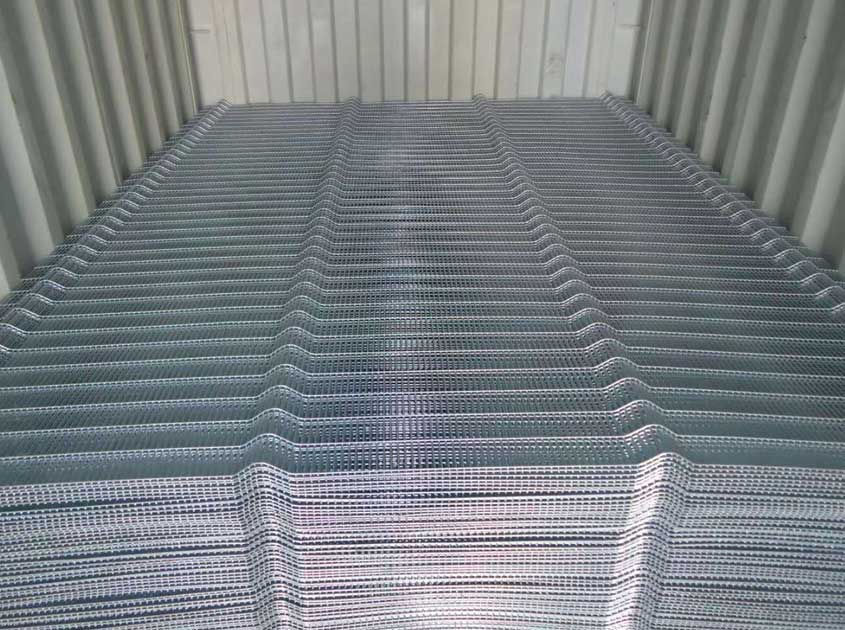
358 Security Fence vs Chain Link Fence: Security, Cost and Application Comparison
Pulished on Sep. 15, 2026
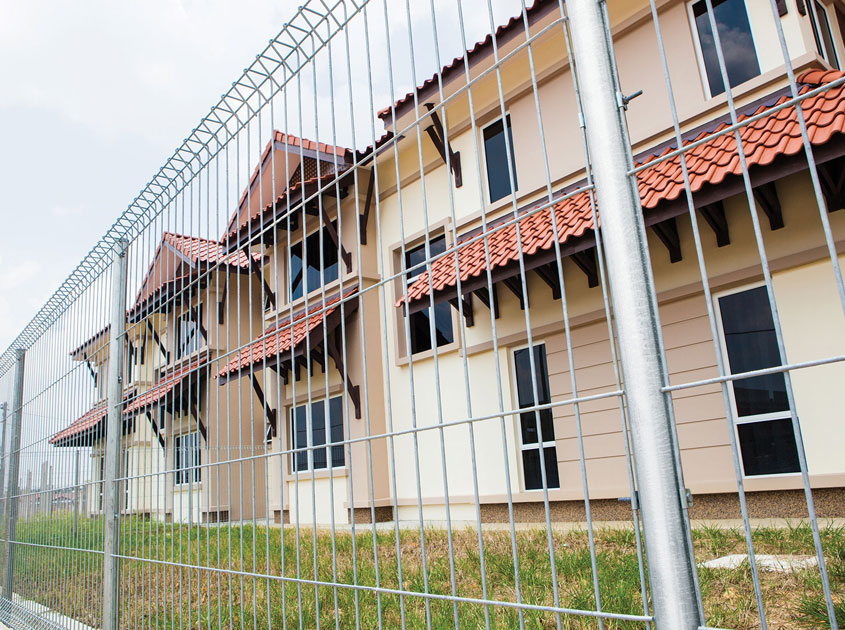
Why Choose Welded Wire Fence for Security and Protection?
Pulished on Sep. 07, 2026
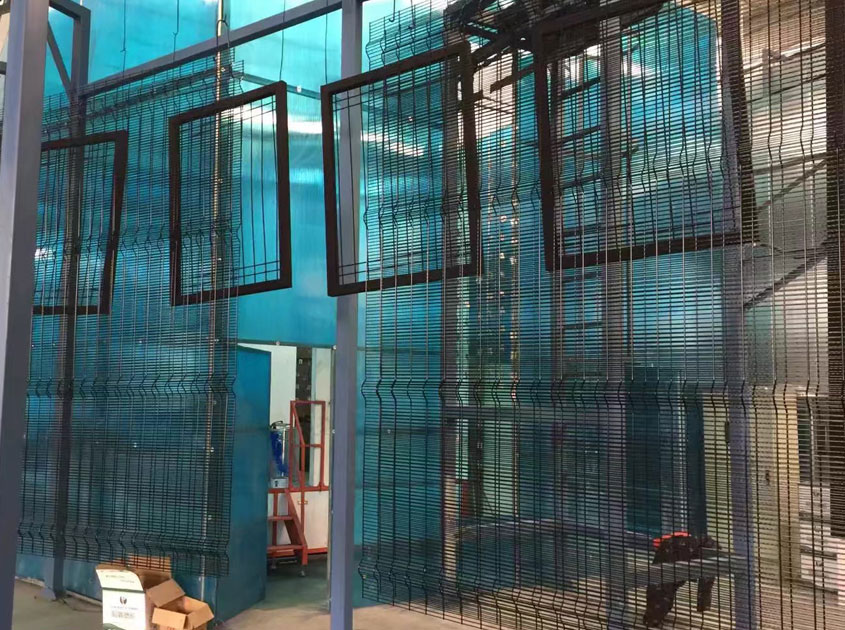
358 Security Fence Specifications and Applications Guide
Pulished on Aug. 27, 2026
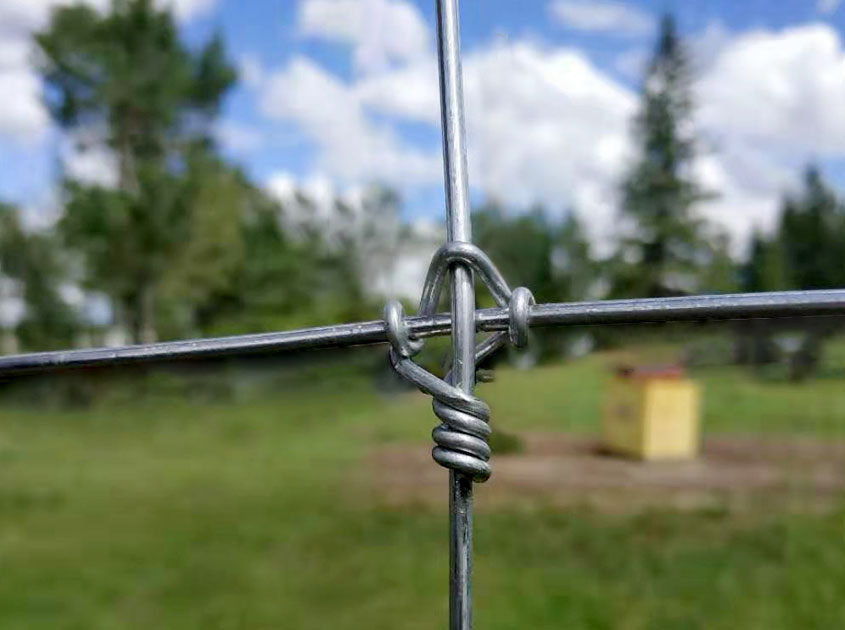
What Is Farm Fence and What Are the Main Types?
Pulished on Aug. 26, 2026
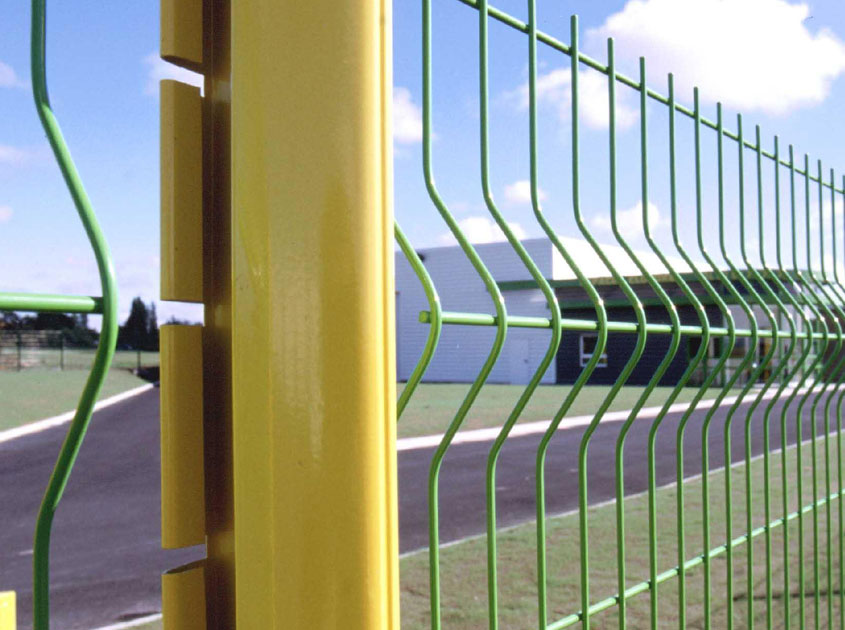
Welded Wire Fence Types, Sizes and Applications Guide
Pulished on Aug. 20, 2026
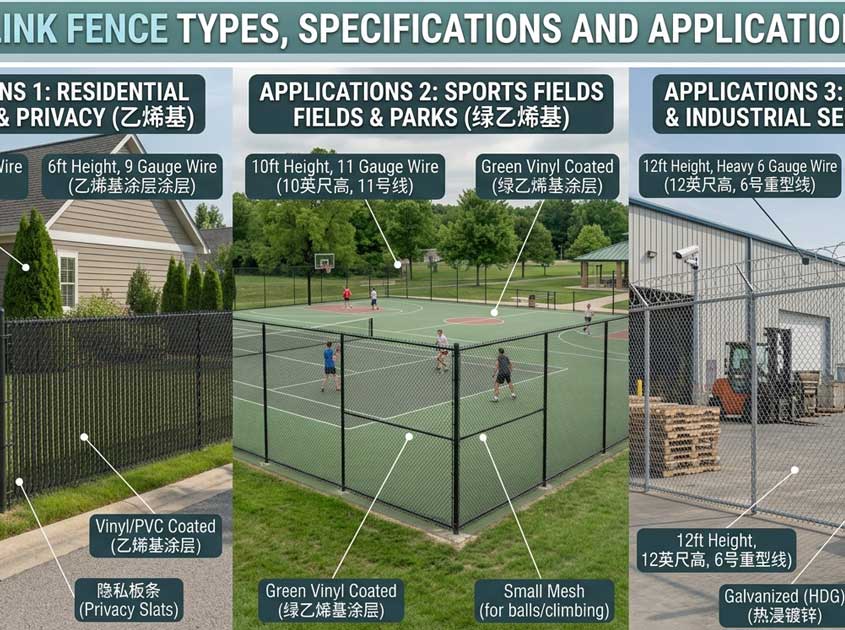
Chain Link Fence Types, Specifications and Applications Guide
Pulished on Aug. 12, 2026
How to Choose Farm Fence for Cattle and Horses: Wire, Height and Design Guide
Pulished on Sep. 23, 2026
How Is Chain Link Fence Made? Manufacturing Process and Components
Pulished on Sep. 18, 2026
358 Security Fence vs Chain Link Fence: Security, Cost and Application Comparison
Pulished on Sep. 15, 2026
Why Choose Welded Wire Fence for Security and Protection?
Pulished on Sep. 07, 2026
358 Security Fence Specifications and Applications Guide
Pulished on Aug. 27, 2026
What Is Farm Fence and What Are the Main Types?
Pulished on Aug. 26, 2026
Welded Wire Fence Types, Sizes and Applications Guide
Pulished on Aug. 20, 2026
Chain Link Fence Types, Specifications and Applications Guide
Pulished on Aug. 12, 2026