EN
EN SP
SP FR
FR
- Home
- About Us
- Products
- Service
- Project
- News
- Contact Us
Pulished on Mar. 06, 2023
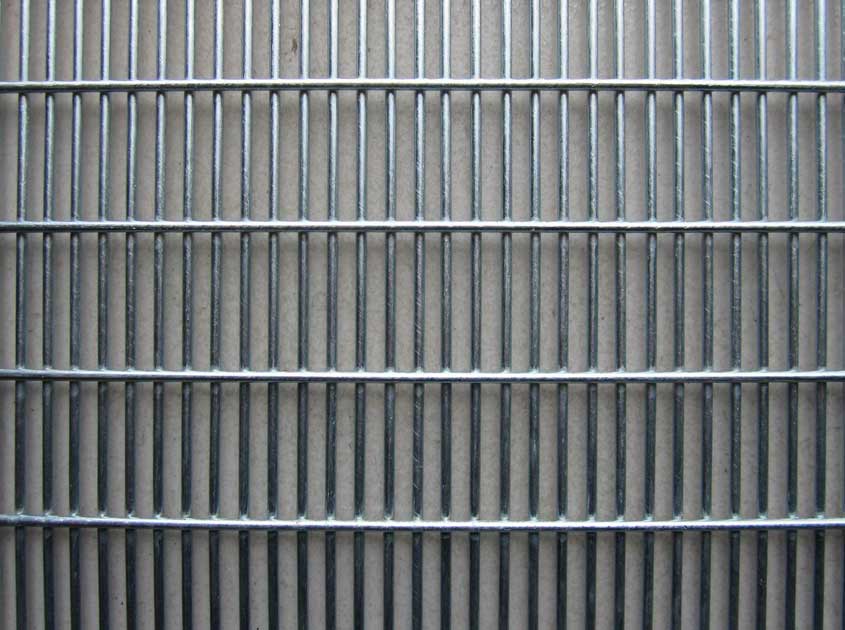
Hot-dip galvanized wire is a metal wire coated with a layer of zinc to prevent rust and corrosion. This galvanizing process involves dipping the wire into a bath of molten zinc, which then forms a protective layer around the wire.
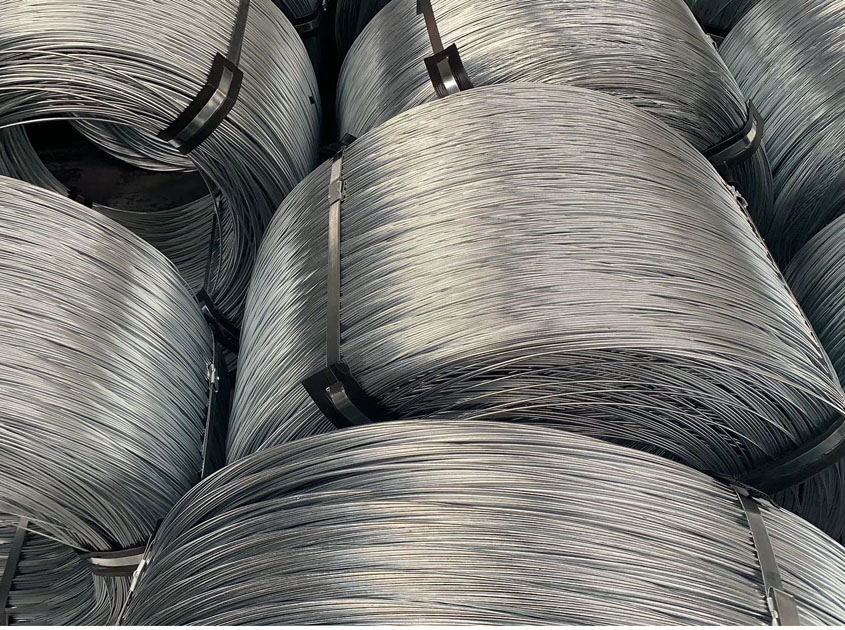
The process of galvanizing has been used for centuries to protect metals from corrosion. The ancient Egyptians used a form of galvanization to protect their iron tools from rust. Today, electroplating is used in many different industries, including construction, agriculture and manufacturing.
The process of galvanized wire starts from the selection of wire material. Wire is usually made of mild steel or stainless steel and is cleaned and treated to remove any impurities. This process ensures that the wire is free of any contaminants that could interfere with the galvanizing process.
Once the wire is cleaned and treated, it is then dipped into a bath of molten zinc. Zinc forms a protective layer around wires that helps prevent rust and corrosion. The thickness of the zinc coating can vary depending on the application, but is typically between 2 and 5 mils (0.002 and 0.005 inches).
After the wire is galvanized, it is cooled and then inspected to ensure that the coating is uniform and free of defects. The wire can then be cut to size and packaged for shipping.
Galvanized wire is commonly used in a variety of applications including fencing, construction and agriculture. It is a durable and long-lasting material that can withstand harsh environments and exposure to the elements.
In the construction industry, galvanized wire is often used as reinforcement in concrete structures. The wire helps strengthen the concrete and prevent cracks from forming. It is also used in the production of plasterboard, which is used as a backing material to provide strength and stability.
In agriculture, galvanized wire is used to build animal enclosures and protect crops from pests. Metal wire is strong and durable, making it an ideal material for outdoor use.
Galvanized wire mesh is also commonly used in the production of industrial filters. Wire mesh is woven into a fine mesh and then coated with zinc to create a filter that can withstand harsh chemicals and high temperatures.
Overall, the process of galvanizing wire is a critical step in producing a durable material. By protecting the wire from rust and corrosion, galvanizing ensures that the wire can be used in a variety of applications and environments. Whether used in construction, agriculture, or manufacturing, galvanized wire is a versatile and reliable material that will continue to be in high demand in the years to come.
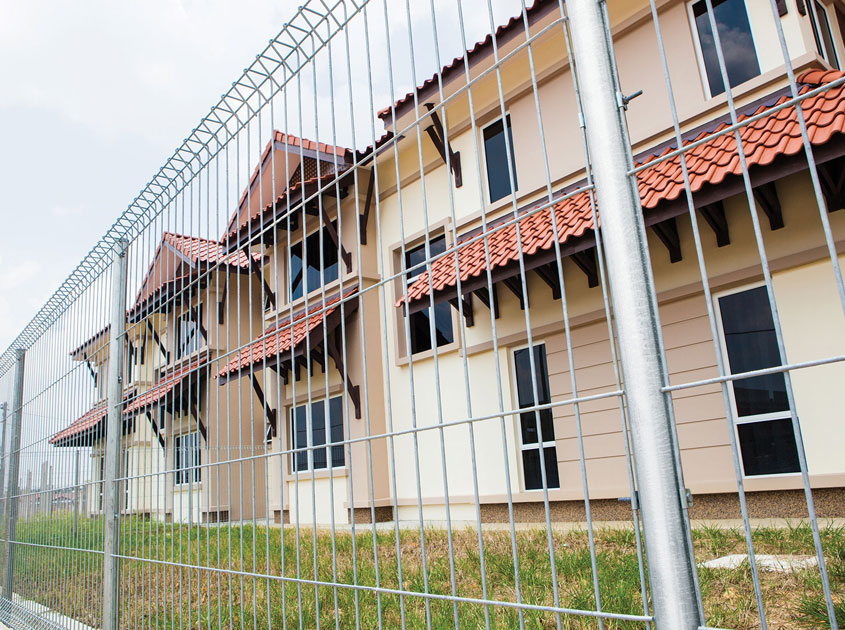
Why Choose Welded Wire Fence for Security and Protection?
Pulished on Sep. 07, 2026
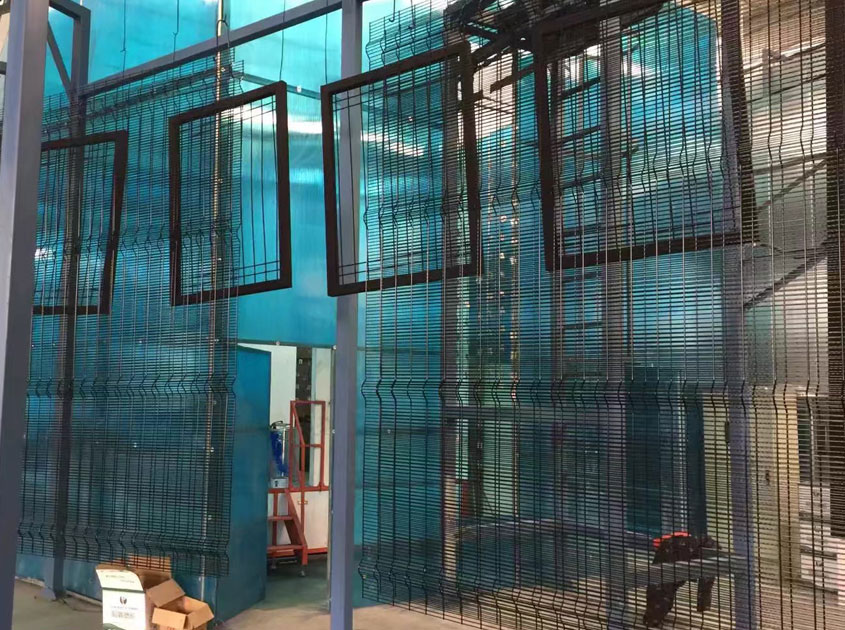
358 Security Fence Specifications and Applications Guide
Pulished on Aug. 27, 2026
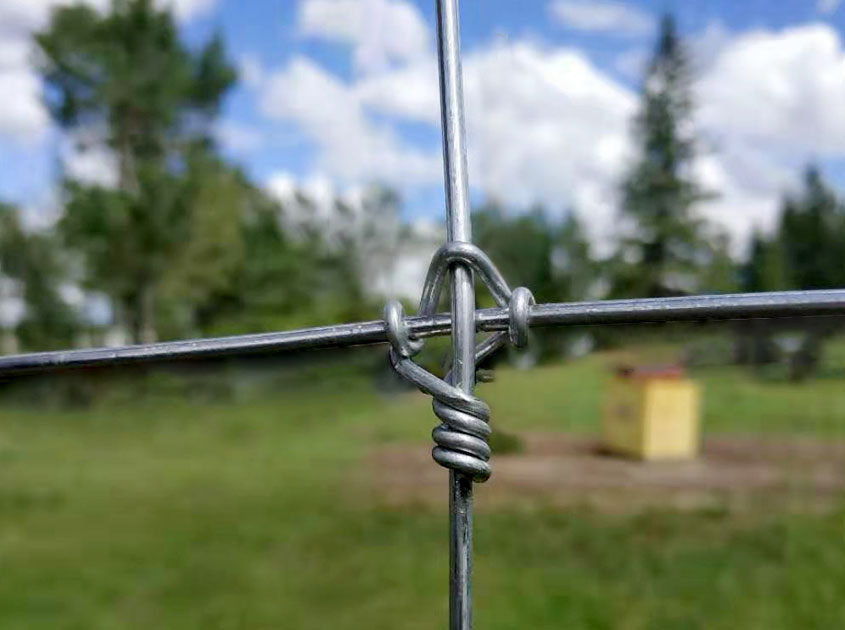
What Is Farm Fence and What Are the Main Types?
Pulished on Aug. 26, 2026
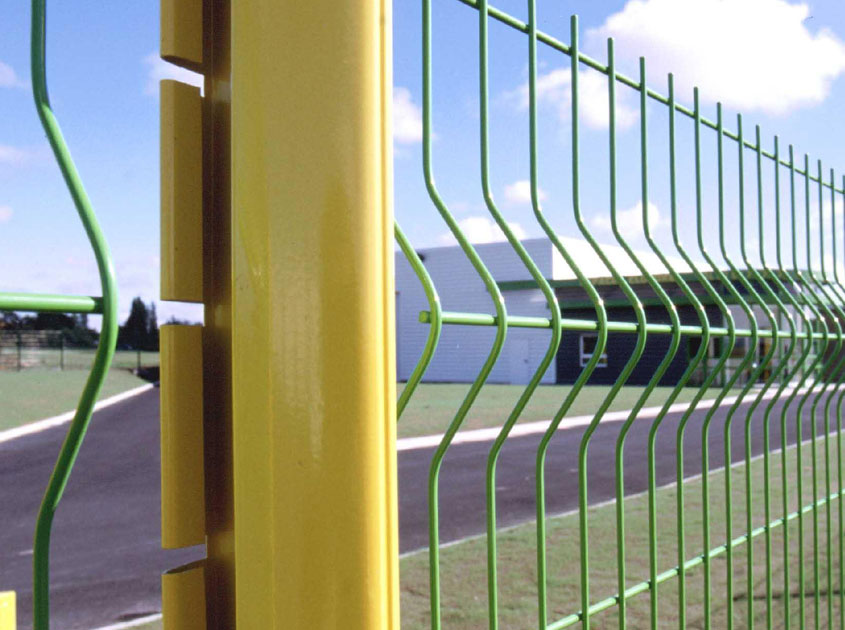
Welded Wire Fence Types, Sizes and Applications Guide
Pulished on Aug. 20, 2026
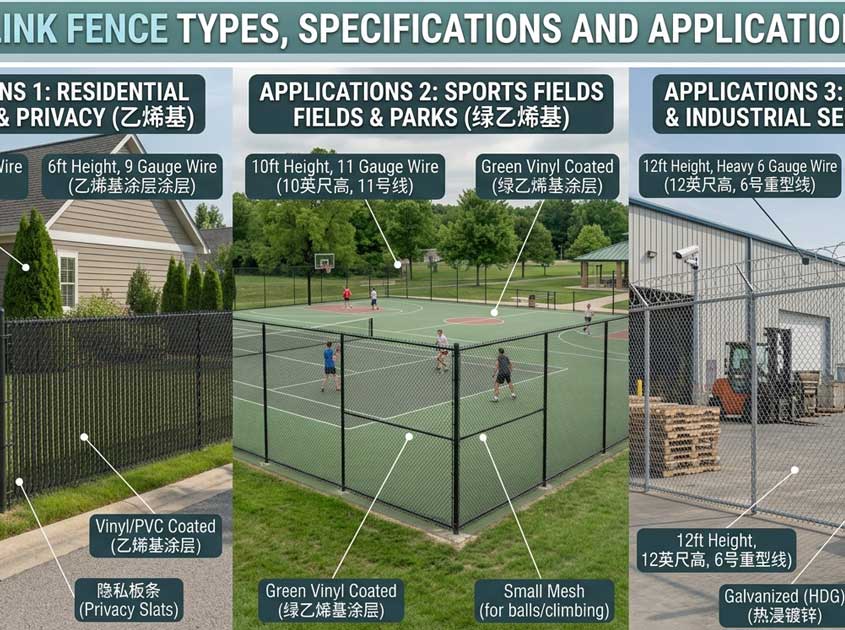
Chain Link Fence Types, Specifications and Applications Guide
Pulished on Aug. 12, 2026
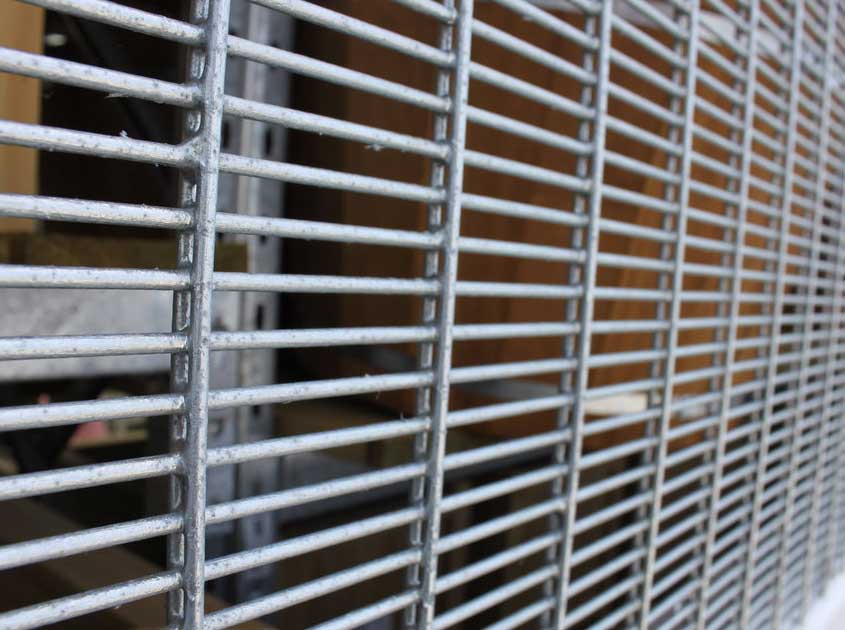
How Much Does 358 Security Fence Cost? Complete Price Guide for International Buyers
Pulished on Jul. 22, 2026
358 Security Fence vs Chain Link Fence: Which One Is Better for High Security Projects?
Pulished on Jul. 22, 2026

Anti-Climb 358 Mesh Fence Supplier for Prisons and Airports
Pulished on Jul. 22, 2026
Why Choose Welded Wire Fence for Security and Protection?
Pulished on Sep. 07, 2026
358 Security Fence Specifications and Applications Guide
Pulished on Aug. 27, 2026
What Is Farm Fence and What Are the Main Types?
Pulished on Aug. 26, 2026
Welded Wire Fence Types, Sizes and Applications Guide
Pulished on Aug. 20, 2026
Chain Link Fence Types, Specifications and Applications Guide
Pulished on Aug. 12, 2026
How Much Does 358 Security Fence Cost? Complete Price Guide for International Buyers
Pulished on Jul. 22, 2026
358 Security Fence vs Chain Link Fence: Which One Is Better for High Security Projects?
Pulished on Jul. 22, 2026
Anti-Climb 358 Mesh Fence Supplier for Prisons and Airports
Pulished on Jul. 22, 2026