EN
EN SP
SP FR
FR
- Home
- About Us
- Products
- Service
- Project
- News
- Contact Us
Pulished on Feb. 14, 2023
Chain link fence spraying process steps:
1. Pretreatment: Purpose: To remove oil, dust and rust on the surface of the workpiece, and to form a corrosion-resistant "phosphating layer" on the surface of the workpiece that can increase the adhesion of the spray coating.
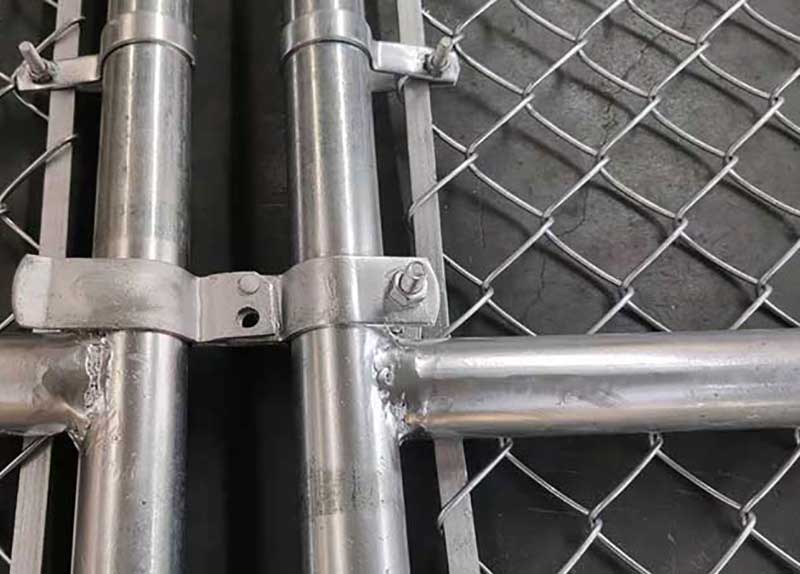
Main process steps: oil removal, rust removal, phosphating, passivation. After pretreatment, the surface of the workpiece is not only free of oil, rust, and dust, but also forms a layer of uniform and rough gray phosphating film that is not easy to rust on the original silver-white bright surface, which can play an anti-rust role. And increase the adhesion of the sprayed layer.
2. The purpose of electrostatic spraying: to spray the powder coating evenly on the surface of the workpiece. For special workpieces (including parts that are prone to electrostatic shielding), high-performance electrostatic spraying machines should be used to complete the spraying.
Process steps: Using the principle of electrostatic adsorption, evenly spray a layer of powder coating on the surface of the workpiece; the falling powder is recovered through the recovery system, and can be reused after screening.
3. The purpose of high temperature curing: to heat the powder coating on the surface of the workpiece to the specified temperature and hold it for a corresponding time to melt, level and solidify, so as to obtain the surface effect required by the workpiece.
Process steps: Push the sprayed workpiece into the curing furnace, heat it to the predetermined temperature (generally 185 degrees), and keep it for a corresponding time (15 minutes); take it out from the furnace, and cool it to get the finished product. Generally, the workpiece is different, and the heating temperature and holding time are also different.
4. Decoration treatment:
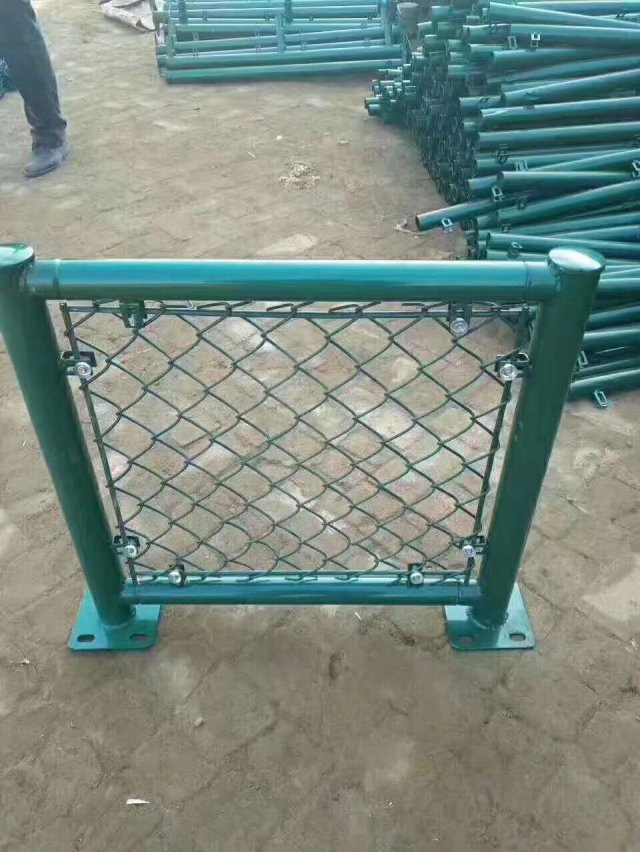
Uses: Make the workpiece after electrostatic spraying achieve a certain special appearance effect, such as various wood grains, patterns, and luster enhancement.
Process steps: varnish; transfer printing and other treatment processes.
Why Choose Welded Wire Fence for Security and Protection?
Pulished on Sep. 07, 2026
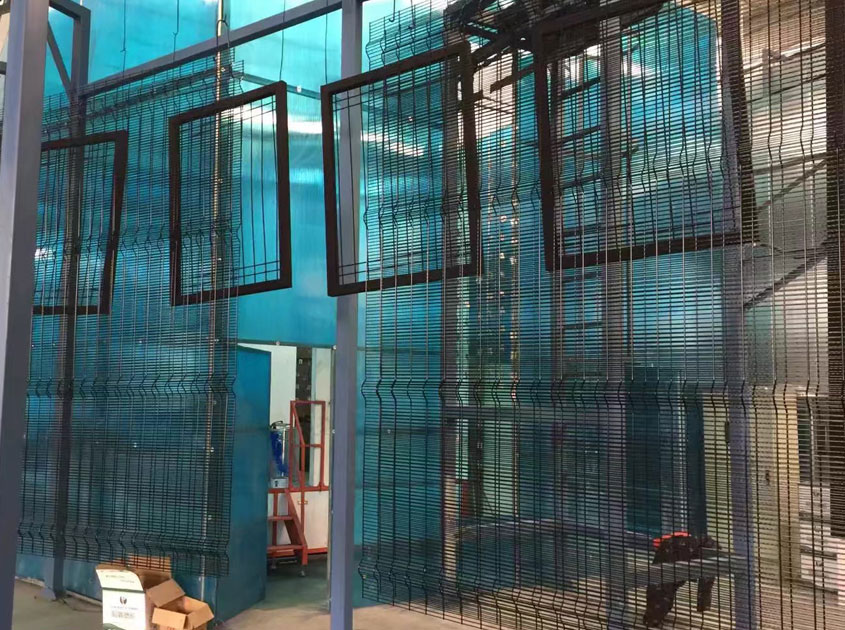
358 Security Fence Specifications and Applications Guide
Pulished on Aug. 27, 2026
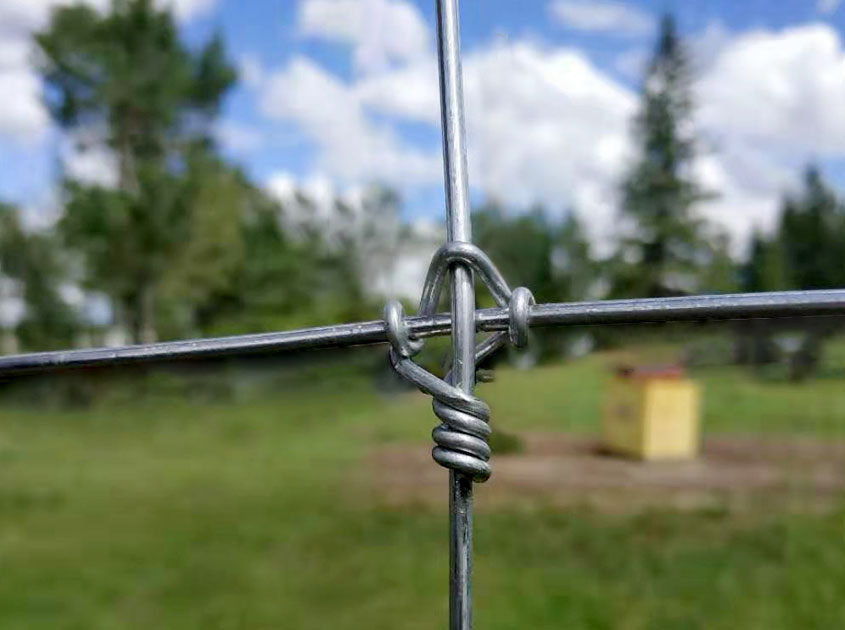
What Is Farm Fence and What Are the Main Types?
Pulished on Aug. 26, 2026
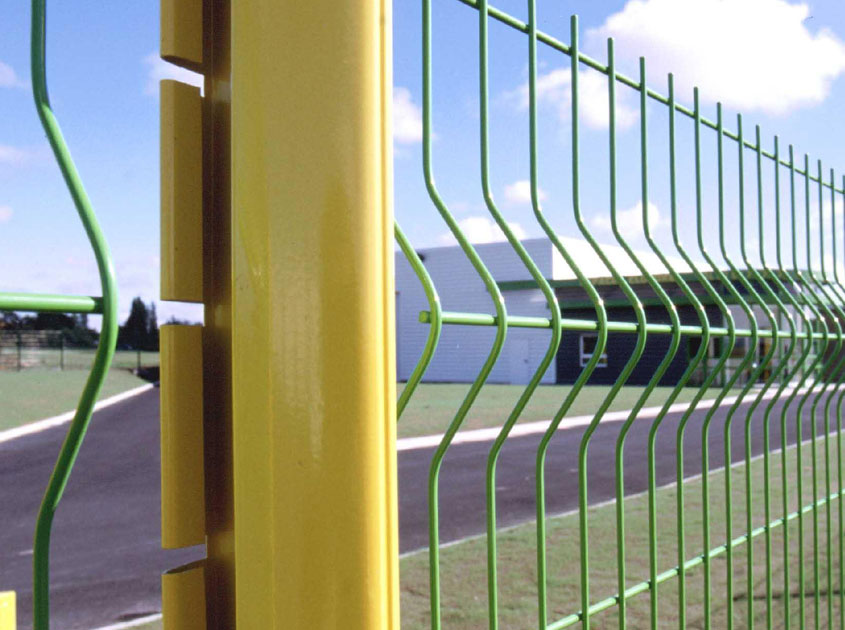
Welded Wire Fence Types, Sizes and Applications Guide
Pulished on Aug. 20, 2026
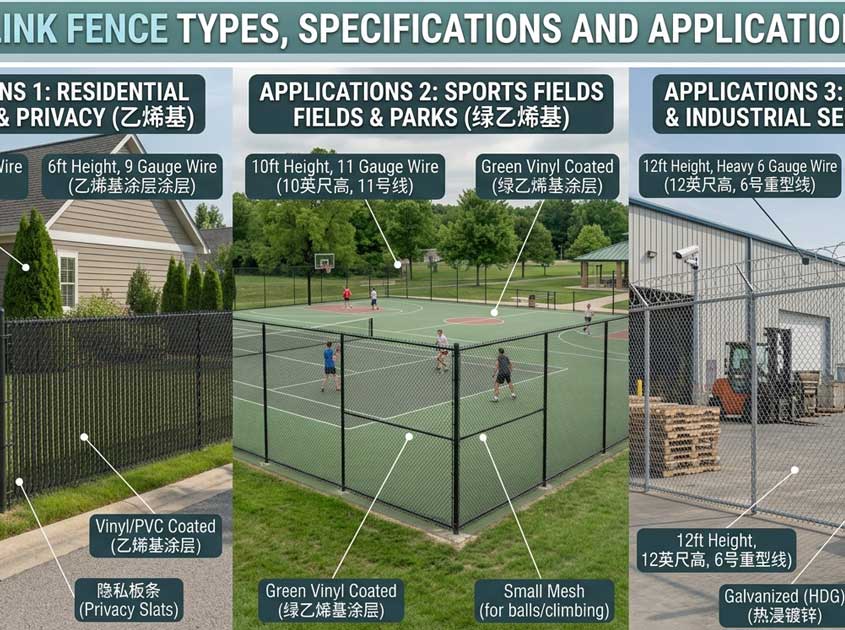
Chain Link Fence Types, Specifications and Applications Guide
Pulished on Aug. 12, 2026
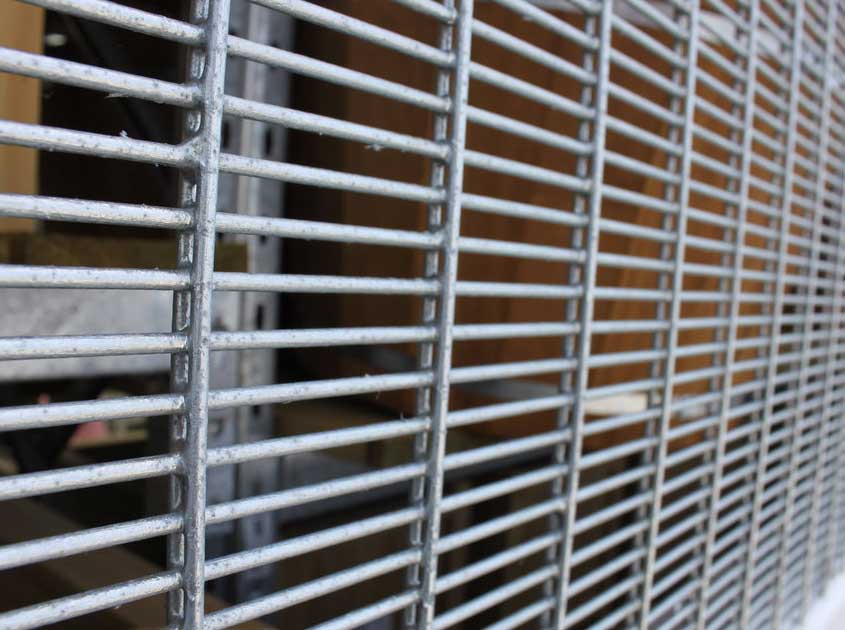
How Much Does 358 Security Fence Cost? Complete Price Guide for International Buyers
Pulished on Jul. 22, 2026
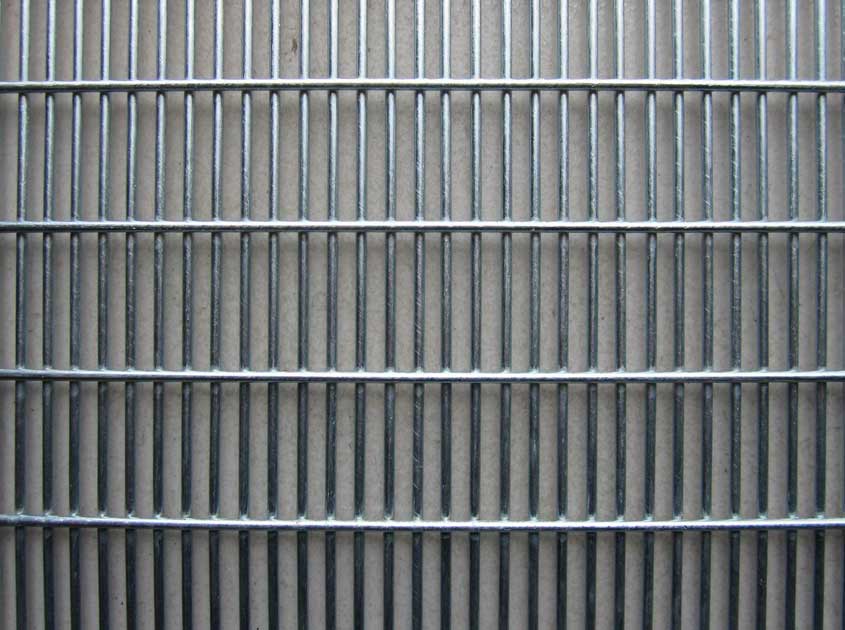
358 Security Fence vs Chain Link Fence: Which One Is Better for High Security Projects?
Pulished on Jul. 22, 2026

Anti-Climb 358 Mesh Fence Supplier for Prisons and Airports
Pulished on Jul. 22, 2026
Why Choose Welded Wire Fence for Security and Protection?
Pulished on Sep. 07, 2026
358 Security Fence Specifications and Applications Guide
Pulished on Aug. 27, 2026
What Is Farm Fence and What Are the Main Types?
Pulished on Aug. 26, 2026
Welded Wire Fence Types, Sizes and Applications Guide
Pulished on Aug. 20, 2026
Chain Link Fence Types, Specifications and Applications Guide
Pulished on Aug. 12, 2026
How Much Does 358 Security Fence Cost? Complete Price Guide for International Buyers
Pulished on Jul. 22, 2026
358 Security Fence vs Chain Link Fence: Which One Is Better for High Security Projects?
Pulished on Jul. 22, 2026
Anti-Climb 358 Mesh Fence Supplier for Prisons and Airports
Pulished on Jul. 22, 2026