EN
EN SP
SP FR
FR
- Home
- About Us
- Products
- Service
- Project
- News
- Contact Us
Pulished on Nov. 10, 2020
Grassland netting is also called Niulan netting, which is widely used in America and Europe to protect ecological balance, prevent landslides, animal husbandry fences, especially in rainy mountainous areas, a layer of sunscreen 120g nylon woven cloth is sewn outside the net to block mud and sand. Outflow has developed rapidly in recent years.
Automatic mechanical production features: save a lot of labor, reduce labor intensity of workers, add 2T-3T mechanical pressure during winding to make the mesh surface smooth, the structure is firm and precise, the mesh is uniform, and the integrity is strong. In particular, the advanced pressure wave technology is used to press a 12mm deep and 40mm wide bend between each grid. This bend is commonly known as "wave" to make the mesh surface smoother, and relieve thermal expansion and contraction in areas with large climate changes in winter and summer. When a beast hits, the mesh surface automatically returns to increase the buffering force of the mesh surface.
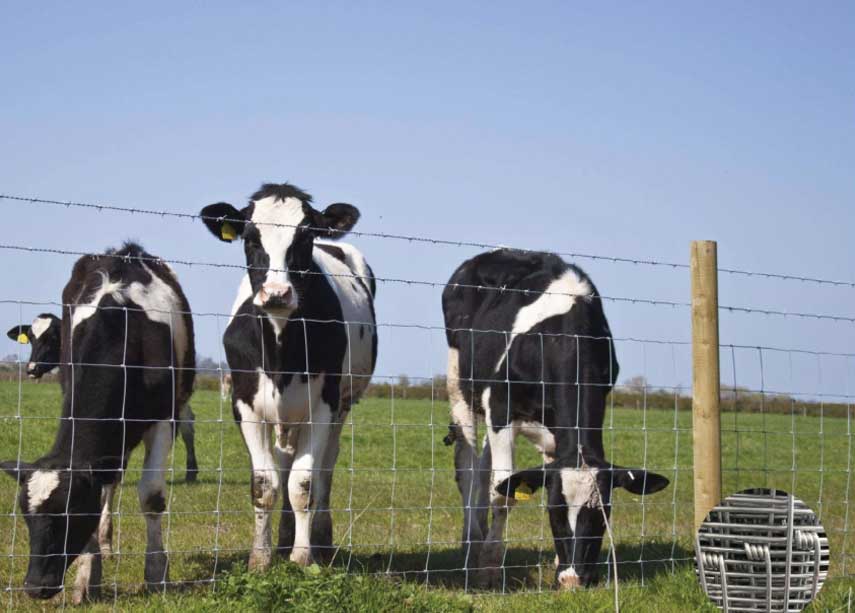
Prairie nets are generally made of hot-dip galvanized wire, and the amount of zinc applied is generally 60 to 100 grams per square meter. The requirement for wet areas is higher, and about 230 grams of wire is used. Recently, cold galvanized wire is also used in Africa. Horizontal wire, tensile strength 80KG-90KG to increase the impact resistance of the net. Vertical wire, low carbon steel wire with tensile strength 40KG-50KG so as to be wound on horizontal wire. (Add 2T-3T mechanical pressure during winding to prevent vertical wire from sliding)
The flatness of the grassland net surface is required to be: no more than 1 up-and-down point (10 square centimeters) per 50-meter length, and no more than 10mm. The left and right error of the grid is not more than 3MM, and no joint is allowed on the horizontal wire of each roll of bullpen.
Previous: Features of iron fence
Next: Chain Link Fence Machine
How to Choose Farm Fence for Cattle and Horses: Wire, Height and Design Guide
Pulished on Sep. 23, 2026
How Is Chain Link Fence Made? Manufacturing Process and Components
Pulished on Sep. 18, 2026
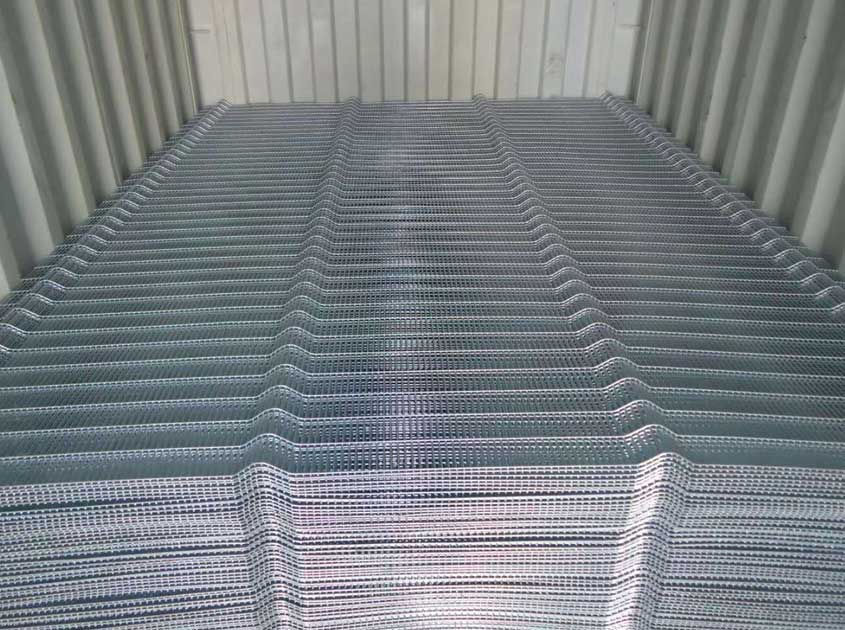
358 Security Fence vs Chain Link Fence: Security, Cost and Application Comparison
Pulished on Sep. 15, 2026
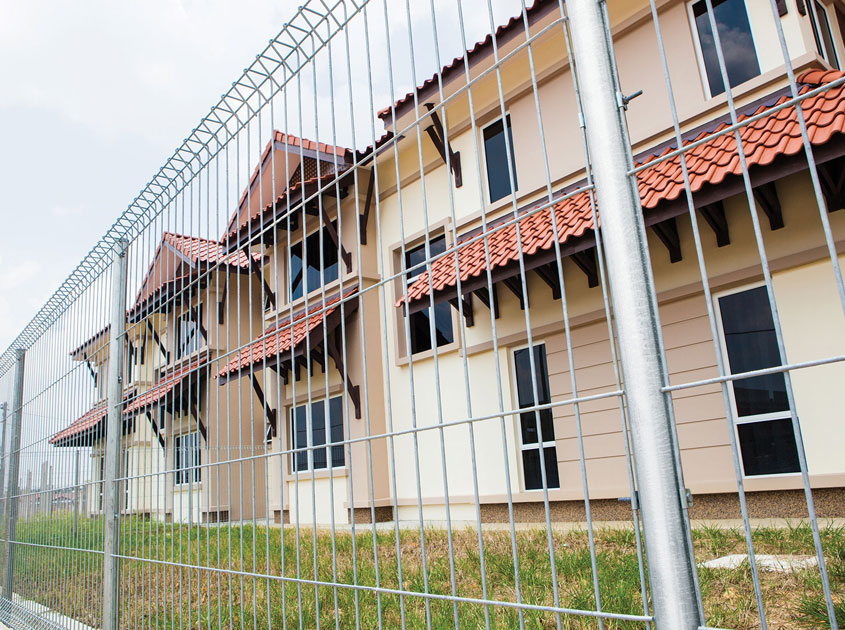
Why Choose Welded Wire Fence for Security and Protection?
Pulished on Sep. 07, 2026
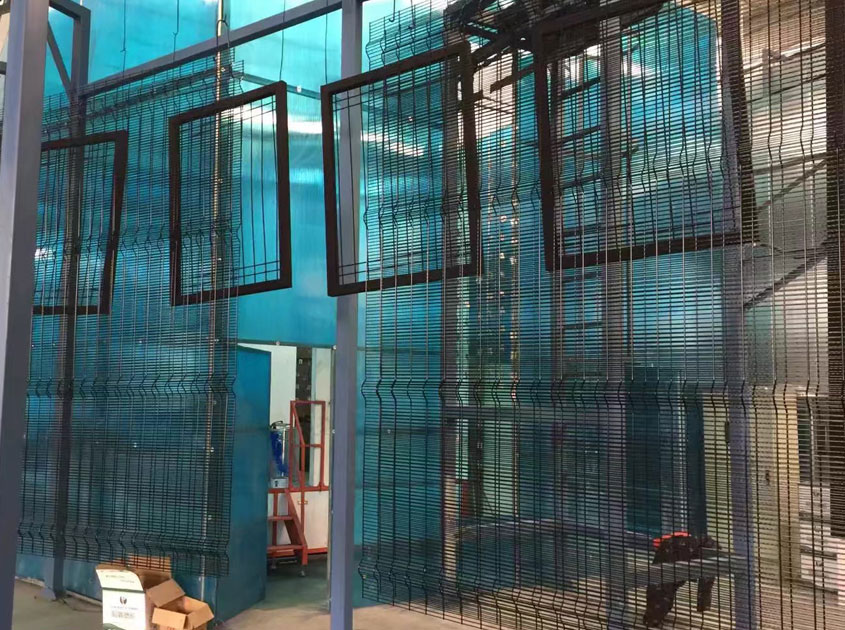
358 Security Fence Specifications and Applications Guide
Pulished on Aug. 27, 2026
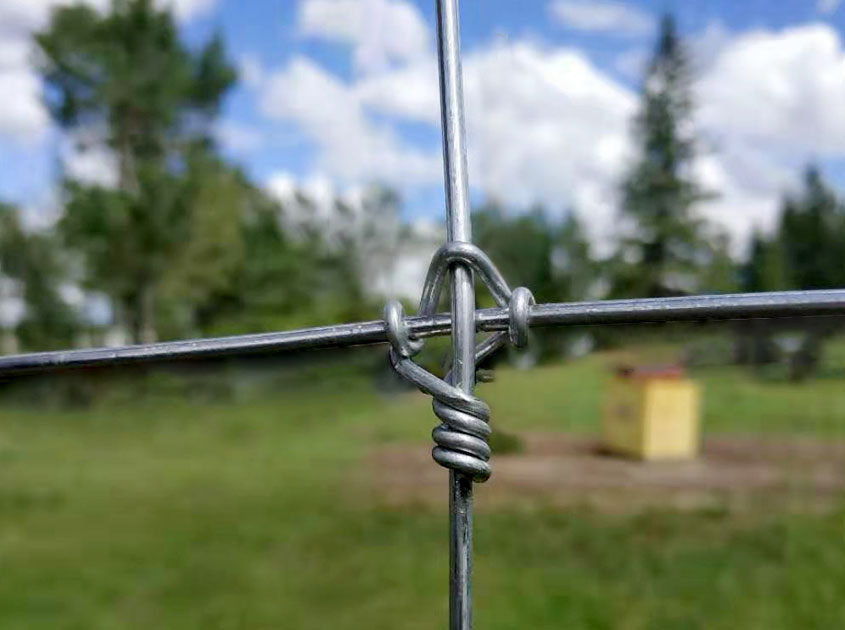
What Is Farm Fence and What Are the Main Types?
Pulished on Aug. 26, 2026
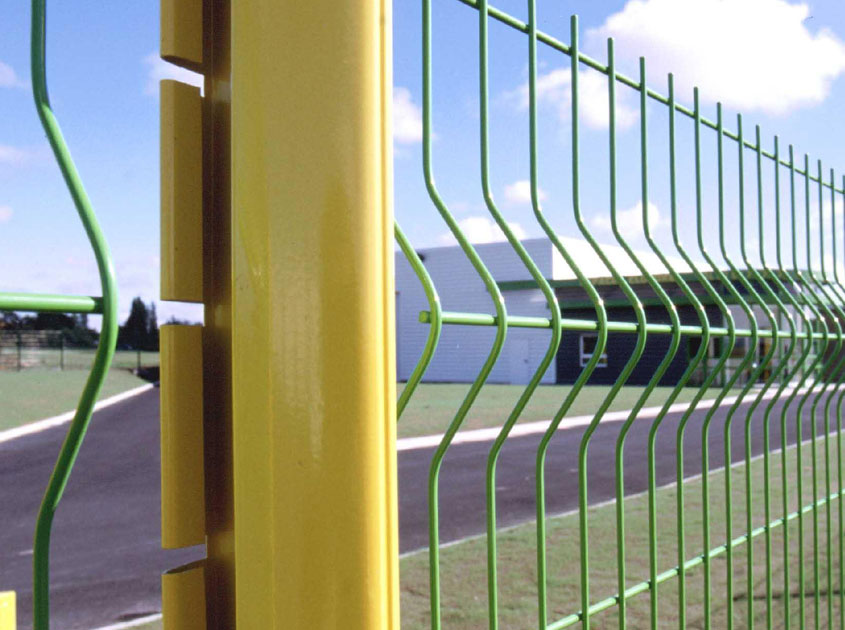
Welded Wire Fence Types, Sizes and Applications Guide
Pulished on Aug. 20, 2026
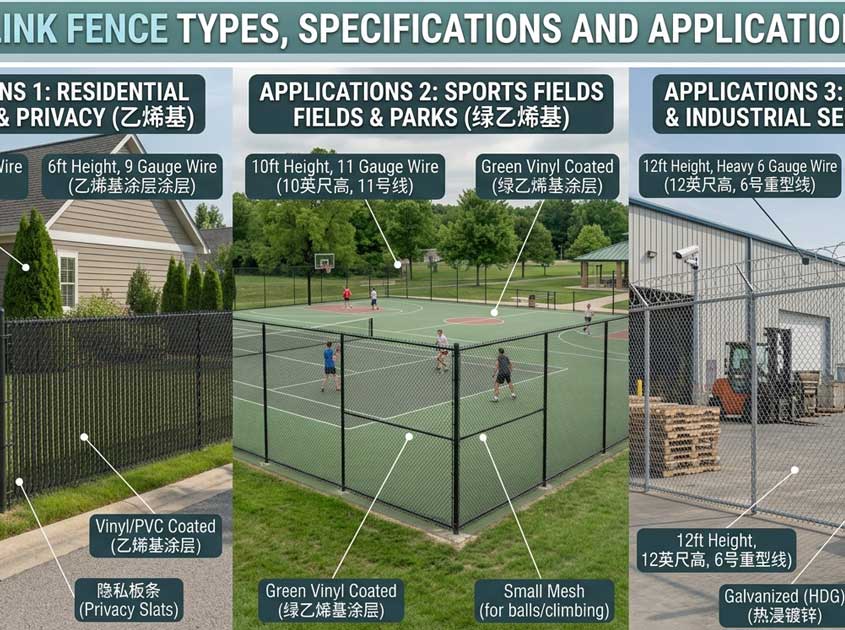
Chain Link Fence Types, Specifications and Applications Guide
Pulished on Aug. 12, 2026
How to Choose Farm Fence for Cattle and Horses: Wire, Height and Design Guide
Pulished on Sep. 23, 2026
How Is Chain Link Fence Made? Manufacturing Process and Components
Pulished on Sep. 18, 2026
358 Security Fence vs Chain Link Fence: Security, Cost and Application Comparison
Pulished on Sep. 15, 2026
Why Choose Welded Wire Fence for Security and Protection?
Pulished on Sep. 07, 2026
358 Security Fence Specifications and Applications Guide
Pulished on Aug. 27, 2026
What Is Farm Fence and What Are the Main Types?
Pulished on Aug. 26, 2026
Welded Wire Fence Types, Sizes and Applications Guide
Pulished on Aug. 20, 2026
Chain Link Fence Types, Specifications and Applications Guide
Pulished on Aug. 12, 2026