EN
EN SP
SP FR
FR
- Home
- About Us
- Products
- Service
- Project
- News
- Contact Us
Pulished on Feb. 19, 2024
Airport fencing, also known as perimeter fencing or security fencing, is a fence that is specially designed and built around the perimeter of an airport to ensure security. These fences are typically made of strong and durable materials such as steel, concrete, or a combination of the two and are designed to prevent unauthorized entry and intrusion into secure areas of the airport.
Here are some detailed features and uses of airport fences:
Security: Airport fencing is the first line of defense against unauthorized access and potential threats. They are designed to be difficult to climb or traverse, deterring intruders and minimizing the risk of security breaches.
Durability: Airport fencing is designed to withstand harsh weather conditions, including strong winds, heavy rain, snow, and extreme temperatures. They are also designed to resist vandalism and other forms of damage.
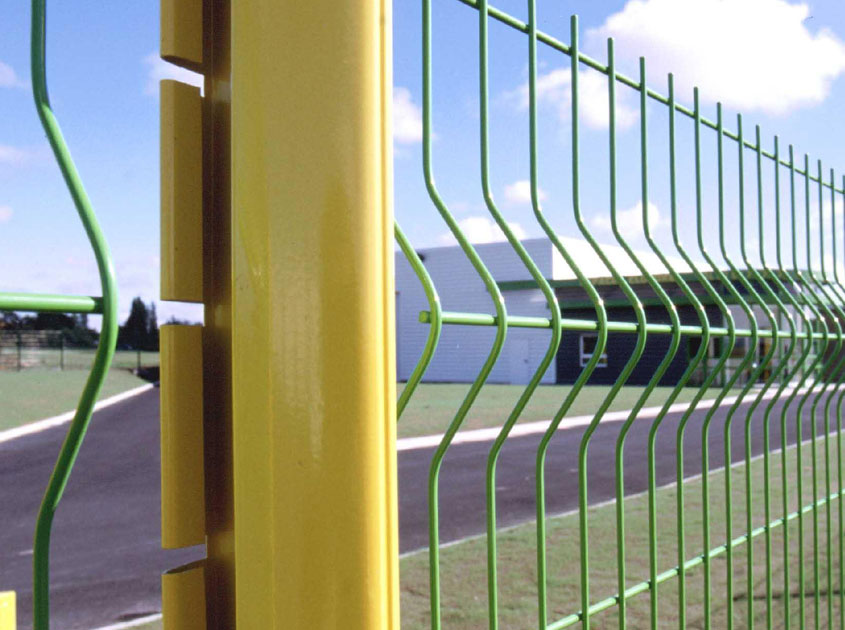
Visibility: Airport fences are often painted in bright colors or equipped with lighting systems to improve visibility, especially at night or in low-light conditions. This helps airport security personnel monitor the perimeter and spot any unusual activity.
Access Control: Airport fences are equipped with gates and other access control devices that allow authorized personnel to enter and exit secure areas. These gates are usually monitored and controlled by security personnel to ensure that only authorized personnel have access.
Perimeter surveillance: Many airports also install surveillance cameras and other security systems along perimeter fences to monitor any suspicious or unauthorized activity. This helps security personnel respond to any potential threats quickly and efficiently.
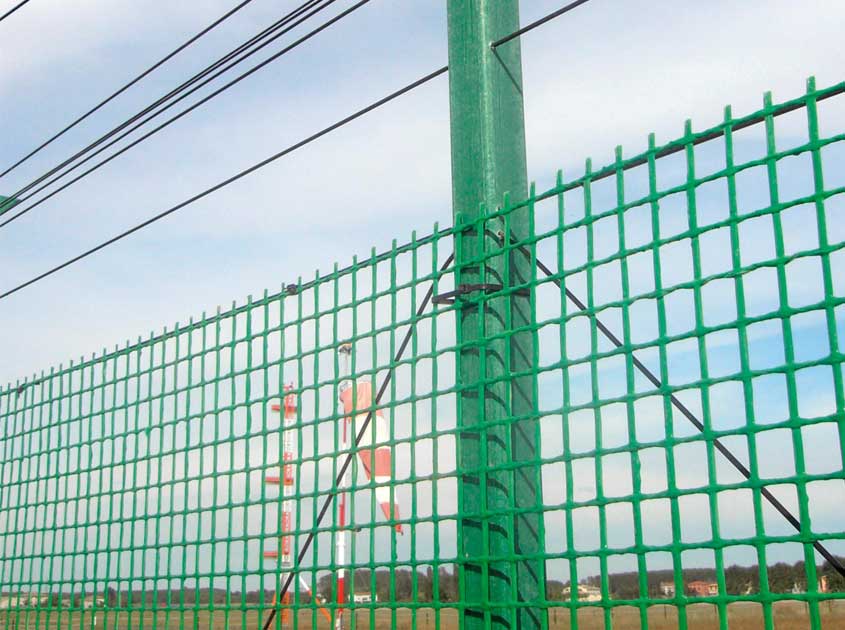
In summary, airport fencing plays a vital role in ensuring the safety and security of airports by preventing unauthorized entry and intrusion into secure areas. They are designed to be durable, visible and equipped with access control and monitoring systems to provide comprehensive security measures.
How to Choose Farm Fence for Cattle and Horses: Wire, Height and Design Guide
Pulished on Sep. 23, 2026
How Is Chain Link Fence Made? Manufacturing Process and Components
Pulished on Sep. 18, 2026
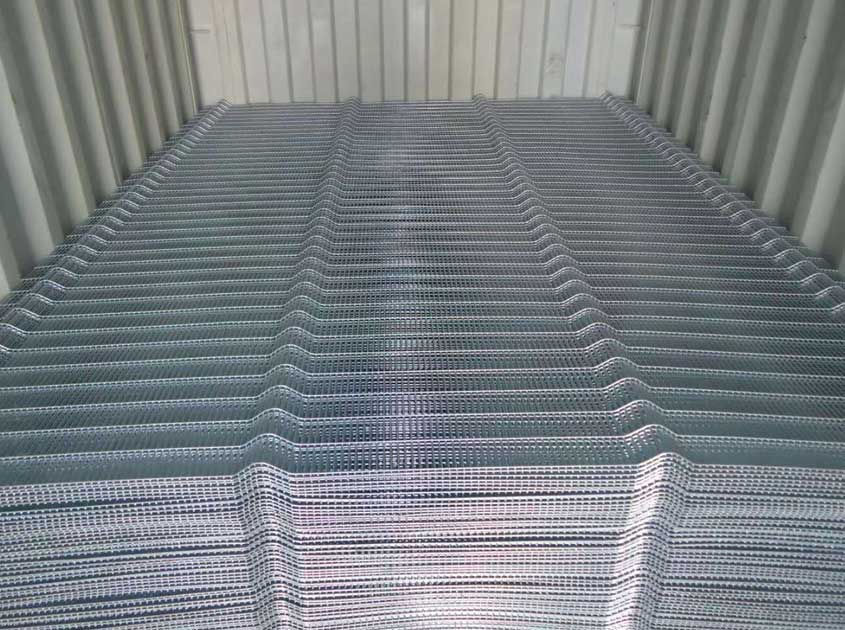
358 Security Fence vs Chain Link Fence: Security, Cost and Application Comparison
Pulished on Sep. 15, 2026
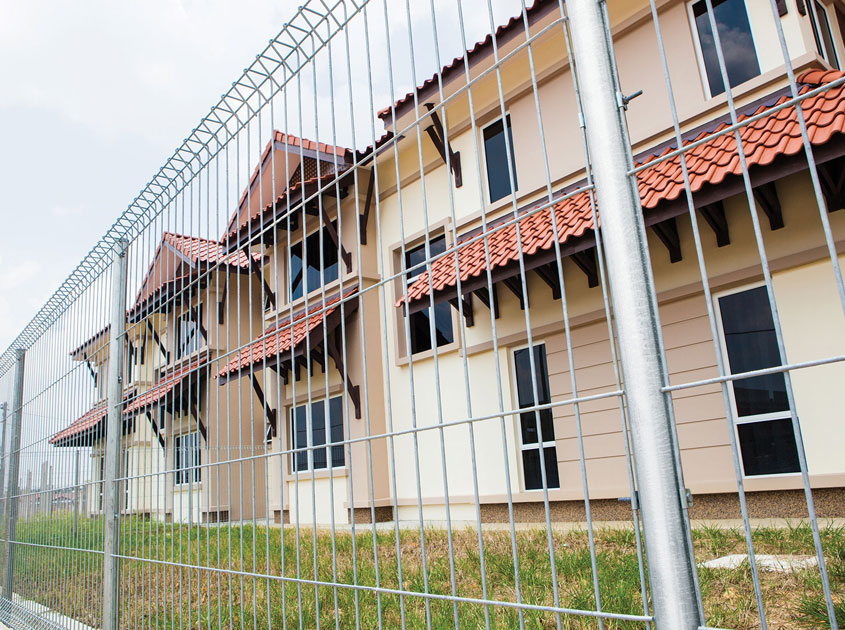
Why Choose Welded Wire Fence for Security and Protection?
Pulished on Sep. 07, 2026
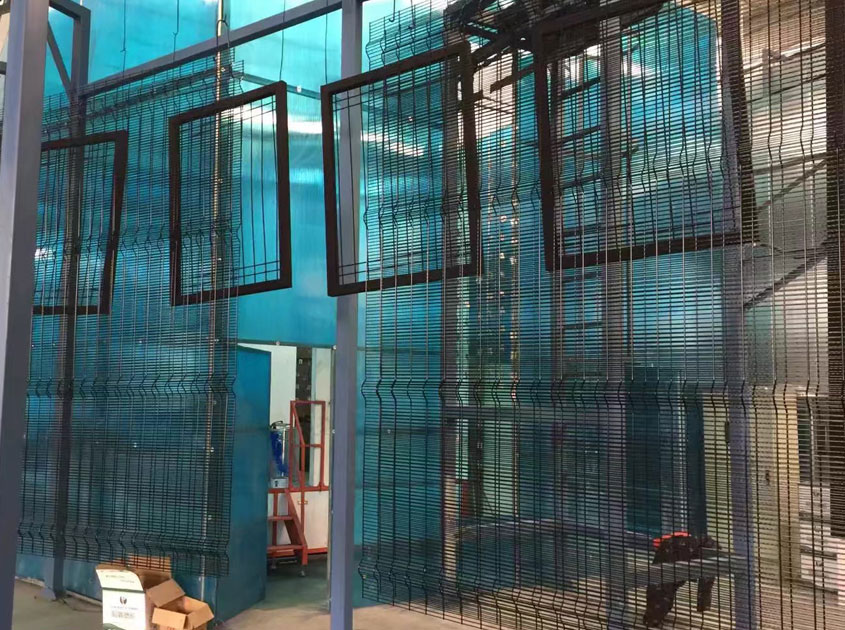
358 Security Fence Specifications and Applications Guide
Pulished on Aug. 27, 2026
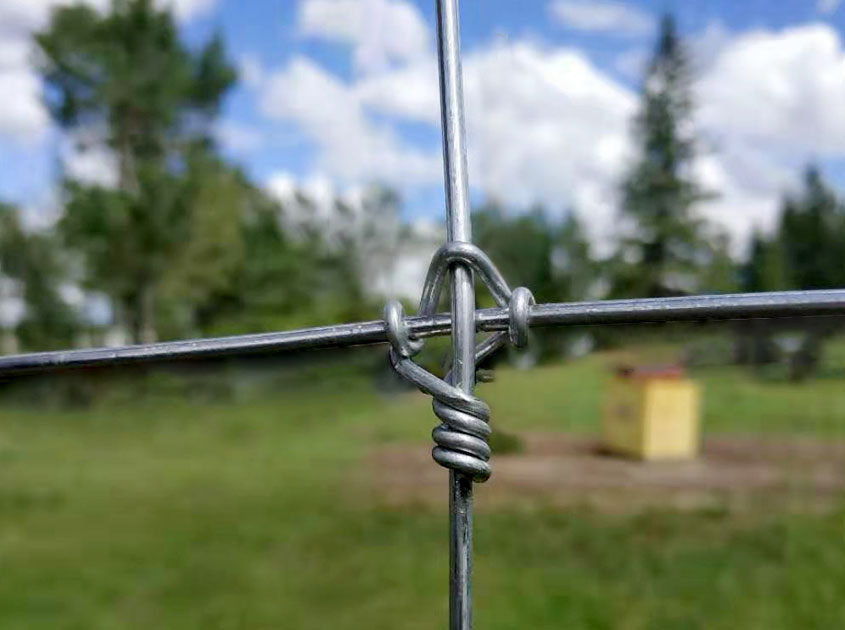
What Is Farm Fence and What Are the Main Types?
Pulished on Aug. 26, 2026
Welded Wire Fence Types, Sizes and Applications Guide
Pulished on Aug. 20, 2026
Chain Link Fence Types, Specifications and Applications Guide
Pulished on Aug. 12, 2026
How to Choose Farm Fence for Cattle and Horses: Wire, Height and Design Guide
Pulished on Sep. 23, 2026
How Is Chain Link Fence Made? Manufacturing Process and Components
Pulished on Sep. 18, 2026
358 Security Fence vs Chain Link Fence: Security, Cost and Application Comparison
Pulished on Sep. 15, 2026
Why Choose Welded Wire Fence for Security and Protection?
Pulished on Sep. 07, 2026
358 Security Fence Specifications and Applications Guide
Pulished on Aug. 27, 2026
What Is Farm Fence and What Are the Main Types?
Pulished on Aug. 26, 2026
Welded Wire Fence Types, Sizes and Applications Guide
Pulished on Aug. 20, 2026
Chain Link Fence Types, Specifications and Applications Guide
Pulished on Aug. 12, 2026